Have you ever felt overwhelmed by the struggle of managing weight loss while also keeping an eye on your glucose health? Many women over 30 face these challenges, battling fatigue, hormonal imbalances, and anxiety that make it hard to maintain a healthy lifestyle. Sometimes, it seems like everything is working against you, and the journey can feel isolating. But, it doesn’t have to be this way.
There is a light at the end of the tunnel, and more importantly, there are effective, natural methods that don’t require drastic changes to your life. And this is what we’re going to explore together — simple, achievable strategies that can transform your health and wellness.
Understanding the Connection Between Weight Loss and Glucose
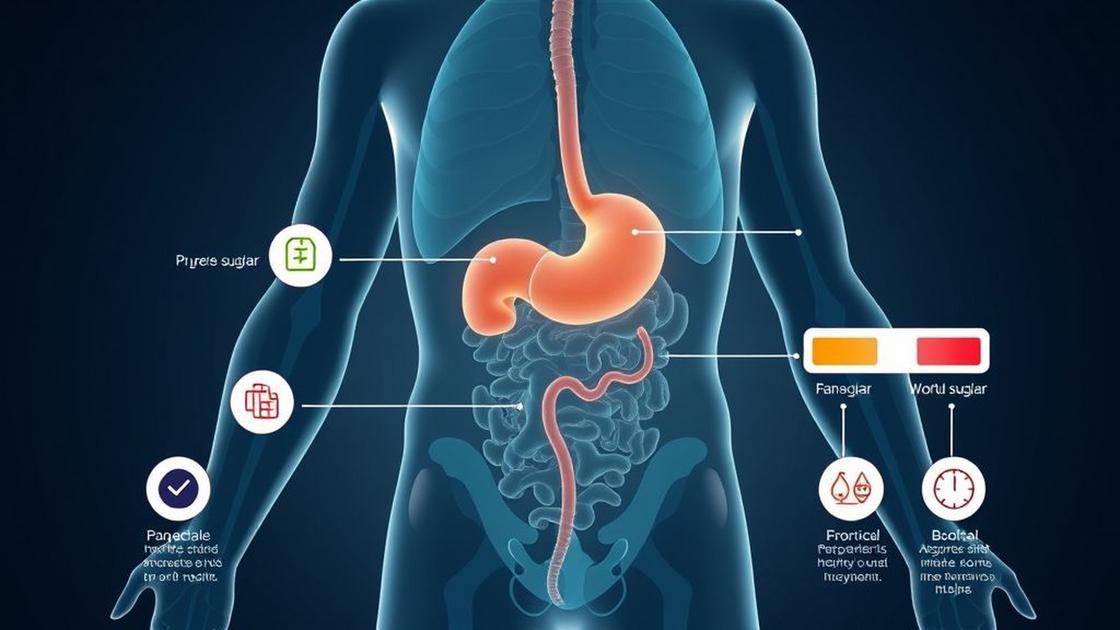
Did you know that weight loss and glucose health are closely linked? When we talk about glucose, we’re referring to the sugar in our blood, which is essential for energy. However, when we have too much glucose in our system, it can lead to various health problems, including weight gain, fatigue, and more. When women over 30 experience fluctuations in their weight and energy levels, they might not realize that insulin — a hormone that helps regulate glucose — plays a huge role in their overall health.
Insulin resistance, a condition where the body’s cells don’t respond well to insulin, is a common issue. It can make weight loss more challenging and lead to conditions like type 2 diabetes. Understanding this connection empowers you to make changes that can positively influence your glucose levels and, in turn, support your weight loss goals.
The Role of Nutrition in Glucose Health
Your meals can be a powerful tool in managing your glucose levels. A balanced diet rich in whole foods — such as fruits, vegetables, lean proteins, whole grains, and healthy fats — can help you achieve and maintain a healthy weight while keeping your glucose in check.
Fruits and Vegetables: These are high in fiber and low in calories, making them excellent choices. Foods rich in fiber slow down glucose absorption and prevent spikes in insulin.
Lean Proteins: Incorporating lean meats, fish, and plant-based proteins like legumes can help you feel full and satisfied.
Whole Grains: Unlike refined grains, whole grains have a lower glycemic index, which means they raise your blood sugar more slowly.
Healthy Fats: Avocados, nuts, and olive oil can promote satiety and provide important nutrients without causing insulin spikes.
Beyond just what you eat, how you eat matters too. Eating smaller, frequent meals can help maintain steady glucose levels and prevent hunger-driven binges.
Natural Supplements to Support Your Journey
As you navigate your path, consider adding natural supplements that can aid in regulating blood glucose levels:
Cinnamon: Some studies show that cinnamon can help improve insulin sensitivity.
Berberine: This supplement is known for its potential to lower blood sugar levels and enhance metabolism.
Chromium: Essential for insulin function, chromium may help manage blood sugar levels.
Omega-3 Fatty Acids: Found in fish oil, omega-3s support heart health and may aid in lowering inflammation.
Always consult with your healthcare provider before adding supplements to your routine to ensure they’re right for you.
Mindful Eating: A Technique for Weight Management
Mindful eating is a powerful practice that goes beyond just what you eat. It involves being fully present during meals and listening to your body’s hunger cues. It’s easy to eat on autopilot — scrolling through your phone or watching TV can lead to overeating without even realizing it.
Instead, try taking your time, savoring each bite, and recognizing when you’re truly hungry versus when you’re just bored or stressed. This can help you keep your portions in check and make healthier choices while also enjoying your food more!
Exercise: Finding What Works for You
As we age, our bodies may respond differently to exercise. It’s essential to find an activity that you love, making it easier to incorporate it into your routine. Regular exercise isn’t just about burning calories; it also improves your insulin sensitivity and helps regulate glucose levels.
Consider activities that suit your preferences:
Walking: Brisk walks are easy on the joints and can be very effective in managing weight and glucose levels.
Yoga: Not only does yoga promote flexibility and strength, but it also significantly reduces stress, which can be a factor in weight management.
Strength Training: Building muscle can boost your metabolism and help you burn more calories even at rest.
Group Classes: Many find motivation in the community. Whether it’s spinning, Zumba, or Pilates, being around others can uplift your spirit and encourage consistency.
Experiment with different activities until you find what truly excites you!
Sleep and Stress: Their Impact on Weight and Glucose
Did you know that poor sleep and high stress can wreak havoc on your weight and your glucose levels? Sleep deprivation can increase cravings and disrupt hormones that regulate hunger. If you’re feeling tired, stressed, or overwhelmed, it can be hard to make healthy choices. Prioritizing rest isn’t just a luxury; it’s a necessity.
Incorporate relaxation techniques into your daily routine.
Meditation: Just a few minutes a day can help calm your mind and lower stress levels.
Journaling: Writing down your thoughts can provide an emotional release and serve as a great tool in managing anxiety and stress.
Breathing Exercises: Deep breathing can lower stress hormones, aiding in better focus and hunger regulation.
Consider establishing a relaxing bedtime routine that signals to your body it’s time to unwind.
Hydration’s Importance in Weight Loss and Health
Water plays a vital role in your weight loss journey. Staying well-hydrated helps your body function optimally. Sometimes, we confuse thirst with hunger, leading to unnecessary calorie consumption.
Incorporating more water into your day can:
Help You Feel Full: Drinking a glass of water before meals can curb your appetite.
Boost Metabolism: Proper hydration can help your body burn fat more effectively.
Flush Out Toxins: Water helps in detoxification, which can aid overall health and well-being.
Carry a water bottle with you, and aim for at least 8 glasses of water a day. If plain water seems boring, try adding slices of lemon, cucumber, or mint for a refreshing twist!
How to Create a Supportive Environment
Your environment can significantly influence your choices and behaviors. Creating a supportive space at home can make a huge difference in achieving your weight loss and glucose health goals.
Stock Healthy Foods: Fill your pantry with nutritious snacks and ingredients, making it easier to grab healthy choices when hunger strikes.
Meal Prep: Planning your meals in advance can keep you on track and reduce the temptation to order takeout.
Limit Temptations: Try to keep unhealthy snacks out of the house. If it’s not there, you can’t eat it!
Let your home reflect your goals, making healthy living easier and more enjoyable.
Success Stories: Women Who Transformed Their Health
There are countless stories of women just like you who have transformed their health through simple, natural methods. Whether it’s a neighbor who found joy in dance classes, a friend who discovered the benefits of meal prepping, or an online community that inspired someone to run their first 5K — these stories illustrate that change is not only possible but can be joyful.
Joining groups or online forums can help you stay motivated, as it connects you with other women on the same journey. Sharing struggles and successes creates a strong support system!
Your Step-by-Step Guide to Achieving Balance
It’s important to remember that every small change can lead to significant progress. Here’s a simple step-by-step guide to help you start your journey:
Assess Your Current Habits: Take a week to note your eating patterns, exercise routines, and daily stressors.
Set Small Goals: Instead of overwhelming yourself, aim for one change at a time. For instance, increase your water intake or add a 10-minute walk to your day.
Incorporate Mindful Practices: Start with one meal a day where you eat without distractions.
Engage in Physical Activity: Try a new workout or join a class that excites you!
Connect with Others: Find a buddy or join a group that shares your interests and goals.
Each step may seem small, but combined, they can lead to remarkable changes in your body and well-being. You are not alone in this journey — other women have faced similar challenges, and they have found ways to push through them. Believe that you can too!
Take a deep breath, embrace these ideas, and allow yourself the grace to change. Remember, every journey begins with a single step, and you have the power to shape your own story.