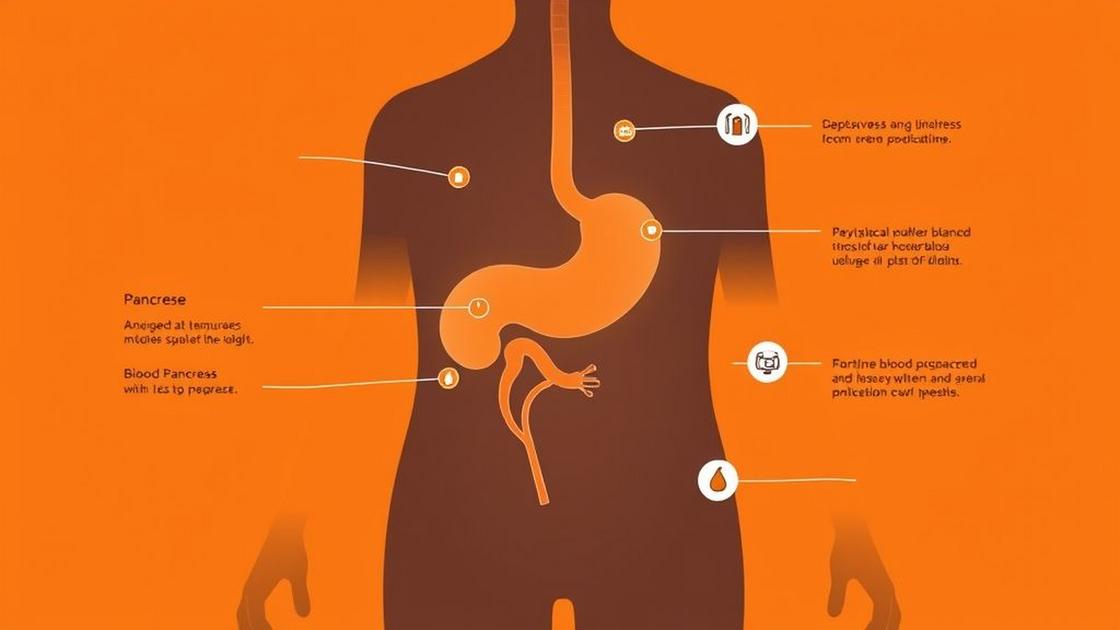
Have you noticed that stress can be a hidden culprit in your life, leading to hormonal and sugar imbalance? Many women over 30 encounter challenges like fatigue, insomnia, and anxiety, often unsure of the root causes. It’s time to uncover the connection between stress and your body’s hormonal balance, as well as how it affects your sugar levels.
In this article, we will delve into how stress plays a pivotal role in your overall well-being, addressing both the physical and emotional symptoms you may be facing. It’s important to recognize that you are not alone in your struggles, and understanding the connection between stress and these imbalances can pave the way for healing.
Understanding Hormonal Balance
Hormonal balance is critical for every aspect of our health. Hormones are chemical messengers that play vital roles in processes like metabolism, mood regulation, and reproductive health. When these hormones are out of balance, women often face daily struggles, such as fatigue and anxiety.
But what does it mean to have balanced hormones? It means that the levels of hormones such as estrogen, progesterone, cortisol, and insulin are at optimal levels, working harmoniously to keep our bodies functioning well. Disruptions in this balance can lead to both emotional and physical symptoms, which many women experience but may not fully understand.
The Link Between Stress and Hormones
Stress plays a significant role in disrupting hormonal balance. When we’re stressed, our bodies release cortisol, also known as the stress hormone. While cortisol is essential for our survival, chronic stress can lead to elevated levels of cortisol that disrupt other important hormones.
For example, high cortisol levels can affect insulin, leading to sugar imbalances and weight gain. This creates a vicious cycle where stress causes hormonal changes, which in turn leads to more stress. Many women over 30 find themselves caught in this cycle, making it crucial to understand how to manage stress effectively.
Signs of Sugar Imbalance
Sugar imbalance can show up in several ways in our bodies, often leaving us feeling exhausted and confused. Some common signs include:
Food Cravings: Especially for sugary foods.
Fatigue: Feeling tired throughout the day, even after a good night’s sleep.
Mood Swings: Increased irritability or anxiety.
Weight Gain: Especially around the abdomen.
Difficulty Concentrating: Brain fog that makes it hard to focus.
Recognizing these signs as part of a bigger picture will empower you to take steps towards restoring balance.
How Stress Impacts Your Energy Levels
Many women report feeling a significant drop in their energy levels, which they often attribute to age or busy lifestyles. However, stress plays a fundamental role in this fatigue. High levels of cortisol can cause disturbances in your sleep cycle, making it hard to achieve deep, restorative sleep.
Additionally, when your body is in a state of constant stress, it often prioritizes survival functions, leaving less energy for non-essential functions like digestion and repair. This means you may feel tired even if you haven’t done much during the day, and this fatigue can exacerbate other symptoms like mood swings and anxiety.
The Emotional Toll of Hormonal Issues
The emotional toll of hormonal imbalances can be significant. Many women experience feelings of frustration, isolation, and helplessness as they struggle with symptoms that impact their daily lives. Fluctuating hormones can cause mood swings, anxiety, and even depression.
Sometimes, the hormonal rollercoaster leaves us feeling like we’re not ourselves. These feelings are valid and deserve attention. Women often carry the burden of handling multiple responsibilities, and when hormonal issues arise, it can feel overwhelming. Sharing our experiences and seeking support can help lighten this emotional load.
Practical Tips to Manage Stress
It’s essential to consider strategies to manage stress effectively. Here are some practical tips:
Practice Deep Breathing: Take time each day to practice deep breathing exercises. It helps lower stress levels.
Stay Active: Engage in regular physical activity, even a daily walk can improve your mood.
Connect with Others: Don’t hesitate to reach out to friends or join support groups.
Create Boundaries: Learn to say no to additional responsibilities that can heighten stress.
Set aside Time for Yourself: Schedule ‘me time’, even if it’s just a few minutes a day.
Implementing these tips can bring a sense of calm to your life amid chaos.
The Role of Nutrition in Hormonal Health
Nourishing our bodies with the right foods can significantly impact hormonal balance. Nutrition plays a crucial role in regulating hormones and managing sugar levels. Consider incorporating:
Healthy Fats: Include avocados, nuts, and olive oil to support hormone production.
Whole Grains: Opt for whole grains like oats and quinoa to stabilize blood sugar.
Fruits and Vegetables: A colorful plate can provide essential vitamins and antioxidants.
Lean Proteins: Include sources like fish, chicken, and legumes to support overall health.
By making conscious choices about what we eat, we can nurture our hormones and help promote balanced energy levels.
Mindfulness Techniques for Everyday Life
Incorporating mindfulness into your routine can be a game-changer for managing stress. Simple techniques can help ground you and bring peace throughout your day:
Journaling: Writing down your thoughts can help you process emotions.
Guided Meditations: Utilize apps or online videos to practice mindfulness.
Nature Walks: Spend time outdoors to rejuvenate and clear your mind.
Gratitude Practices: Each day, note three things you’re thankful for to shift your focus.
Mindfulness can help you stay present and reduce the feelings of anxiety that often accompany hormonal imbalance.
Success Stories from Other Women
Many women have faced similar challenges and found ways to reclaim their health. Stories of resilience abound, offering hope and inspiration. For instance, Sarah, a mother of two, turned her hectic lifestyle around by prioritizing stress management techniques and focusing on whole foods. After months of struggling with energy and mood swings, she found balance through small, consistent changes.
Another inspiring story is that of Lisa, who discovered how stress was impacting her sugar levels after experiencing unexplained weight gain. By engaging in a mindful eating practice and reducing her cortisol levels, she successfully achieved better hormonal health.
These stories remind us that we are not alone, and there is a path to healthier living.
Taking the First Step Towards Balance
If you find yourself resonating with these experiences, remember that it is possible to improve your symptoms and challenges. Other women have walked this path and found their way to balance through simple, actionable steps.
With dedication and the right strategies, you can reclaim your health and vitality. Allow yourself the grace to take that first step, as many before you have done. There is a brighter and healthier path ahead, waiting for you to discover it. You are capable of achieving the balance you desire!