Do you often feel overwhelmed by anxiety and stress? You’re not alone. Many women, especially those over 30, regularly experience these emotions, often with hidden consequences for their bodies. One unexpected outcome of chronic stress and anxiety can be high blood sugar. Understanding this connection can be the first step towards reclaiming your health and well-being. In this blog post, we will delve into this important topic, revealing insights and practical advice to help you manage these challenges.
Understanding the Connection Between Anxiety and Blood Sugar
Many women in their 30s and beyond experience feelings of anxiety, often alongside other issues like fatigue and insomnia. What many may not realize is that anxiety doesn’t only affect mental well-being; it can also have a profound impact on physical health, particularly blood sugar levels. The connection between anxiety and blood sugar is significant. When we feel anxious, our body goes into a state of fight or flight.
This leads to the release of stress hormones such as cortisol and adrenaline, which can cause the liver to release glucose into the bloodstream. For those already dealing with high blood sugar or insulin resistance, this can exacerbate the problem, creating a vicious cycle.
How Stress Impacts Your Body’s Functioning
Stress can manifest in various forms, from overwhelming feelings to physical symptoms, which can alter how your body functions. Chronic stress can lead to long-term health issues, including high blood sugar levels. Here are some ways stress affects your body:
Increased Heart Rate: Stress causes your heart to work harder, potentially leading to exhaustion.
Hormonal Imbalance: Stress disrupts the balance of hormones, including insulin.
Inhibited Digestion: Stress impacts your gastrointestinal tract, which can lead to nutrient absorption issues.
Emotional Disturbance: Persistent stress may lead to feelings of anxiety or depression.
As women, recognizing this connection is vital for understanding why managing both stress and anxiety can help in stabilizing blood sugar levels.
Signs of High Blood Sugar to Watch For
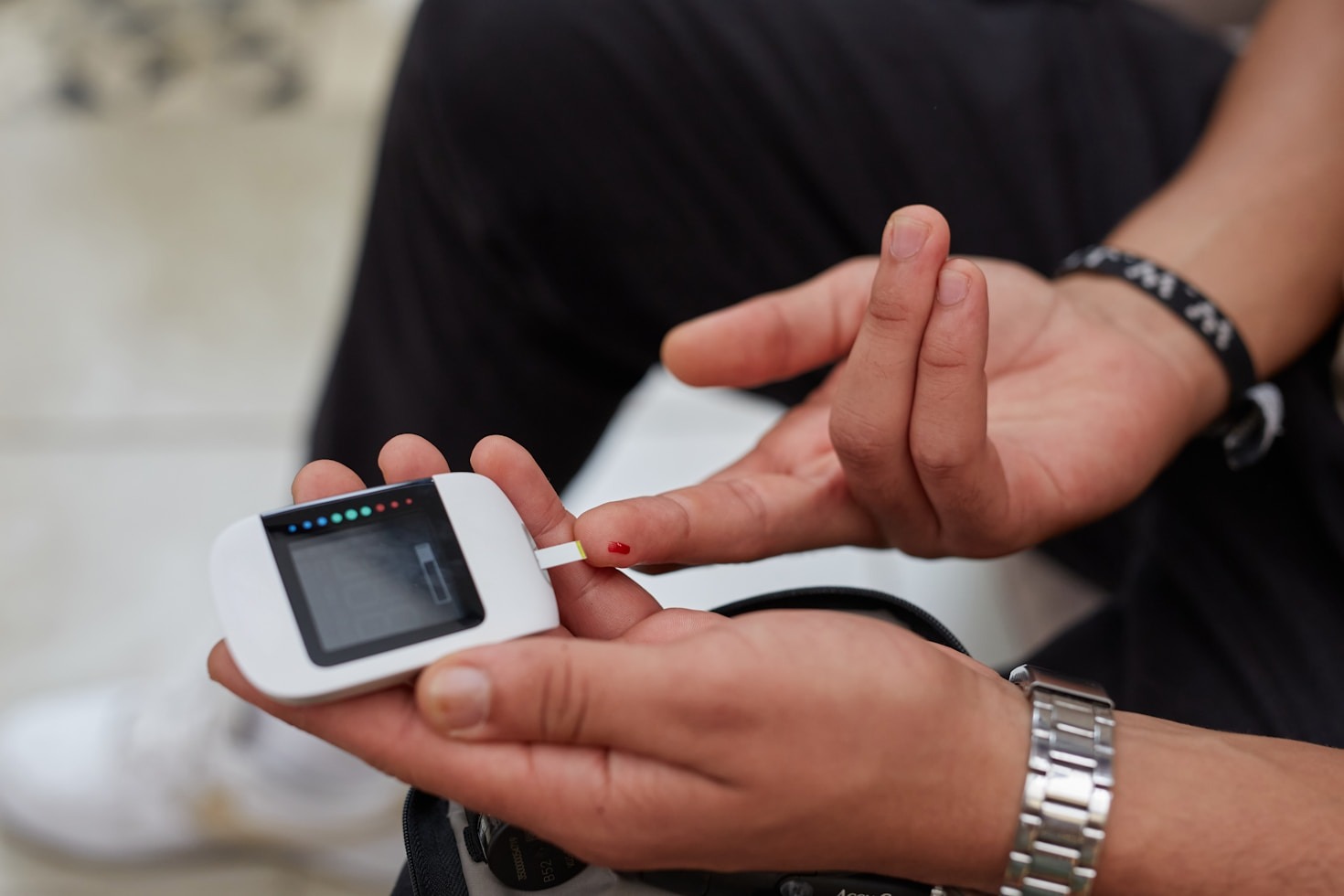
Many people may not realize they have high blood sugar until symptoms become quite noticeable. Being aware of these signs can lead to early intervention. Common symptoms include:
Frequent Urination: Needing to go to the bathroom often, especially at night.
Increased Thirst: An unquenchable thirst that doesn’t seem to go away.
Fatigue: A constant feeling of tiredness or exhaustion, even after rest.
Blurred Vision: Difficulty focusing visually.
Hunger: Increased hunger despite eating normally.
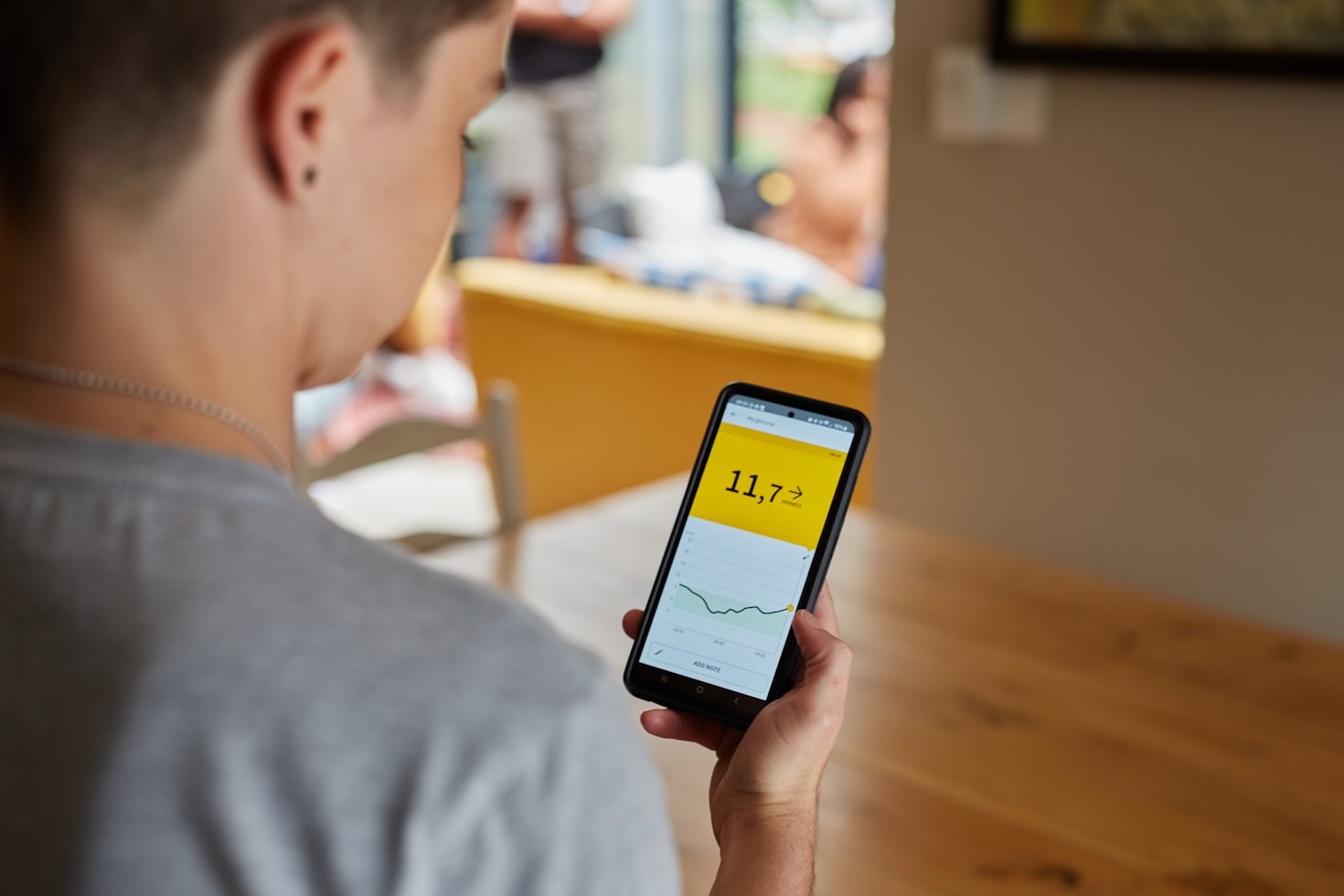
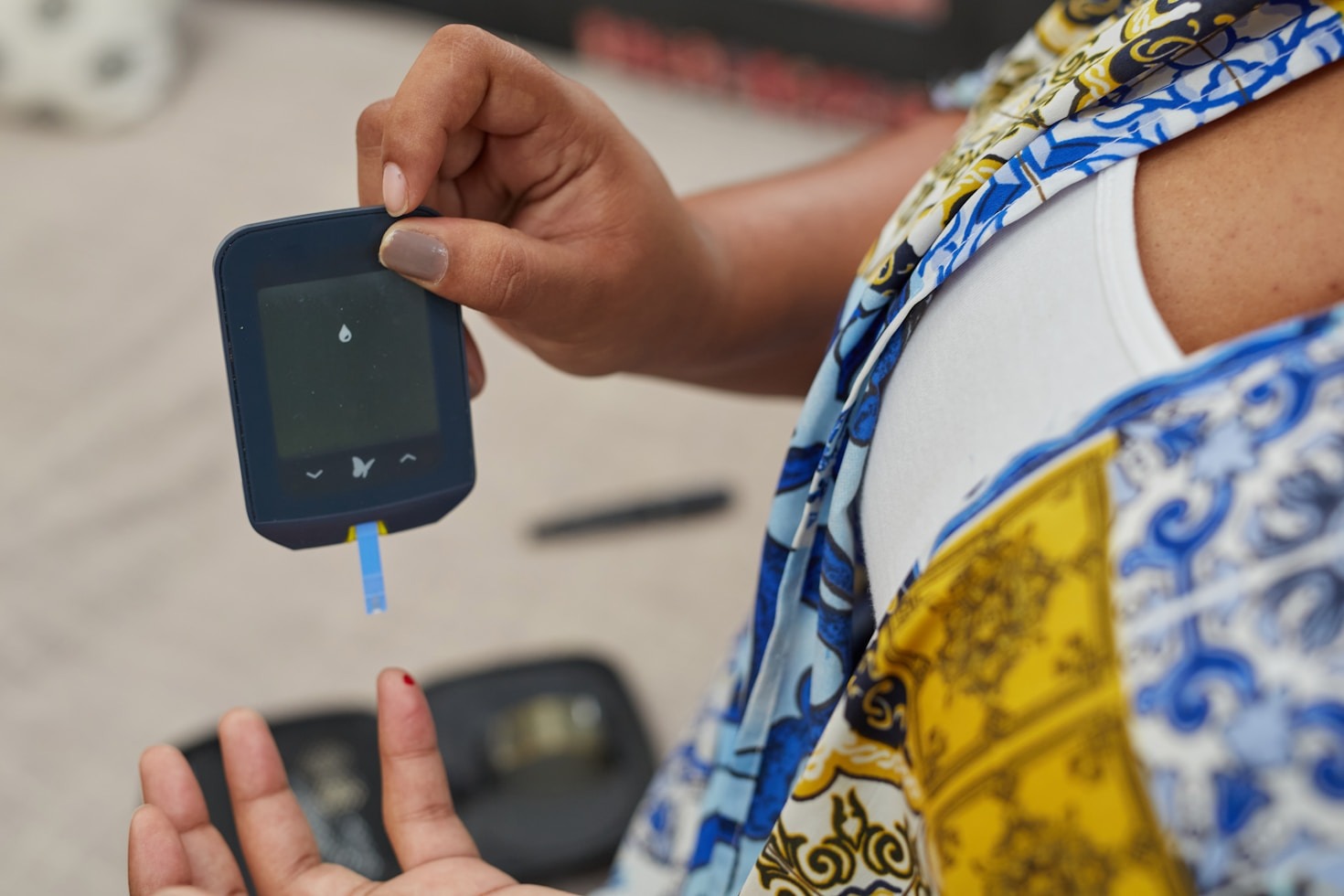
If any of these resonate with you, it may be a sign to evaluate your blood sugar levels and consider lifestyle changes. Remember, you’re not alone in this journey.
Coping Mechanisms for Stress and Anxiety
Finding ways to cope with stress and anxiety can be empowering. Here are a few strategies that many women find effective:
Deep Breathing Exercises: Simple and effective, deep breathing can relax the body and mind, helping lower stress levels.
Journaling: Writing down your thoughts can provide clarity and release pent-up emotions.
Talking it Out: Sharing your feelings with a friend or therapist can be incredibly beneficial.
Creative Outlets: Engaging in art, music, or crafts can distract and relax you.
Incorporating such practices into your daily routine can indeed lighten the emotional load you may be carrying.
Nutritional Tips to Stabilize Blood Sugar
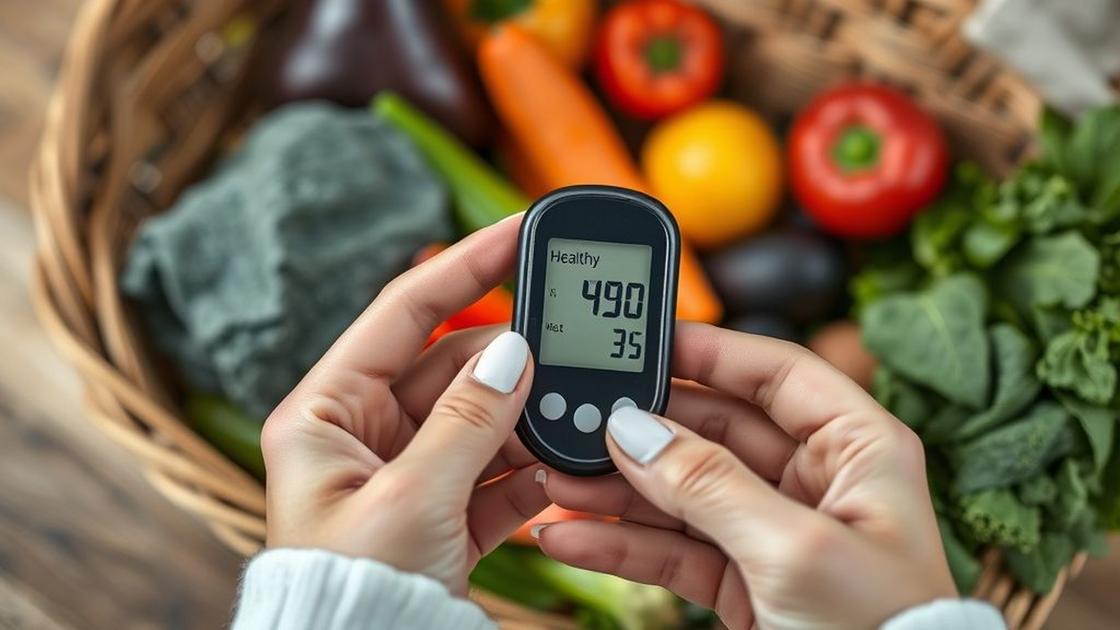
Your diet plays a significant role in managing blood sugar levels. Here are some nutritious tips that may help:
Balanced Meals: Include a mix of protein, healthy fats, and fiber in your meals to keep blood sugar steady.
Avoid Sugary Snacks: Replace refined sugars with healthier options like fruits and nuts.
Stay Hydrated: Drinking water helps manage blood sugar and combat fatigue.
Mind Your Portions: Eating smaller portions can help prevent spikes in blood sugar.
Making these dietary changes can not only benefit your blood sugar levels but also improve your overall mood and energy.
The Role of Exercise in Managing Anxiety
Regular physical activity is a powerful ally against stress and anxiety. When you exercise, your body releases endorphins, which can improve your mood and overall health. Here are some forms of exercise to consider:
Walking: A simple daily walk can clear your mind and enhance your mood.
Yoga: This combines physical movement with mental focus, which can calm anxiety.
Dancing: Whether in a class or at home, dancing can be a joyful way to lift your spirits.
Team Sports: Being part of a team can help build social connections, reducing feelings of isolation.
Finding an enjoyable way to stay active can greatly enhance your sense of well-being over time.
Mindfulness Practices for Stress Relief
Practicing mindfulness can be a transformative approach to managing anxiety. Being present in the moment helps shift focus away from stressors. Here are a few mindful strategies:
Meditation: Taking a few minutes each day to meditate can help cultivate peace and reduce anxiety.
Mindful Eating: Paying attention to what and how you eat can enhance your relationship with food.
Gratitude Journaling: Writing down things you are thankful for can shift your perspective and enhance positivity.
Nature Walks: Spending time outdoors is grounding and offers a chance to appreciate your surroundings.
Incorporating mindfulness into your life may help you regain control over feelings of anxiety and stress.
Seeking Support: Therapy and Community
Building a support system can be fundamental in managing anxiety and high blood sugar levels. Engaging with friends or seeking professional help can offer new perspectives. Here are some ways to seek support:
Therapy: A trained therapist can provide you with tools to cope with anxiety.
Support Groups: Connecting with others who share similar experiences can reduce feelings of isolation.
Family and Friends: Leaning on loved ones for support can be incredibly comforting.
Opening up about your challenges is often the first step in healing.
Success Stories from Women Who Overcame Challenges
Many women have faced the intertwining challenges of anxiety and high blood sugar and emerged stronger. For instance, a woman named Sarah struggled with anxiety and high blood sugar for years. Through therapy, dietary changes, and mindfulness practices, she was able to transform her life. Now, she speaks to other women facing similar struggles, sharing her journey and the tools that helped her regain her health.
Hearing such stories can be inspiring and reassuring. You are not alone. Others have walked this path, and it’s possible to find your way as well.
Your Path to a Healthier You: A Step-by-Step Guide
Creating a healthier lifestyle doesn’t have to be overwhelming. Here is a step-by-step approach you can start today:
Assess Your Current Situation: Take a moment to write down how you feel—both physically and emotionally.
Set Small, Achievable Goals: Start with manageable changes, like walking for 10 minutes each day.
Connect with Support: Reach out to a friend or join a local group to find community.
Implement Mindfulness: Try incorporating a few minutes of mindfulness exercises daily.
Monitor Your Progress: Keep track of your feelings, progress, and changes in your body.
Remember, small steps lead to big changes. It’s possible to improve your symptoms, just like countless other women have done before you. Embrace this journey of transformation and take a step today towards a healthier you. You’ve got this!