Are you feeling overwhelmed by anxiety and stress? You’re not alone. Many women over 30 struggle with these emotions, often without realizing how they may be affecting their blood sugar levels. Understanding the connection between anxiety, stress, and blood sugar can empower you to take control of your health. In this article, we’ll delve into this important topic to help you uncover the impact these feelings have on your wellbeing and provide you with hope and strategies to improve your situation.
Understanding Anxiety and Its Effects on Your Body
Anxiety is a common feeling that many women experience, especially as they navigate through life’s challenges. It’s that nagging sensation that can sneak up on you during stressful moments. This emotion can lead to physical symptoms like a racing heart, rapid breathing, and muscle tension. You might feel overwhelmed, restless, and even exhausted. Understanding how anxiety affects your body is the first step towards managing it effectively.
When you’re anxious, your body goes into a fight-or-flight mode. This physiological response can trigger a surge of adrenaline and cortisol, the body’s stress hormones. While this is a natural response, consistently high levels can lead to long-term health issues. It’s especially vital for women over 30 to recognize these signs, as hormonal fluctuations can exacerbate anxiety, creating a vicious cycle.
How Stress Impacts Blood Sugar Levels
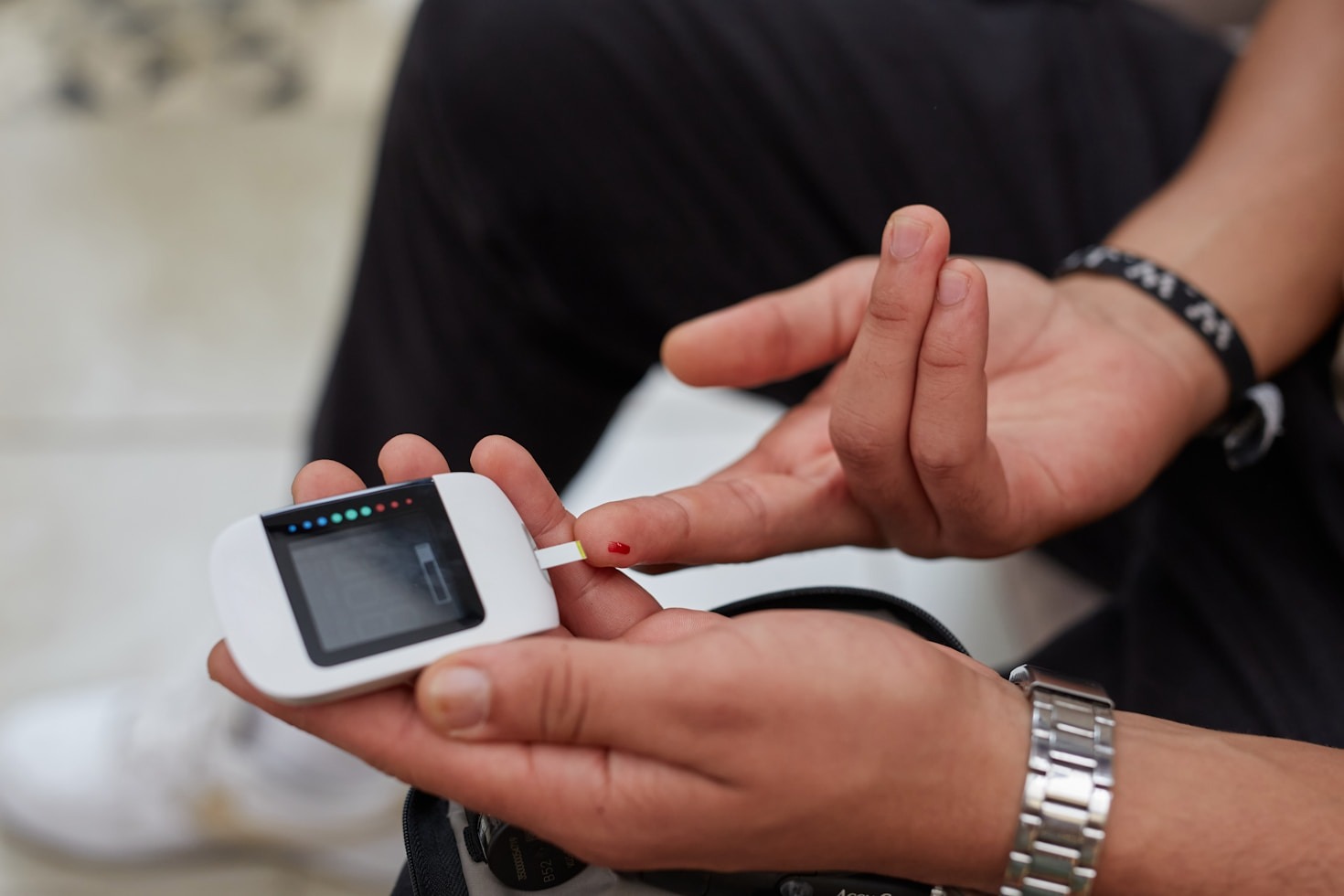
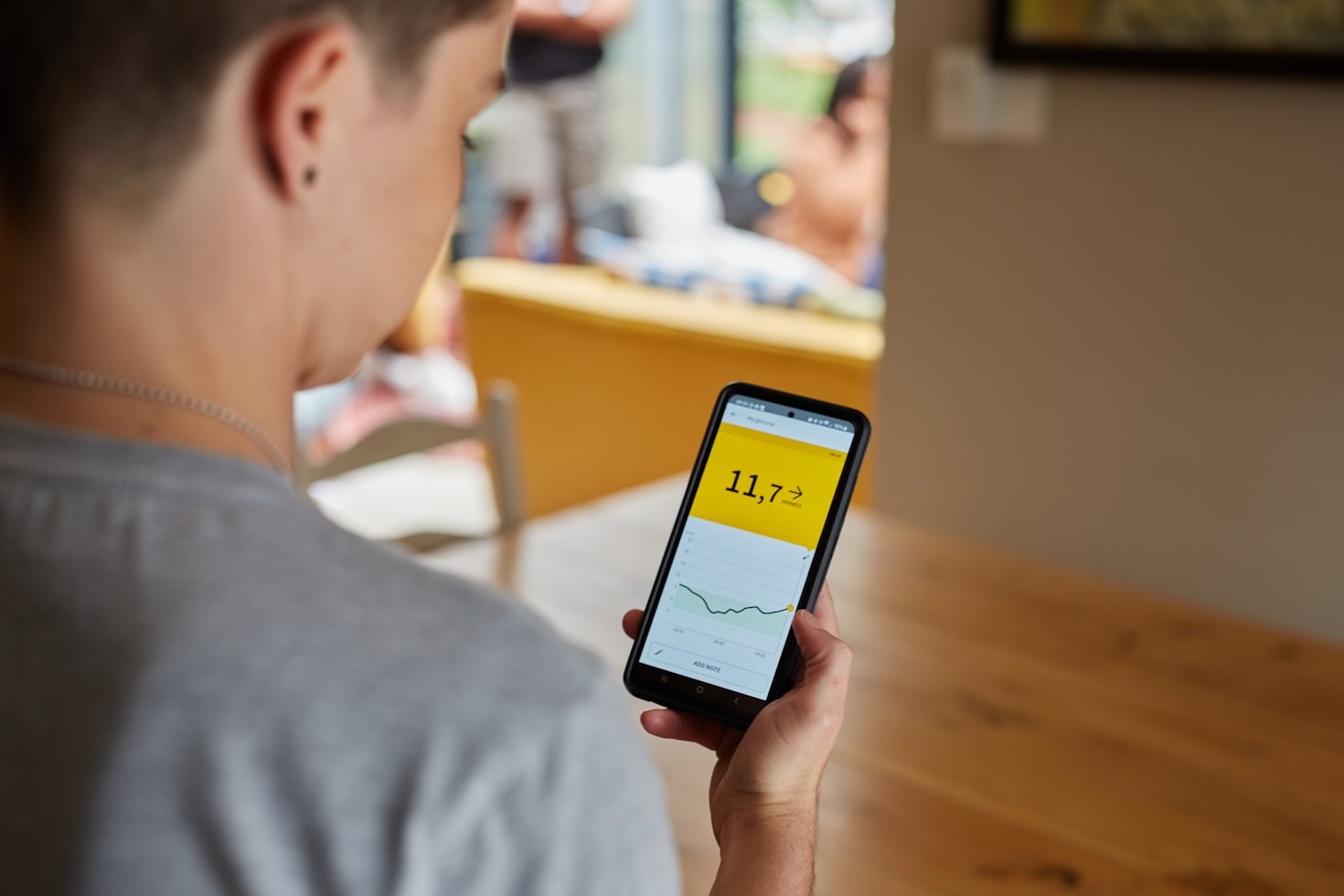
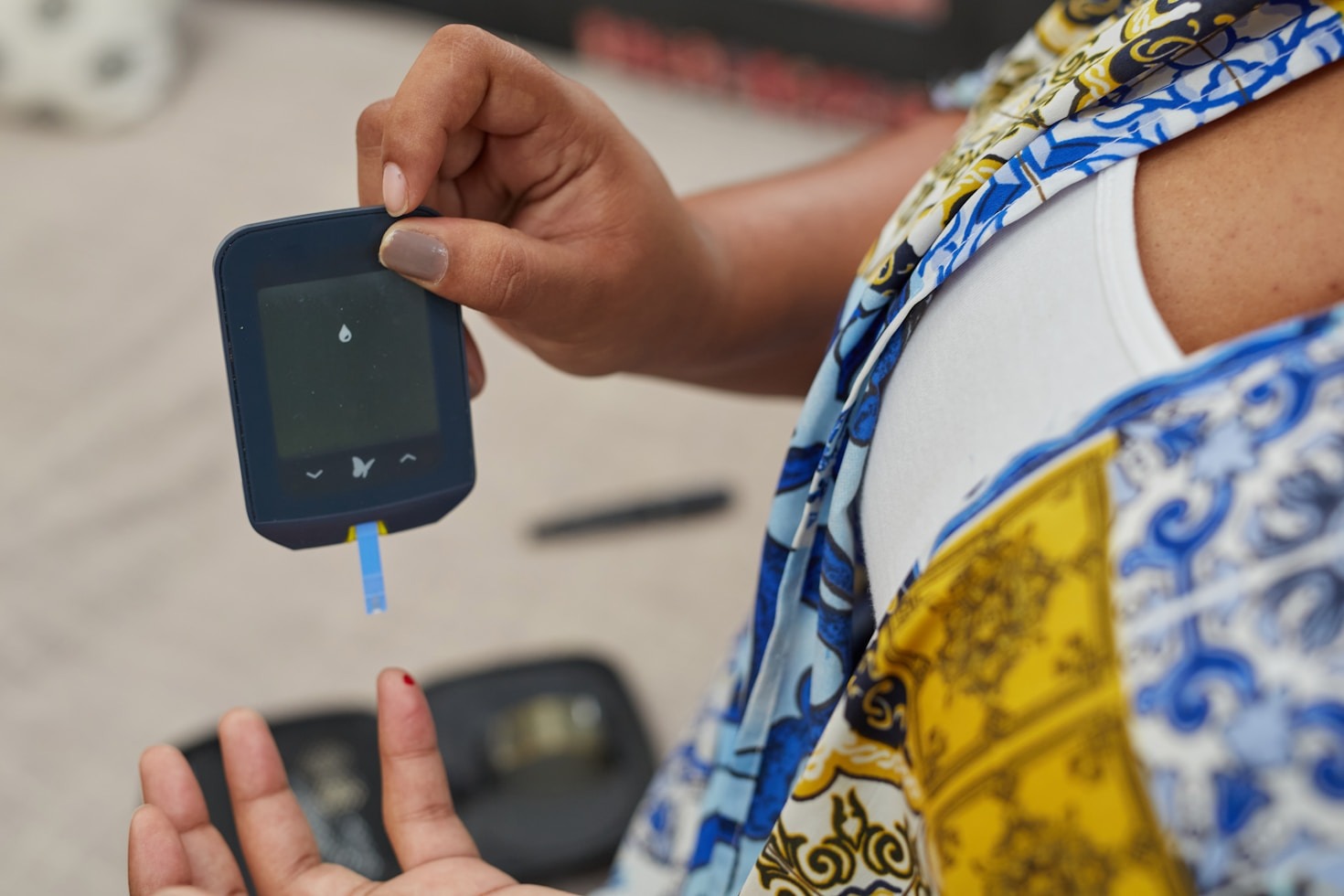
Stress doesn’t just zap your energy; it can also dramatically affect your blood sugar levels. When you’re stressed, the body releases hormones that signal the liver to release glucose into the bloodstream. This can lead to higher blood sugar levels, making it tough for some women to stabilize their energy throughout the day.
It’s essential to be aware of how your emotions play a role in your physical health. High blood sugar can lead to feelings of fatigue and irritability, creating a loop where you feel more anxious and stressed. It’s like a cycle that can be hard to break, but understanding the link helps in managing it effectively.
The Hidden Consequences of High Blood Sugar
High blood sugar, often linked to stress and anxiety, can carry several hidden consequences that might not be immediately clear. Over time, elevated blood sugar can lead to complications such as:
Fatigue: When your body struggles to use glucose effectively, you may feel more tired than usual.
Weight Gain: Elevated levels of insulin can promote fat storage, making it harder to maintain a healthy weight.
Increased Hunger: Fluctuating blood sugar can lead to more cravings, making it challenging to stick to healthy eating.
Mood Swings: The ups and downs of blood sugar can affect your mood, leading to irritability and anxiety.
Recognizing these consequences empowers you to take action. Acknowledging that anxiety and stress can create these symptoms is essential for forging a path to better health.
Recognizing the Signs of Anxiety and Stress
So how do you know if anxiety and stress are impacting your life? Some signs could be missed amidst the busyness of everyday life, but it’s crucial to stay attuned to your body. Common symptoms include:
Increased Heart Rate: Do you often feel your heart racing, even when at rest?
Difficulty Sleeping: Is insomnia becoming a regular occurrence for you?
Restlessness: Feeling unable to relax or stay still?
Concentration Issues: Struggling to focus on tasks that once seemed easy?
Being aware of these signs is a powerful first step. It’s okay to acknowledge that you’re not alone in this struggle — many women experience these feelings, and recognizing them can create a path towards healing.
Effective Strategies for Managing Anxiety
Managing anxiety doesn’t have to be overwhelming. Here are some effective strategies you can try:
Deep Breathing: Simple deep-breathing exercises can help calm your mind and lower your heart rate.
Physical Activity: Regular exercise can boost endorphins and reduce tension.
Talk It Out: Sharing your feelings with a trusted friend can provide relief and insight.
Avoid Caffeine: Caffeine can exacerbate anxiety, so consider swapping that coffee for herbal tea.
Small steps can lead to big changes. Remember, it’s about finding what works best for you.
Lifestyle Changes to Reduce Stress
Making slight shifts in your daily routine can significantly reduce stress levels. Consider integrating these lifestyle changes:
Stay Organized: A cluttered space can lead to a cluttered mind. Take time to organize your environment.
Set Boundaries: Learning to say no can protect your peace and help keep stress at bay.
Practice Gratitude: Jotting down things you’re thankful for enhances your emotional outlook.
Develop Hobbies: Engaging in activities you love can be a great stress reliever.
Making these changes can empower you to create a more balanced and serene lifestyle.
The Role of Diet in Blood Sugar Management
Your diet plays a crucial role in blood sugar management. What you eat can lead to fluctuations in blood sugar levels, which, in turn, can impact how you feel throughout the day. Focus on:
Whole Foods: Incorporate more fruits, vegetables, whole grains, and lean proteins.
Balanced Meals: Pair carbohydrates with protein and healthy fats to slow down sugar absorption.
Hydration: Drinking enough water can support overall health and energy levels.
Limit Processed Foods: These can spike blood sugar and contribute to mood swings.
Creating a mindful approach to eating can help you nourish your body and regulate blood sugar levels effectively.
Mindfulness and Its Benefits for Emotional Health
Mindfulness is a powerful practice that encourages living in the moment. By focusing on your breath and experiencing your thoughts without judgment, you can create a calm space in your mind. Benefits of mindfulness include:
Reduced Anxiety: Mindfulness helps to quiet the mind and reduce racing thoughts.
Increased Focus: It enhances your ability to concentrate on the tasks at hand.
Emotional Resilience: Practicing mindfulness can help you navigate challenges with grace.
Better Sleep: Mindfulness can improve sleep quality by calming the mind before bedtime.
Incorporating mindfulness into your daily routine can be a game-changer for emotional health.
When to Seek Professional Help for Anxiety
While self-help strategies can be incredibly effective, there may be times when you need professional support. Consider seeking help if:
Symptoms Persist: If anxiety is affecting your daily activities and relationships.
Feeling Overwhelmed: When coping strategies don’t provide relief.
Physical Symptoms Arise: If you’re experiencing significant fatigue or health issues related to stress.
Suicidal Thoughts: Always seek help immediately if you are having thoughts of self-harm.
Reaching out for support is a sign of strength. You deserve to feel better.
Empowering Yourself: Steps Towards Better Health
The journey to improved health and well-being is often filled with ups and downs. However, by conducting small, manageable changes in your lifestyle, you can start to see a difference. Remember, you’re not alone in this journey. Many women have faced similar challenges, and by empowering yourself with knowledge and support, you can take steps toward healing. You have the power within you to transform these struggles.
By committing to a step-by-step approach, you can discover solutions that will lead to a healthier, happier version of yourself. Embrace the journey to wellness; you’re worth it!