Have you experienced the emotional side effects of chronic blood sugar swings? For many women, these fluctuations can lead to intense feelings of fatigue, anxiety, and even frustration. Often, these feelings go unnoticed, silently taking a toll on your overall well-being. If you find yourself feeling overwhelmed, you’re not alone. Join us as we explore how rising and falling blood sugar levels can impact your emotions and daily life. Discover practical steps to regain your balance and improve your emotional health.
What Are Blood Sugar Swings?
Blood sugar swings refer to the sudden shifts in glucose levels that occur throughout the day. These fluctuations can be caused by various factors, including diet, stress, physical activity, and hormonal changes. When we consume food, particularly carbohydrates, our blood sugar levels rise, and the body releases insulin to help cells absorb glucose for energy. However, if insulin levels lag or overreact, this can lead to rapid changes in glucose levels, resulting in what we refer to as blood sugar swings.
For women, especially those over 30, managing blood sugar becomes increasingly crucial. As hormonal balances shift, such as during perimenopause or menopause, these swings can become more pronounced, affecting not just physical health but emotional well-being as well. Understanding how blood sugar works can empower you to regain control of your emotional state.
How Chronic Blood Sugar Levels Affect Emotions
Chronic blood sugar fluctuations can wreak havoc on your emotions. High blood sugar levels may lead to feelings of irritability, anxiety, and fatigue, while low blood sugar can cause mood swings, confusion, and even panic attacks. These emotional responses can create a vicious cycle, where stress and anxiety lead to poor dietary choices, further exacerbating blood sugar swings.
Many women experience increased anxiety and heightened feelings of frustration when their blood sugar consistently fluctuates. This can also lead to feelings of helplessness, especially if these issues lead to sleep disturbances or chronic fatigue. Understanding this connection between blood sugar and emotions is vital for taking proactive measures.
Recognizing the Signs of Emotional Distress
Being aware of the signs of emotional distress linked to blood sugar swings is the first step towards managing your feelings:
Frequent Mood Swings: You may find your emotions changing rapidly without clear reasons.
Increased Anxiety: Feeling overwhelmed or anxious about minor situations can become more common.
Fatigue and Low Energy: Constant tiredness can cloud your mindset, making it hard to feel positive.
Sleep Disruption: Difficulty falling or staying asleep can worsen emotional states.
Overeating or Craving Sugary Foods: This can create an unhealthy cycle of managing emotions with food.
Listening to your body is essential. If you notice these signs, it may be time to take a closer look at your eating habits and emotional health.
Understanding the Link Between Blood Sugar and Mood
It’s critical to recognize the biochemical processes behind this connection. When blood sugar is low, the body releases stress hormones such as cortisol and adrenaline. While these hormones can help to raise blood sugar levels, they also heighten feelings of anxiety and stress. Conversely, when blood sugar is high, the body may respond with feelings of fatigue, leading to further emotional distress.
This body-mind connection means that stabilizing blood sugar can help stabilize emotions too. Adopting a balanced diet rich in whole grains, proteins, and healthy fats can support this balance. It becomes more than just about food, as it directly influences how we feel each day.
Practical Tips for Managing Blood Sugar Fluctuations
Managing blood sugar levels can also boost emotional stability. Here are some practical tips to consider:
Eat Balanced Meals: Aim for meals that include protein, healthy fats, and fiber. This combination can slow digestion and prevent sharp spikes in blood sugar.
Stay Hydrated: Drinking water can help maintain blood sugar levels and improve overall mood.
Incorporate Regular Exercise: Even a short walk can help; physical activity is known to enhance mood and combat fatigue.
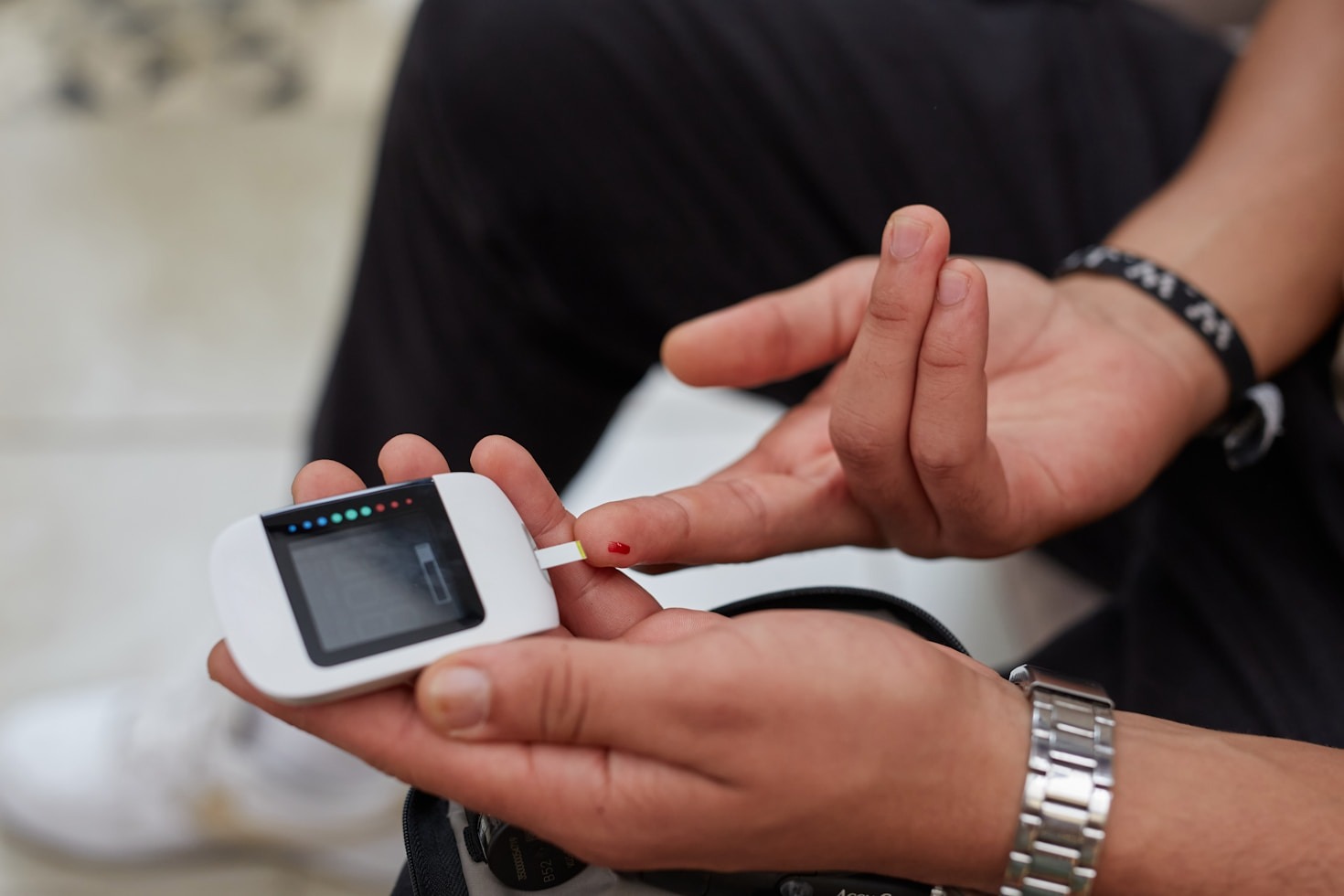
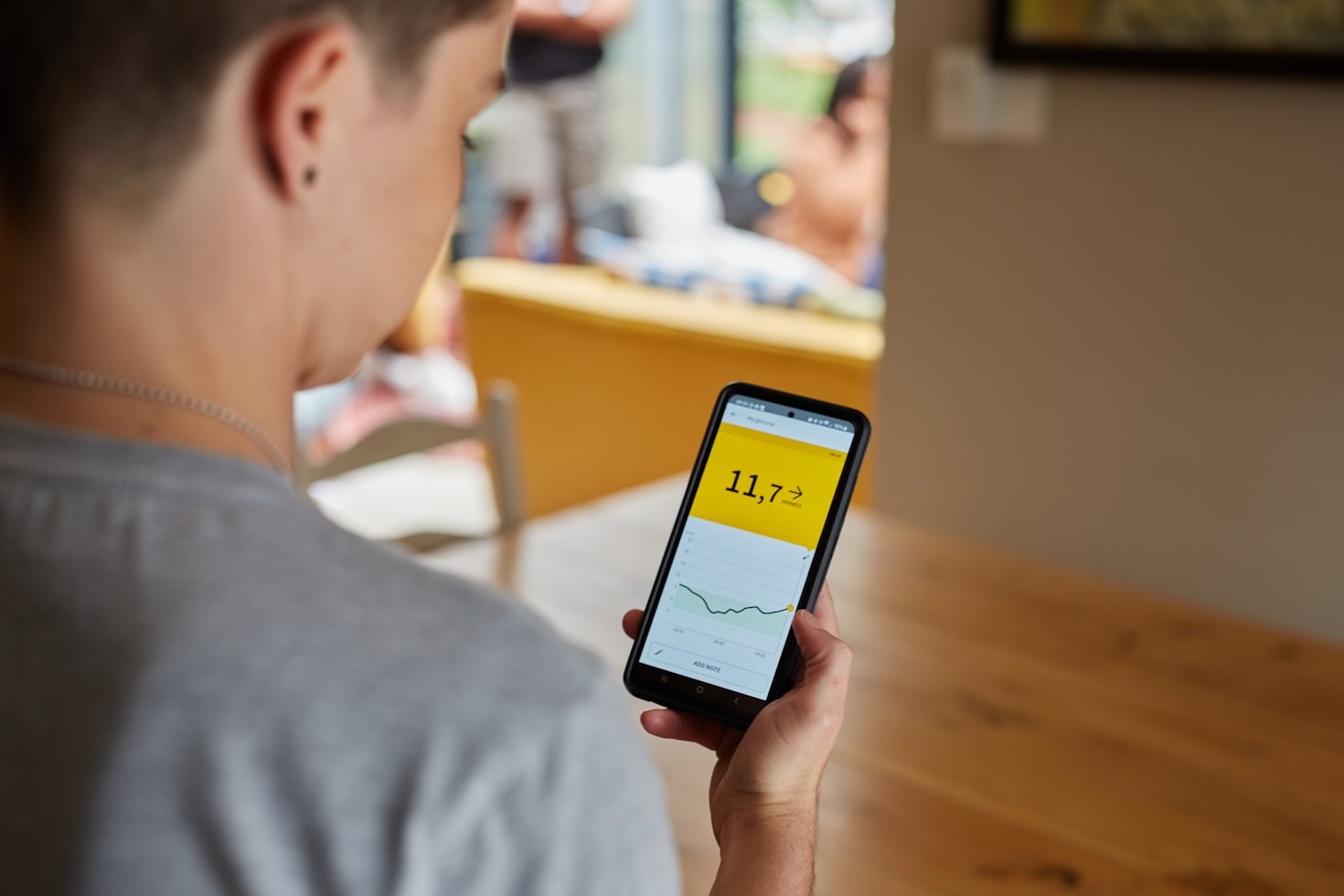
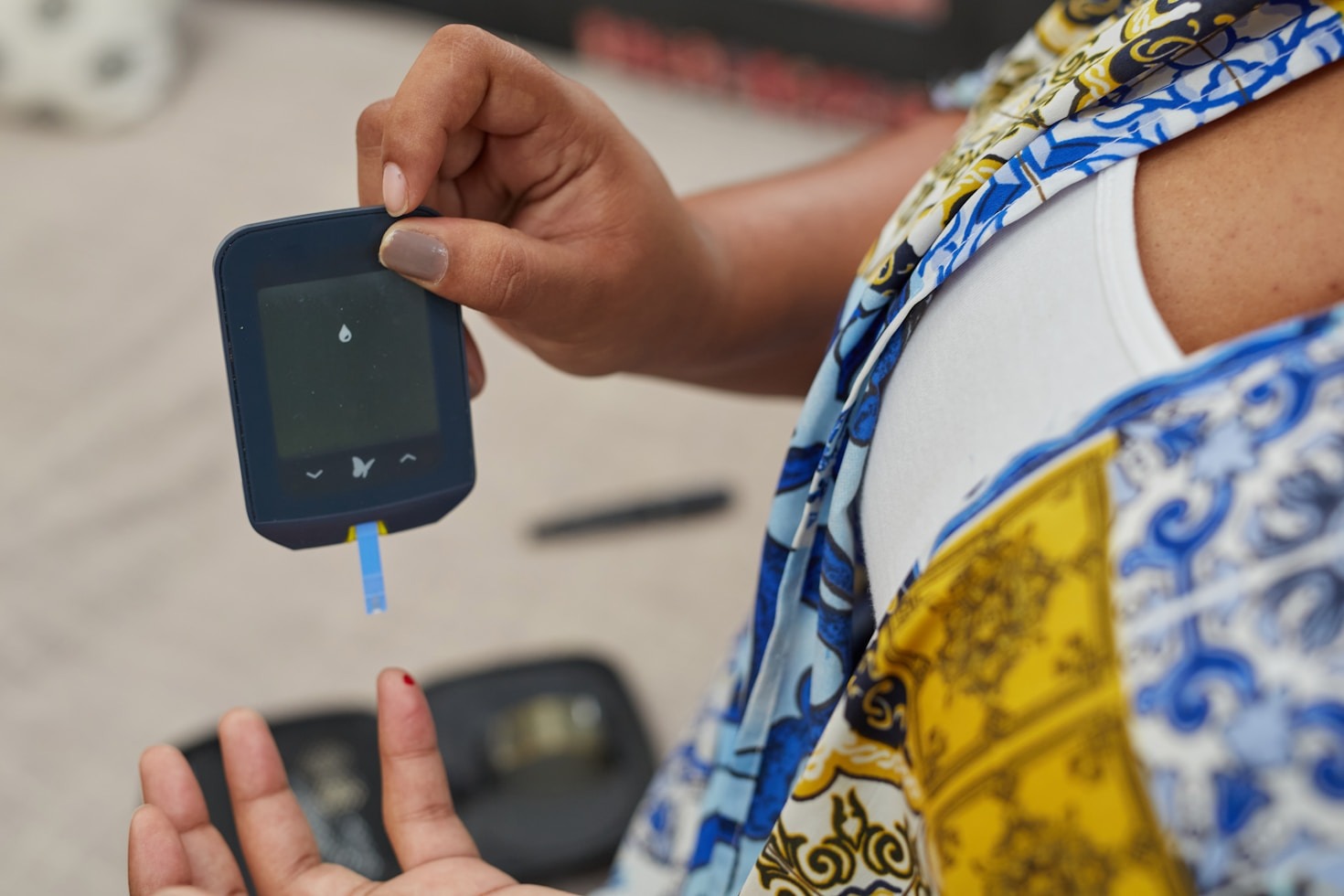
Monitor Your Levels: Keeping a journal can help you see patterns in your blood sugar levels in relation to your emotions.
Avoid Sugary Snacks: While tempting, sugary snacks can lead to rapid blood sugar swings. Opt for healthy, satisfying alternatives instead.
Implementing these tips may take some time, but the benefits on your emotional and overall health can be significant.
Empowering Women: Sharing Personal Stories
Many women have faced the silent struggle of managing their emotional health alongside blood sugar fluctuations. Stories of transformation can inspire and motivate others who might feel alone in their journey. For instance, Sarah, a 35-year-old mother, discovered that her anxiety peaks coincided with her blood sugar highs and lows. After making conscious dietary changes, she shared her success in feeling more stable emotionally, which allowed her to engage better with her family.
Sharing experiences not only builds community but also serves as a reminder that you’re not alone in facing these challenges. Others understand and can offer support, tips, or just a listening ear during tough times.
The Impact on Daily Life and Relationships
Chronic blood sugar swings can extend beyond personal feelings and affect daily life and relationships. When emotions run high, communication may suffer, leading to misunderstandings with loved ones. You might feel less patient, withdrawn, or irritable—traits that strain relationships.
Working on blood sugar management can lead to better emotional control, allowing for more open communication and a more genuine connection with those around you. It empowers you to show up fully for your family and your friends, nurturing the relationships that matter.
Creating a Supportive Environment for Change
Creating an environment that supports change can dramatically enhance your journey. Consider the following:
Communicate Needs: Share your struggles with those close to you; they can provide encouragement and understanding.
Set Up Healthy Spaces: Stock your kitchen with healthy foods and create a meal plan that supports your goals.
Find Accountability: Whether through support groups, friends, or family, having someone to share your journey with can make a significant difference.
Be Kind to Yourself: Remember that change takes time. Celebrate small victories along the way.
A supportive environment fosters growth and can help in managing not only blood sugar but also emotional health.
Simple Strategies to Boost Your Emotional Well-being
In addition to managing blood sugar, focusing on emotional health is equally important. Here are some strategies that can uplift your spirits:
Practice Mindfulness: Engaging in meditation or deep-breathing exercises can reduce stress and promote emotional balance.
Stay Connected: Reach out to friends or join groups that share your interests; social support is essential.
Engage in Hobbies: Investing time in activities you love can bring joy and distraction from stress.
Prioritize Sleep: Good sleep hygiene can significantly improve mood, energy, and overall well-being.
Seek Professional Help: If needed, don’t hesitate to reach out to a counselor or health professional.
By cultivating emotional well-being, you add another layer of support to your physical health journey.
Finding Hope: A Path to Emotional Balance
The journey to emotional balance is not always easy, especially when dealing with chronic blood sugar swings. However, it is entirely possible. By understanding the connection between blood sugar and emotions and taking steps to manage both, you can transform your life.
Remember, other women have faced similar challenges and found success in managing their symptoms. You are not alone, and with determination, you can improve your emotional and physical health. Each step taken towards better health is a step towards empowerment.
Stay encouraged and curious about what works best for your body and mind. By taking simple, affirmative steps, you can reclaim control over both your blood sugar and emotional state, paving the way for a joyous, fulfilling life.