Are you feeling overwhelmed by stress, affecting your emotional health and glucose stability? You’re not alone. Many women over 30 face challenges like fatigue, anxiety, and sleepless nights that can disrupt their health. Understanding how to manage stress effectively is crucial for achieving balance and emotional well-being. In this article, we will explore tips and strategies specifically designed to help you minimize stress and keep your glucose levels stable, empowering you to embrace life fully.
Understanding the Connection Between Stress and Glucose Levels
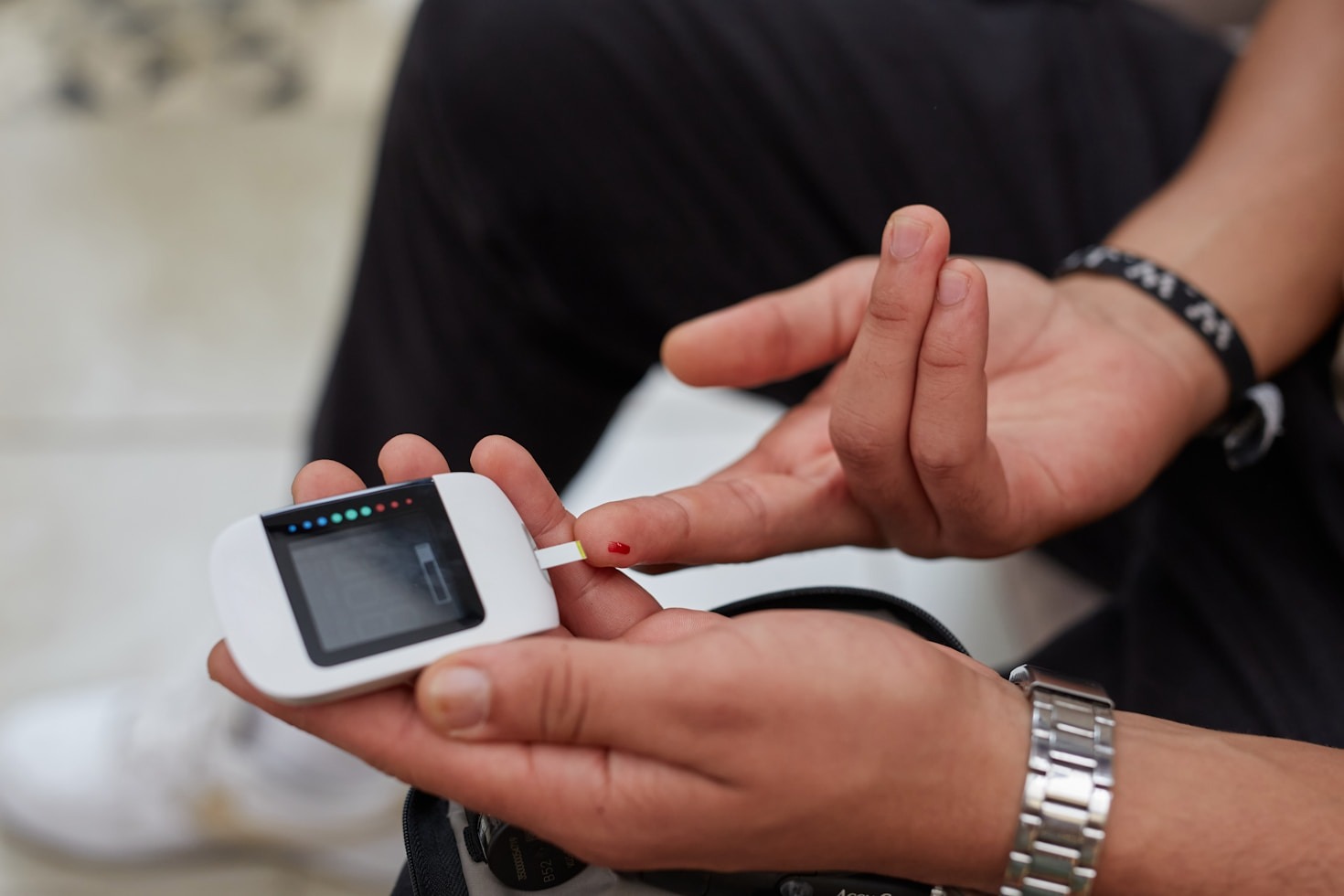
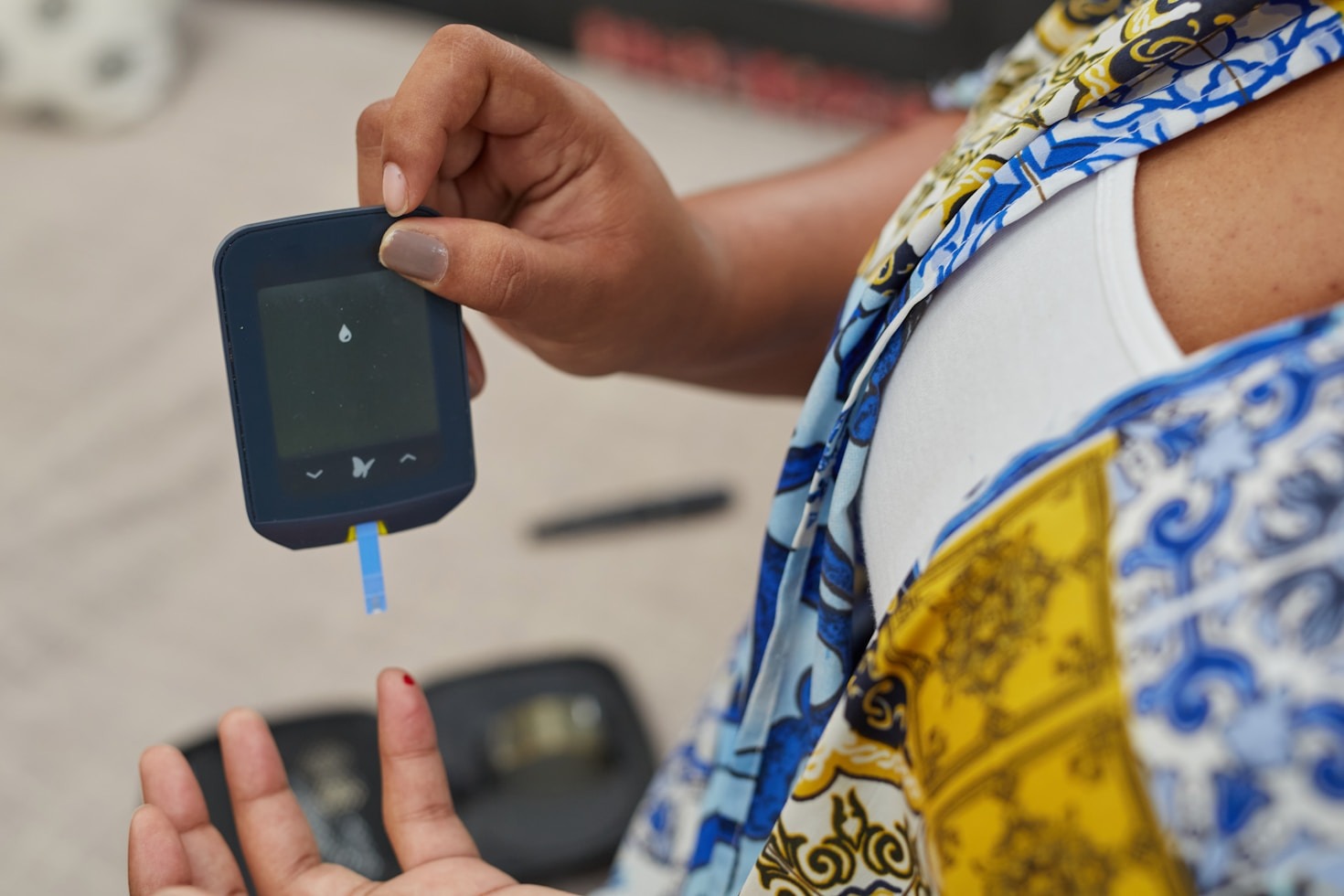
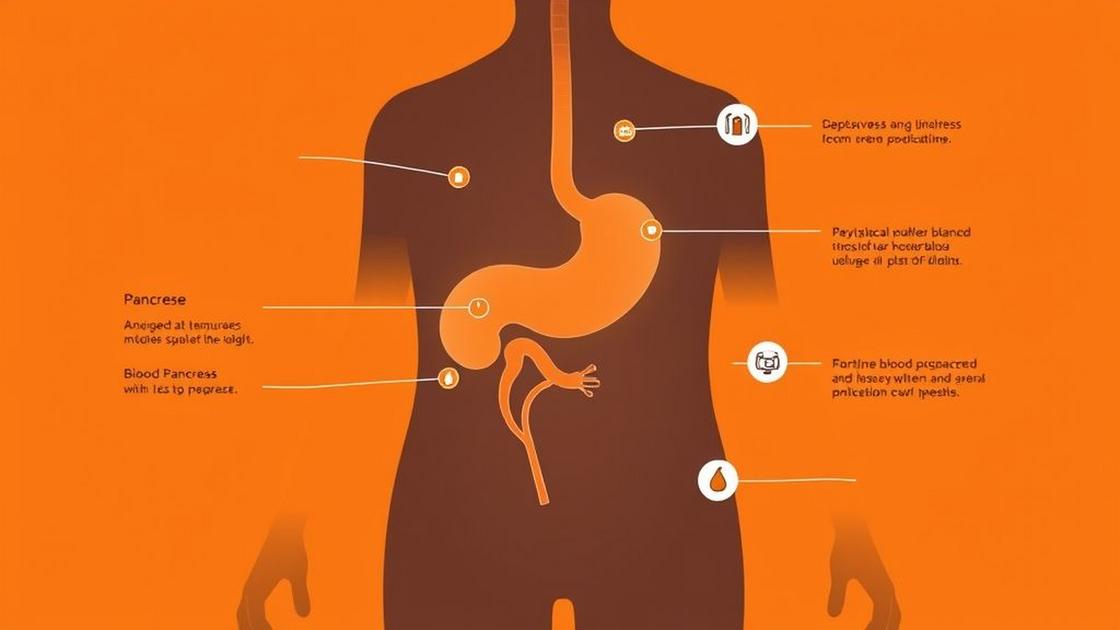
Stress can have a big impact on our health, especially for women over 30. When we feel stressed, our bodies release hormones like cortisol and adrenaline. These hormones can raise blood sugar levels, making it harder to maintain stable glucose. This is especially important because unstable glucose can lead to feelings of fatigue, irritability, and anxiety.
When our blood sugar spikes and drops, it can create a cycle of stress and poor health. You might feel energized one minute and then drained the next, leading to mood swings and emotional upheaval. Learning to manage stress effectively can help keep your glucose levels stable and make you feel more balanced emotionally.
Why Women Over 30 Are More Prone to Stress
After the age of 30, many women experience hormonal changes due to menstrual cycles, pregnancy, and menopause. These changes can lead to increased stress. You might also juggle work, family, and personal life, which can feel overwhelming.
Our societal expectations often put pressure on women to “do it all,” leading to heightened stress levels. This pressure can create feelings of being stretched too thin. Recognizing that this is a common struggle can be a relief in itself, as it helps you understand that you’re not alone.
The Role of Emotional Health in Glucose Management
Your emotional health plays a big role in how well your body manages glucose. Stress and anxiety can lead to unhealthy habits, such as emotional eating or neglecting exercise. These behaviors can cause your blood sugar to become even more unstable.
Good emotional health, on the other hand, helps you make better choices for your well-being. When you feel emotionally stable, you’re more likely to eat nutritious foods and engage in physical activity. Practicing stress management techniques fosters emotional resilience, making you better equipped to handle daily challenges.
Simple Breathing Techniques to Alleviate Stress
One of the easiest ways to manage stress is through deep breathing. Try the following technique:
Find a comfortable position: Sit or lie down in a quiet space.
Inhale deeply: Breathe in slowly through your nose for a count of four.
Hold your breath: Keep the air in for a count of four.
Exhale gently: Release the breath slowly through your mouth for a count of six.
Repeat this cycle for a few minutes. Focus on the sensations in your body as you breathe. This simple exercise can help calm your mind and lower stress levels, leading to more stable glucose levels.
Mindfulness Practices for a Balanced Emotional State
Mindfulness is about being present in the moment and can greatly benefit emotional health. Here are some practices you can include in your daily routine:
Journaling: Write your thoughts and feelings to process emotions better and reduce stress.
Guided Meditation: Listen to meditation apps or videos to help center your mind.
Nature Walks: Spend time outdoors, paying attention to the sights and sounds around you.
Incorporating these practices can shift your mindset and help alleviate stress, contributing to balanced emotional health and better glucose management.
Nutrition Tips for Stable Glucose and Lower Stress
What you eat can also affect your stress levels and blood sugar. Here are some key nutritional tips:
Focus on Whole Foods: Include plenty of fruits, vegetables, whole grains, and lean proteins in your diet.
Stay Hydrated: Drink enough water throughout the day to help keep your body functioning smoothly.
Avoid Processed Foods: Limit sugar and refined carbohydrates, as these can cause blood sugar spikes.
Making mindful food choices not only stabilizes glucose levels but also helps reduce stress, providing you with sustained energy and emotional stability.
The Power of Exercise in Stress Reduction
Physical activity is another powerful tool for stress management. Regular exercise can boost your endorphins, that feel-good hormone, leading to less stress and anxiety. Here are some suitable activities for your routine:
Walks: A brisk walk can quickly elevate your mood.
Yoga: This practice combines physical movement with deep breathing.
Dancing: Fun and expressive, dancing can elevate your spirits and serve as great cardio.
Finding an activity you enjoy makes it easier to stick with, contributing to not just stress reduction but overall emotional and physical health.
Creating a Supportive Environment for Emotional Health
Your environment significantly affects your emotional health. A supportive atmosphere allows for personal growth and stress reduction. Here are a few tips:
Connect with Supportive People: Surround yourself with friends and family who uplift you.
Declutter Your Space: A tidy space can create a peaceful mind.
Create a Routine: Having structure in your day can help manage expectations and reduce stress.
These simple adjustments can transform your environment and positively affect your emotional health.
Establishing Healthy Sleep Habits for Better Resilience
Sleep is crucial for both physical and emotional health, especially in managing stress. Here are ways to promote better sleep:
Set a Sleep Schedule: Go to bed and wake up at the same time every day.
Create a Relaxing Bedtime Routine: Engage in calming activities like reading or gentle stretches.
Limit Screen Time: Avoid electronic devices at least an hour before bed.
A good night’s sleep enhances resilience against stress, helping you to manage glucose levels and emotional health more effectively.
Finding the Right Stress Management Techniques That Work for You
Everyone is different, so it’s essential to find stress management strategies that resonate with you. Some may prefer relaxation techniques, while others might thrive through physical activity. Take the time to explore different methods—like journaling, meditation, or exercise—to discover what feels best in your journey.
Remember, improving your emotional health and stabilizing your glucose levels is achievable. Others have walked this path before you, finding solutions that work. You can too! Embrace the journey and take the first step toward a healthier, more balanced life today!