Are you feeling overwhelmed by the demands of life? Stress management for stable glucose and emotional health is more crucial than ever, especially for women over 30. Balancing work, family and personal time can leave you fatigued and anxious. But you are not alone! Many women share these challenges, from sleepless nights to mood swings that can disrupt your daily life. In this article, we will explore practical strategies to help you gain control over your stress levels.
Understanding the Link Between Stress and Blood Sugar
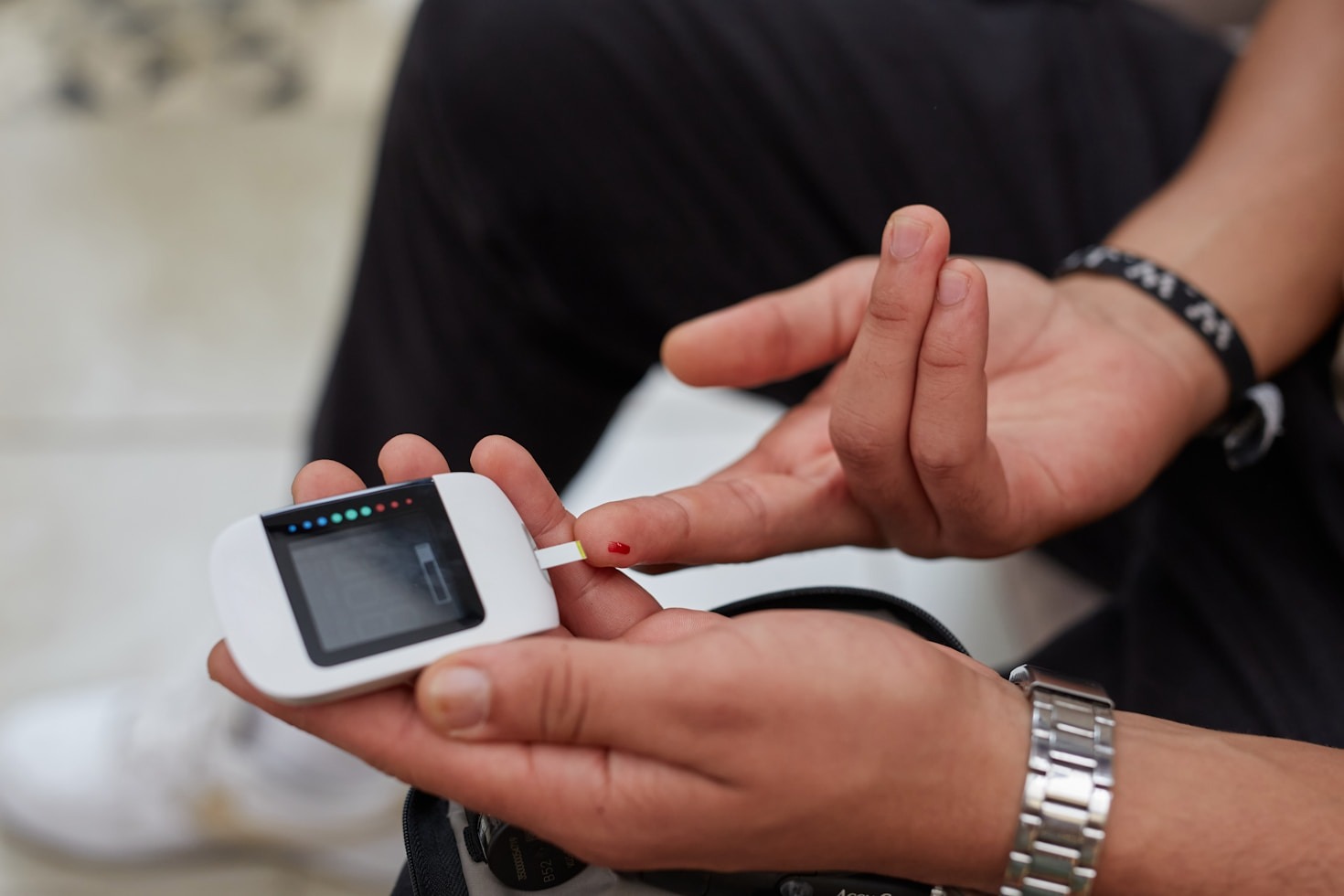
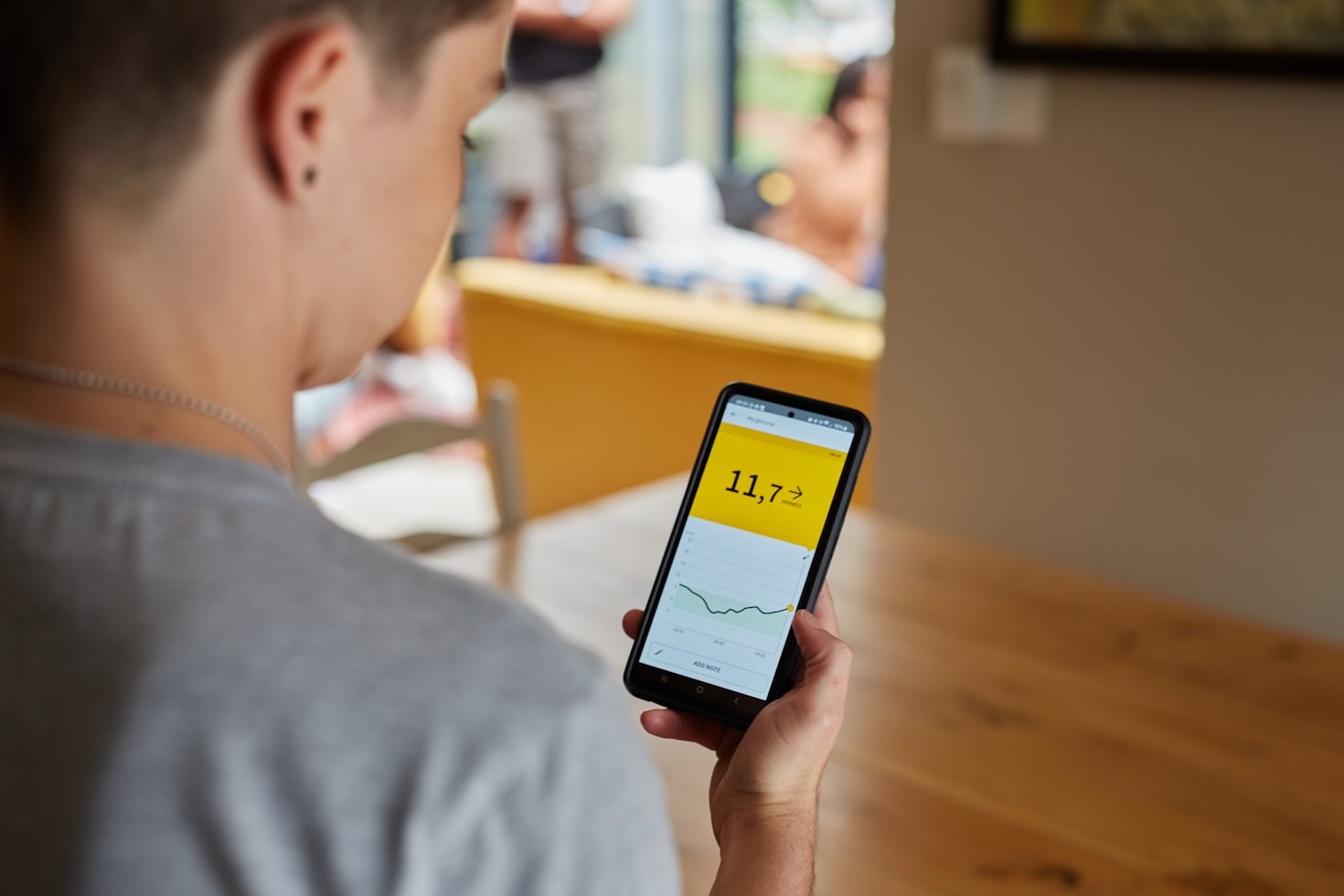
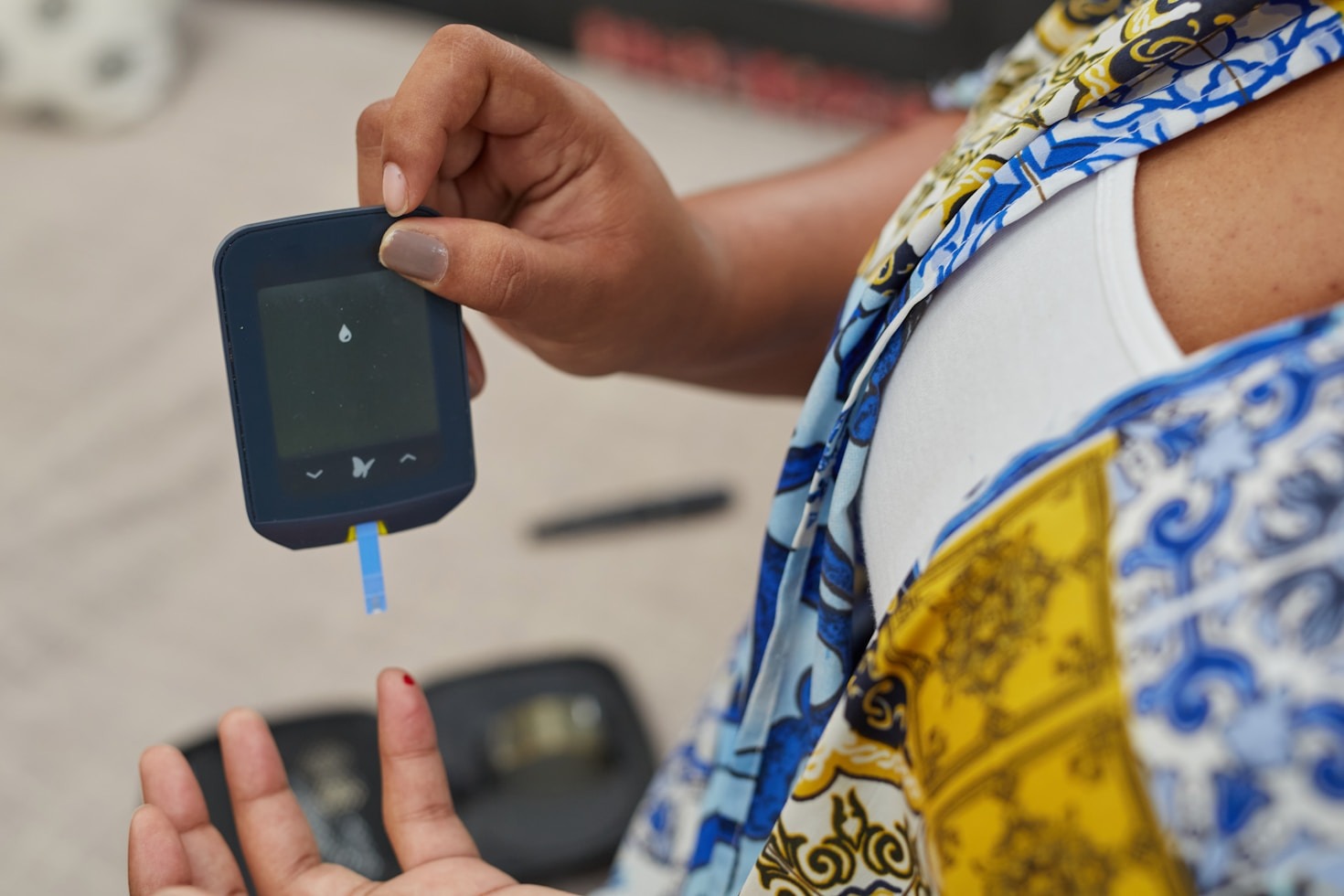
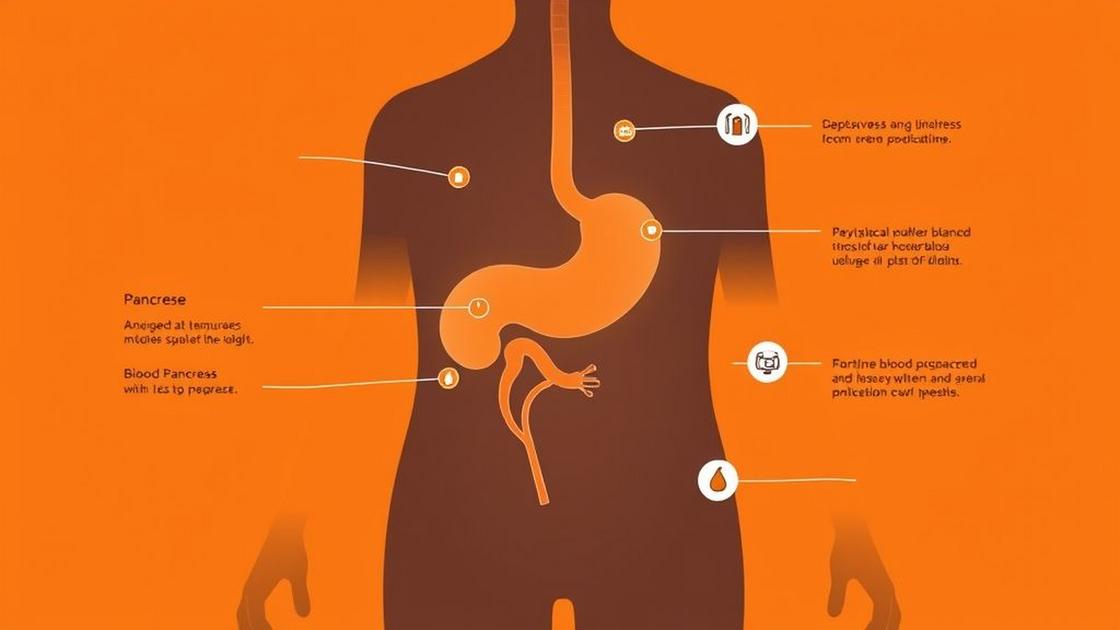
Stress can have a huge effect on blood sugar levels. When you feel stressed, your body produces hormones like cortisol and adrenaline. These hormones prepare your body to react to challenges but can also spike your blood sugar levels. Over time, this becomes a problem, especially for women over 30 who may already be dealing with changes in their metabolism.
When stress becomes chronic, it can lead to problems like insulin resistance and type 2 diabetes. This is why managing stress is not just about feeling better emotionally – it’s also about maintaining a healthy body. Your emotional health and physical health are deeply connected.
Common Stressors Affecting Women Over 30
As women enter their 30s and beyond, they often wrestle with various stressors:
Career Pressures: Many women feel the need to excel in their careers while balancing family responsibilities.
Family Responsibilities: Juggling the needs of children, spouses, and aging parents can be overwhelming.
Body Changes: Hormonal changes, fatigue, and the desire to maintain a healthy lifestyle can lead to stress and anxiety.
Relationship Strain: The dynamics in relationships might shift, leading to feelings of isolation or conflict.
Identifying these stressors is the first step to addressing them. Acknowledging that these feelings are normal can help lessen their impact.
Natural Ways to Manage Stress Daily
Finding natural ways to manage stress can lead to better physical and emotional health. Here are some ideas:
Deep Breathing: Taking a few moments to practice deep breathing can calm your mind and lower stress hormones.
Journaling: Writing down your thoughts and feelings provides a release, helping you organize and reflect on your experiences.
Nature Walks: Spending time outdoors can significantly improve your mood and reduce anxiety.
Quality Time: Connecting with friends and family can boost your spirits and provide a support system.
Integrating these practices slowly into your routine can create lasting improvements in your emotional and physical health.
The Role of Nutrition in Emotional Health
Nutrition plays a vital role in how you feel both physically and emotionally. Eating well can help stabilize your blood sugar levels and improve your mood. Consider these tips:
Balanced Meals: Focus on meals that combine protein, healthy fats, and whole grains.
Hydration: Drink plenty of water; even mild dehydration can contribute to mood swings.
Limit Sugars: High sugar intake can lead to blood sugar spikes, affecting your mood and energy levels.
Embrace Whole Foods: Fruits, vegetables, nuts, and seeds provide essential nutrients that support brain health.
Small dietary changes can yield powerful results, influencing both your emotional state and your overall health.
Exercise: A Powerful Tool for Stress Relief
Exercise is a well-known stress reliever. It releases endorphins, the body’s natural feel-good chemicals. Regular physical activity is crucial, especially for women over 30:
Consistency: Aim for at least 30 minutes of exercise most days of the week, whether it’s walking, dancing, or yoga.
Find Joy: Choose activities you enjoy – this makes it easier to stick with them.
Socialize: Exercise can be more fun with friends, so consider group classes or team sports.
Exercise not only helps in managing stress but also improves your overall health, making you feel stronger and more empowered.
Mindfulness and Its Benefits for Stress Management
Mindfulness is about being present and fully engaging with the moment. It can be an effective tool for women facing stress:
Meditation: Spend a few minutes each day in meditation to center yourself and relieve anxiety.
Mindful Breathing: Focus on your breath during stressful times to ground yourself.
Body Scanning: This technique involves paying attention to different parts of your body to identify tension, promoting relaxation.
Mindfulness helps you develop a deeper understanding of your emotions, allowing for better management of stress.
Creating a Supportive Environment at Home
Your home environment influences your emotional health. A supportive space can help promote relaxation and reduce stress:
Declutter: A tidy, organized space can lead to a clearer mind.
Create a Sanctuary: Designate a space in your home for relaxation or hobbies where you can unwind.
Positive Decor: Surround yourself with uplifting items, like plants and photos that make you smile.
Making your home a comfortable and supportive environment can greatly enhance your emotional well-being.
When to Seek Professional Help for Stress
Sometimes, stress can be too much to handle alone. It’s important to recognize when to seek help:
Persistent Symptoms: If feelings of stress, anxiety, or sadness persist despite trying self-care methods, consider reaching out for help.
Impact on Daily Life: If stress affects your daily activities, relationships, or physical health, it may be time to consult a professional.
Talking Helps: Discussing your feelings with a therapist can provide new insights and coping strategies.
Professional guidance can make a significant difference in managing long-term stress effectively.
Success Stories: Women Who Transformed Their Lives
Many women have successfully managed their stress and improved their emotional health. Here are a couple of inspiring stories:
Emma: After years of feeling overwhelmed, Emma started journaling and found clarity in her emotions. She now enjoys spending time outdoors, which helps her manage her stress.
Sophia: Overwhelmed by career demands and family life, Sophia began practicing mindfulness. She reports feeling more in control and less anxious, positively affecting her relationships.
These stories remind us that change is possible. With dedication and the right strategies, you too can embark on your journey towards a healthier life.
Your Journey Towards a Healthier, Balanced Life
It is entirely possible to overcome the silent battles many women face with the right methods and support. Each small step you take towards managing your stress can lead to significant positive change. Remember, as you explore various strategies, you’re not alone. Others have walked this path and found their way to a balanced life.
Take it one step at a time; there are solutions waiting for you just around the corner. Discover how you can transform your life and embrace a healthier, more fulfilling existence like many women have done before you.