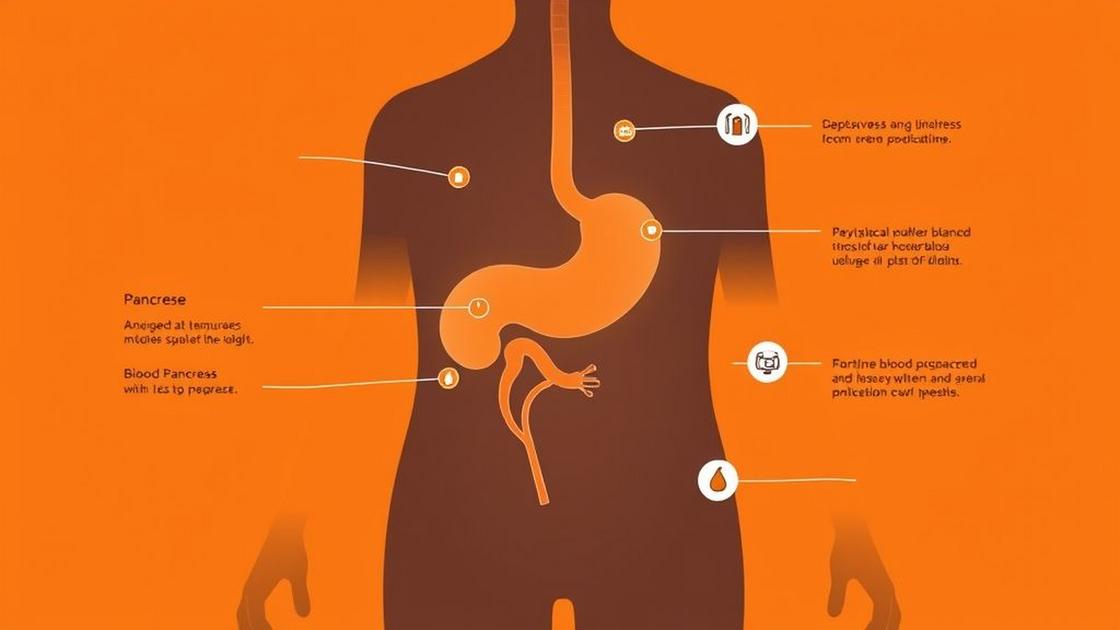
Are you feeling constantly tired, anxious, or on edge? Understanding the difference between stress and sugar imbalance can be the first step toward feeling better. Many women over 30 face these silent struggles, juggling daily responsibilities while battling fatigue and hormonal shifts. It’s easy to dismiss these feelings, but recognizing their root causes can lead to transformative changes. Let’s dive deeper into understanding how these two factors affect your life and create a path to improved health and vitality.
What is Stress and How Does It Affect Us?
Stress is a natural response of the body to challenges or threats. It activates the body’s fight-or-flight response, leading to a rush of hormones like adrenaline and cortisol. While stress can be helpful in small doses, helping us stay focused and energized, chronic stress can wear us down. This is especially true for women over 30 who often juggle various responsibilities—careers, families, and personal health.
When stress becomes persistent, it can lead to multiple health issues like fatigue, insomnia, and even hormonal imbalances. You may feel overwhelmed or anxious, struggling to cope with daily tasks. Recognizing how stress affects your body is crucial to managing your overall health.
Understanding Sugar Imbalance: Signs and Symptoms
Sugar imbalance refers to the body’s inability to maintain balanced blood sugar levels. This condition can cause a range of symptoms that might be mistaken for stress. Some signs include:
Cravings: Strong urges for sugary foods or carbohydrates.
Difficulty Concentrating: A foggy mind that makes it hard to focus.
Emotional Ups and Downs: Sudden mood swings that can leave you feeling irritable.
Understanding these symptoms is essential, as they can often overlap with those of stress. When your body struggles with sugar regulation, it can intensify feelings of stress and anxiety.
The Connection Between Stress and Diet
Stress often leads to unhealthy eating patterns. Many women find comfort in foods high in sugar and fat during stressful times. These comfort foods provide a temporary sense of relief but can lead to a cycle of sugar highs and crashes. Over time, this behavior can create a negative relationship with food.
When under stress, your body craves quick energy sources. High-sugar foods may provide that burst, but they can also lead to subsequent drops in energy and mood, which can exacerbate feelings of stress.
How Stress Influences Sugar Levels
The relationship between stress and sugar levels is complex. Stress can lead your body to release hormones that increase blood sugar levels, creating an interesting interplay. When under stress, the body releases cortisol, which can raise blood sugar to prepare for immediate action. However, continuous stress means continuous high blood sugar, which is not healthy.
For women over 30, this can mean that chronic stress may contribute to conditions like insulin resistance, making it harder to maintain a healthy lifestyle and leaving you feeling trapped in a cycle of imbalance.
Recognizing Overwhelm: Stress vs. Sugar
It can often be challenging to distinguish between the effects of stress and sugar imbalance. Being overwhelmed by daily life can make your body react in ways that feel similar to sugar crashes. Pay attention to the timing of your symptoms. Do you feel more fatigued after sugary meals or during stressful hours? Recognizing these patterns is key to your journey toward better health.
Keep a journal to note how you feel after different meals or stressful events. This self-awareness can empower you to make healthier choices and avoid triggers that lead to imbalances.
Natural Ways to Balance Stress and Sugar
Finding balance involves a mix of lifestyle adjustments and mindful practices. Here are some natural ways to manage stress and stabilize sugar levels:
Regular Exercise: Engage in physical activities like yoga or walking to release stress and regulate blood sugar.
Balanced Meals: Focus on having a well-rounded diet with proteins, healthy fats, and complex carbohydrates.
Stay Hydrated: Drinking water helps in keeping your body hydrated and functioning effectively.
Ditch Sugary Snacks: Opt for healthier snacks like nuts or fruits to satisfy cravings without the sugar crash.
These simple adjustments can help you regain control over your health and well-being.
The Role of Nutrition in Stress Management
Nutrition plays a vital role in managing both stress and sugar levels. Eating a balanced diet helps stabilize blood sugar and provides the necessary nutrients your body needs to cope with stress effectively. Incorporate foods rich in omega-3 fatty acids (like salmon), leafy greens, and whole grains into your meals.
Complement your diet with foods high in magnesium (like nuts and seeds) and B vitamins, which play a crucial part in regulating mood and energy. When your body receives the nutrients it needs, you’re better equipped to face stressors with a positive outlook.
Mindfulness Practices for Better Balance
Mindfulness practices can significantly impact your ability to manage stress and maintain balanced sugar levels. Techniques such as deep breathing, meditation, and even journaling can help you connect with your emotions and regulate your stress response. Consider setting aside a few minutes each day for practices that nurture your well-being.
Incorporating these practices into your routine not only helps with stress but also encourages better choices regarding your diet. It creates a space for you to check in with yourself and recognize when you need to take a step back or choose healthier options.
Common Myths About Stress and Sugar Imbalance
There are several myths regarding stress and sugar that can cloud our understanding:
Myth 1: All stress is bad.
Myth 2: Sugar is the only dietary culprit.
Myth 3: You can just ‘think’ stress away.
Understanding these myths frees you to approach your health holistically. It’s not just about one aspect; it’s your unique mix of stress, diet, and lifestyle.
Empowering Yourself: Steps to Feel Better
Empowerment begins with awareness. Take small steps towards better managing your stress and sugar levels. Start by:
Keeping a health journal: Document how you feel each day, noting your stress triggers and food intake.
Setting realistic goals: Aim for small, achievable changes.
Seeking support: Connect with friends or groups that resonate with your experience.
Remember, improving your well-being is a journey, and every step counts. With patience and commitment, you can find greater balance and harmony in your life. It’s possible, just ask the women who have taken this journey before you!
Discovering simple step-by-step methods can make a difference in addressing these symptoms and challenges. Take a moment for yourself and explore the solutions available. You are not alone in this journey; many women have successfully navigated similar paths and found their way to a healthier, happier life.