Have you ever felt tired, anxious, or even unbalanced, and wondered why? Sometimes, these symptoms stem from glucose imbalance. Many women over 30 experience these feelings, often without realizing their connection to this issue. Understanding the subtle emotional signs of glucose imbalance can empower you to take control of your well-being. Let’s explore what these signs are, and how recognizing and addressing them can lead to a happier, healthier life.
Understanding Glucose Imbalance and Its Effects
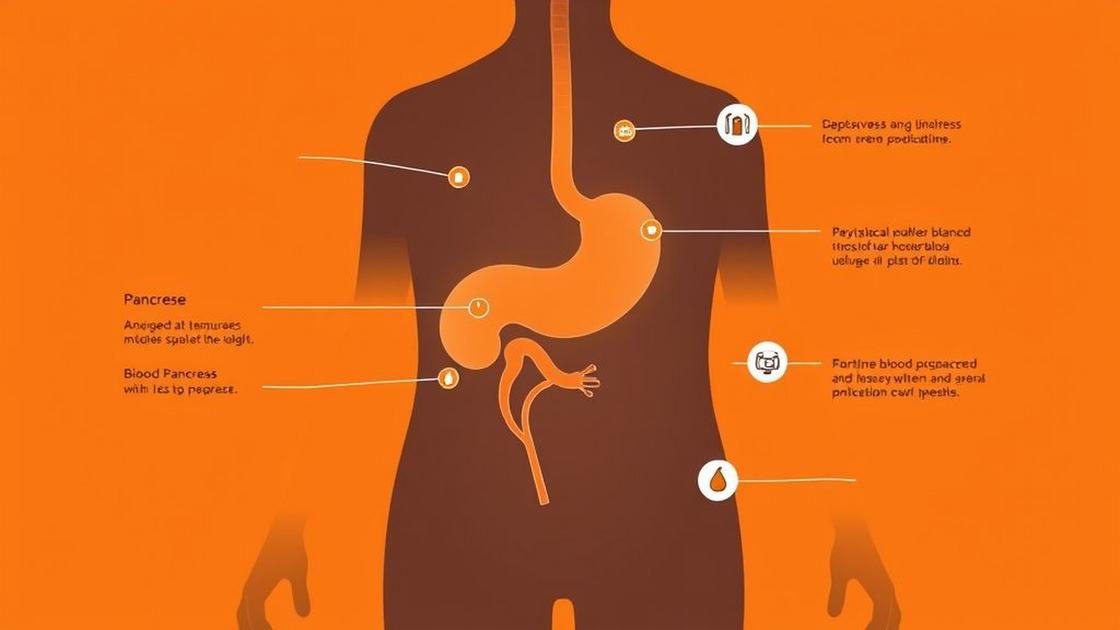
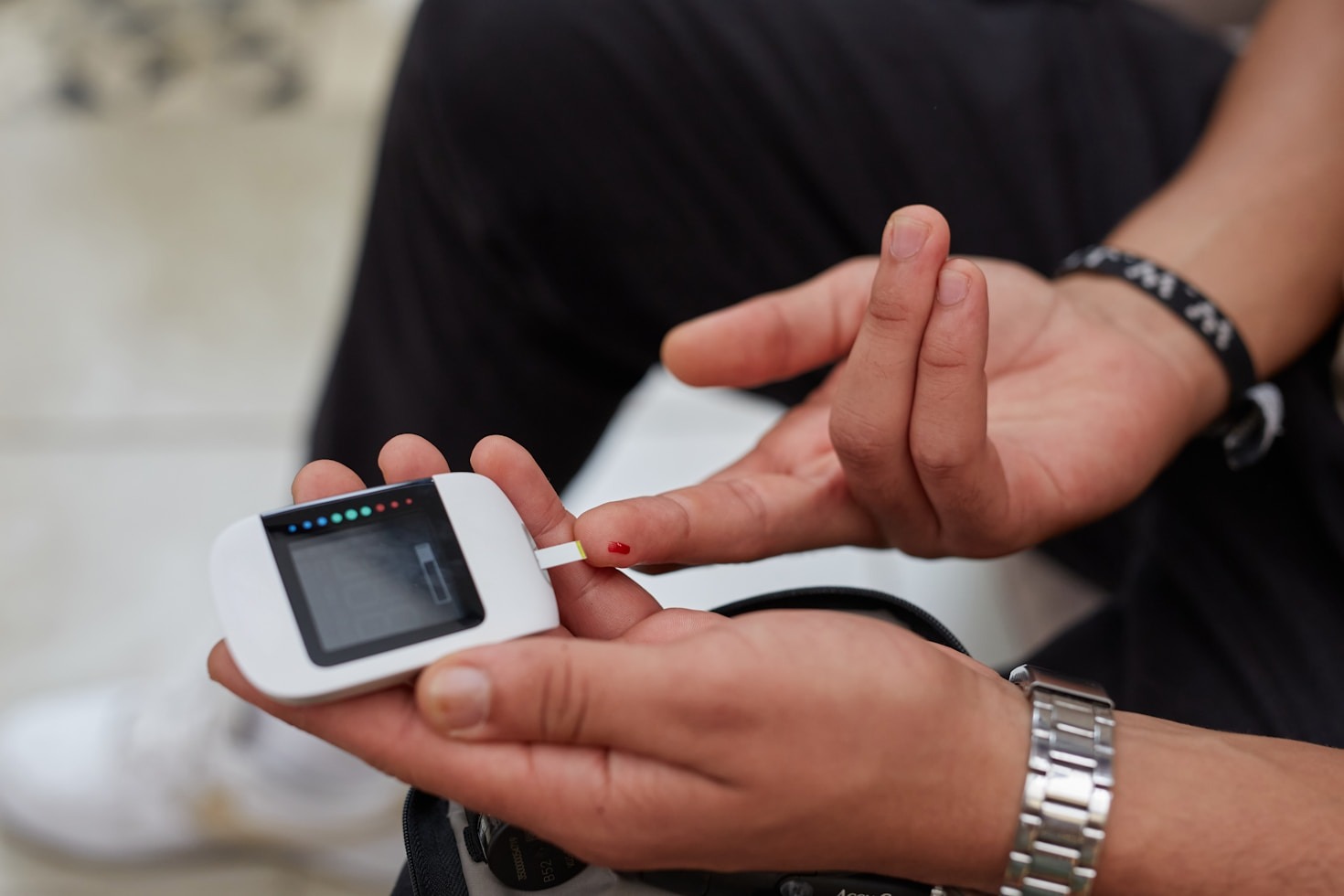
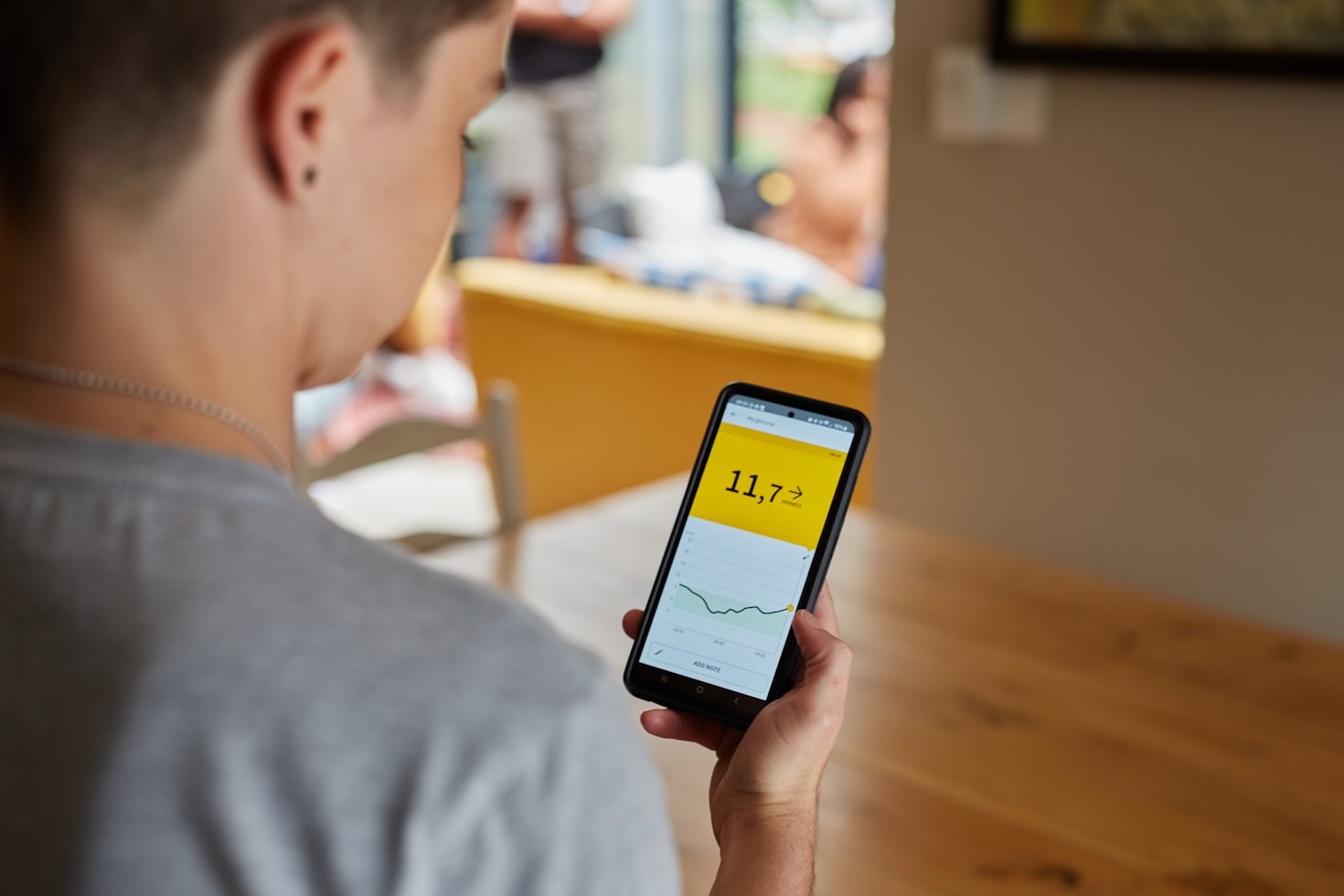
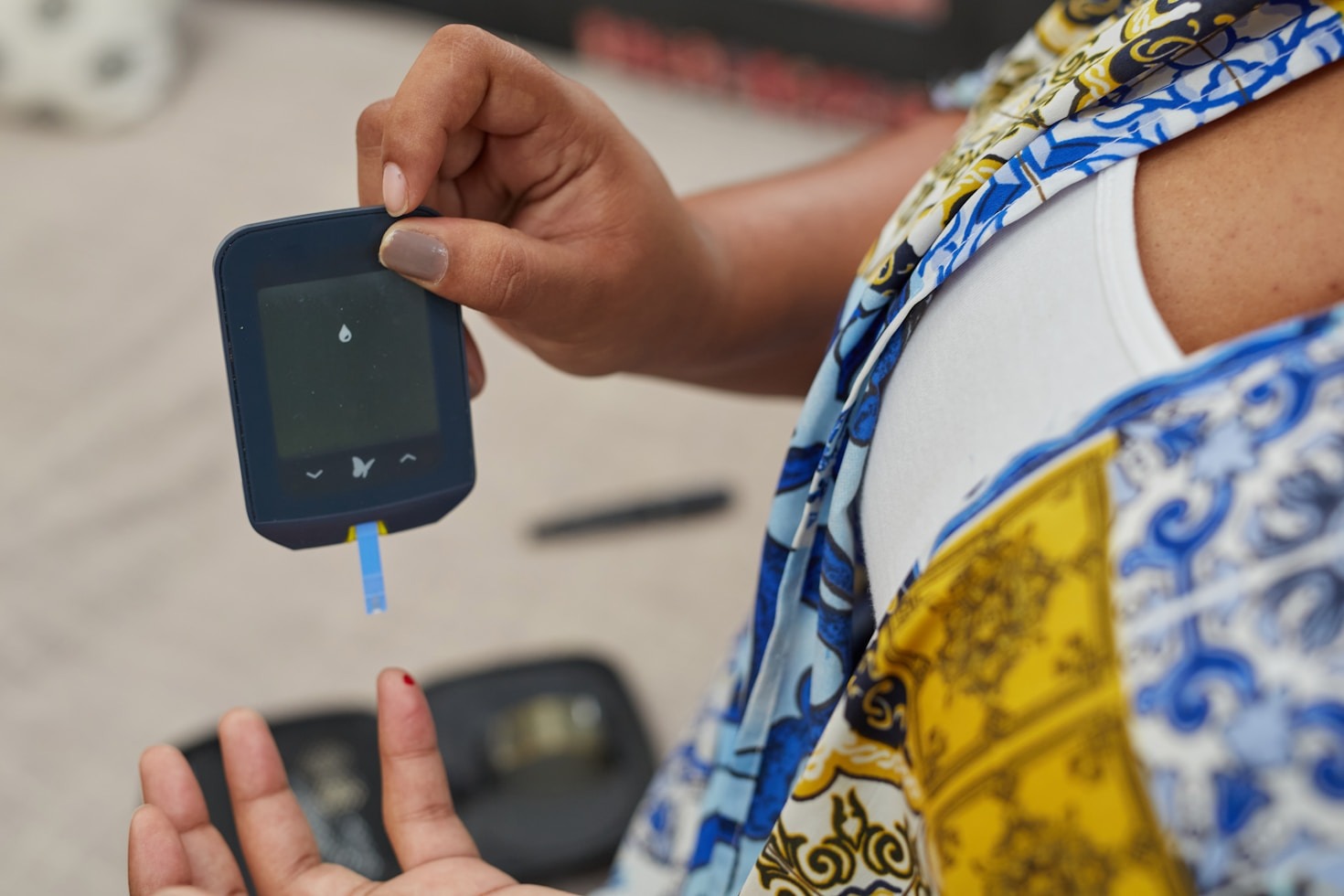
Glucose imbalance refers to abnormal levels of sugar in the blood. When our body doesn’t manage glucose properly, it can lead to significant health issues. For women over 30, recognizing the signs of an imbalance is crucial because it can affect overall well-being.
Hormones, stress, and lifestyle play a significant role in how our body manages glucose. High or low blood sugar can impact not just physical health, but emotional health as well. Women often report feelings of fatigue, irritability, and mood swings when their glucose levels are not stable.
So how do you know if you are experiencing a glucose imbalance? It can be subtle, manifesting through emotional changes before physical symptoms become apparent.
The Emotional Toll of Blood Sugar Fluctuations
When glucose levels are unstable, women may encounter a rollercoaster of emotions. Imagine waking up feeling surprisingly energetic, but by mid-morning, you are crashing hard. This fluctuation can lead to irritability and feelings of anxiety that seem to arise out of nowhere.
Blood sugar swings have a profound effect on the brain’s chemistry, which can contribute to negative emotions. Research shows that low glucose levels can lead to an increase in feelings of sadness, anger, and anxiety. Recognizing that these emotional swings may stem from glucose imbalance can be a vital step in reclaiming control over both mental and emotional health.
Common Symptoms Women Experience with Imbalances
Women often experience distinct symptoms when dealing with glucose imbalances. Here are some common signals of a potential issue:
Fatigue: A chronic sense of tiredness that doesn’t seem to improve even with rest.
Insomnia: Difficulty falling or staying asleep, leading to feelings of exhaustion.
Cognitive Fog: Trouble concentrating or remembering things, often referred to as brain fog.
Cravings: Sudden intense cravings for sugary foods during the day.
Frequent Mood Swings: Experiencing highs and lows in mood in a short period.
Even though these symptoms can be easy to overlook, acknowledging them can empower women to take action toward achieving better balance.
How to Identify Your Emotional Signs
Identifying emotional signs of glucose imbalance requires self-awareness and reflection. Start by keeping a daily journal to track your moods alongside your eating habits. Ask yourself the following questions:
When do I feel energetic versus when do I feel drained?
What foods seem to impact my mood the most?
Are there specific times of day when I feel more anxious or irritable?
These reflections can help you draw a clearer connection between your dietary choices and emotional well-being.
The Connection Between Diet and Mood
What we eat holds tremendous power over how we feel. A diet high in processed foods and sugars can lead to unstable glucose levels, which, as previously noted, can affect mood. Here’s how a balanced diet can benefit emotional health:
Stable Energy Levels: Foods that are rich in fiber, such as vegetables and whole grains, help maintain steady blood sugar.
Improved Mood: Nutrient-rich foods can boost serotonin production, aiding in creating a more stable emotional state.
Decreased Cravings: A well-balanced diet can help regulate appetite and reduce the urge for unhealthy snacks.
Eating mindfully and incorporating a variety of foods can create a positive ripple effect on emotional wellness.
The Role of Stress in Glucose Levels
It’s essential to recognize the relationship between stress and glucose levels. Stress triggers the release of hormones like cortisol, which can raise blood sugar levels. Think about how increasing responsibilities at work or home can lead to stress eating or skipping meals entirely. This cycle can often worsen glucose management.
Learning stress management techniques—such as deep breathing, yoga, or meditation—can help mitigate these effects. Setting aside time for yourself every day is not indulgent; it’s necessary for emotional health and glucose stability.
Empowering Yourself Through Awareness
Awareness is empowerment. Once you start recognizing the emotional signs of glucose imbalance, you can take informed steps towards improvement. Talking about your feelings and experiences with friends or supportive groups can foster a sense of community. Knowing that you are not alone in these feelings can be comforting.
Furthermore, educating yourself about nutrition, glucose management, and emotional health can positively change your narrative. Seek out resources, join workshops, and attend webinars focused on women’s health.
Practical Steps to Balance Your Glucose
Maintaining balanced glucose levels doesn’t have to be complicated. Here are some practical steps that can help:
Eat Regularly: Don’t skip meals. Try to eat every 3-4 hours to keep blood sugar steady.
Choose Whole Foods: Focus on fruits, vegetables, whole grains, lean proteins, and healthy fats.
Stay Hydrated: Drink plenty of water throughout the day.
Get Moving: Regular physical activity helps manage glucose levels.
Monitor Your Mood: Pay attention to how your emotional state changes throughout the day.
You have the power to create small, meaningful changes in your everyday life that can lead to significant improvements over time.
Inspirational Women: Success Stories
Many women have faced similar battles with glucose imbalances and have found success through dedication and lifestyle changes. Take, for example, Jennifer, a 35-year-old woman who struggled with fatigue and mood swings. By tracking her food and emotional states, she discovered certain foods triggered her cravings and mood drops. After adjusting her diet and incorporating exercise, Jennifer reclaimed her energy and positivity.
Stories like Jennifer’s remind us that change is possible. Each woman’s journey is unique, and connecting with each other’s stories can be so uplifting.
It’s Never Too Late to Start Your Journey
No matter where you are in your health journey, it’s never too late to make positive changes. Embracing a holistic approach to wellness—considering both diet and emotional health—can significantly impact your life. Start small, cherish the little victories, and don’t hesitate to reach out for help when you need it.
No one has to walk this path alone. There are countless resources and supportive communities ready to help. You have the strength within you to address these silent struggles and move towards a healthier, happier life. Remember, many women just like you have transformed their health, mood, and overall quality of life. Take that first step today, and discover the wonderful possibilities that await you.