As life becomes busier, many women over 30 find themselves juggling multiple roles. Amidst this chaos, it’s easy to overlook vital health signals, especially concerning blood sugar. Recognizing early blood sugar warning signs at home can be the first step towards reclaiming your energy and vitality. In this article, we will guide you through understanding these signs, helping you navigate your health journey with ease and confidence.
Understanding Blood Sugar Levels
Blood sugar levels refer to the amount of glucose present in your bloodstream. Glucose is a primary energy source for our bodies, but too much or too little can lead to health issues. Normal blood sugar levels typically range from 70 to 99 mg/dL when fasting.
When you eat, your blood sugar rises and then should return to normal. However, when this process is disrupted, you might experience hyperglycemia (high blood sugar) or hypoglycemia (low blood sugar). Unrealized fluctuations can lead to serious conditions like diabetes or metabolic syndrome.
Recognizing your blood sugar level is crucial for maintaining your overall health. It can help you stay active, improve your mood, and lead a more balanced life.
Why Early Detection Matters
Early detection of blood sugar abnormalities can prevent severe complications. Many women over 30 face silent challenges like fatigue, anxiety, and insomnia, often without realizing these may stem from unstable blood sugar levels. The body gives various signals before a major issue arises, and understanding these can be empowering.
Noticing changes early can help you make necessary adjustments in your lifestyle to restore balance before more severe symptoms develop. By being proactive, you can maintain better energy levels and emotional stability.
Common Symptoms to Watch For
Pay attention to these common signs that warn of possible blood sugar issues:
Fatigue: Constant tiredness can be a sign of fluctuating blood sugar levels.
Increased thirst: Frequent thirst or dry mouth may indicate high blood sugar.
Frequent urination: Going to the bathroom more often can be a signal of high glucose levels.
Sudden weight changes: Unexplained weight loss or gain could be linked to blood sugar spikes.
Irritability: Mood swings and irritability can occur with low blood sugar levels.
Blurred vision: Changes in vision can occur when blood sugar levels are inconsistent.
Increased hunger: Feeling hungry even after eating can be a warning sign.
How to Monitor Your Blood Sugar at Home
Monitoring your blood sugar at home can be simple and effective. Here are some ways:
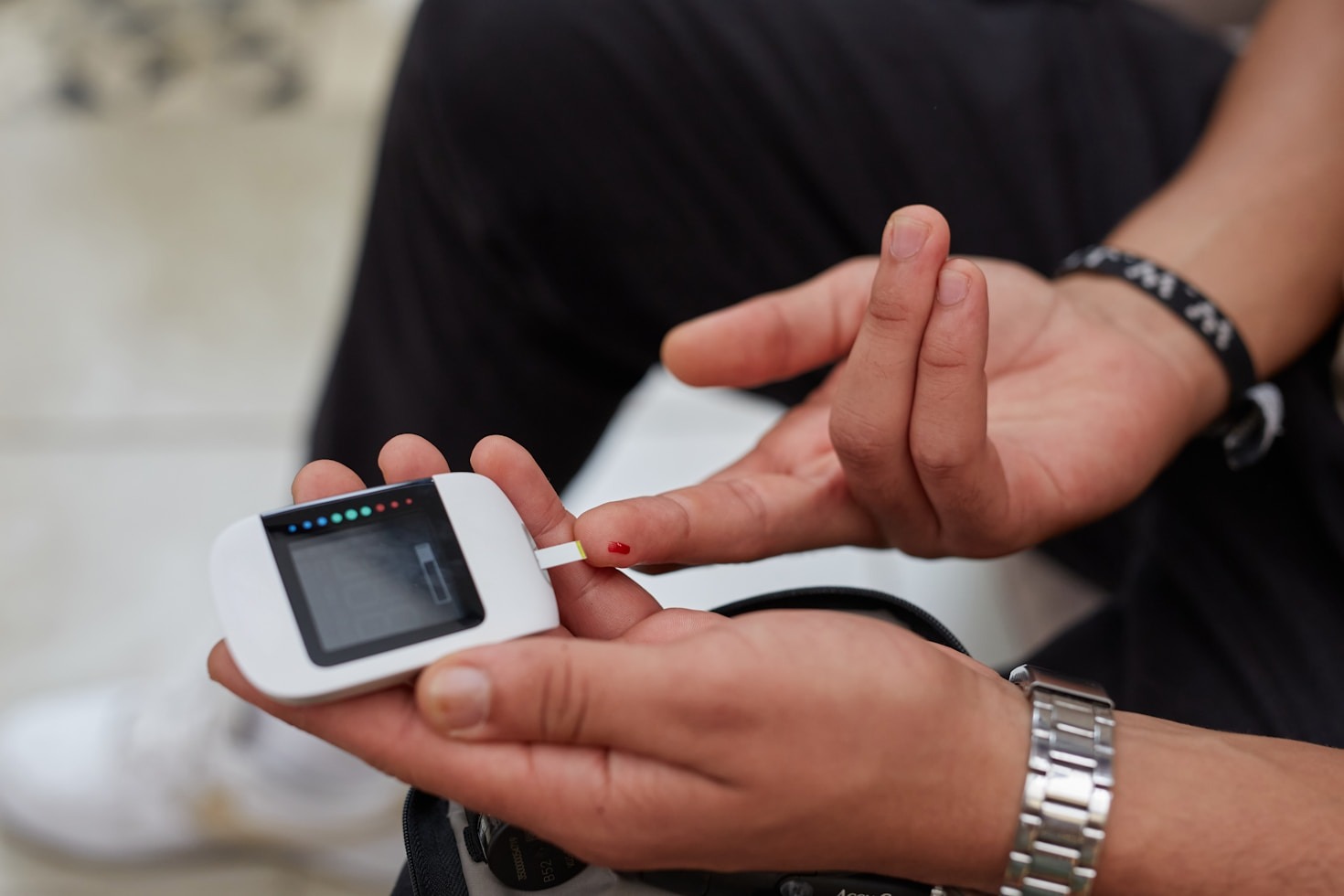
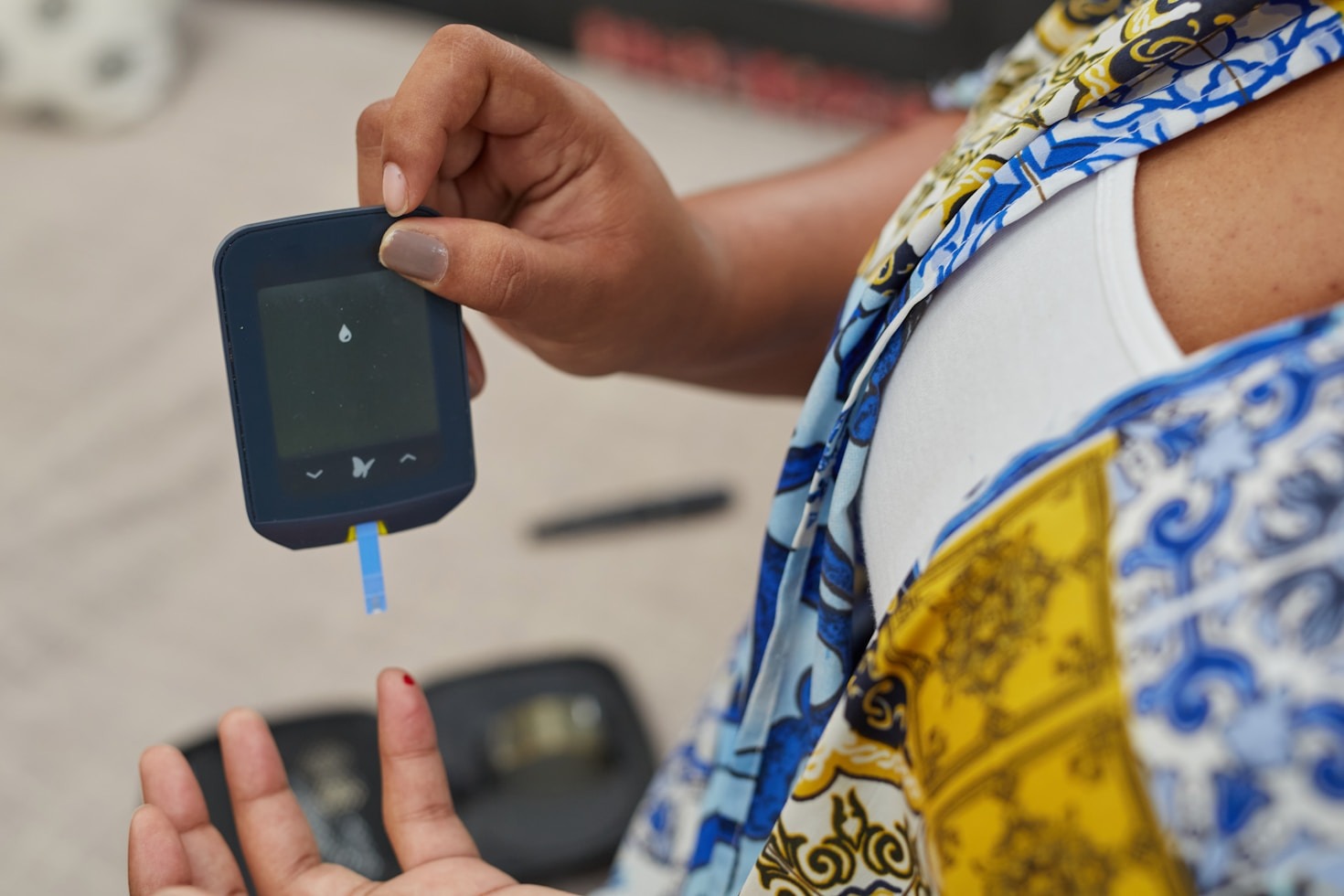
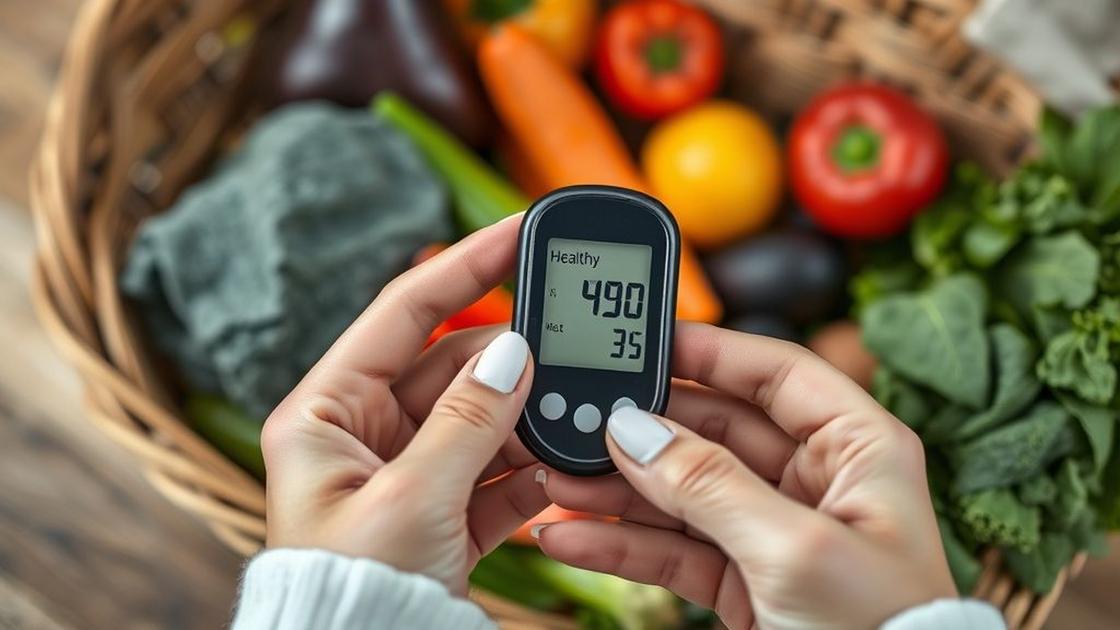
Glucose Meters: These devices are widely available and easy to use. Take a small blood sample to check your levels.
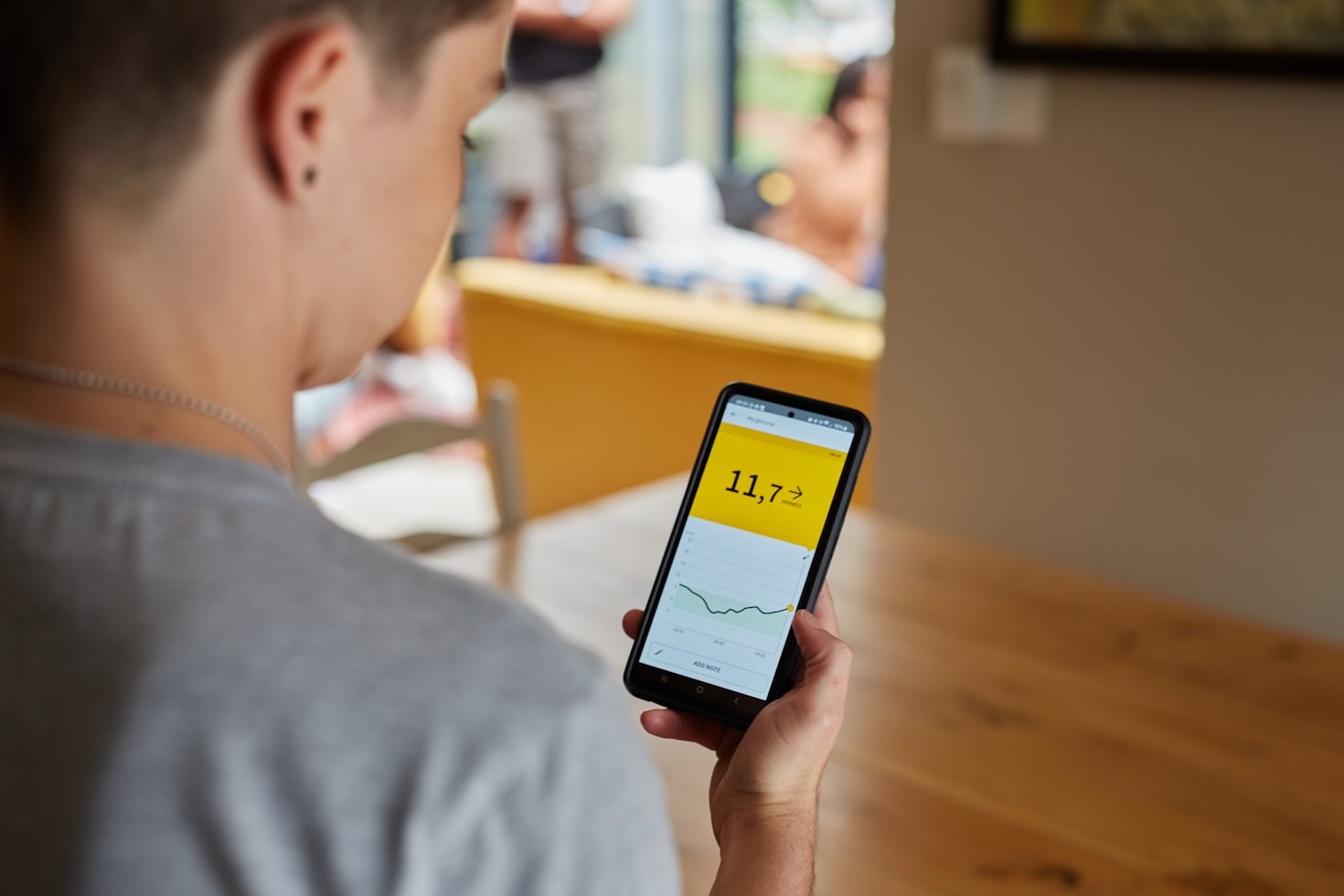
Continuous Glucose Monitors: These devices automatically monitor blood sugar levels and provide real-time feedback.
Keeping a Journal: Track how you feel, what you eat, and your blood sugar levels to see patterns over time.
Consider discussing with your healthcare provider the best methods for monitoring tailored to your specific health needs. Establish a routine to check levels regularly, especially during times of stress or when experiencing symptoms.
Simple Lifestyle Changes to Stabilize Blood Sugar
Small lifestyle changes can have a big impact on your blood sugar stability:
Regular Exercise: Engage in at least 30 minutes of physical activity most days of the week. Exercise helps the body use insulin more efficiently.
Balanced Meals: Incorporate a mix of carbohydrates, proteins, and healthy fats into your meals to avoid spikes.
Sufficient Sleep: Aim for 7-9 hours of quality sleep each night to help regulate hormones that affect blood sugar.
Smaller, Frequent Meals: Eating smaller meals throughout the day can help maintain consistent blood sugar levels.
Avoid Sugary Drinks: Replace sugary beverages with water or herbal teas to avoid rapid spikes in sugar levels.
Nutrition Tips for Balanced Blood Sugar
Eating well is crucial for blood sugar control. Here are some nutrition tips to consider:
Include Whole Grains: They have a lower glycemic index, which helps prevent spikes. Think oats, quinoa, and brown rice.
Increase Fiber Intake: Fiber-rich foods like vegetables, fruits, and legumes slow sugar absorption, keeping levels steady.
Healthy Fats: Include sources of healthy fats (avocados, nuts, olive oil) to keep you full and balanced.
Limit Processed Foods: Reduce your intake of products high in sugars and unhealthy fats.
Focus on making healthy food choices and listening to your body’s hunger signals. You have the power to create meals that fuel and nourish your body.
The Role of Hydration in Blood Sugar Control
Staying hydrated is essential for your overall health and can help with blood sugar management:
Water is Key: Aim to drink at least 8 cups of water a day. Hydration helps your kidneys flush out excess sugar.
Avoid Caffeine and Alcohol: Both can lead to dehydration, which may interfere with blood sugar levels.
Incorporating more fluids into your daily routine is simple. Carry a water bottle, and set reminders if needed. This small step can make a significant difference.
Managing Stress and Its Impact on Blood Sugar
Stress can significantly affect your blood sugar levels. Here are some strategies to cope:
Mindfulness Practices: Engage in activities like yoga or meditation that promote relaxation and reduce stress.
Physical Activity: Exercise is a powerful stress reliever that can help keep blood sugars stable.
Connect with Others: Spend time with friends or family to help uplift your mood and lower anxiety.
Taking time to prioritize your mental well-being will empower you to handle daily challenges with more ease.
When to Seek Professional Help
Although monitoring and adjustments can often be handled at home, sometimes professional help is needed. Seek help if:
Persistent Symptoms: If symptoms like fatigue or frequent urination persist despite lifestyle changes.
Severe Symptoms: If you experience confusion, loss of consciousness, or seizures, seek immediate medical attention.
New Symptoms: If you notice new symptoms developing that are concerning.
It’s always better to err on the side of caution. Your health is valuable, and seeking the right support can lead you towards better management.
Empowering Yourself on Your Health Journey
Your health journey is unique to you, and by recognizing early blood sugar warning signs at home, you’re taking significant steps towards improvement. Many women have faced similar challenges and found methods that worked by simply staying informed and empowered. Trust in your ability to make positive changes.
It’s completely possible to improve symptoms of fatigue, anxiety, and other concerns by following a simple step-by-step method tailored just for you. Remember, you are not alone on this journey. Each small step contributes to your overall well-being—embrace it and take charge!
Explore the solution that many women have already discovered and let it guide you towards a healthier future. You are on the path to healing, and your resilience shines bright!