Have you ever felt overwhelmed, struggling with fatigue or anxiety? Identifying the signs of burnout or blood sugar issues is crucial, especially for women over 30. Many of us silently bear the weight of our daily challenges—whether it’s insomnia that steals our nights or hormonal imbalances that disrupt our lives. In this article, we’ll explore how to recognize these issues and reclaim your well-being.
What is Burnout and How Does It Affect Women?
Burnout can feel like being constantly drained, like you are running on empty. It arises from prolonged stress, often leading to emotional, physical, and mental exhaustion. For women, this can be particularly overwhelming due to societal expectations to balance work, family, and personal life. Many times, the daily struggle to meet these demands can lead to feelings of inadequacy and self-doubt.
In women over 30, burnout can manifest as persistent fatigue, irritability, and a lack of motivation. Because women typically bear a larger share of caregiving responsibilities, they might overlook their own needs. Understand that it’s okay to not keep pushing through; recognizing burnout is the first step to regaining balance.
Understanding Blood Sugar Issues: Signs to Look For
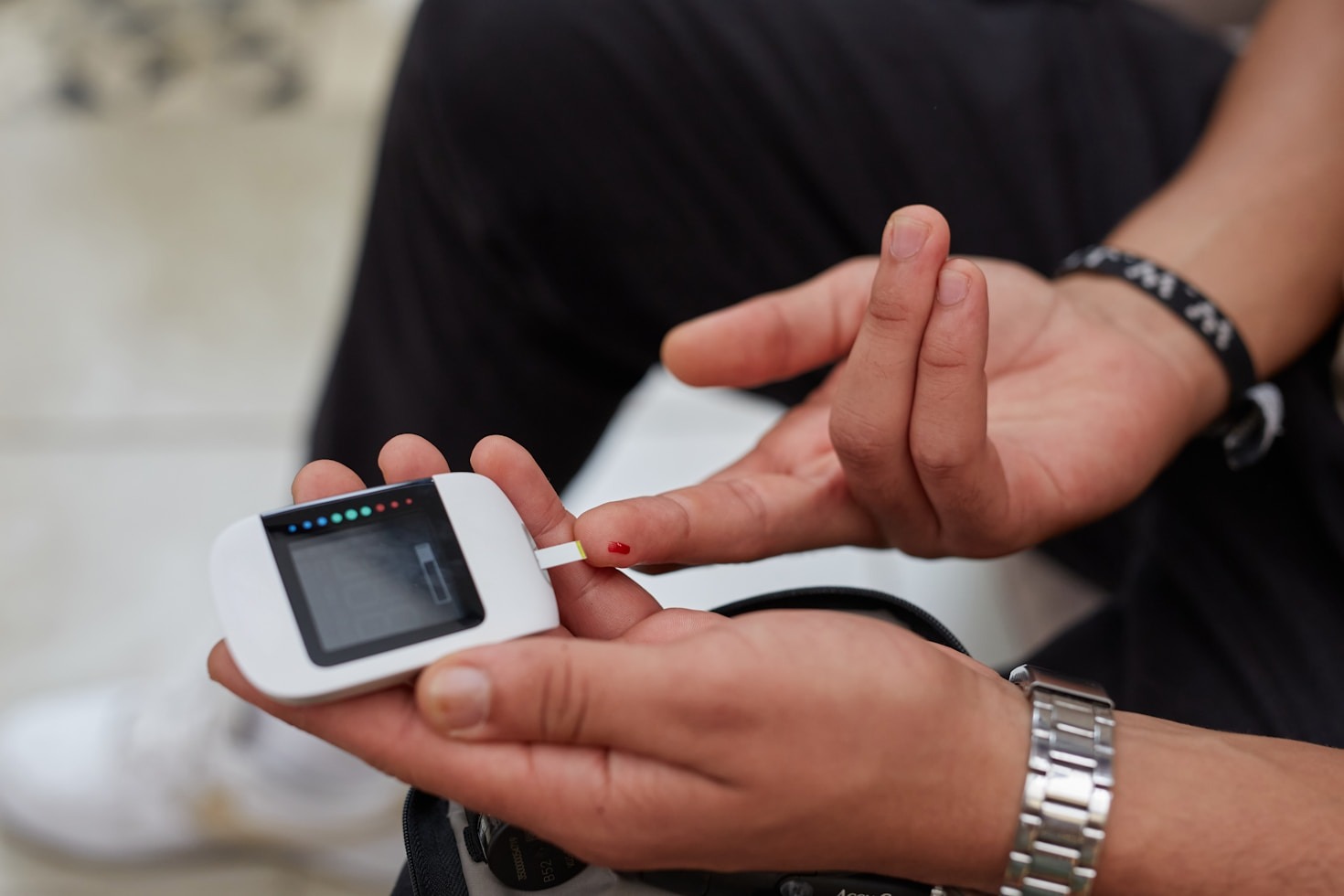
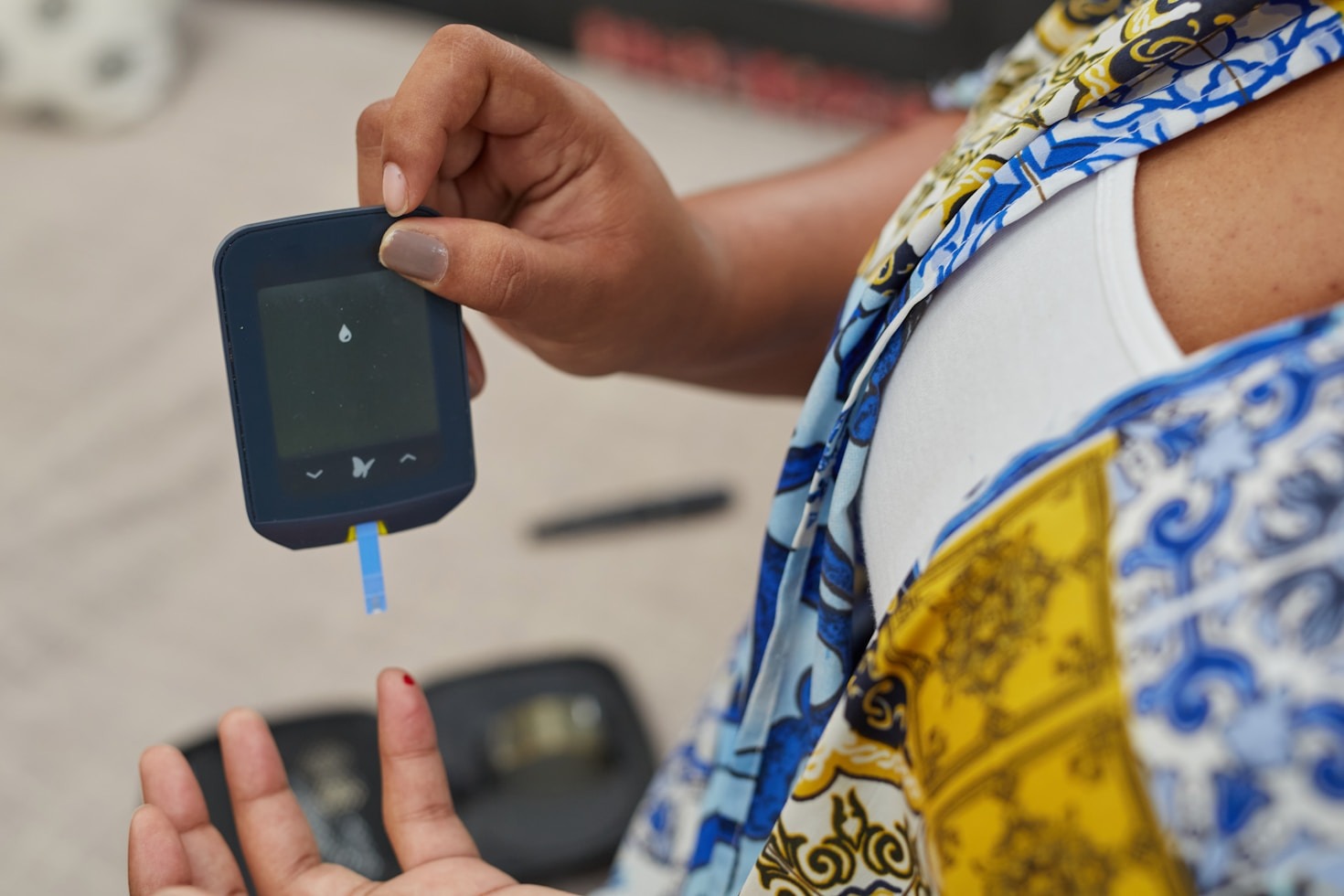
Blood sugar issues can often go unnoticed, yet they significantly impact your energy levels and overall mood. These issues may manifest as fatigue, irritability, anxiety, or headaches. If you experience sudden cravings for sweets or feel dizzy when hungry, this might indicate fluctuations in your blood sugar levels.
Women may be particularly vulnerable to these imbalances due to hormonal changes throughout their lives. Menstrual cycles, pregnancy, and menopause can all influence how your body processes sugar, making it crucial to be aware of the signs. Keeping track of how your body is feeling and responding can help you better understand your health and seek help when necessary.
Common Symptoms of Burnout in Women Over 30
As we age, signs of burnout can become harder to ignore. Some common symptoms include:
Chronic Fatigue: No matter how much you sleep, you feel tired.
Emotional Exhaustion: You may feel drained and unable to cope with daily tasks.
Reduced Performance: A decrease in self-esteem and feelings of ineffectiveness.
Social Withdrawal: Avoiding friends, family, and activities you once enjoyed.
If you resonate with any of these symptoms, please know you are not alone. Many women experience similar feelings but may not connect them to burnout. Acknowledging these symptoms is a pivotal step toward reclaiming your health.
The Link Between Stress and Blood Sugar Levels
Stress can wreak havoc on your body in many ways, one of which is through its effect on blood sugar levels. When you are stressed, your body produces a hormone called cortisol. Elevated cortisol levels can cause your blood sugar to rise, leading to the fatigue and emotional instability often experienced during stressful times.
For women juggling multiple responsibilities, the connection between stress and blood sugar is crucial. If you find yourself feeling anxious or overwhelmed, it may be helpful to explore how stress management techniques can make a difference in stabilizing your blood sugar. Managing stress effectively can lead to healthier blood sugar levels, improving your overall well-being.
How to Differentiate Between Burnout and Blood Sugar Problems
Understanding whether you’re facing burnout or blood sugar issues requires careful self-reflection. Here are some guiding considerations:
Consider Timing: If your symptoms worsen after a long day or after stressful events, you may be experiencing burnout.
Notice Food Responses: If you feel dizzy or have strong cravings after not eating for a few hours, it may indicate blood sugar issues.
Assess Emotional Fluctuations: Rapid mood swings can often point to blood sugar dips, while persistent cynicism could indicate burnout.
It’s essential to pay attention to your body’s signals. If you’re unsure, consider reaching out to a healthcare professional who can help clarify your symptoms.
Effective Strategies to Combat Burnout
It is possible to reclaim your energy and enthusiasm for life. Here are some effective strategies:
Set Boundaries: Learn to say no to new commitments that add to your stress.
Practice Mindfulness: Engage in activities like yoga or meditation to relieve stress and center your thoughts.
Reconnect with Hobbies: Rediscover what brings you joy, whether that be painting, gardening, or reading.
Seek Support: Talk to friends or consider professional counseling to share your feelings.
Implementing these strategies can take time. Be gentle with yourself and embrace small changes. Every little step counts towards overcoming burnout.
Nutritional Tips to Stabilize Blood Sugar
Your diet plays a vital role in regulating your blood sugar levels. Here are some tips to maintain balance:
Eat Regularly: Aim for balanced meals every 3-5 hours to prevent spikes and dips in blood sugar.
Incorporate Protein: Include protein-rich foods in your meals to help keep you full and stable.
Hydrate: Drink plenty of water throughout the day to aid digestion and overall health.
Limit Sugary Snacks: Try to replace sweets with healthier options, like fruit or nuts, to avoid rapid sugar spikes.
By adjusting your diet, you can regain control of your energy levels and emotional state.
The Role of Sleep in Managing Stress and Health
Sleep is often neglected, yet it is a crucial pillar of health. Quality sleep can help mitigate burnout and stabilize your blood sugar levels. Consider these tips for better sleep:
Establish a Routine: Go to bed and wake up at the same time every day to regulate your body’s clock.
Create a Relaxing Environment: Limit screen time and create a calming atmosphere before bed.
Limit Caffeine: Reduce caffeine consumption, especially in the afternoon, to improve nighttime rest.
Prioritizing sleep can lead to clearer thinking, better mood regulation, and a stronger immune system. Take the time to nurture this vital aspect of your health.
Emotional Wellness: A Key to Overcoming Challenges
Your emotional health is intertwined with your physical health. Nurturing your emotional wellness can be incredibly beneficial:
Journaling: Write down your thoughts and feelings to gain clarity and express yourself.
Practice Gratitude: Focus on positive aspects in your life to uplift your spirits daily.
Engage in Positive Self-Talk: Replace negative thoughts with positive affirmations to boost your confidence and mood.
This nurturing of your emotional self allows you to face challenges with strength and resilience.
Empowering Steps to Regain Control of Your Health
The journey to feeling better starts with small, empowering steps. Know that it’s possible to rise above the symptoms and regain your vitality. Take these steps:
Educate Yourself: Learn more about burnout and blood sugar management to empower your choices.
Seek Community: Join groups or classes that support your health journey.
Set Realistic Goals: Create achievable goals for improving your health and well-being.
Remember, as you embark on this journey, you are not alone. Many women have successfully navigated similar challenges. There is light at the end of the tunnel; with commitment and compassion, you can find your path to improved health and happiness. If you’d like to discover a simple, step-by-step method that can make a significant difference, don’t hesitate to explore the solutions available to you. Your journey toward a healthier you can start today!