Are you experiencing fatigue, anxiety, or unexpected weight changes? These could be prediabetes red flags that signal a need for urgent attention. Many women over 30 find themselves grappling with these silent symptoms, feeling overwhelmed and unsure. It’s easy to dismiss these signs, but ignoring them can have serious consequences. Join us as we delve into the importance of recognizing these warning signs, empowering you to take charge of your health.
Understanding Prediabetes and Its Impact on Health
Prediabetes is a serious health condition where blood sugar levels are higher than normal but not yet high enough to be diagnosed as type 2 diabetes. Many women over 30 may not even realize they are experiencing prediabetes. It’s often a silent condition, creeping up on you without many visible signs. But understanding prediabetes is crucial for your health.
High blood sugar can impact your body in several ways:
Increased Risk of Diabetes: Without action, prediabetes can lead to type 2 diabetes, a chronic illness that can affect your organs and overall health.
Heart Disease: Women with prediabetes face a greater risk of heart issues.
Weight Gain: Insulin resistance can lead to weight gain, especially around the abdomen.
If you’re over 30, it’s vital to keep an eye on your blood sugar levels. Awareness is the first step toward addressing potential health issues.
Common Symptoms of Prediabetes to Watch For
While many women may not notice any symptoms early on, there are subtle signs that should not be ignored.
Fatigue: Feeling unusually tired can be a sign of blood sugar issues.
Frequent Urination: An increased need to urinate can indicate that your body is trying to eliminate excess sugar.
Dry Mouth: Persistent dryness could also relate to blood sugar levels.
Blurred Vision: Changes in vision can occur as blood sugar levels fluctuate.
Pay attention to your body. If you experience these symptoms, it’s time to consult with your healthcare provider and discuss your risk for prediabetes.
Why Women Over 30 Are at Higher Risk
As we age, hormonal changes significantly influence our metabolism and overall health. After 30, women start to experience shifts in estrogen levels. This hormonal imbalance can lead to insulin resistance, making prediabetes more likely.
Additionally, lifestyle factors often become more pronounced:
Busy Lifestyles: Balancing work, family, and personal time can lead to neglecting health.
Less Physical Activity: Finding time to exercise can be challenging.
Poor Eating Habits: Convenience foods often replace nutritious meals due to hectic schedules.
Recognizing that these factors put you at higher risk can motivate you to take action.
The Connection Between Hormonal Imbalance and Prediabetes
Hormones play a significant role in regulating everything from appetite to energy levels. When hormonal balance is disrupted, it can wreak havoc on your body’s ability to manage blood sugar effectively.
A common issue is that as estrogen decreases, fat storage can increase. This fat is often stored around the abdomen, leading to further insulin resistance. The cycle can be frustrating—feeling tired, gaining weight, and struggling with cravings. Understanding this connection is essential for women in this age group.
How Stress Contributes to Insulin Resistance
Stress is a part of life for many women, but chronic stress can have profound effects on your body, particularly when it comes to insulin resistance. When you’re stressed, your body produces more cortisol, a hormone that can increase blood sugar levels.
Common triggers of stress include:
Work Pressure: Striving for success while balancing various roles can lead to overwhelming feelings.
Family Responsibilities: Juggling children, partners, and household demands takes a toll.
Social Expectations: The pressure to meet societal norms can generate anxiety.
Learning stress management techniques is crucial in combating these effects. Practices like mindfulness and deep breathing can help you regain control and reduce stress levels.
Lifestyle Changes That Can Prevent Diabetes
Making small adjustments to your daily routine can have a big impact on your health.
Regular Exercise: Aim for at least 150 minutes of moderate aerobic activity each week, such as brisk walking.
Sufficient Sleep: Prioritize getting restful sleep. Aim for 7-9 hours per night.
Maintain a Healthy Weight: Losing even a small amount of weight can lower your risk of developing type 2 diabetes.
Avoid Sugary Drinks: Replace sodas and juices with water or unsweetened beverages.
These changes can feel overwhelming but remember, even small steps are progress.
The Role of Nutrition in Managing Blood Sugar Levels
Nutrition plays a critical role in managing blood sugar. Eating a balanced diet can stabilize blood sugar levels and prevent spikes. Here are some key points to consider:
Incorporate Whole Foods: Whole grains, lean proteins, and healthy fats should be the backbone of your meals.
Choose Low Glycemic Index Foods: These foods are digested slowly, leading to steadier blood sugar levels. Examples include legumes, nuts, and most non-starchy vegetables.
Monitor Portion Sizes: Be mindful of how much you eat, as portion size affects blood sugar levels.
Creating a meal plan can keep you on track and provide structure in your day.
The Importance of Regular Health Check-Ups
Regular check-ups with your healthcare provider ensure that any issues can be detected early. It’s a simple yet effective preventative measure. During these visits, discuss:
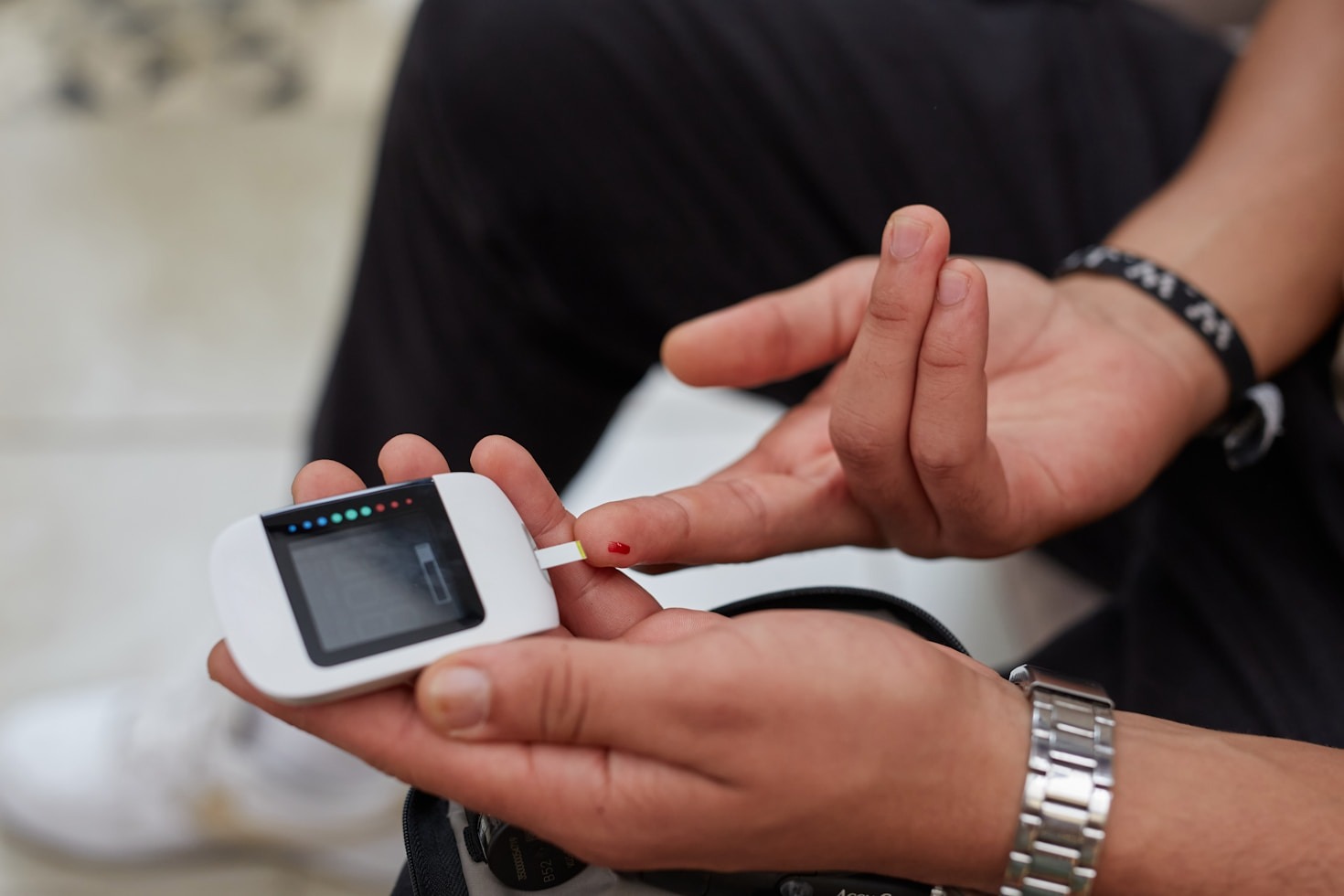
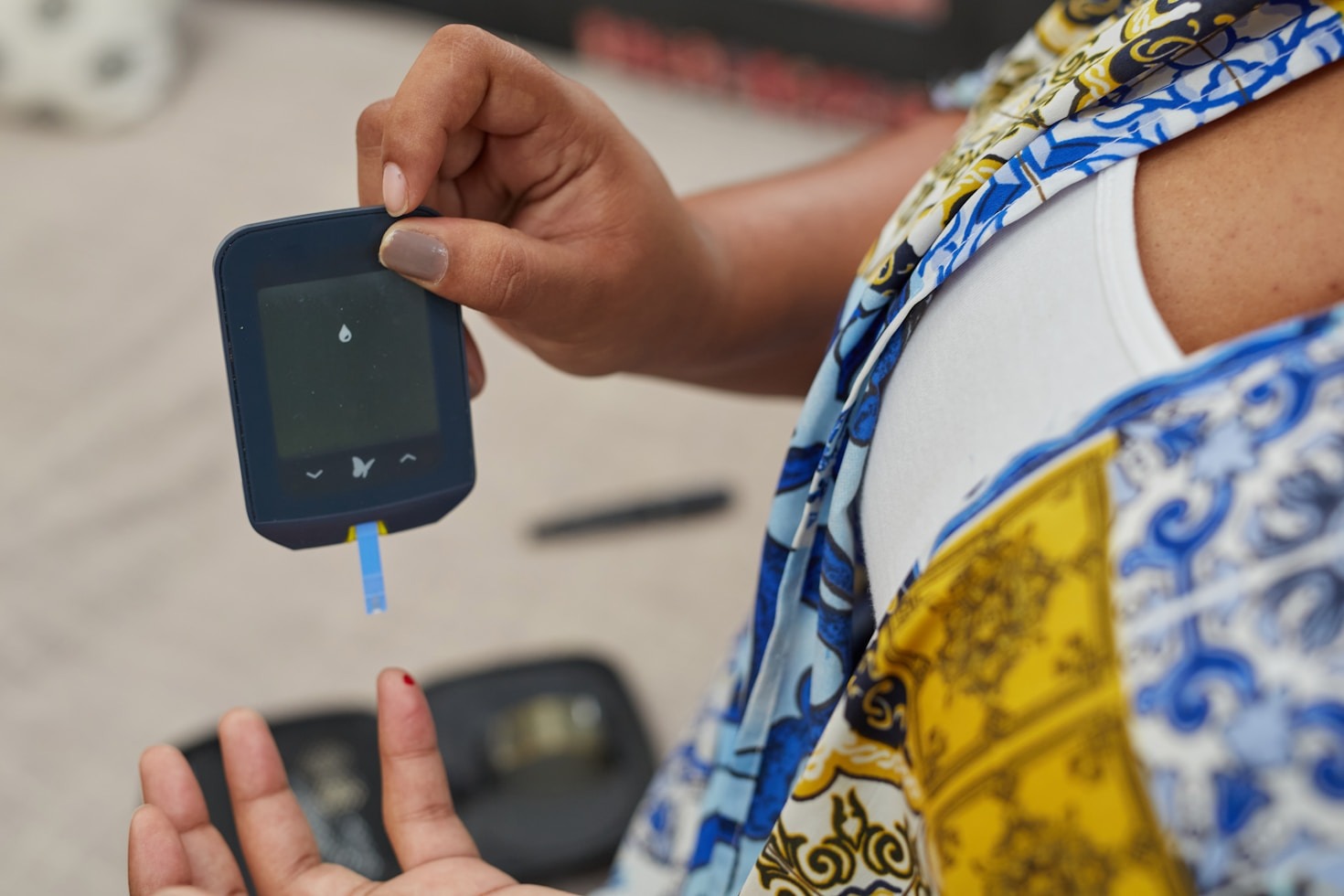
Blood Sugar Testing: Ask for tests that can indicate whether you are at risk of prediabetes.
Cholesterol and Blood Pressure Levels: These can also align with prediabetes and overall cardiovascular health.
Weight and Lifestyle Changes: Use these visits to discuss goals and progress.
Knowledge is power, and staying informed about your health will help you make better choices.
Finding Support: Community and Resources
You are not alone on this journey! Building a solid support system can make all the difference. Consider the following:
Join Community Groups: Look for local groups focused on health and wellness.
Online Forums: Engage in online communities where women share their experiences and tips.
Health Coaches: A coach can provide personalized advice and encouragement tailored to your specific needs.
Finding your village to support your health journey can boost your motivation and success.
Taking Action: Your Path to Better Health
Taking the steps to address prediabetes doesn’t have to feel daunting. Many women have successfully improved their symptoms and reclaimed their health. By understanding the signs, making lifestyle changes, and seeking support, you can navigate this journey successfully.
Remember, it’s possible to overcome the challenges you face. The brighter path ahead is waiting for you. Discover this transformative solution—many other women have already taken that step and thrived. You can too. Click here to learn more about your path to better health!