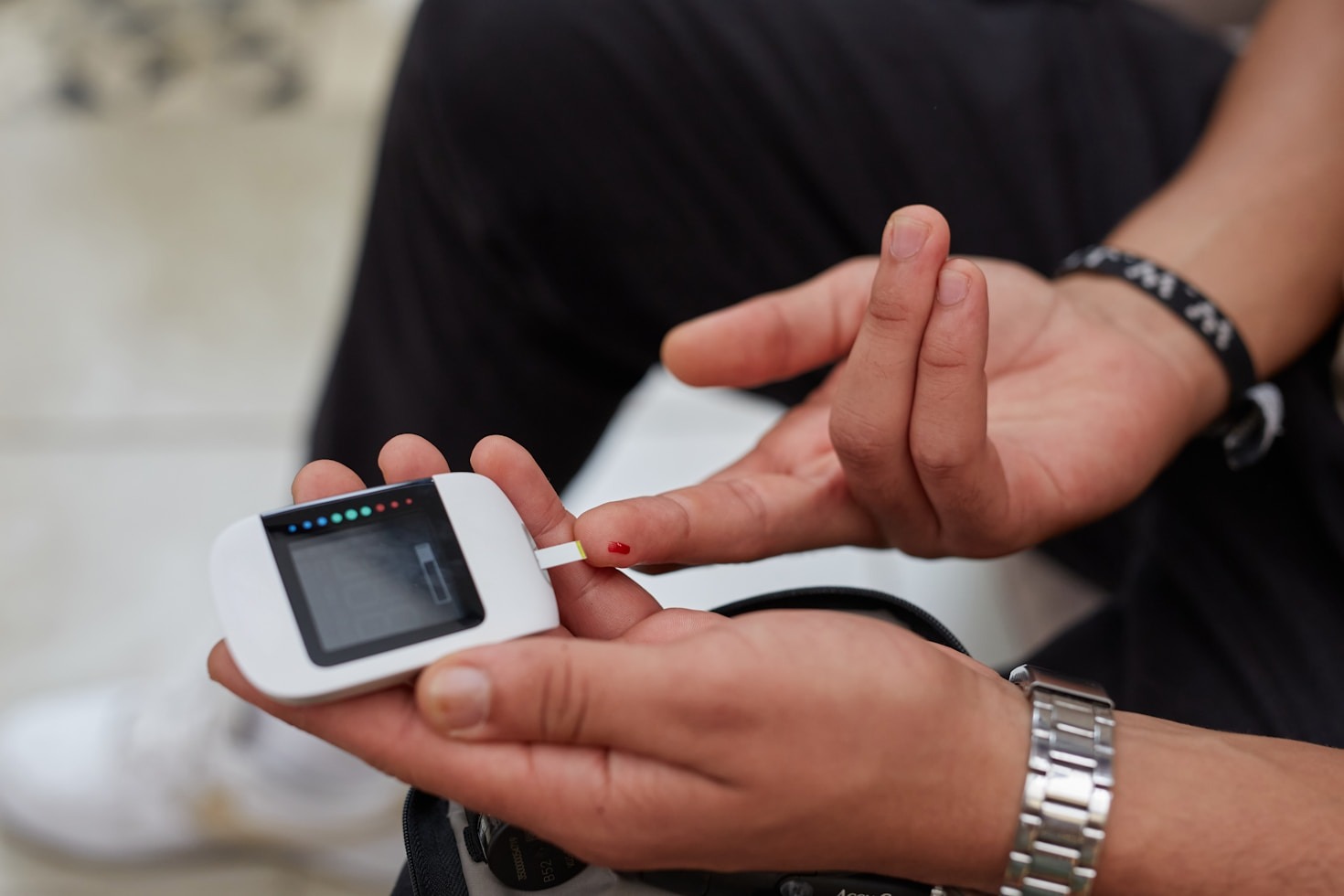
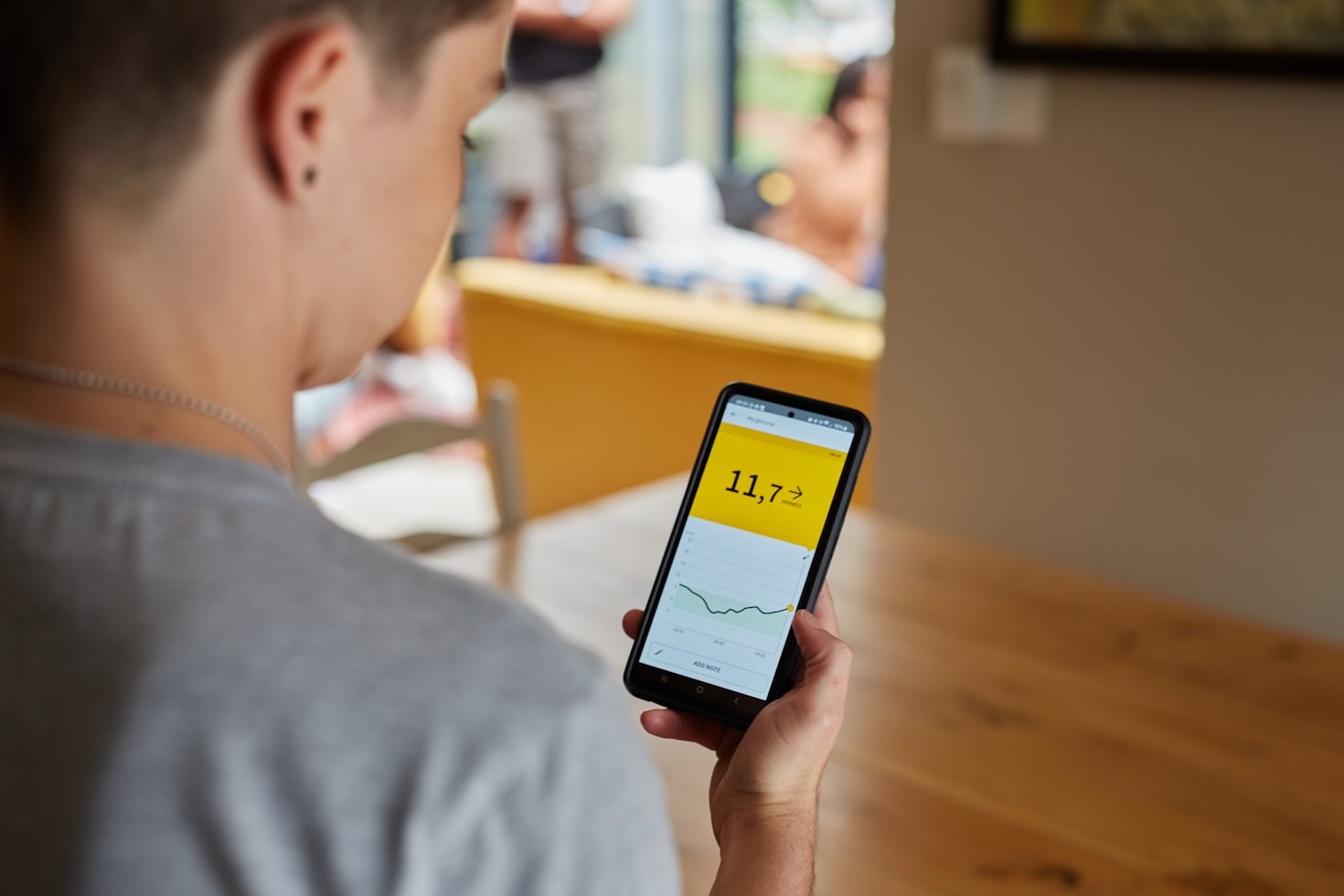
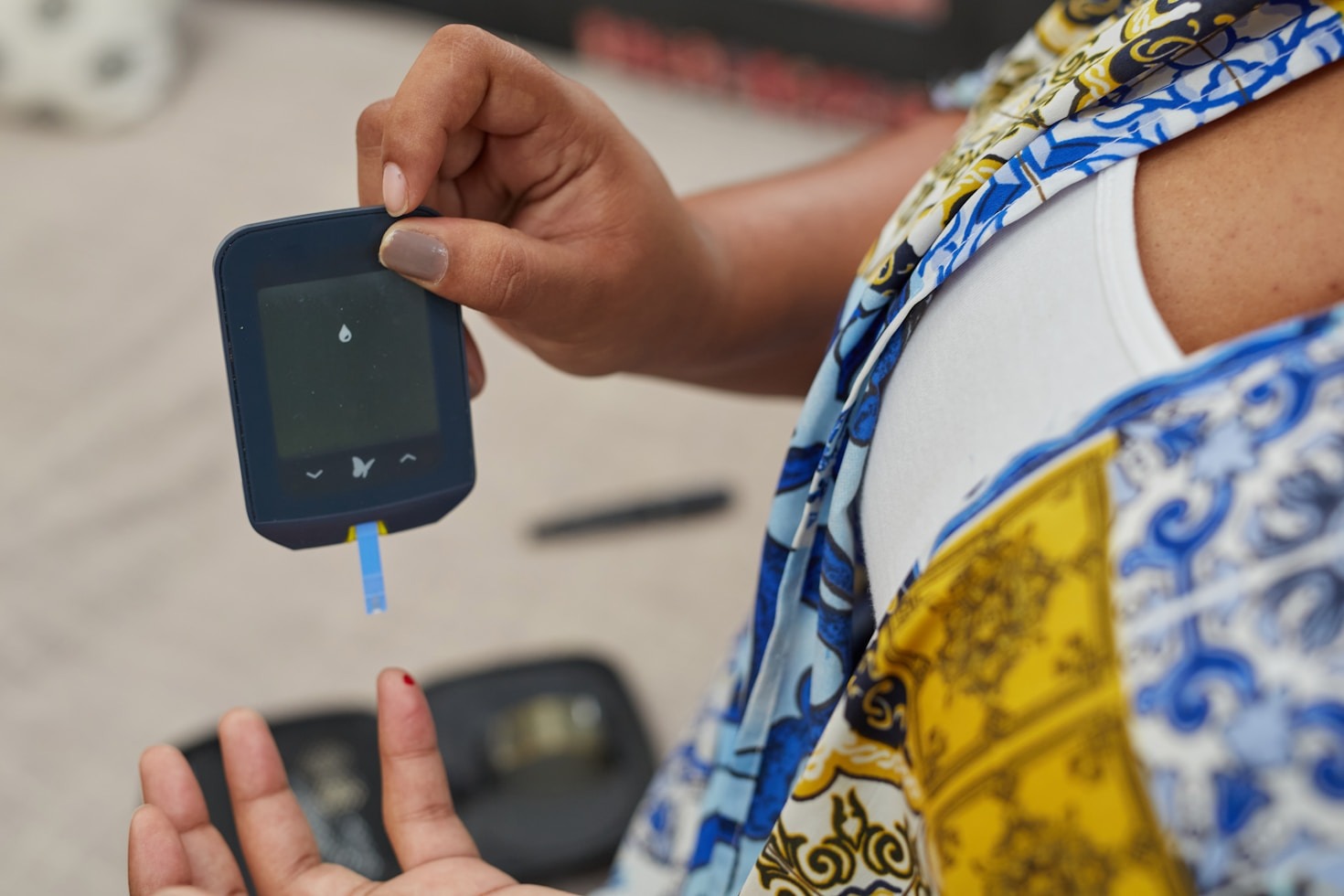
Are you a woman over 30 facing fatigue, insomnia, or anxiety? Understanding prediabetes red flags can be your first step to reclaiming your health. Many women experience silent struggles that could be linked to more serious health concerns, but by noticing early signs, you can take proactive steps.
What is Prediabetes and Why Should You Care?
Prediabetes occurs when blood glucose levels are higher than normal but not high enough for a diabetes diagnosis. It can be like a gentle whisper of warning from your body, urging you to pay attention. As women reach their 30s and beyond, awareness of this condition becomes increasingly important, especially since complications can arise if prediabetes progresses to type 2 diabetes.
Understanding this condition helps you to take proactive steps for your health. If you notice the red flags of prediabetes early, you can change your health journey for the better. Managing your health isn’t just a personal benefit; it can lead to a more fulfilling life. Remember, being informed can create a ripple effect, impacting your family and friends too!
Common Symptoms Women Experience
There are subtle symptoms that might signal prediabetes, particularly in women:
Increased thirst and frequent urination
Fatigue that seems unshakeable
Blurry vision
Skin changes, like dark patches or increased pigmentation
Difficulty concentrating or ‘brain fog’
Many women often brush these signs aside, attributing them to stress, aging, or other unrelated issues. However, being aware and taking note of these symptoms can be revolutionary in catching potential complications early.
The Link Between Hormonal Imbalance and Prediabetes
Hormones play a critical role in how our bodies function. Insulin resistance, a key element of prediabetes, can be closely tied to hormonal imbalances. Women, especially those navigating hormonal changes due to menopause or other life stages, may notice fluctuations in their energy levels and overall well-being.
These changes can cause symptoms like:
Unexplained weight gain or loss
Increased cravings, particularly for sugary foods
Changes in menstrual cycles
Mood swings and feelings of anxiety
Recognizing the connection between your hormones and blood sugar levels can lead to a better understanding of your body and health. You’re not alone in this journey; many women experience similar issues during this transitional period.
How Fatigue and Insomnia May Signal Trouble
Fatigue and insomnia can feel like heavy blankets, making it hard to get through your day. If you find yourself needing more sleep yet waking up feeling unrested, it could be a signal your body is sending. Sleep disturbances can make managing your daily tasks feel overwhelming.
Additionally, fatigue can lead to:
Decreased motivation to exercise
Unstable moods and increased stress
A lack of focus during daily activities
Understanding that these feelings aren’t just normal stress symptoms but potential signs of an underlying condition gives you the power to seek help and act. Regular sleep patterns and sufficient rest can serve as your allies in combating prediabetes.
Understanding the Emotional Impact of Prediabetes
Alongside physical symptoms, the emotional weight of dealing with prediabetes can also take a toll. The worry about health, body image, and the fear of future complications can create a sense of isolation.
Women often experience:
Feelings of guilt for not being able to manage their health better
Anxiety about changing their lifestyle
Frustration when seeing others eat freely without seemingly negative effects
The emotional journey is just as important as the physical one. Acknowledging these feelings is the first step toward healing. Finding healthy coping mechanisms and emotional support can alleviate some of this burden.
Importance of Regular Health Check-Ups
Scheduling regular check-ups is crucial in recognizing and addressing prediabetes. Many women prioritize the health of their family and loved ones over their own, often delaying their visits to healthcare providers.
During routine check-ups, your doctor can assess:
Blood glucose levels
Cholesterol levels
Blood pressure
This monitoring helps catch any irregularities early, giving you the opportunity to implement lifestyle changes that can lead to a healthier, happier you.
Recognizing the Silent Struggles of Prediabetes
Prediabetes can often be a silent struggle, especially for women who may already deal with other life stressors like work, family, and aging. It’s easy to dismiss the body’s warnings when life gets busy. Paying attention to your body’s silent signals is key to your health.
Some silent indicators include:
Increased hunger after eating
Slow healing of cuts or scrapes
Recurring infections
Being vigilant about these signs may help you catch prediabetes before it escalates. Trusting your instincts about your body can be a powerful motivator in seeking help.
Simple Lifestyle Changes to Monitor
Making small lifestyle changes can produce big results in managing and potentially reversing prediabetes. Consider integrating the following into your daily routine:
Engage in regular physical activity—aim for at least 30 minutes of moderate exercise most days.
Incorporate more whole foods into your diet, focusing on vegetables, lean proteins, and whole grains.
Practice mindfulness techniques such as yoga or meditation to reduce stress.
Stay hydrated and limit sugary drinks.
Remember, small steps count! Each positive change builds upon the last, creating a healthier you.
The Role of Nutrition in Preventing Prediabetes
Nourishing your body with the right foods is a significant step in preventing the onset of prediabetes. Understanding the impact of what you eat can empower you to make better choices.
Strategies to consider:
Focus on low-glycemic index foods that release glucose slowly
Control serving sizes to avoid overeating
Incorporate healthy fats like avocados and nuts
Limit processed foods high in sugar and refined carbohydrates
Your plate can become a canvas for health. Each meal can be a moment of mindfulness, encouraging you to savor your food while fueling your body appropriately.
Finding Community Support and Empowerment
Connecting with others who understand your struggles can provide immense comfort. Sharing experiences with friends, family, or online communities can lessen feelings of isolation and create a sense of belonging.
Consider joining support groups or webinars focused on women’s health and prediabetes. Engaging with others can lead you to:
Exchange tips and recipes
Encourage each other through challenges
Share uplifting stories of success
Finding empowerment in community not only strengthens your resolve but can inspire those around you. Remember, many women have faced similar challenges, and you do not have to walk this path alone.
It’s heartening to know that you’re not powerless against these symptoms and challenges. There is hope, and you can improve your health with simple, actionable steps! Many women have already transformed their lives and you can too! Discover how by following our step-by-step method linked above.