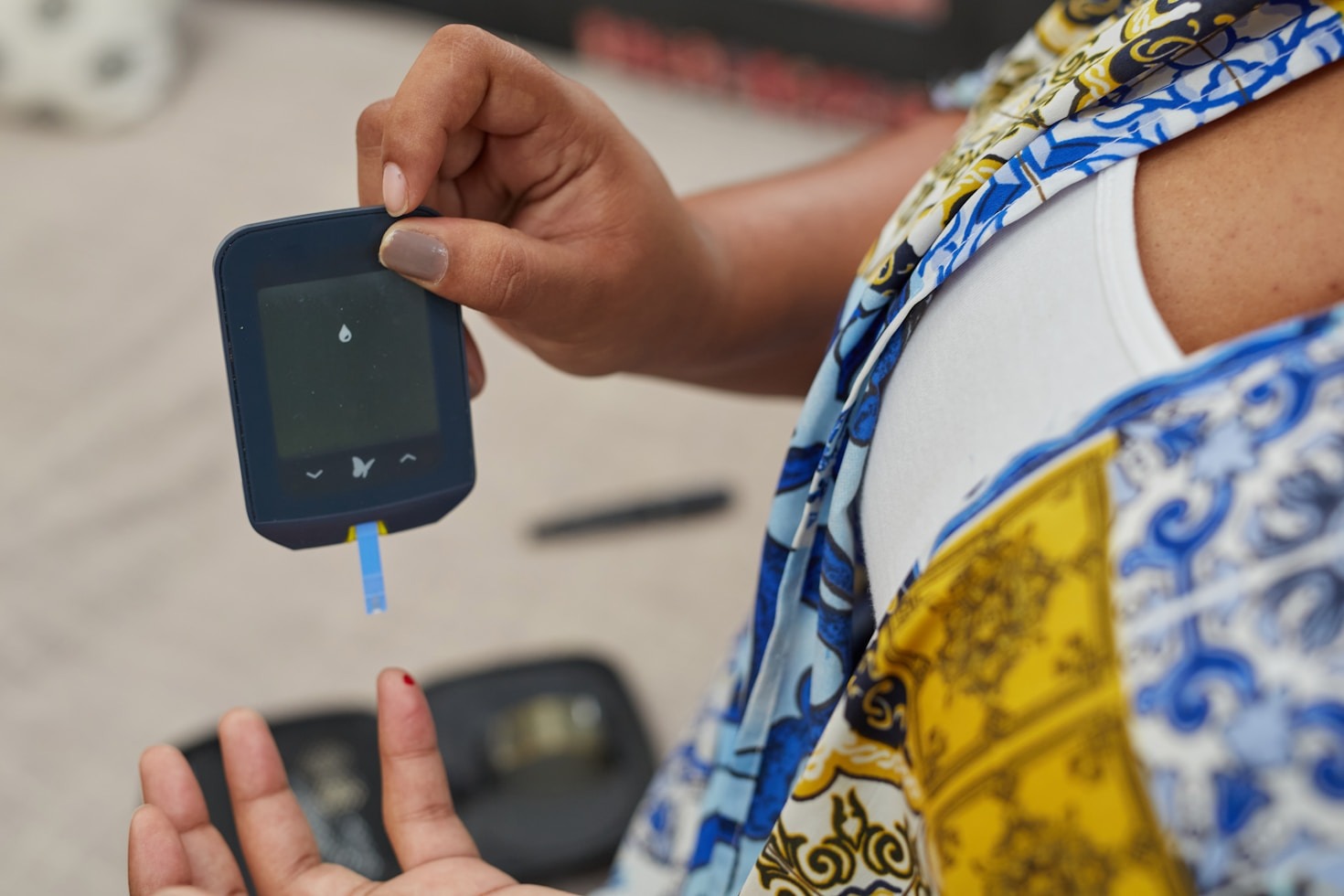
Are you tired of fluctuating energy levels, struggling with fatigue, and worried about your blood sugar? You’re not alone. Many women over 30 experience these challenges, often accompanied by hormonal imbalances and emotional ups and downs. By making simple lifestyle changes for stable blood sugar, you can regain control of your health and feel vibrant at any age. In this article, we will share practical tips that can help you smooth out those peaks and valleys in blood sugar, allowing you to embrace life fully.
Understanding Blood Sugar and Its Impact on Health
Blood sugar, or glucose, is the main source of energy for our bodies. However, its levels must be balanced. When they are too high or too low, it can lead to various health issues. For women over 30, changes in blood sugar levels can affect overall energy, mood, and even lead to conditions like diabetes. Understanding how to manage these levels is key.
The Role of Diet in Stabilizing Blood Sugar
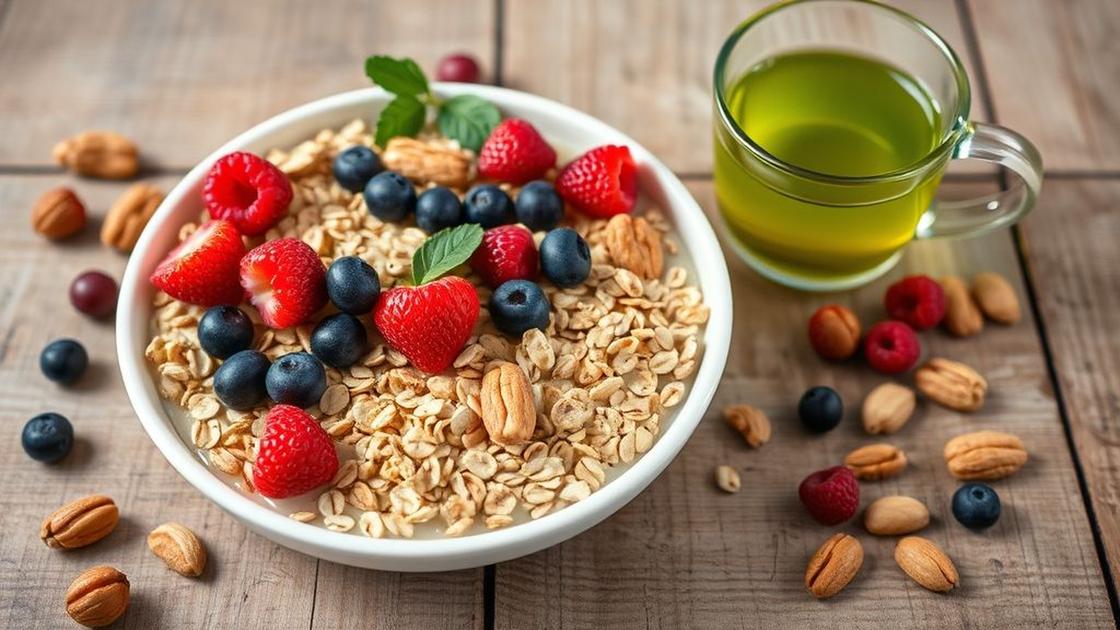
Your diet plays a crucial role in maintaining stable blood sugar. Consuming a balanced diet helps prevent spikes and drops in glucose levels.
Focus on Whole Foods: Incorporate fruits, vegetables, and whole grains. These foods are loaded with nutrients and fiber.
Limit Processed Foods: Foods high in sugar and refined carbs can cause blood sugar spikes. Try to minimize these.
Regular Meals: Eating at consistent intervals helps keep your blood sugar levels steady.
Include Healthy Fats: Foods like avocados, nuts, and olive oil can stabilize blood sugar.
How Exercise Affects Blood Sugar Levels
Regular physical activity is a powerful tool for managing blood sugar. When you exercise, your muscles use glucose for energy, which helps lower blood sugar levels.
Find Activities You Enjoy: This could be walking, dancing, or yoga. Enjoyable activities are easier to stick with.
Strength Training: Building muscle through weight training increases insulin sensitivity, allowing for better glucose uptake.
Consistency is Key: Aim for at least 30 minutes of moderate exercise most days of the week.
Mindfulness and Stress Management Techniques
Stress can significantly affect blood sugar levels. When you’re stressed, your body releases hormones like cortisol, which can raise blood sugar.
Incorporate Mindfulness Practices: Activities such as meditation, deep breathing, or gentle yoga can help manage stress.
Prioritize Leisure Time: Make sure to set aside time for hobbies and relaxation.
Journaling: Writing down your thoughts and feelings can provide a therapeutic outlet for stress.
The Importance of Regular Sleep Patterns
Getting enough quality sleep is often overlooked but is vital for maintaining balanced blood sugar levels.
Establish a Sleep Routine: Go to bed and wake up at the same time each day to regulate your body’s clock.
Create a Relaxing Environment: Ensure your bedroom is dark, cool, and quiet to facilitate a restful night.
Limit Screen Time: Reduce blue light exposure from screens before bed, as this can interfere with sleep quality.
How Hydration Plays a Key Role
Staying hydrated is crucial for overall health and can help maintain stable blood sugar levels.
Drink Plenty of Water: Aim for at least 8 glasses of water a day. Proper hydration aids in digestion and nutrient absorption.
Lemon Water: Adding lemon to your water can enhance flavor and provide extra vitamin C.
Limit Sugary Drinks: Beverages high in sugar can lead to rapid fluctuations in blood sugar levels.
Understanding Glycemic Index for Better Choices
The glycemic index (GI) measures how specific foods raise blood sugar. Choosing low-GI foods can be beneficial.
Choose Low to Medium GI Foods: Foods like barley, beans, and most fruits are great options.
Combine Foods: Pairing high-GI foods with low-GI foods (like a banana and peanut butter) can help lower the overall glycemic impact.
Moderation is Key: Even healthy foods can raise blood sugar if eaten in large quantities, so portion control matters.
The Power of Whole Foods in Your Diet
Whole foods — those that are as close to their natural state as possible — can make a world of difference for your health.
Eat a Rainbow: Incorporate a variety of fruits and vegetables to get a wide range of nutrients.
Incorporate Healthy Proteins: Foods like fish, chicken, beans, and legumes feed your body without the blood sugar spikes.
Whole Grains: Opt for brown rice, quinoa, and oats instead of refined grains.
Small Steps to Create Lasting Lifestyle Changes
Implementing change doesn’t have to be overwhelming. Start small, and these changes can lead to lasting results.
Set Achievable Goals: Begin with one small dietary change or a short exercise routine.
Track Your Progress: Keeping a journal of your meals, exercise, and how you feel each day can provide motivation.
Celebrate Success: Reward yourself for reaching goals, no matter how small they may seem.
Empowering Yourself to Take Charge of Your Health
As women, we often put others first. It’s time to prioritize your health and well-being. Remember, the journey to stable blood sugar is a step-by-step process. Many women have faced the same struggles and have emerged empowered by making small changes.
Every effort counts. You have the power to overcome fatigue, insomnia, or other challenges related to blood sugar management. By taking one step at a time, you too can join the ranks of women who have transformed their health with simple lifestyle choices. Embrace the journey and remember, you are not alone on this path. Empower yourself and pave the way to a healthier you!