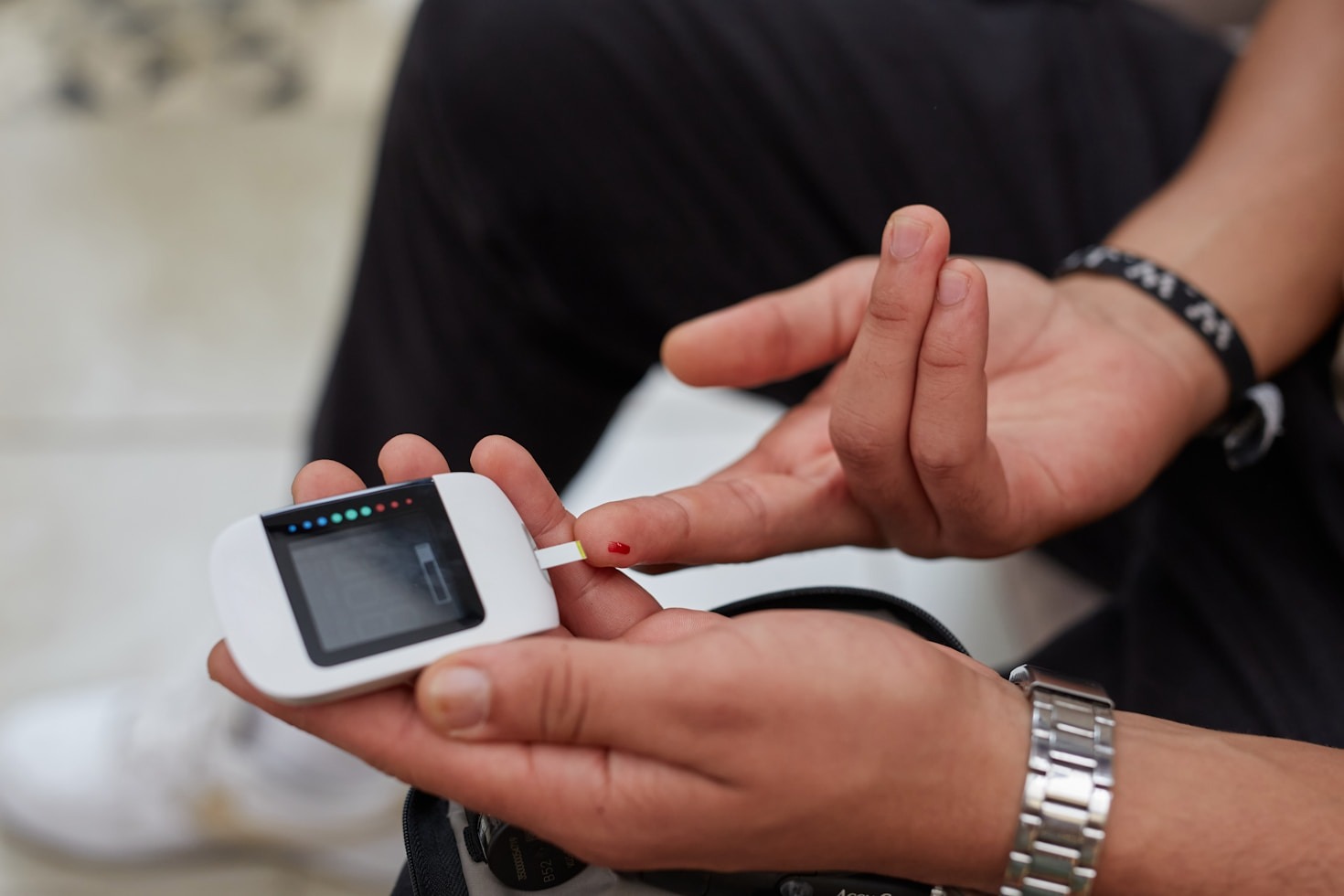
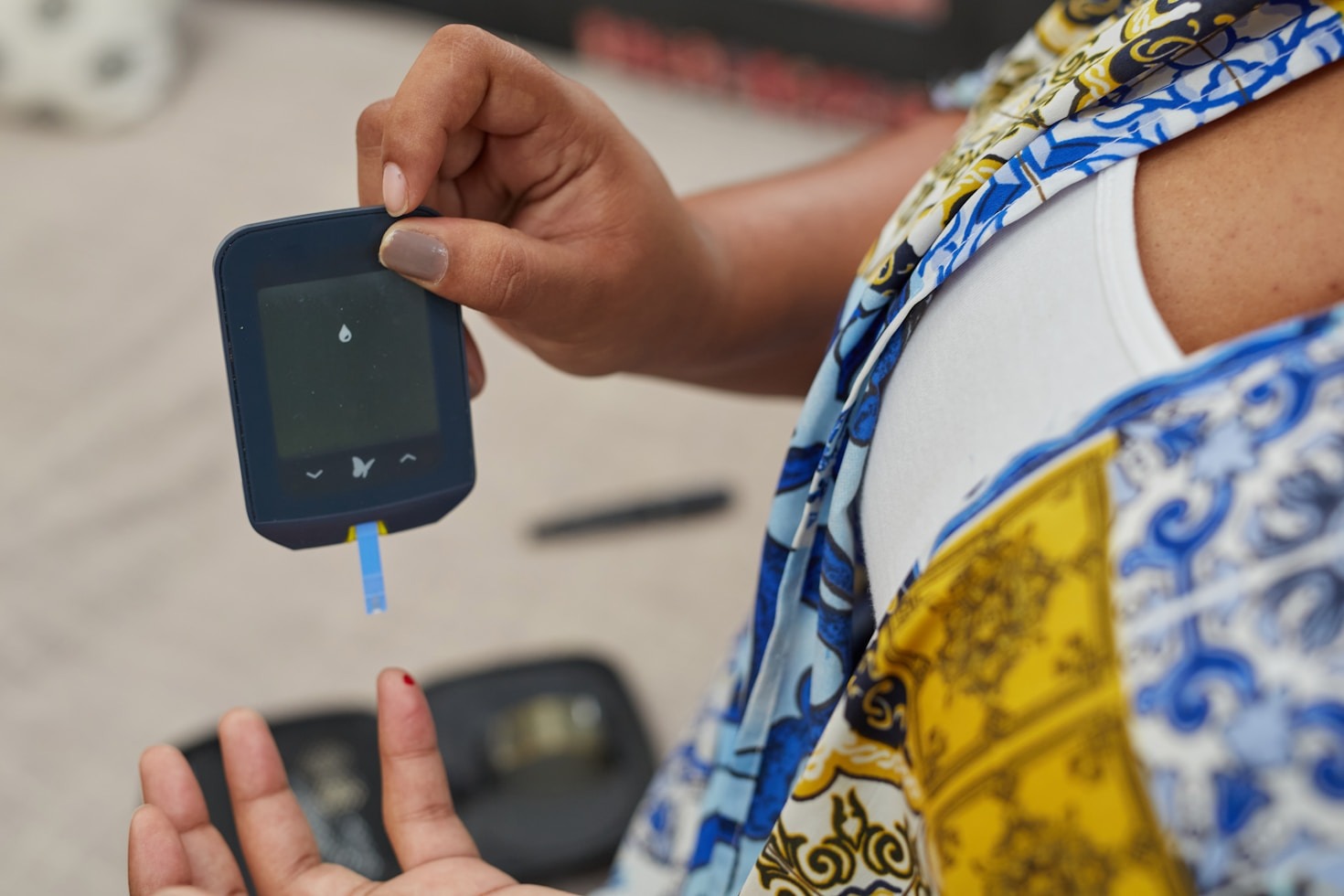
Living with blood sugar issues can be challenging, but it’s possible to provide the support your partner needs. Whether they struggle with diabetes or other glucose-related conditions, your empathy and understanding can make a difference. By learning about their daily challenges and being there for them, you can create a healthier environment and help them feel loved and supported.
Understanding Blood Sugar Issues
Living with blood sugar issues can be challenging and may impact your partner’s day-to-day life. Blood sugar issues mostly refer to conditions like diabetes or hypoglycemia, where the body’s ability to manage glucose effectively is affected. These conditions can lead to various symptoms, including fatigue, irritability, mood swings, and physical discomfort.
It’s essential to understand that these fluctuations in blood sugar levels are not merely a minor inconvenience; they can affect a person’s overall health and well-being. Learning about how food, exercise, and stress impact blood sugar can deepen your empathy and support.
Recognizing Your Partner’s Challenges
When your partner faces blood sugar issues, they might deal with:
Physical Symptoms: Such as tiredness, headaches, or dizziness.
Mood Swings: Low blood sugar can lead to irritability, while high blood sugar may cause anxiety.
Social Challenges: They may feel self-conscious about their eating habits in social situations.
Diet Restrictions: Certain foods might be off-limits, leading to frustration.
Recognizing these challenges is the first step in offering appropriate support. Small gestures, like being patient or understanding their dietary restrictions, can go a long way.
Creating a Supportive Home Environment
The home should feel like a safe haven where your partner can manage their condition without added stress. Consider making these adjustments:
Healthy Food Choices: Stock up on healthy snacks that are low in sugar.
Designated Meal Plans: Create meal plans that accommodate their needs.
Open Lines of Communication: Ensure that both of you feel comfortable discussing any issues related to their health.
Scheduled Check-ins: Regularly ask how they are feeling or if they need anything.
Encouraging Healthy Eating Habits
Food plays a significant role in managing blood sugar levels. Here’s how you can encourage healthy eating:
Cook Together: Engage in meal-prepping as a bonding activity.
Experiment with New Recipes: Find and try diabetic-friendly meals that are tasty.
Practice Portion Control: Educate yourselves on serving sizes that are healthy.
Avoid Temptations: Encourage a pantry filled with healthy options instead of junk food.
Supporting your partner in their dietary choices can foster a healthier lifestyle and strengthen your relationship.
Managing Stress Together
Stress can impact blood sugar levels significantly. It’s vital for both of you to manage stress healthily. Here are a few ways to do this:
Mindfulness Practices: Introduce meditation or deep-breathing exercises.
Share Hobbies: Engage in activities that you both enjoy, like painting or gardening.
Take Walks: Regular walks can ease stress and help with glycemic control.
Limit Stressors: Work on identifying and minimizing stress triggers together.
By managing stress together, you help create an emotional balance that is essential for maintaining healthy blood sugar levels.
The Role of Physical Activity
Regular physical activity is crucial in managing blood sugar levels. Here are ways you can include this in your lives:
Workout Together: Join a gym or take classes that fuel both your interests.
Daily Routines: Incorporate small activities like taking the stairs or short walks.
Set Goals: Encourage each other to reach personal fitness milestones.
Stay Consistent: Make exercising a regular part of your schedule.
Being physically active not only helps in managing blood sugar but also promotes emotional bonding between you and your partner.
Learning About Blood Sugar Monitoring
Monitoring blood sugar is vital for understanding how food and lifestyle choices affect health. Here’s how you can help:
Educate Yourself: Familiarize yourself with your partner’s monitoring tools.
Encourage Tracking: Help them keep a journal of their levels and feelings.
Participate in Appointments: Join them during doctor visits if they’re comfortable with that.
Learn Together: Read articles, books, or watch videos about blood sugar management.
Being involved in this process will enhance your understanding and support effectively.
Communicating Openly and Effectively
Open communication is the backbone of your support. Here’s what to focus on:
Ask Questions: Make it a habit to ask how they are feeling.
Listen Actively: Make sure to listen without interrupting.
Express Empathy: Validate their feelings and experiences.
Discuss Changes: Be open about any changes and how they affect daily life.
This solid foundation of communication will enhance trust and will improve the emotional support you provide.
Celebrating Small Victories Together
Recognizing achievements, no matter how small, is crucial. Consider these strategies:
Set Achievable Goals: Help create smaller, manageable goals.
Reward Progress: Celebrate hitting milestones with special treats or outings.
Share Testimonials: Discuss success stories of others living with blood sugar issues.
Maintain Positivity: Keep an uplifting and positive atmosphere regarding their health journey.
Celebrating victories together can strengthen your bond and motivate both of you.
Inspiring Each Other Towards a Healthier Lifestyle
Finally, inspire each other to maintain a balanced and healthier lifestyle by:
Sharing Ideas: Discuss lifestyle hacks that help manage blood sugar.
Staying Curious: Ask questions about what inspires each other.
Creating a Vision Board: Visualize your health goals on a board.
Engaging Together: Join community classes or activities to learn more.
Being each other’s cheerleader can motivate positive changes and maintain a supportive atmosphere at home.