Have you ever felt unsure about how to support a partner with blood sugar challenges? It’s not uncommon to feel overwhelmed when loved ones face health issues. For many women over 30, balancing daily life with a partner’s health concerns can lead to stress, anxiety, and fatigue. In this guide, we’ll explore practical ways to help your partner manage their blood sugar levels while nurturing your relationship.
Understanding Blood Sugar Challenges
Blood sugar challenges can be tough for those living with conditions like diabetes or hypoglycemia. Blood sugar levels fluctuate due to various factors including diet, stress, and physical activity. When your partner faces these challenges, it can affect both their physical health and emotional well-being. It’s important to understand what causes these fluctuations. For instance:
Diet: What your partner eats directly impacts their blood sugar. Foods high in carbohydrates can cause spikes, while others may keep levels steady.
Stress: Emotional ups and downs can cause blood sugar levels to erratically shift.
Exercise: Physical activity usually helps to lower blood sugar, but it can also cause levels to drop too low if not managed properly.
Learning about these factors helps you provide informed support.
The Emotional Impact of Blood Sugar Issues
Living with blood sugar challenges can be overwhelming. Your partner may feel anxious or frustrated when they face unpredictable blood sugar levels. It can affect their mood, leading to feelings of isolation, uncertainty, or worry. When blood sugar is too low or too high, it often leads to irritability, fatigue, or confusion. Just being there for them can make a huge difference. Try listening to their concerns and validate their feelings. Understanding and empathy can help create a safe space for open conversations.
Practical Tips to Manage Blood Sugar at Home
Here are some practical steps you can take to help manage blood sugar levels together:
Create a Routine: Establishing regular meal times can keep blood sugar levels stable.
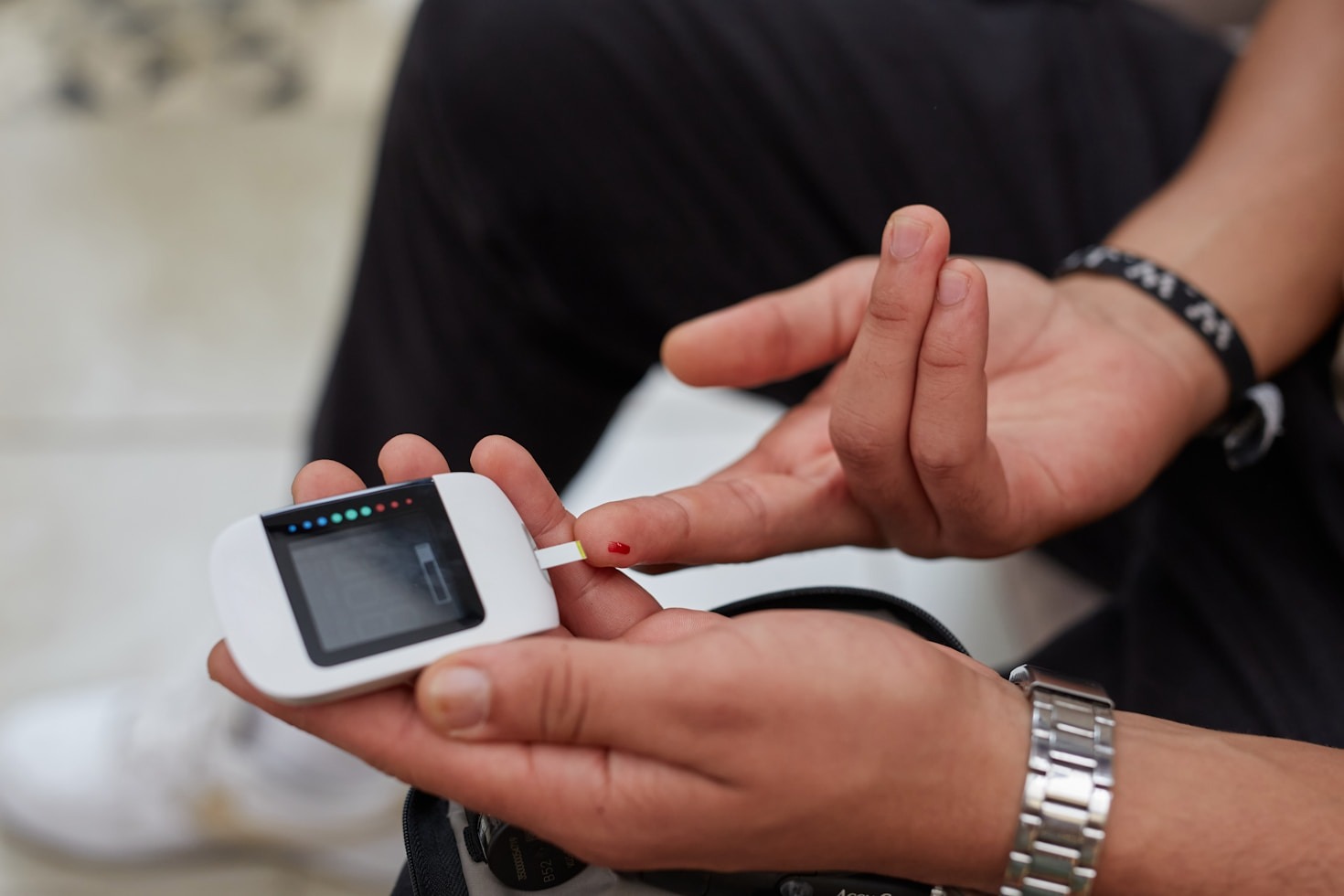
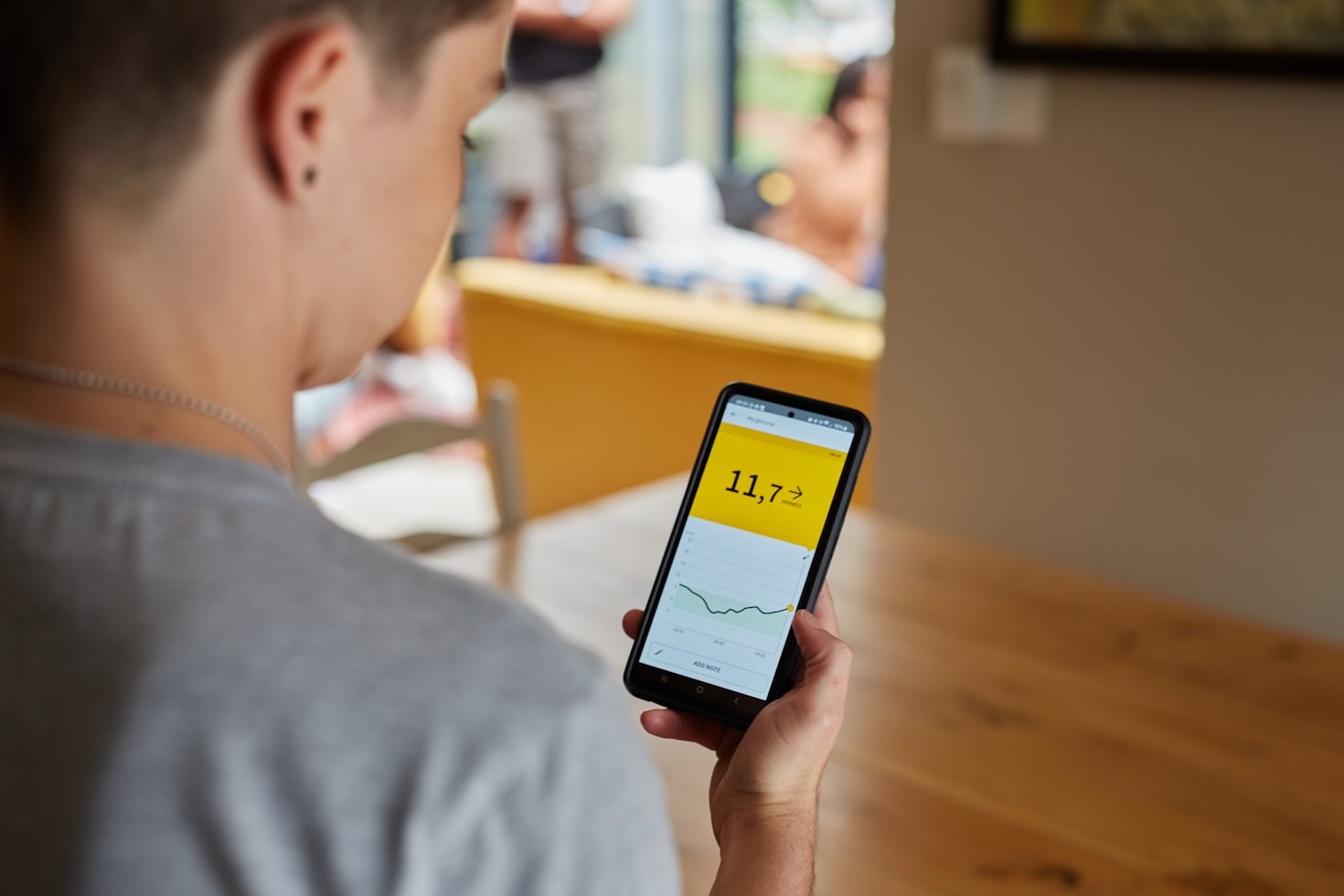
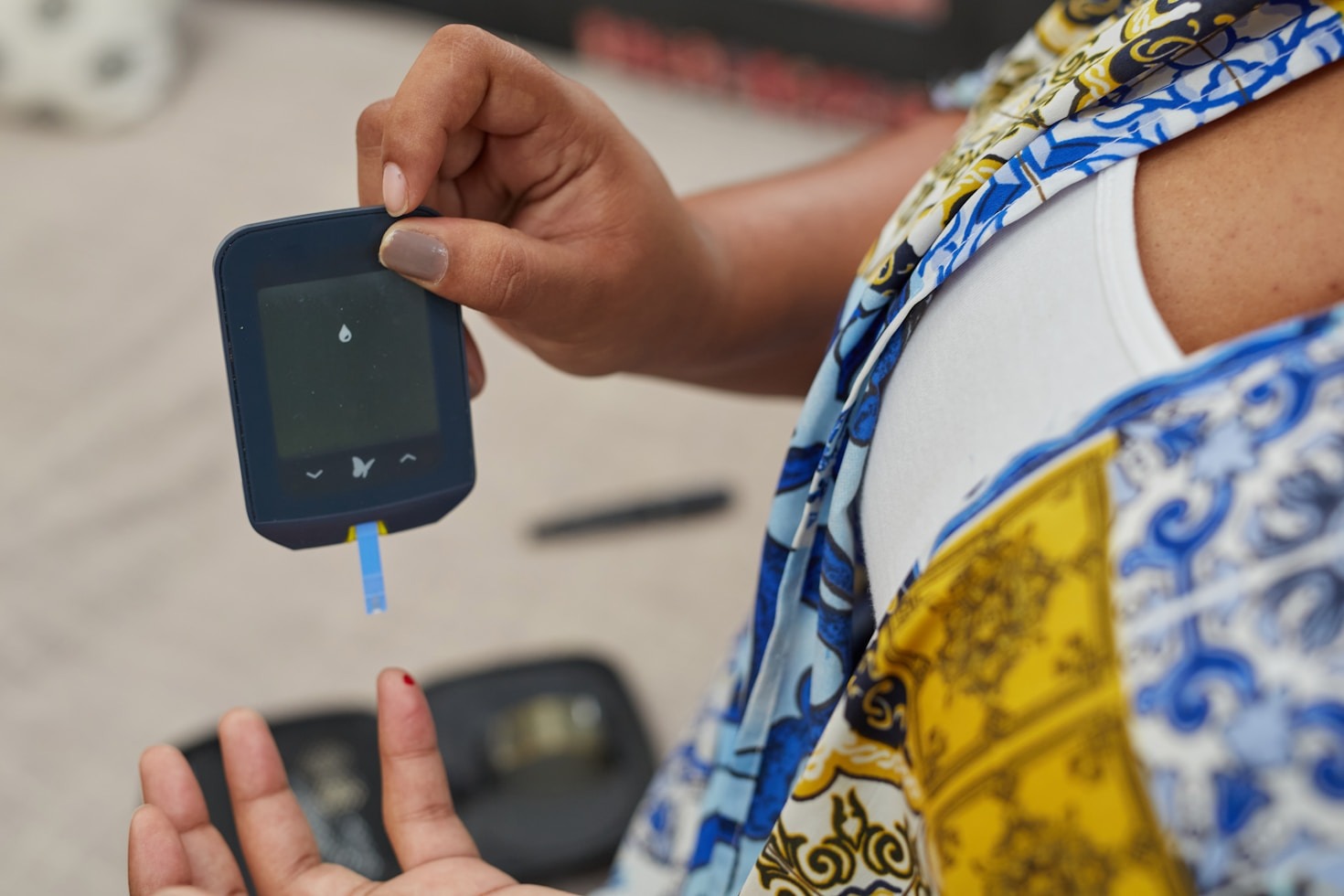
Monitor Levels: Encourage your partner to check their blood sugar regularly. This can help identify patterns and triggers.
Keep Snacks on Hand: Have healthy snacks available to help prevent low blood sugar.
Stay Hydrated: Remind your partner to drink water throughout the day.
These small actions contribute to a more organized approach to managing their health.
Communicating Effectively with Your Partner
Communication is key in supporting your partner. Start with open-ended questions to encourage sharing. Try asking, “How did you feel today?” or “What can I do to help you?” Always approach conversations with empathy and patience. Allow them to express their feelings without judgment. Remember to check in frequently; sometimes, it’s the little things that count!
Creating a Supportive Environment
Your living environment can play a significant role in managing blood sugar challenges. Here are some tips:
Maintain Healthy Options: Stock your kitchen with healthy foods that are low in sugar and high in fiber.
Be Active Together: Encourage physical activity by planning walks or exercise together.
Minimize Stress: Create a peaceful home environment. Simple things like decluttering and organizing can significantly reduce stress.
Creating a nurturing space helps in promoting a healthier lifestyle.
Healthy Meal Planning for Couples
Cooking healthy meals together can be both a fun and supportive activity. Consider planning meals that are balanced and nutritious. Here are a few ideas:
Focus on Whole Foods: Use fresh vegetables, lean proteins, and whole grains to prepare meals.
Portion Control: Be mindful of serving sizes to prevent overindulgence.
Try New Recipes: Experiment with recipes that include low glycemic index foods that help maintain steady blood sugar levels.
Engaging in meal prep together can also strengthen your bond!
Encouraging Exercise Together
Exercise is vital for maintaining a healthy lifestyle. Here are a few engaging ways to incorporate exercise into your routine:
Find Activities You Both Enjoy: Whether it’s cycling, dancing, or yoga, choose something that makes you both happy.
Set Goals Together: Consider setting fitness challenges and celebrate progress.
Make it Social: Join a fitness class together or participate in local events. This can enhance motivation.
Staying active not only helps with blood sugar levels but also fosters a sense of partnership.
Recognizing Signs of Low or High Blood Sugar
Being aware of the signs of low or high blood sugar can save your partner from serious complications. Some common symptoms include:
Low Blood Sugar (Hypoglycemia): Sweating, shakiness, confusion, irritability, or weakness.
High Blood Sugar (Hyperglycemia): Frequent urination, excessive thirst, fatigue, and blurred vision.
Recognizing these signs allows you to act quickly. Always keep necessary supplies, like glucose tablets, nearby just in case.
Resources for Further Support
There are many resources available to support both you and your partner. Here are some suggestions:
Local Support Groups: These can provide emotional support from others who understand.
Online Communities: Websites like Diabetes Daily offer forums and resources for ongoing education.
Consult Healthcare Professionals: Regular check-ups with healthcare providers can offer guidance tailored to your partner’s needs.
Utilizing these resources can enhance your understanding and support effectively.
Building a Stronger Relationship Through Challenges
Supporting a partner with blood sugar challenges may seem daunting, but it can also strengthen your relationship. By going through this journey together, you’re not only aiding in their health but also building trust, resilience, and deeper emotional connections.
In times of difficulty, remind each other of your strengths. Celebrate small victories and never underestimate the power of your companionship. Believe in yourselves! Through every challenge, remember that improvement is possible, just like many have found success before you. Encouragement and understanding can pave the way for a supportive and loving environment.