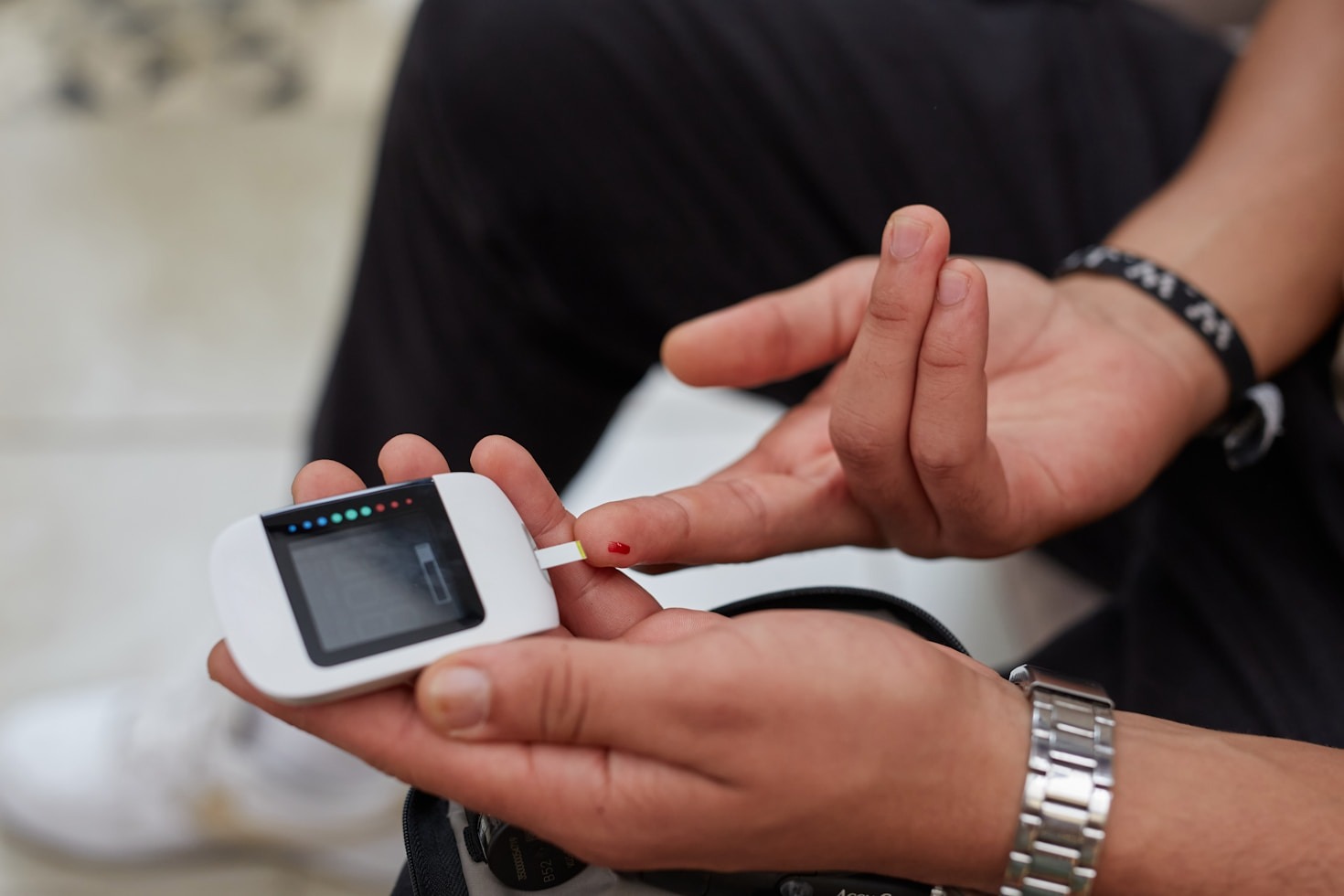
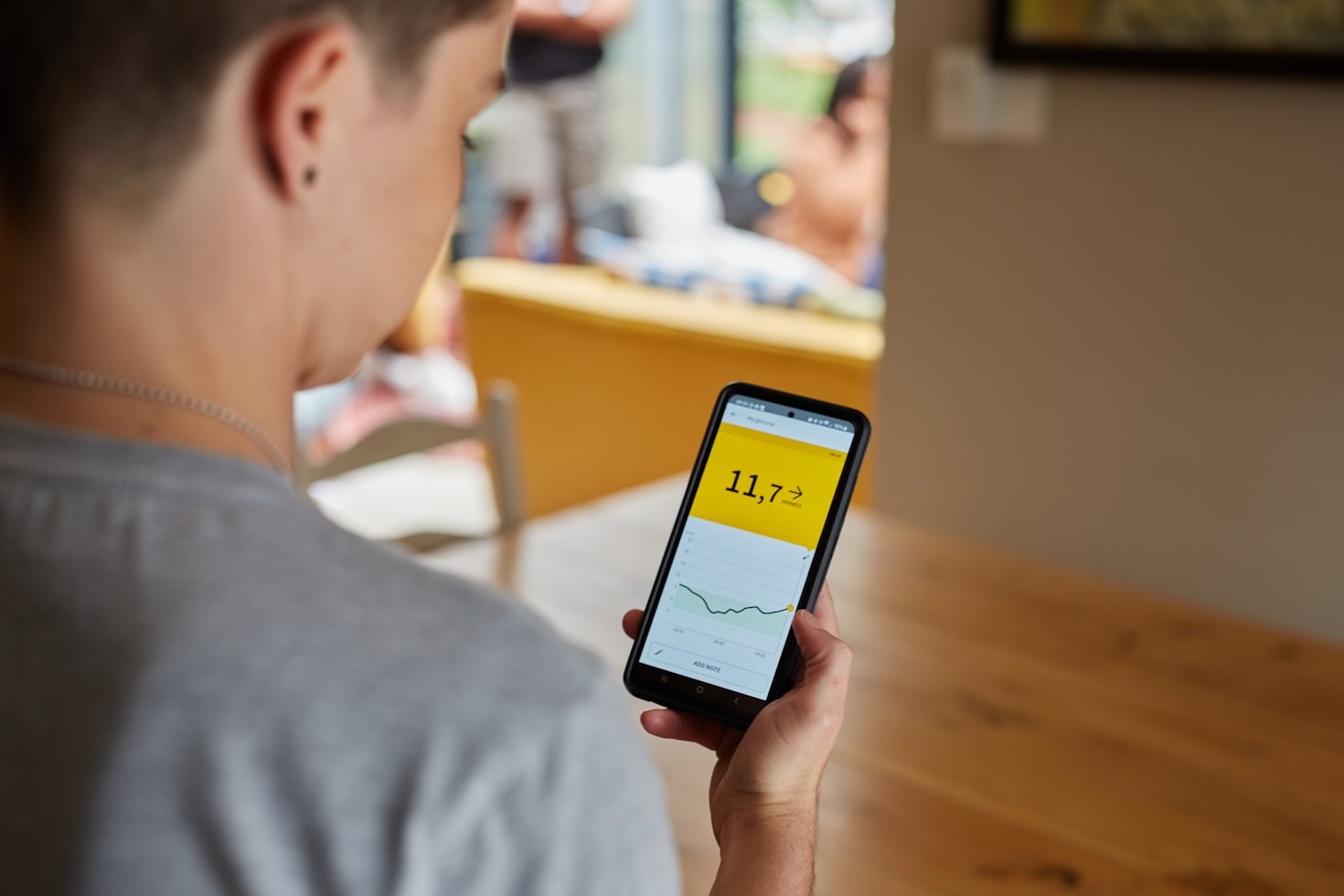
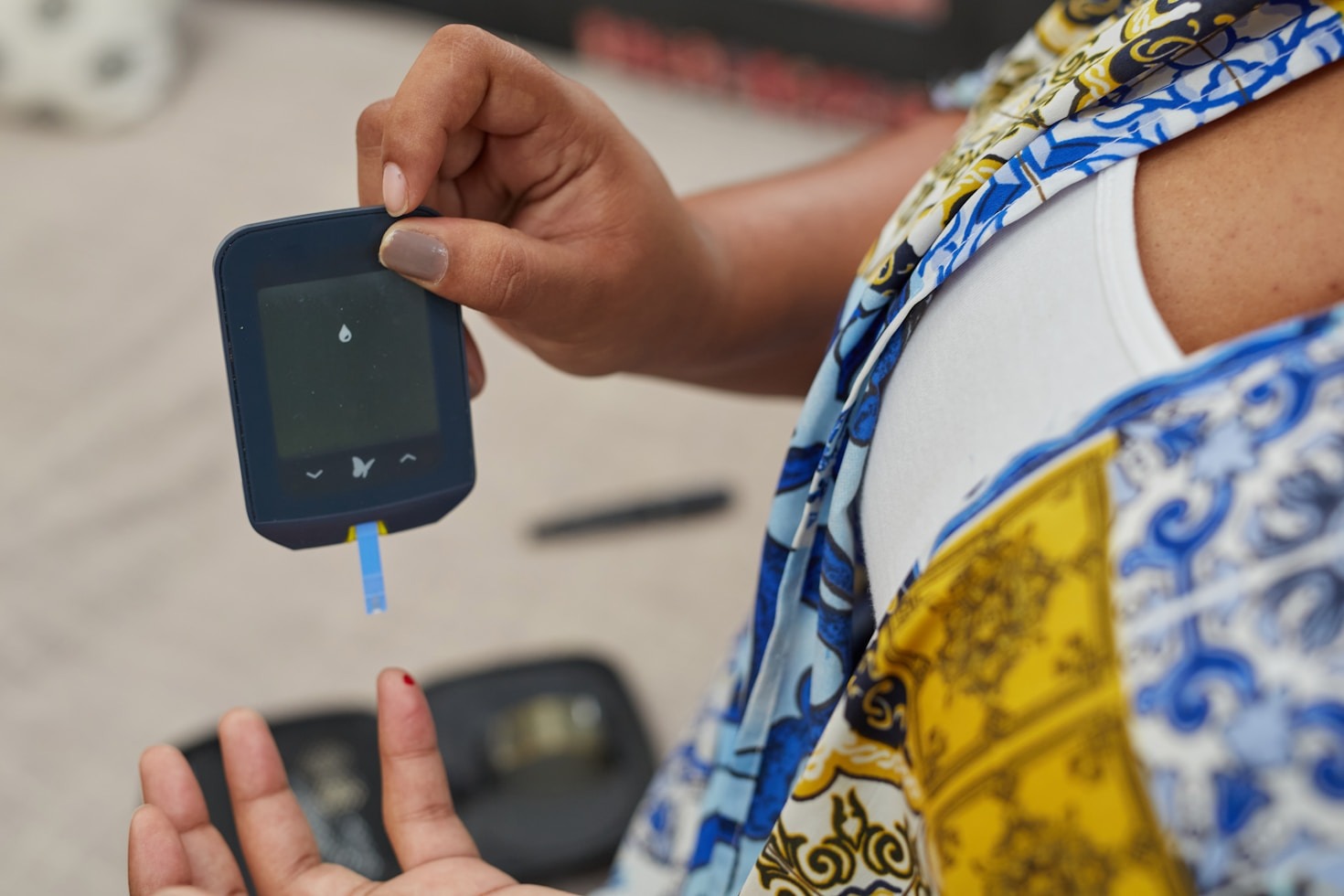
Have you noticed that chronic fatigue, unexplained mood swings, or unexpected weight changes seem to linger in your life? These challenges are often overlooked yet linked to hidden symptoms of glucose imbalance. Many women, especially those over 30, endure these struggles daily, leaving them feeling lost and frustrated. In this post, we’ll uncover how glucose levels can affect your overall well-being and what you can do to regain control of your health.
Understanding Glucose Imbalance: Symptoms and Causes
Glucose imbalance occurs when your blood sugar levels are too high or too low. Women over 30 often experience this due to hormonal changes, lifestyle factors, and stress. Some hidden symptoms might include:
Unexplained weight gain or loss
Mood swings
Persistent cravings for sweets
Difficulty concentrating
Increased thirst and frequent urination
It’s vital to understand the causes behind glucose imbalance. Factors such as poor diet, lack of physical activity, sleep disturbances, and emotional stress can all contribute. Pay attention to your body and its signals; they often provide clues to your glucose health.
The Connection Between Glucose Levels and Fatigue
Many women find themselves battling fatigue. If you feel constantly drained, glucose imbalance might be a hidden factor. Low blood sugar can lead to extreme tiredness, as your body lacks the energy it needs to function optimally.
High blood sugar, on the other hand, can also make you feel sluggish and fatigued as your body works hard to process excess glucose. Many women go through cycles of high energy followed by deep fatigue, which can be frustrating.
How Hormonal Changes Influence Glucose Balance
Hormonal changes, particularly during menstrual cycles or menopause, can significantly impact glucose levels. As hormones fluctuate, they can cause resistance to insulin, making it harder for your body to manage glucose effectively.
This imbalance can lead to mood fluctuations, weight gain, and other challenges. Recognizing this connection can help you take steps to manage your glucose levels and mitigate the effects of these hormonal changes.
Recognizing the Signs: When to Seek Help
If you’re experiencing persistent symptoms like unexplained fatigue, mood swings, or significant cravings, it may be time to seek help. Don’t hesitate to talk to a healthcare professional. They can provide guidance and recommendations tailored to your needs.
Listening to your body is crucial. If symptoms worsen or new ones arise, reaching out for support can make a world of difference in managing your health.
Simple Lifestyle Changes to Manage Your Glucose Levels
Making small changes to your daily routine can significantly impact your glucose balance. Here are a few tips:
Incorporate more whole foods: Focus on fruits, vegetables, whole grains, and lean proteins.
Stay hydrated: Drink plenty of water throughout the day.
Monitor portion sizes: Be mindful of how much you eat at one time.
Regular meals: Eat at regular intervals to help maintain steady blood sugar.
These simple shifts can ground your energy levels and improve your overall well-being. Remember, each small step counts!
The Role of Nutrition in Glucose Balance
Your diet plays a crucial role in regulating glucose levels. Paying attention to what you eat can enhance your metabolic health. Choose foods with a low glycemic index to avoid spikes in blood sugar.
Some helpful foods include:
Leafy greens
Legumes
Berries
Nuts and seeds
Incorporate fiber-rich foods, which can help stabilize blood sugar and keep you feeling full for longer. Every meal is an opportunity to nourish yourself and boost your health.
The Impact of Stress on Glucose Imbalance
Stress has a significant impact on glucose levels. When you’re stressed, your body releases hormones like cortisol, which can lead to elevated blood sugar levels. Managing stress is essential for maintaining balance.
Consider integrating stress-reducing practices like yoga, meditation, or deep-breathing exercises into your routine. These activities not only improve your mental health but also help to stabilize your glucose levels.
Integrating Exercise into Your Daily Routine
Regular physical activity is vital for managing glucose balance. Whether you enjoy walking, dancing, or yoga, moving your body helps to utilize glucose for energy. Aim for at least 30 minutes of moderate exercise most days.
Find activities you love. This makes it easier to stick with an exercise routine. Walking with a friend, trying new fitness classes, or even gardening can make exercise enjoyable and effective.
Mindfulness Practices for Better Glucose Control
Practicing mindfulness can significantly improve your relationship with food and stress. Being aware of your body and feelings can help you make better choices. Here are a few simple mindfulness techniques:
Mindful eating: Pay attention to flavors and textures while eating.
Gratitude journaling: Write down things you are grateful for daily.
Deep breathing exercises: Take a moment to breathe consciously during stressful times.
These practices can help you stay present and make healthier decisions that positively impact your glucose levels.
Discovering Hope: Real Stories of Transformation
Many women have turned their health around by recognizing the symptoms of glucose imbalance. They’ve made small but impactful changes to their diets and lifestyles that have led to improved energy levels, better moods, and overall well-being.
It’s inspiring to see how with determination and a step-by-step approach, others have found hope and renewal. Their stories remind us that it’s possible to reclaim your health and happiness, no matter where you start.
Believe that you too can improve your symptoms and navigate the challenges of glucose imbalance. Take that first step today! Discover the simple methods that have worked for so many women. Change is possible — and you are not alone on this journey.