Have you ever felt unexplainable fatigue, struggled with mood swings, or found insomnia creeping into your nights? These symptoms could point to unstable glucose levels, a common issue that many women face after 30. Recognizing the hidden signs of this condition is crucial for your well-being. In this article, we’ll explore how to identify these signs and take proactive steps to restore balance in your life.
Understanding Glucose Levels and Their Impact on Health
Glucose is a sugar that our bodies use for energy. When we eat, our bodies break down carbohydrates into glucose. Insulin, a hormone produced by the pancreas, helps move glucose from the blood into the cells where it can be used for energy. When glucose levels are unstable, it can lead to various health issues.
Women over 30 may experience fluctuations in glucose levels due to hormonal changes, stress, and lifestyle factors. These alterations can lead to feeling tired, anxious, or even out of control, impacting their daily lives. Understanding your glucose levels is vital for maintaining overall health and well-being.
Common Symptoms of Unstable Glucose Levels
Unstable glucose levels can manifest in many ways. Here are some common symptoms to be aware of:
Fatigue: Feeling unusually tired can be a sign that your glucose levels are not where they should be.
Increased Thirst: If you find yourself drinking more water than usual, it could be a response to high blood sugar levels.
Frequent Urination: This can occur when the kidneys work extra hard to filter out excess glucose.
Cravings for Sugar: Unstable glucose can lead to intense cravings for sugary snacks as your body seeks quick energy.
Difficulty Concentrating: Low blood sugar can make it hard to focus, leading to brain fog or confusion.
The Connection Between Glucose and Women’s Health
Women’s bodies go through many changes, especially around menopause and during their menstrual cycles. Hormonal fluctuations can influence how the body processes glucose. For example, low estrogen levels during menopause can lead to higher insulin resistance, causing instability in glucose levels.
Understanding this connection is crucial. Women might experience mood swings, weight gain, and other symptoms tied to their glucose levels, making it essential for them to monitor their health closely.
How Stress Affects Your Glucose Levels
Stress is a common part of life, but many don’t realize how deeply it can affect glucose levels. When you’re stressed, your body releases hormones like cortisol and adrenaline. These hormones can increase blood sugar levels, leading to spikes and crashes that leave you feeling drained.
This cycle can become a vicious one, as the more stressed you feel, the more unstable your glucose levels can become. Finding ways to manage stress — like deep breathing, meditation, or gentle yoga — can help keep your glucose levels balanced.
Recognizing Emotional Signs of Glucose Imbalance
Emotional well-being is closely tied to physical health. Women often experience emotional signs when their glucose levels are off. These may include:
Increased Anxiety: Fluctuating blood sugar can lead to feelings of anxiety and irritability.
Depression: Chronic low energy and mood changes can contribute to feelings of sadness.
Fear and Insecurity: Constant worries about health can lead to emotional distress, especially if glucose levels are unstable.
Being aware of these signs can help you take steps toward addressing them. It’s important to recognize that both mental and physical health are interconnected, and seeking help can be a vital step towards feeling better.
Simple Ways to Monitor Your Glucose at Home
Monitoring your glucose levels at home doesn’t have to be complicated. Here are a few simple ways to keep track:
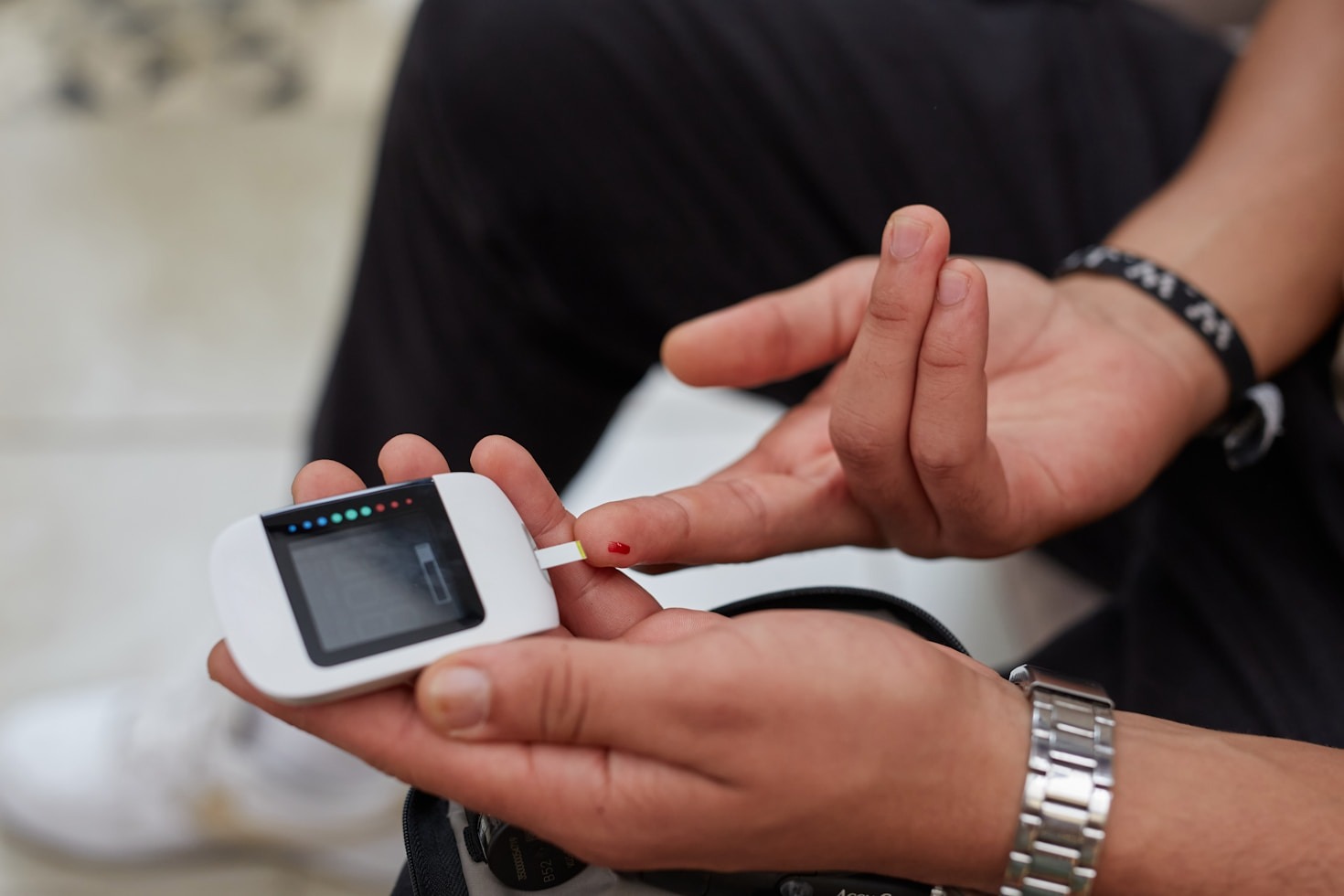
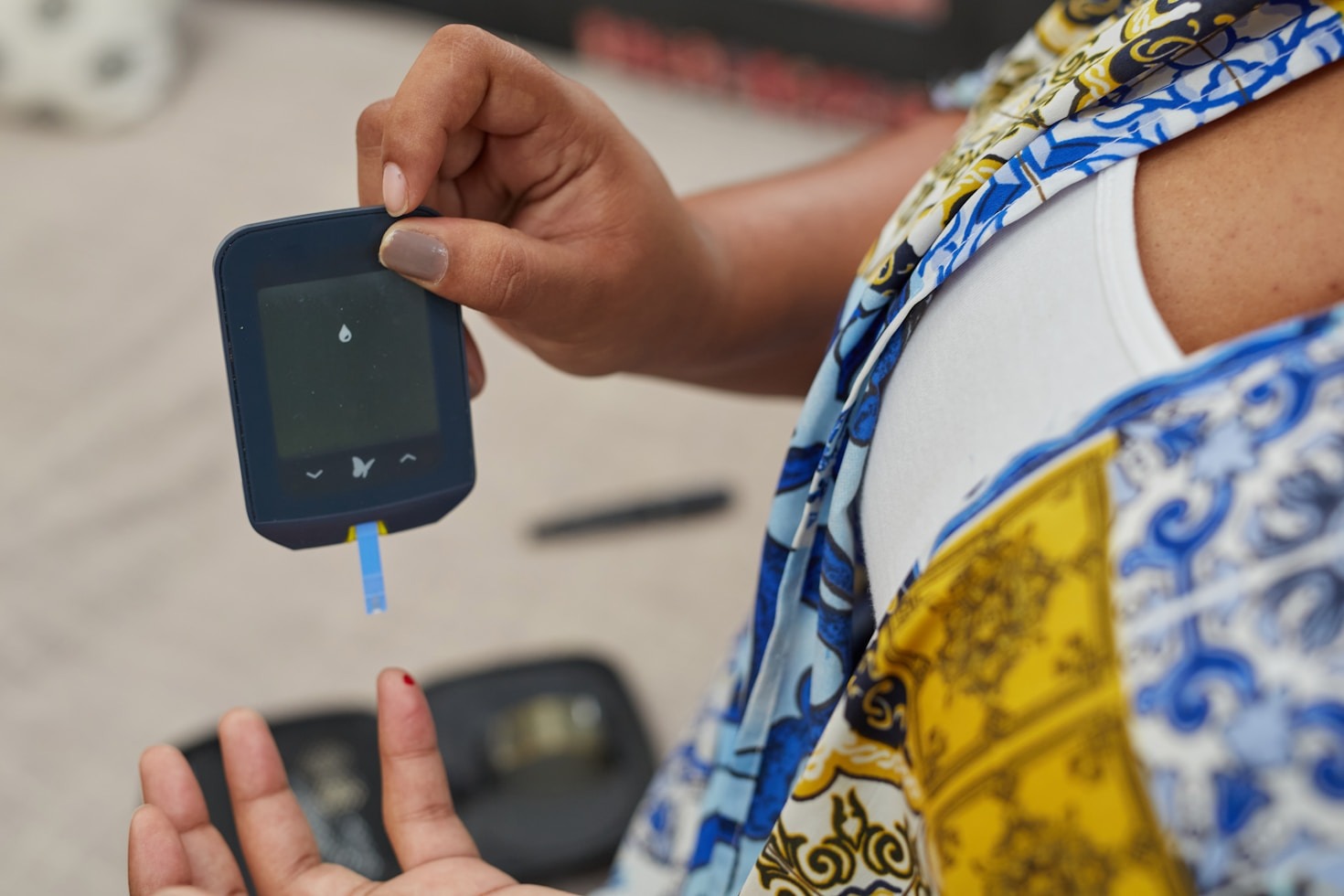
Use a Glucometer: If you have concerns, a glucometer can help you see how your glucose levels vary throughout the day.
Keep a Food Journal: Write down what you eat and how you feel afterward to help identify any patterns.
Practice Mindfulness: Take note of how your body feels emotionally and physically, especially after meals.
By keeping track of your glucose levels, you can identify trends that may need more attention.
Dietary Changes to Stabilize Glucose Levels
Food plays a significant role in stabilizing glucose levels. Here are some dietary changes you might consider:
Choose Whole Foods: Opt for whole grains, fruits, and vegetables over processed foods that can cause spikes in blood sugar.
Balance Your Meals: Include healthy fats, protein, and fiber in your diet to help slow down glucose absorption.
Stay Hydrated: Drinking plenty of water can help flush out excess sugar and keep your body functioning optimally.
Making small, manageable changes can help create a more stable environment within your body, promoting better health overall.
The Role of Exercise in Maintaining Balanced Glucose
Exercise is a powerful tool for managing glucose levels. Here are ways it helps:
Improves Insulin Sensitivity: Regular physical activity helps your cells respond better to insulin.
Burns Glucose: Exercise uses glucose for energy, which can help lower blood sugar levels.
Reduces Stress: Physical activity is a great stress reliever, which also helps to stabilize glucose levels.
Finding ways to incorporate movement into your day, such as walking, dancing, or yoga, can help create a more balanced lifestyle.
When to Seek Professional Help for Glucose Issues
It’s important to seek professional assistance if you notice persistent symptoms associated with unstable glucose levels. Consider consulting a healthcare provider if:
Your symptoms worsen or don’t improve with lifestyle changes.
You have difficulty managing your appetite or weight.
You regularly experience blood sugar spikes or dips.
Getting professional advice can provide you with a comprehensive plan tailored to your needs and help you regain control over your health.
Inspiring Stories of Women Who Overcame Glucose Challenges
Many women have faced similar challenges and have successfully turned their health around. Here are some inspiring stories:
Marie: After recognizing her glucose issues, Marie began a walking routine and modified her diet. Within months, she felt more energized and joyful.
Jane: Jane struggled with anxiety linked to her fluctuating glucose levels. By working with a nutritionist, she learned to balance her meals, leading to improved emotional well-being.
Linda: After years of feeling tired, Linda discovered her unstable glucose was affecting her. With simple lifestyle changes, she regained her vibrancy and zest for life.
These stories show that it’s possible to navigate these challenges and find solutions. You, too, can take charge of your health and improve your quality of life.
Remember, dear woman, it is possible to overcome the silent struggles you face daily. Taking small, dedicated steps can lead you toward a more balanced and vibrant life, just as countless other women have done. Explore your potential for a healthier tomorrow!