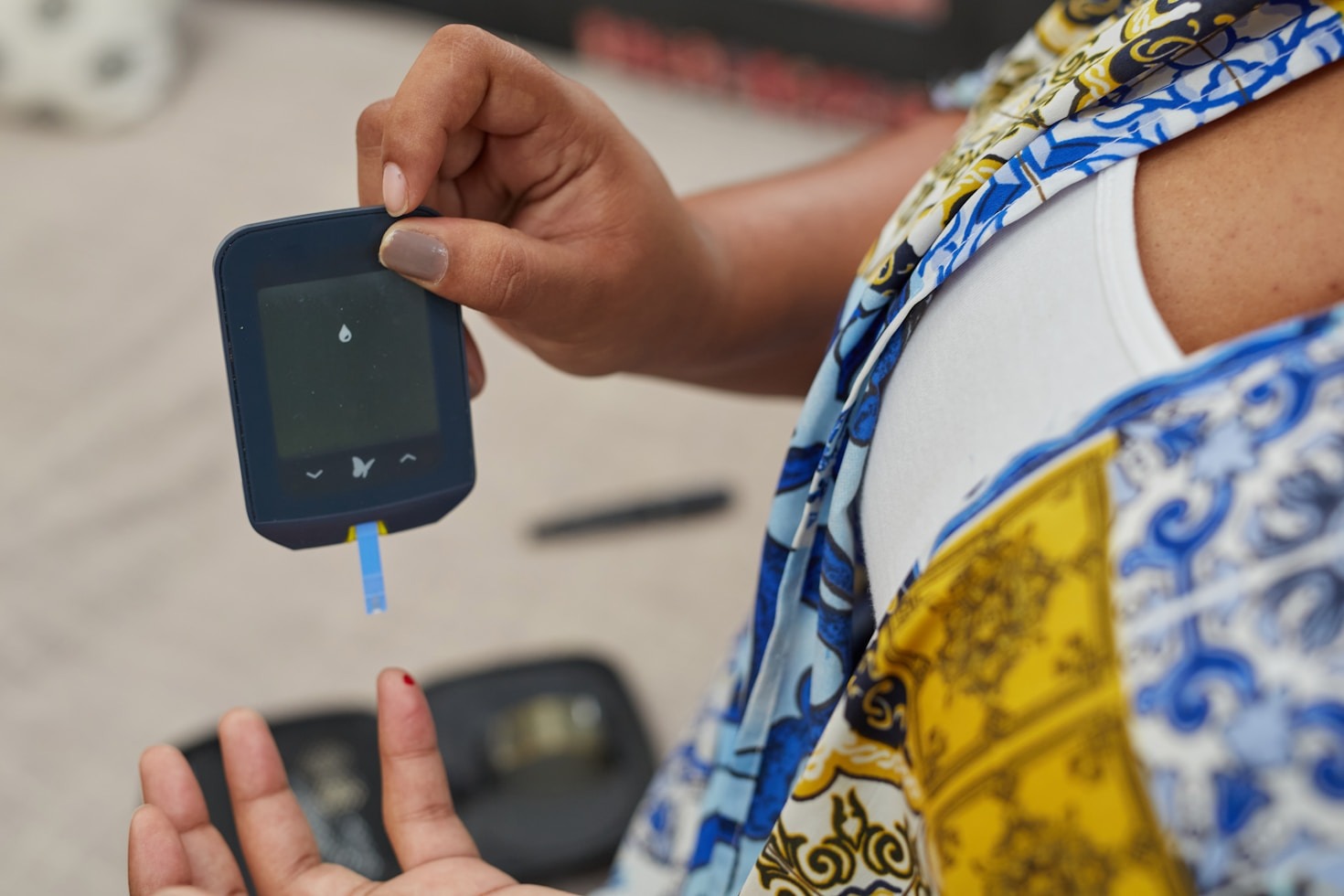
Are you struggling with prediabetes and feeling overwhelmed by dietary choices? You’re not alone! Many women over 30 face this silent challenge, dealing with fatigue, hormonal fluctuations, and sometimes even anxiety. The good news is that managing prediabetes through simple lifestyle and dietary adjustments is not only possible but can also be incredibly empowering. In this article, we’ll explore practical ways to embrace a healthier life naturally.
Understanding Prediabetes: The Basics Everyone Should Know
Prediabetes is a condition that many women experience, especially as they enter their 30s and beyond. It often goes unnoticed because the symptoms can be subtle. Essentially, prediabetes occurs when your blood sugar levels are higher than normal but not high enough to be classified as type 2 diabetes. This is a critical stage that, if not managed, can lead to serious health problems.
Many women in this age group experience fatigue, weight gain, and hormonal imbalances, making it even more important to pay attention to your health. Recognizing the signs and understanding the basics of this condition can empower you to take control of your health journey.
The Role of Diet in Managing Prediabetes
Your diet plays a crucial role in managing predisease. It’s not just about what you eat, but how it affects your body. Research has shown that what you eat can influence your insulin sensitivity and blood sugar levels.
Often, women feel overwhelmed trying to make dietary changes amidst busy schedules and family demands. However, realizing that small changes can make a significant impact is essential. Instead of strict dieting, think of it as a journey towards healthier choices. This positive mindset can alleviate some of the stresses and frustrations you might feel.
Essential Foods to Include in Your Prediabetes Diet
Filling your plate with the right foods can help your body manage insulin levels effectively. Consider incorporating:
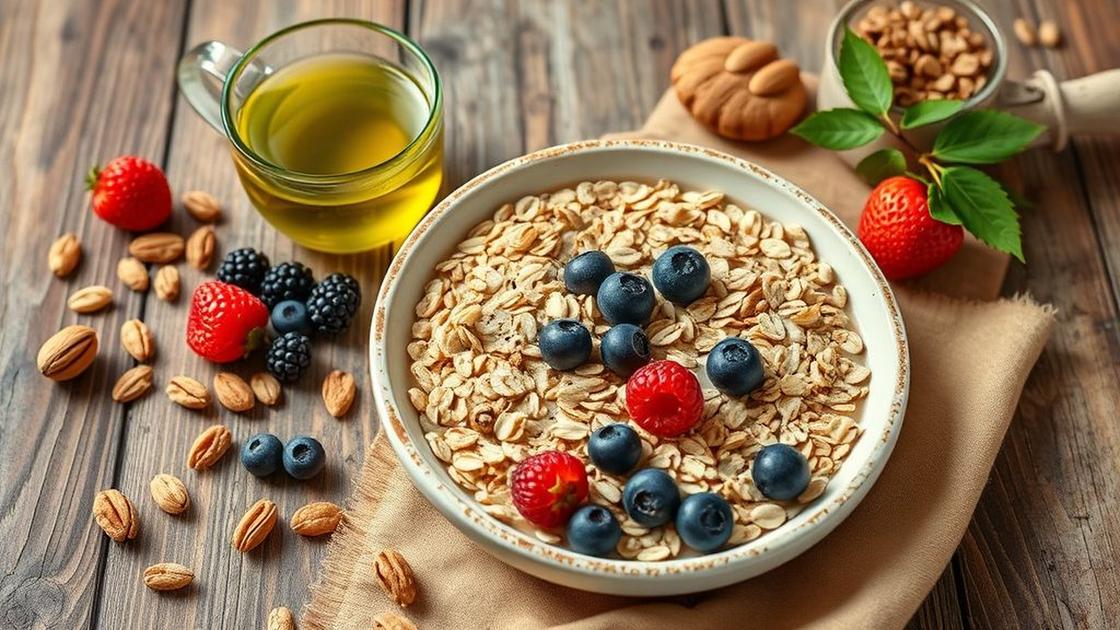
Whole grains: Foods like brown rice, quinoa, and oats can help stabilize blood sugar.
Leafy greens: Spinach, kale, and broccoli are packed with nutrients and fiber.
Lean proteins: Chicken, turkey, beans, and lentils can keep you full and satisfied.
Healthy fats: Avocado, nuts, and seeds can improve insulin sensitivity.
Fruits: Choose low-sugar fruits like berries to satisfy your sweet tooth without the crash.
Adding these foods can also bring a sense of joy to meal prep. You can turn cooking into a creative activity rather than a chore, allowing you to experiment with new recipes.
Daily Habits That Promote Better Blood Sugar Control
In addition to diet, several daily habits can make a remarkable difference. Consider the following:
Regular meal times: Eating at consistent times helps regulate your body’s clock.
Portion control: Being mindful of serving sizes can prevent overeating.
Mindful eating: Focus on your food, eat slowly, and appreciate each bite.
Limit sugar and refined carbs: Reducing intake from sugary snacks can help lower your blood sugar spikes.
These simple changes, while small, can lead to better management of your blood sugar levels over time.
Mindfulness and Stress Reduction Techniques
Stress can impact blood sugar levels more than you might realize. Incorporating mindfulness practices can help manage stress. You might find relief in activities such as:
Yoga: Improves flexibility and promotes relaxation.
Meditation: Just a few minutes of focusing on your breath can recenter your thoughts.
Journaling: Writing down your thoughts can help clarify feelings and reduce anxiety.
Nature walks: Spending time outdoors can help reset your mind and improve mood.
Each of these practices can contribute significantly to your overall well-being and may help you feel more equipped to handle daily challenges.
Exercise: A Powerful Ally Against Prediabetes
Engaging in regular physical activity is not only essential for overall health but is particularly vital for women facing prediabetes. You don’t need to hit the gym for hours to make an impact. Consider:
Walking: A simple daily walk can boost insulin sensitivity.
Strength training: Helps build muscle, which can burn more calories even at rest.
Fun classes: Join a dance or fitness class that you genuinely enjoy.
Consistency: Aim for at least 150 minutes of moderate aerobic activity per week.
Finding an enjoyable activity can make exercise feel less like a chore and more like a fun part of your daily life.
Creating a Sustainable Meal Plan for Success
Meal planning can be your best friend on this journey. It allows you to take control and simplifies your week. Here are some tips to help:
Plan ahead: Dedicate a day to plan meals for the week.
Batch cooking: Prepare recipes in advance and store portions for later.
Set realistic goals: Small, sustainable changes are more effective than drastic measures.
Be flexible: Life happens; don’t stress if plans change.
Having a plan can also reduce impulse eating since you’ll already have healthy options available.
Hydration and Its Impact on Your Health
Staying properly hydrated is often overlooked. Water plays a significant role in regulating blood sugar levels. Consider the following:
Drink plenty of water: Aim for at least eight glasses a day.
Limit sugary drinks: Opt for water, unsweetened teas, or infused water.
Listen to your body: Drink when you’re thirsty, but try not to wait too long.
Staying hydrated can help improve energy levels and support your overall wellbeing.
The Importance of Sleep for Blood Sugar Management
Quality sleep is essential, but it can be hard to come by, especially when juggling so many responsibilities. Lack of sleep can lead to increased insulin resistance. Here’s how to improve your sleep:
Establish a routine: Try to go to bed and wake up at the same time each day.
Create a calming environment: Your bedroom should be a haven—cool, dark, and quiet.
Limit screen time: Turn off devices at least an hour before bed.
Better sleep can help rejuvenate your body and mind, giving you the strength to face the day ahead.
Inspiring Stories: Women Who Overcame Prediabetes Naturally
Many women have walked this path before you, and their stories are a beacon of hope. Take Lucy, a 35-year-old mother of two who struggled with fatigue and weight gain. By embracing small lifestyle changes, including a better diet and regular walks, she managed to reverse her prediabetes diagnosis.
Or consider Sarah, a busy career woman who found balance through mindful eating and stress management techniques. Her journey reminds us that it’s never too late to take charge of our health.
These stories show that women can—and have—progressively turned their lives around with determination, support, and the right strategies. Remember, you are not alone on this journey.
As you navigate your way through managing prediabetes, remember that the power to improve your symptoms lies within your reach. By adopting these strategies one step at a time, just like many women before you, transformation is possible. Believe in yourself, and take the first step today—your vibrant, healthier life awaits.