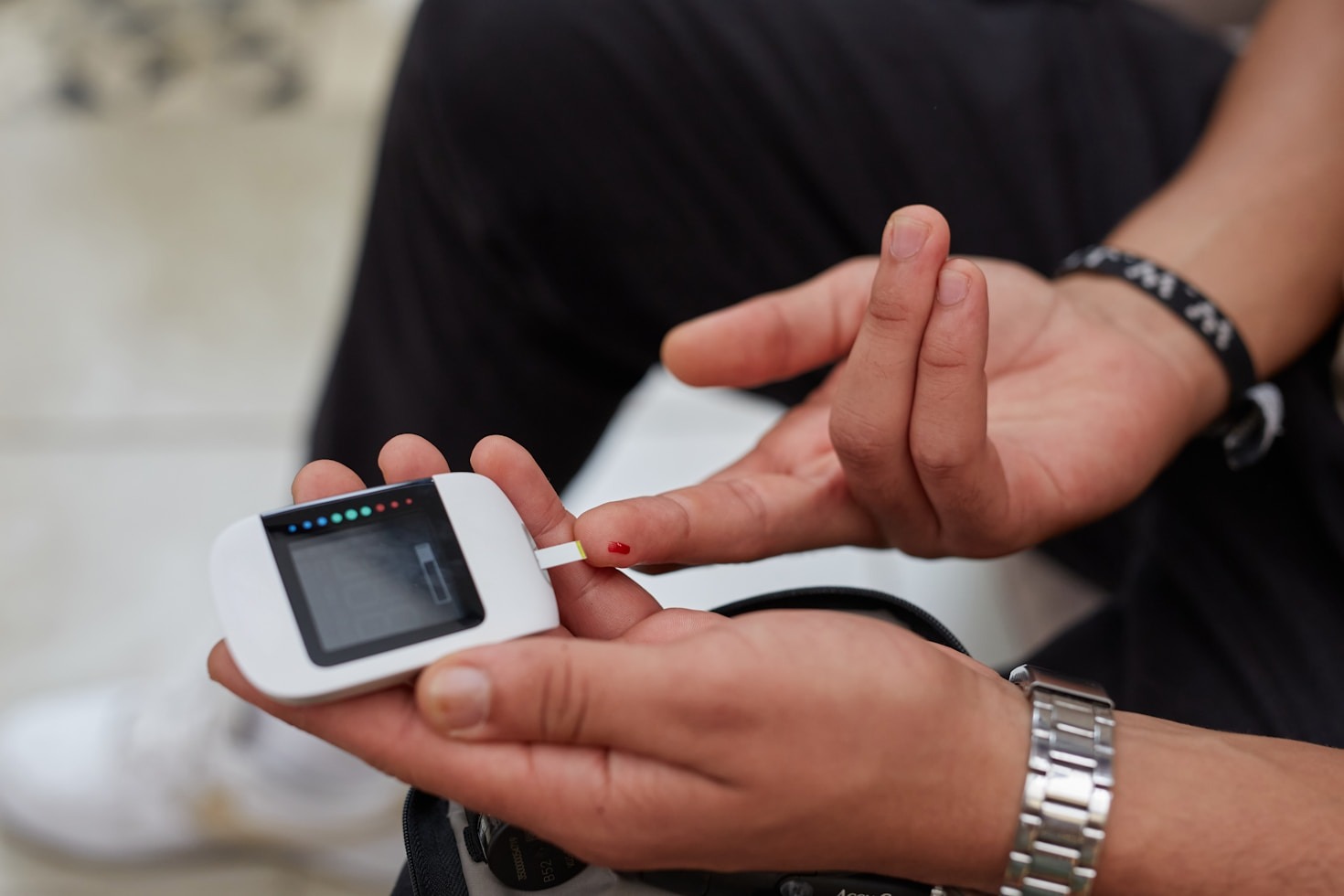
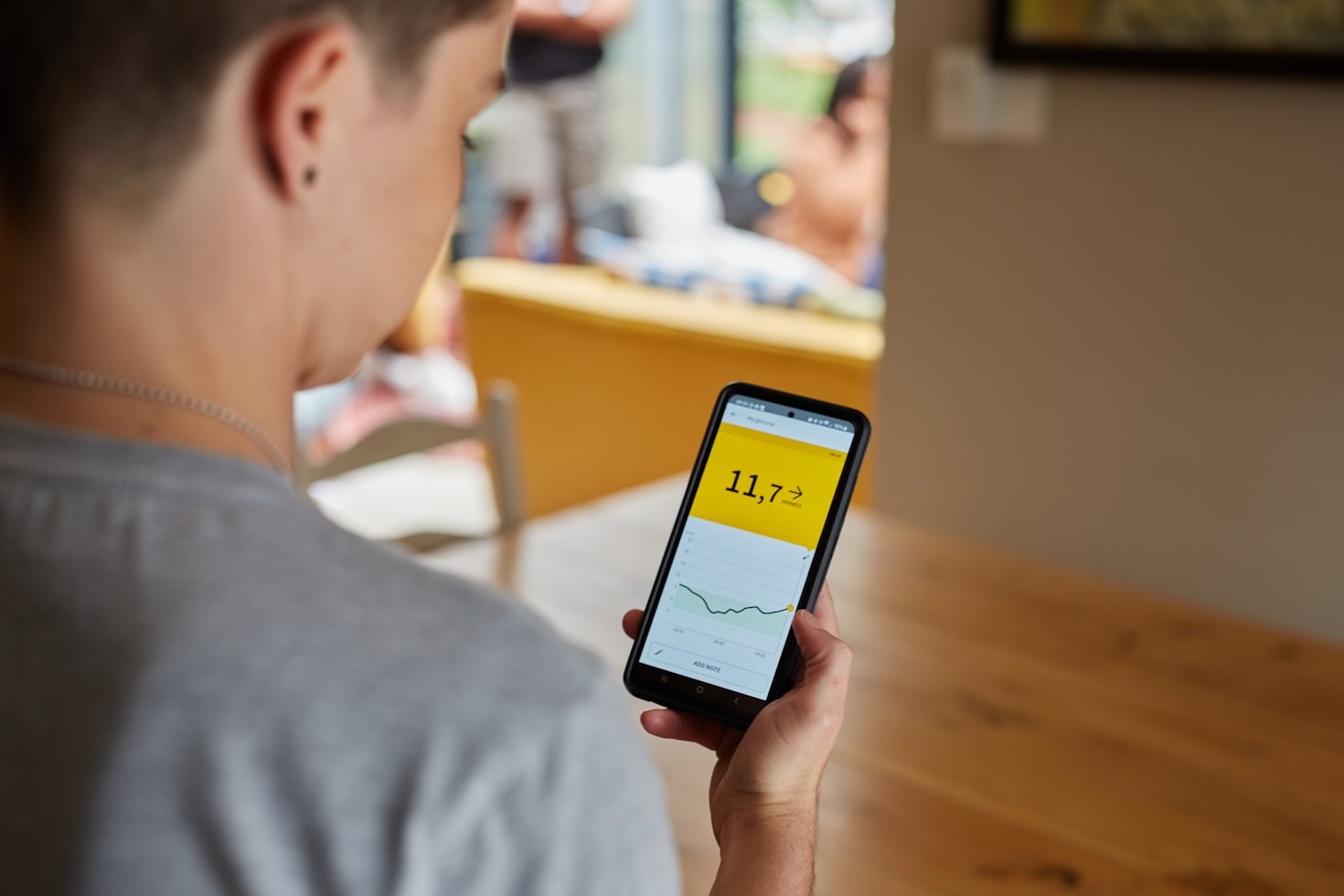
Are you feeling constantly tired and struggling with hormonal balance? Women over 30 often face challenges like fatigue, anxiety, and sleepless nights. These symptoms can feel overwhelming, but the good news is, you don’t have to endure them. Discover how to build a daily routine for stable glucose and energy that can transform your life. This step-by-step journey can lead to improved moods, better sleep, and renewed energy levels.
Understanding Glucose Levels and Their Impact on Energy
Glucose is vital for the body’s energy. It is the sugar that comes from the foods we eat and provides fuel for our cells. When glucose levels spike or drop too quickly, it can lead to feelings of fatigue, irritability, and anxiety. For women over 30, managing glucose can significantly affect daily energy levels, especially when other factors like hormonal changes come into play.
During times of hormonal imbalance, like those experienced before a menstrual period or during menopause, fluctuations in glucose levels can feel more pronounced. Understanding how your body responds to various foods and activities is essential in creating a stable energy flow throughout the day.
Stable glucose levels mean you can maintain a steady stream of energy, allowing you to focus on what matters most. Paying attention to these levels can work wonders in fighting fatigue and allowing you to engage fully in life’s demands.
The Role of Nutrition in Stabilizing Glucose
Nutrition is one of the primary tools for stabilizing glucose levels. A balanced diet helps manage blood sugar and supports sustained energy. Here are some key nutritional strategies to weave into your daily life:
Choose Whole Foods: Focus on whole grains, fruits, vegetables, lean proteins, and healthy fats. These foods digest slower, providing a gradual release of glucose rather than a quick spike.
Incorporate Fiber: Foods high in fiber, like beans, lentils, and whole grains, can help slow down sugar absorption, keeping energy steady.
Avoid High-Sugar Snacks: While sweet treats are tempting, they can cause rapid energy spikes followed by crashes. Opt for nuts or yogurt instead.
Regular Meal Timing: Eating at regular intervals can help maintain steady glucose levels. Try not to skip meals or go for prolonged periods without eating.
Consider experimenting with different meal timings and food choices to see what makes you feel best. Remember, your body is unique, and finding what works for you can be empowering!
Creating a Morning Routine for Enhanced Focus
Mornings set the tone for your day. A carefully crafted morning routine can be vital for maintaining energy levels:
Wake Up Early: Allowing time for yourself in the morning can change everything! Rising just 30 minutes earlier can help you prepare for the day.
Hydrate First: Start your day with a glass of water. Dehydration can sap your energy and affect glucose levels.
Prioritize a Healthy Breakfast: Start with a balanced meal that includes protein, healthy fats, and complex carbs to fuel your morning.
Incorporate Mindfulness: Spend 5-10 minutes meditating or journaling. This practice helps reduce stress and prepares your mind for the day.
Starting the day with intentional practices can help you feel focused and energized, ready to tackle whatever lies ahead.
How Movement Can Boost Your Energy Throughout the Day
Physical activity is critical for regulating glucose levels and enhancing energy. Here’s how to incorporate more movement:
Short Walks: Incorporate short walks, even if they’re just around your home or office. Moving frequently can keep energy levels from dipping.
Stretching: Simple stretches can increase blood circulation and reduce stiffness, leading to a boost in energy.
Strength Training: Lifting weights or doing resistance exercises a few times a week can improve muscle mass, leading to better energy management.
Engage in Activities You Love: Whether it’s dancing, hiking, or gardening, find activities that bring joy. Enjoyable movement is the most sustainable!
Movement doesn’t have to be daunting or time-consuming. Think of it as an energizing break that enhances your day rather than a chore.
Mindfulness Techniques to Manage Stress and Anxiety
Stress often has a direct impact on glucose levels, and high stress can lead to fatigue. Here are some mindfulness techniques you might find helpful:
Deep Breathing: Take moments throughout the day to focus on your breath. Inhale deeply through your nose and exhale slowly through your mouth.
Meditation: Short guided meditations can reduce anxiety and help manage stress effectively.
Gratitude Journaling: Write down three things you are grateful for each day. This practice shifts focus from stress to positive aspects of life.
Progressive Muscle Relaxation: Tense and relax each muscle group, starting from your toes and moving to your head. This technique helps release built-up tension.
Incorporating mindfulness can transform how you manage stress, allowing for a more peaceful state of mind that supports stable glucose and energy levels.
The Power of Hydration for Optimal Glucose Control
Water plays an underappreciated role in glucose management. Staying hydrated can enhance energy levels and assist in maintaining healthy blood sugar levels:
Drink Water Regularly: Aim for at least eight cups of water daily. More might be needed if you’re physically active or live in a hot climate.
Limit Caffeine: While coffee can boost energy, too much caffeine can disrupt sleep and hydration. Balance is key!
Infuse Your Water: Adding berries, cucumber, or lemon can make hydration more enjoyable and encourage you to drink more.
Eat Hydrating Foods: Incorporate foods like cucumbers, watermelon, and oranges that have high water content into your meals.
Being mindful of hydration can keep your energy stable and support overall health.
Sleep Strategies to Improve Energy and Hormonal Balance
A good night’s sleep is essential for stable glucose and energy. Consider these strategies to improve your sleep quality:
Create a Sleep-Friendly Environment: Ensure your bedroom is dark, quiet, and cool. This helps create an optimal sleeping environment.
Establish a Consistent Sleep Schedule: Hitting the sack and waking up at the same time daily can enhance your sleep quality.
Avoid Screens Before Bed: The blue light from screens can affect melatonin production. Try to turn off devices an hour before sleeping.
Relaxation Techniques: Engage in activities like reading or gentle yoga before bed to signal your body that it’s time to wind down.
Improved sleep leads to not only better energy but also hormonal balance, making daily life feel less overwhelming.
Adjusting Your Evening Routine for Better Sleep Quality
Your evening routine is just as crucial as your morning one. Making small adjustments can lead to better sleep:
Limit Heavy Meals: Avoid big meals within two hours of bedtime to prevent discomfort and improve sleep quality.
Incorporate Herbal Teas: Chamomile or peppermint tea can promote relaxation before bed.
Practice Gratitude: Spend a few minutes reflecting on positive moments from your day or writing them down.
Avoid Stimulants: Reduce caffeine and nicotine intake, especially in the evening hours.
By prioritizing relaxation at night, you can improve the quality of your sleep, leading to more regulated energy levels throughout the day.
Tracking Your Progress and Celebrating Small Wins
Monitoring your daily habits and progress can be both motivating and enlightening:
Keep a Journal: Document how you feel after each meal, workout, or stress-reducing activity. Patterns will emerge that can guide your choices.
Set Small Goals: Aim for achievable goals, like drinking an extra glass of water or adding a 10-minute walk to your day. Celebrate these wins!
Share with Friends: Talking about your goals with friends or family can add accountability and encouragement.
Use Apps: Consider using apps designed to help you track your nutrition, movement, and sleep. They can provide useful feedback and keep you engaged.
Every small step you take matters! Recognizing these victories fosters a positive mindset on your wellness journey.
Inspiring Stories of Women Who Transformed Their Lives
Countless women have faced significant challenges with their health, energy, and emotional well-being, only to find ways to transform their lives. Here are a few stories:
Maria’s Journey: At 38, Maria struggled with fatigue and anxiety. After adjusting her diet and establishing a mindful morning routine, she found renewed energy and joy in her daily life.
Linda’s Success: After years of insomnia, Linda started tracking her sleep and adjusting her evening habits. She now enjoys deep, restful sleep and wakes refreshed.
Jessica’s Transformation: Jessica decided to incorporate movement into her day through dance. This activity not only lifted her mood but also helped regulate her energy levels and glucose.
These stories remind us that improvement is possible and that you are not alone in this journey. Countless women have walked similar paths and emerged stronger and more vibrant.
Believe that you can ignite this change in your life as well! Every step matters, and by following a simple step-by-step method, you can achieve better energy and emotional balance. Let the stories of others inspire you, and remember, change is indeed possible! Discover how you can transform your life, just like these women, by exploring the solution linked above.