For many women over 30, stress can feel like a shadow lurking in everyday life. Whether it’s juggling work, family, or personal challenges, the pressure can lead to surprising health issues. One of the less talked about effects is how stress impacts blood sugar levels. In this article, we’ll take a closer look at this connection and how it might be affecting you.
Understanding the Connection Between Stress and Blood Sugar
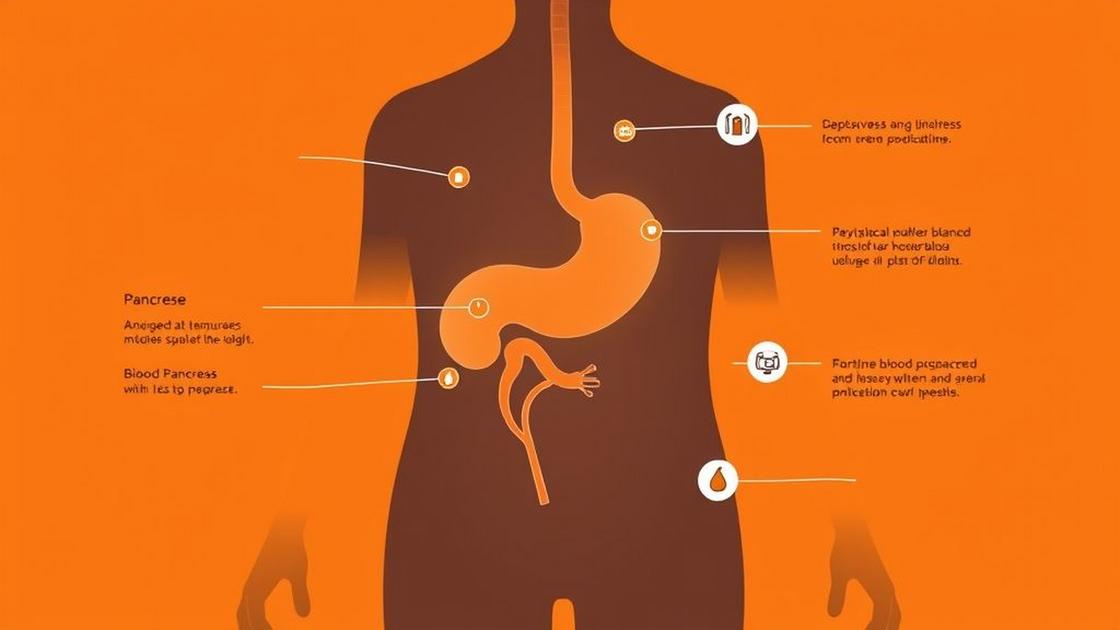
As women journey through life, especially after the age of 30, many experience the silent intrusion of stress into their daily lives. This stress doesn’t just affect our mood; it can also influence our physical health in subtle ways, particularly regarding blood sugar levels. Stress activates the body’s fight or flight response, releasing hormones like cortisol and adrenaline. These hormones signal our bodies to increase blood sugar levels, preparing us for immediate action. However, when stress is chronic, elevated blood sugar can remain a constant, leading to potential health issues down the line.
Many women find themselves caught in this cycle without realizing it. Day after day, the pressures of work, family, and personal expectations can increase blood sugar levels, affecting energy and overall well-being. Understanding this connection is crucial for taking steps toward a healthier lifestyle.
Why Women Over 30 Are More Vulnerable
Women over 30 often juggle multiple roles, making them more susceptible to stress. This demographic usually finds itself balancing careers, personal relationships, and possibly parenting or caregiving duties. Such demands can lead to chronic stress, which, as previously mentioned, can interfere with blood sugar regulation.
Moreover, hormonal changes during this stage of life, such as those associated with perimenopause and menopause, can exacerbate physiological stress responses, further impacting blood sugar levels. The less stable hormones can lead to mood swings, fatigue, and weight gain, creating a cycle that contributes to higher stress and elevated blood sugar.
The Silent Symptoms of Elevated Blood Sugar
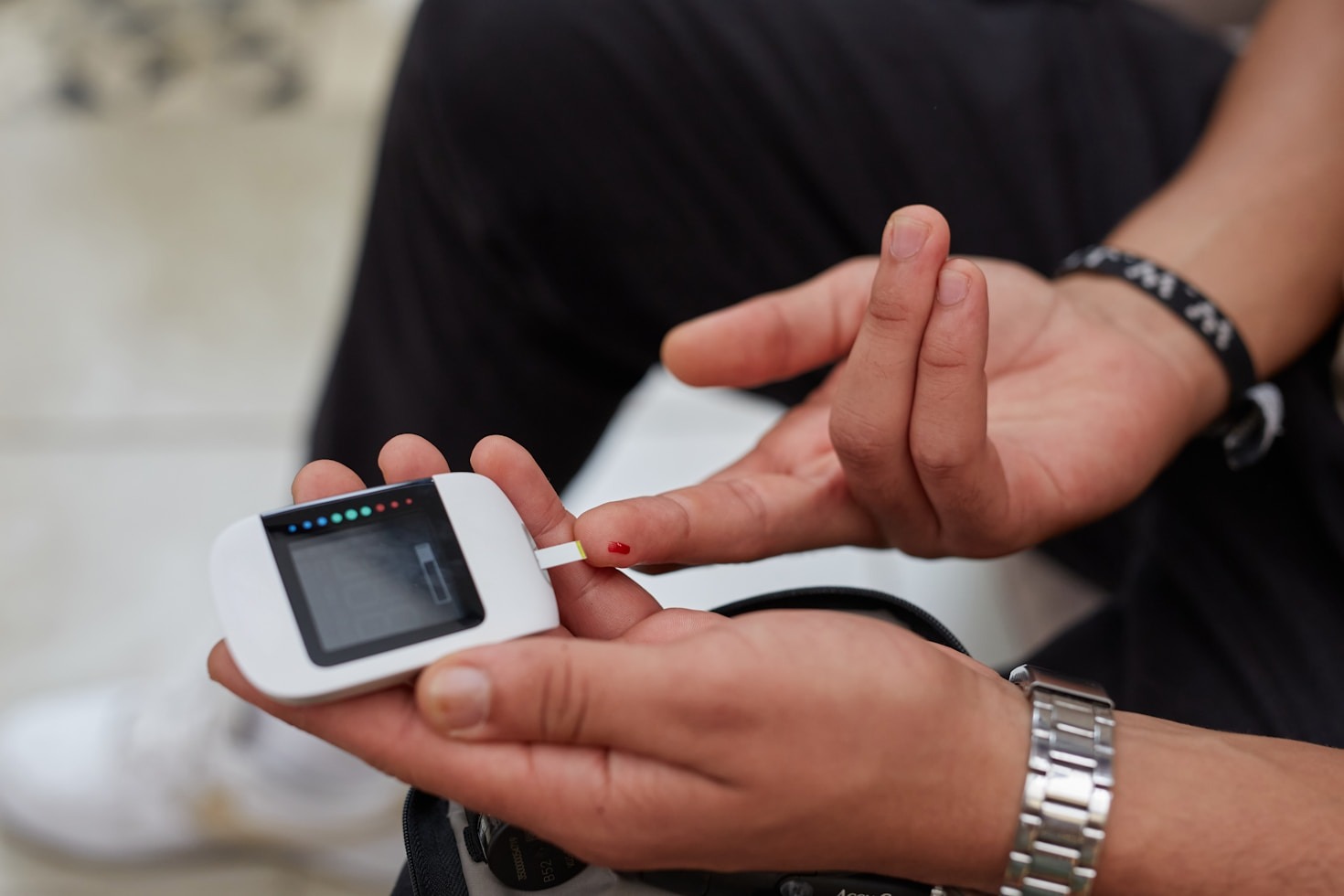
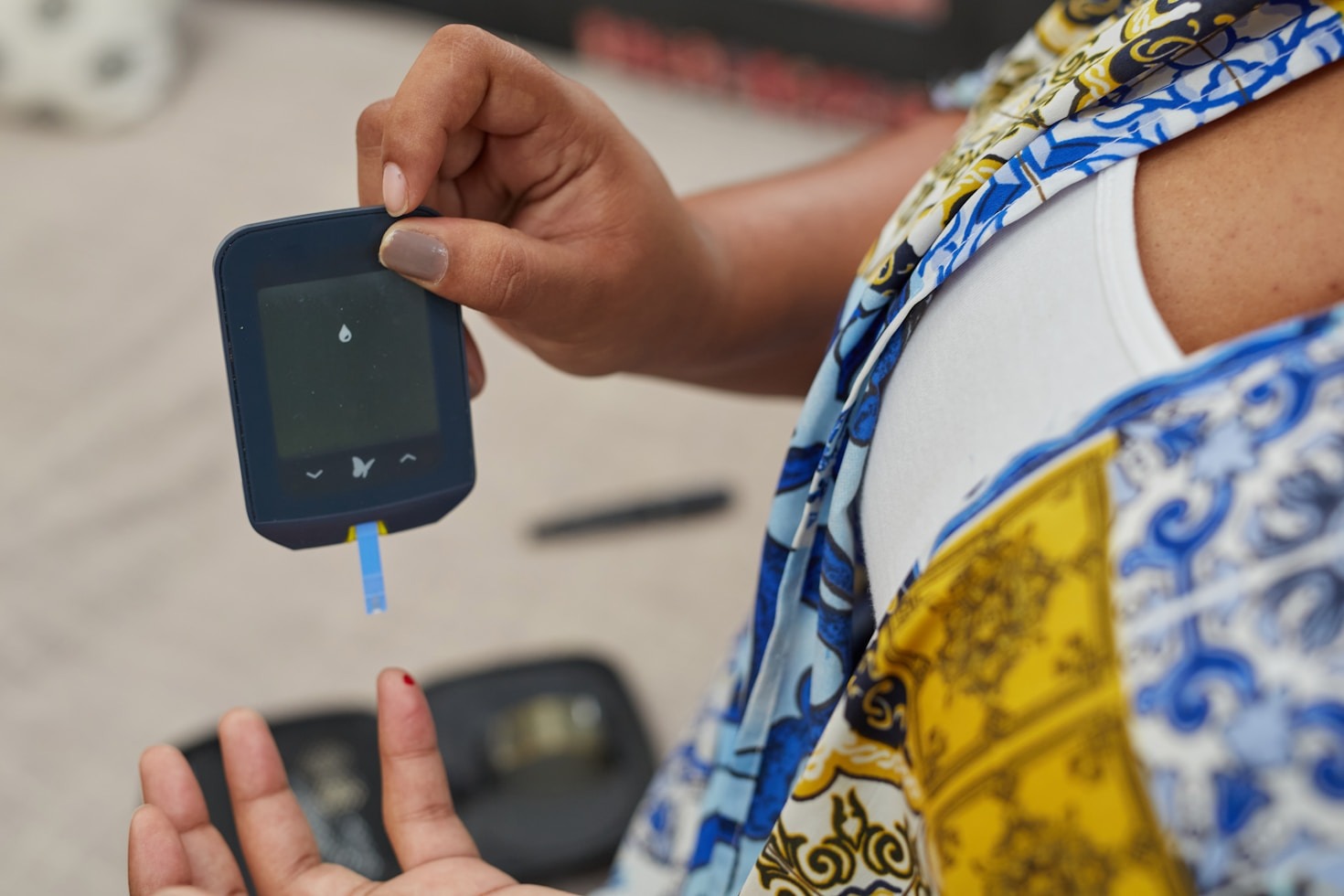
Recognizing the symptoms of elevated blood sugar can be tricky, as they often creep up silently. Some common indicators include:
Increased Thirst: Feeling thirsty more often than usual, even after drinking water.
Frequent Urination: Needing to urinate more frequently can be a sign to watch out for.
Fatigue: A feeling of constant tiredness, even after a full night’s sleep.
Unexplained Weight Gain: Struggling to lose weight or gaining weight unexpectedly.
Skin Issues: Increased occurrences of skin problems, such as dry skin or rashes.
These symptoms may seem minor, but they can indicate that blood sugar levels are not where they should be. Paying attention to these signs and understanding their relationship to stress is a key step in regaining control over both mental and physical health.
Stress Management: More Than Just Relaxation
While relaxation techniques such as yoga and meditation are excellent tools for managing stress, effective stress management goes beyond simple relaxation. It involves learning how to identify stress triggers, expressing emotions constructively, and engaging in activities that promote well-being. Consider practices such as:
Journaling: This allows you to express thoughts and feelings, providing clarity and reducing anxiety.
Setting Boundaries: It’s okay to say no or delegate tasks to reduce overcommitment.
Finding Support: Surrounding yourself with understanding friends and family can provide relief and motivation.
By integrating these stress management techniques into daily life, women can not only lower stress but also stabilize blood sugar levels, leading to healthier overall living.
Nutrition’s Role in Balancing Blood Sugar
Nutrition plays a pivotal role in maintaining stable blood sugar levels. Foods that are high in fiber and protein, for instance, can help slow down the absorption of sugar in the bloodstream. Consider incorporating:
Whole Grains: Oats, brown rice, and quinoa offer fiber that helps in managing blood sugar.
Healthy Fats: Avocados, nuts, and seeds provide essential nutrients and help curb hunger.
Lean Proteins: Sources like chicken, fish, and legumes can stabilize blood sugar levels.
Avoiding excessive sugar and refined carbohydrates is also critical. Products laden with these ingredients can cause spikes in blood sugar, leading to fat storage and energy crashes. Being mindful of food choices can make a significant difference in how you feel every day.
The Importance of Exercise for Stress Relief
Exercise is not just a method for physical fitness; it is also a powerful tool for managing stress. Engaging in regular physical activity releases endorphins, known as the body’s natural mood lifters. Here are some excellent choices to consider:
Walking or Jogging: Simple yet effective, these activities can help clear your mind and improve mood.
Dance Classes: Move your body to the rhythm of music for a fun way to relieve stress.
Yoga: A blend of physical movement and mindfulness that can particularly benefit women.
By integrating exercise into daily routines, women can find a natural remedy for stress while also working toward better blood sugar control.
Mindfulness and Its Benefits for Women
Mindfulness involves being present and fully engaged in the moment. It can help women reduce stress and anxiety, leading to greater emotional resilience and better management of blood sugar levels. Practices may include:
Mindful Eating: Paying attention to the experience of eating helps you make healthier choices.
Meditation: Even just a few minutes a day can calm the mind and create clarity.
Breathwork: Simple breathing techniques can ground you and alleviate immediate stress.
Adding mindfulness practices to daily life helps women cultivate a sense of peace, empowering them to navigate challenges while also ensuring blood sugar remains within a healthy range.
How Sleep Affects Blood Sugar Levels
Sleep is often overlooked when discussing health, yet it plays a significant role in blood sugar regulation. Women over 30 may experience sleep disturbances due to stress, hormonal changes, or lifestyle factors. Poor sleep can lead to increases in blood sugar levels and greater insulin resistance.
To improve sleep quality, consider:
Establishing a Routine: Going to bed and waking up at the same time helps to regulate your body clock.
Creating a Sleep-Friendly Environment: A dark, cool, and quiet space promotes healthy sleep.
Avoiding Screens: Limiting screen time before bed can help improve sleep quality.
By prioritizing restorative sleep, women can support their bodies in balancing blood sugar and managing stress, as well as feel more energized during the day.
Simple Steps to Regain Control of Your Health
It may feel overwhelming to tackle stress and manage blood sugar, but simple steps can lead to significant changes. Consider these actionable strategies:
Start Small: Incorporate one new healthy habit at a time, rather than a complete overhaul.
Stay Hydrated: Drinking water throughout the day ensures your body functions correctly.
Seek Community: Joining support groups or social networks can provide encouragement and accountability.
Through consistent, small changes, women can reclaim their health and transform their daily experiences, paving the way for better blood sugar management and reduced stress.
You’re Not Alone: Stories of Transformation
Countless women have faced the struggles of stress and elevated blood sugar after 30 but have made inspiring transformations. They share stories of resilience—narratives of learning, growth, and triumph over daily stresses that once felt insurmountable.
From tackling hormonal changes to incorporating exercise, nutrition, and mindfulness into their routines, these women have found paths to reclaiming their health and happiness. Their triumph is a testament to the power of change and the impact of community support.
Remember, you’re not alone in this journey. There are resources and communities available to help you navigate these challenges. It is possible to improve your symptoms and challenges by following a simple step-by-step method, just as other women have done.