Are you feeling worn out and struggling with fatigue? If so, you’re not alone. Many women over 30 face challenges like insomnia, hormonal imbalances, and even anxiety, all of which can impact your energy levels and health. One surprising factor that can help is the quality of your sleep. In this article, we will delve into how sleep improves insulin sensitivity and supports energy balance, leading to better overall health and wellbeing.
Understanding Insulin Sensitivity: The Basics
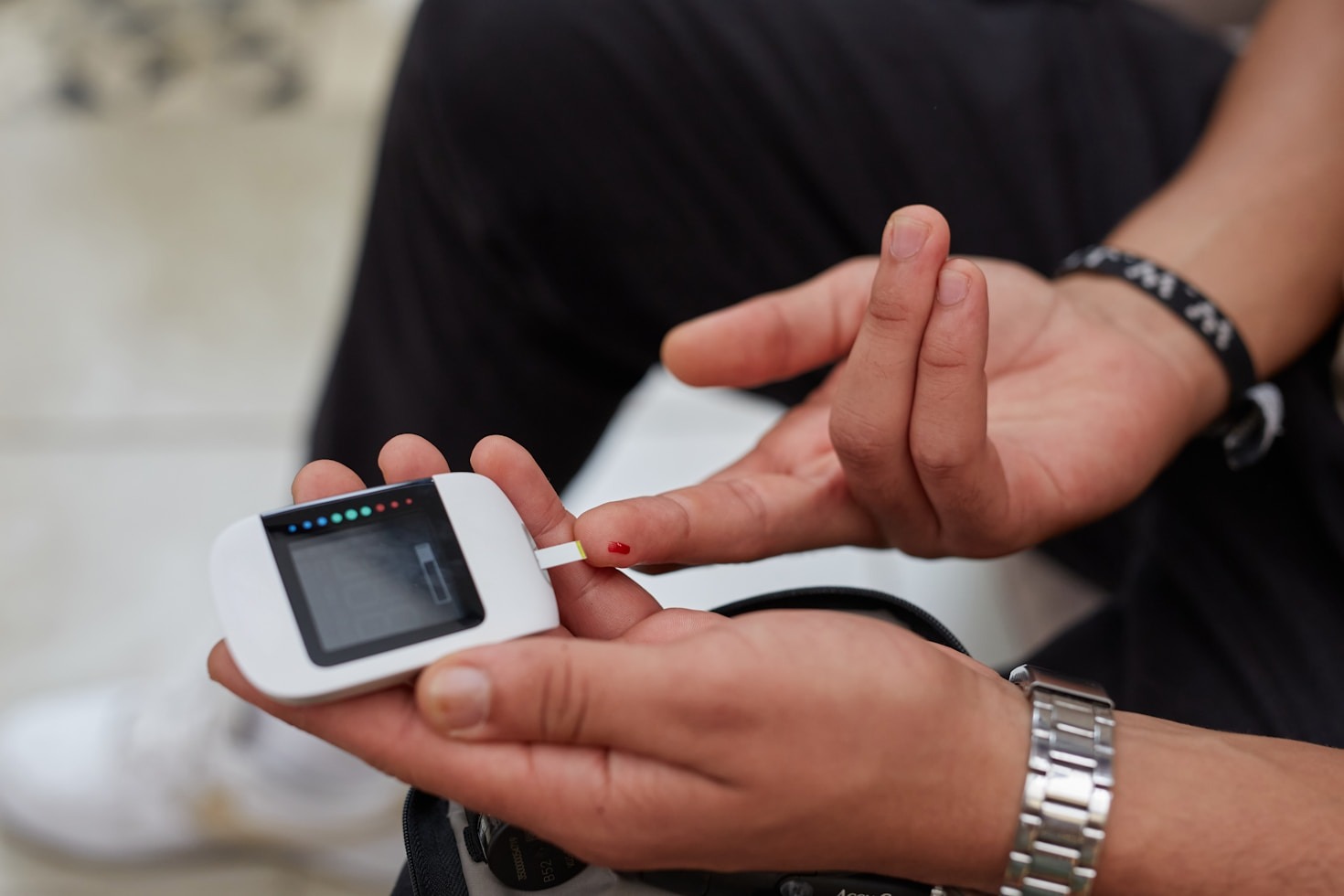
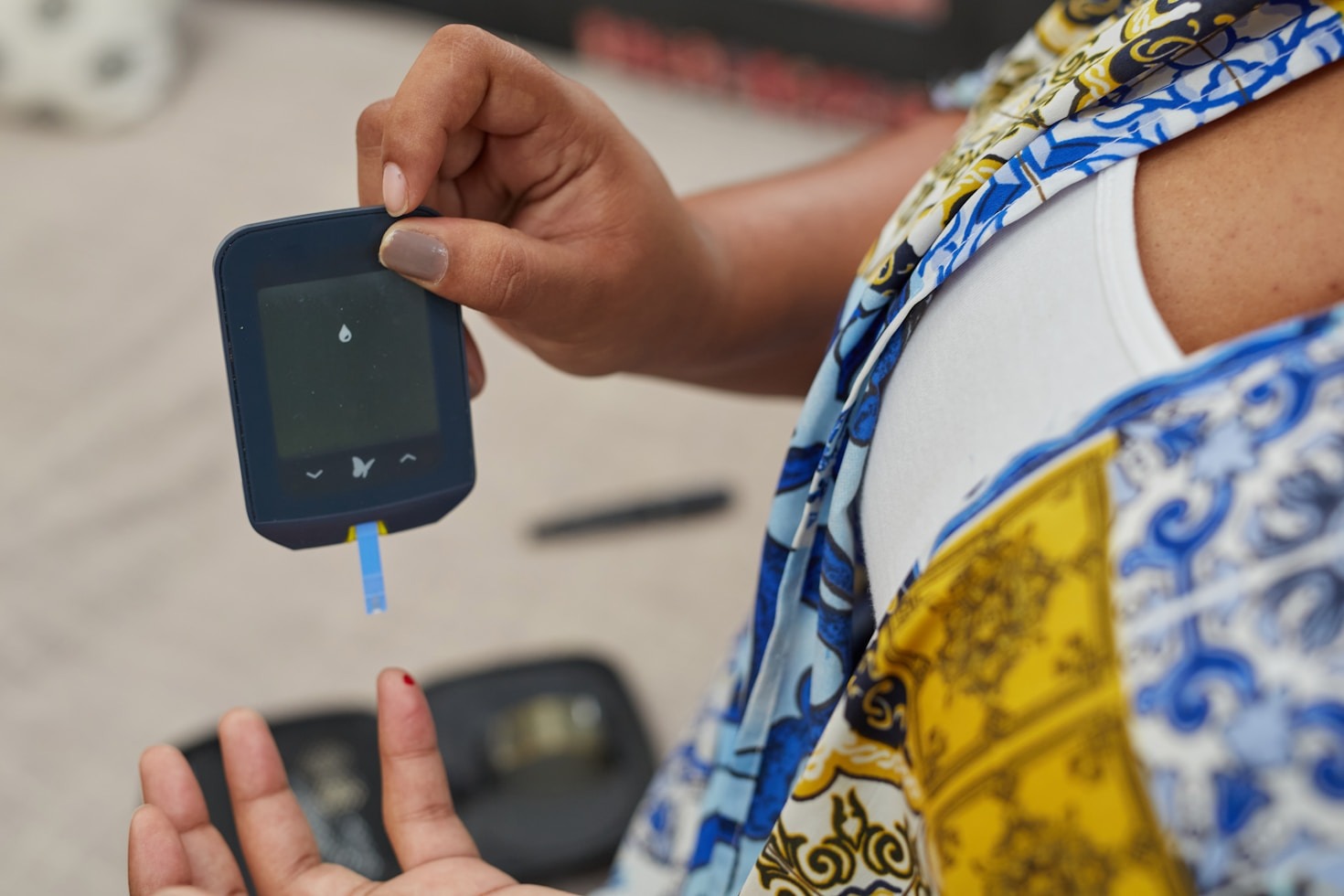
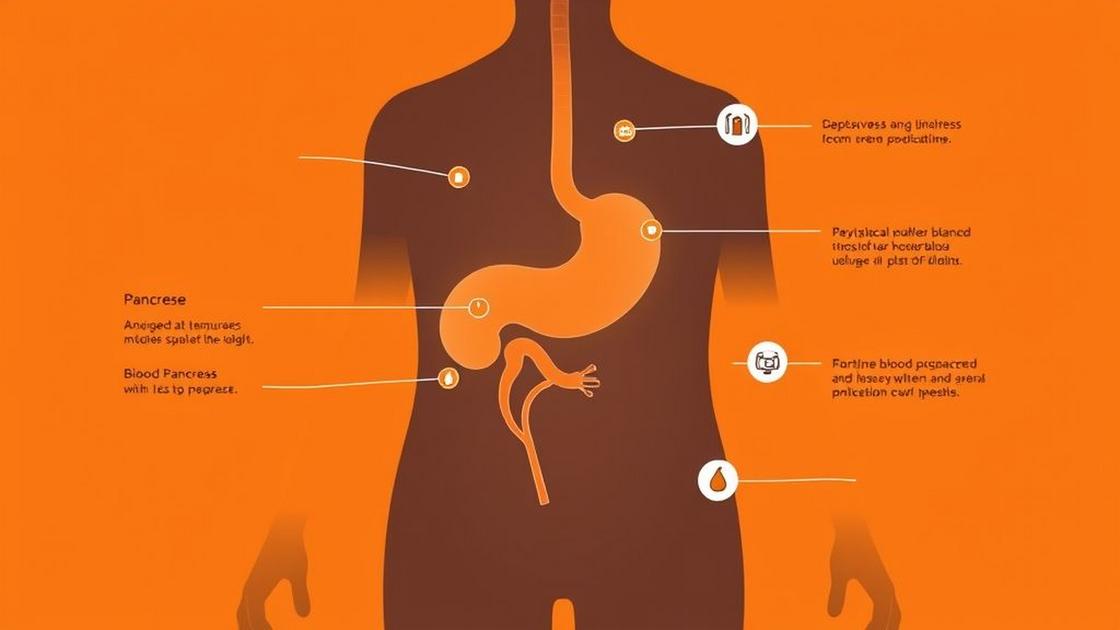
Insulin sensitivity refers to how responsive your cells are to insulin, a hormone that plays a crucial role in regulating blood sugar levels. When you have good insulin sensitivity, your body uses insulin effectively, keeping your blood sugar stable and providing your body with energy. However, when insulin sensitivity decreases, it can lead to conditions such as prediabetes or type 2 diabetes, weight gain, and more.
For women, especially those over 30, maintaining optimal insulin sensitivity is vital. Factors like hormonal changes, increased stress levels, and lifestyle choices can impact how well your body responds to insulin.
Why Sleep Quality Matters for Women Over 30
As we age, sleep can become elusive for many women. Poor sleep quality might lead to hormonal imbalances that affect insulin sensitivity. Studies show that inadequate sleep can diminish the body’s ability to use insulin effectively, leading to higher blood sugar levels and weight gain.
When you’re sleep-deprived, your cortisol levels rise, which can increase cravings for unhealthy foods, leading to weight gain. Poor sleep can also influence your appetite-regulating hormones such as leptin and ghrelin, making you feel hungrier. This cycle of poor sleep and weight gain not only impacts insulin sensitivity but can also lead to feelings of exhaustion and frustration.
The Connection Between Sleep and Energy Levels
Energy levels can drastically fluctuate based on the quality of your sleep. If you struggle with fatigue and find it hard to focus, inadequate sleep could be behind it. Quality sleep allows your body to rest and recover, which means you’ll wake up with the energy to face the day.
Sleep is the time when your body performs essential functions, such as repairing cells and regulating hormone levels. Without sufficient sleep, your body cannot restore energy reserves, leading to feelings of tiredness both physically and mentally.
How Sleep Affects Hormonal Balance
Women experience various hormonal fluctuations throughout their lives, especially during menstrual cycles, pregnancy, and menopause. These changes can greatly affect weight and insulin sensitivity. Sleep plays a critical role in maintaining hormonal balance.
For example, when you sleep poorly, cortisol and insulin levels can become imbalanced. High cortisol levels can cause fat to be stored, particularly around the abdomen, disrupting your energy balance. Maintaining consistent sleep patterns can promote hormonal health and better insulin sensitivity.
Tips for Improving Your Sleep Hygiene
Improving sleep hygiene is essential for enhancing sleep quality. Here are some empowering tips:
Establish a Sleep Schedule: Go to bed and wake up at the same time every day to regulate your body’s internal clock.
Create a Restful Environment: Make your bedroom comfortable, cool, and dark.
Limit Screen Time: Avoid screens at least an hour before bed, as the blue light can interfere with melatonin production.
Relaxation Techniques: Incorporate calming activities like reading or meditation into your nighttime routine.
Avoid Stimulants: Limit caffeine and nicotine, particularly later in the day.
Foods That Promote Better Sleep and Energy
Your diet plays a significant role in your sleep quality and energy levels. Here are some foods that can help:
Almonds: Rich in magnesium, which can help improve sleep quality.
Chamomile Tea: Known for its calming effects, this tea can promote better sleep.
Kiwi: Eating kiwis may improve sleep onset and duration.
Fatty Fish: Omega-3 fatty acids and vitamin D can help regulate serotonin, which is vital for sleep.
Oatmeal: This complex carbohydrate can help boost serotonin production, making you feel calm and ready for bed.
The Role of Stress Management in Insulin Sensitivity
Stress can significantly impact both sleep quality and insulin sensitivity. High-stress levels lead to increased cortisol production, which can interfere with your body’s insulin-regulating capabilities.
Finding ways to manage stress is essential. Practices such as regular exercise, mindfulness, and talking to supportive friends can improve your resilience against stressors.
Women’s Health: Embracing Rest for Wellness
As women, we often put our needs last, juggling various roles and responsibilities. This can lead to burnout and poor health outcomes. Prioritizing sleep and overall well-being is essential for maintaining energy balance and optimal insulin sensitivity.
Embracing rest is not a sign of weakness; rather, it’s an essential component of good health. Carving out time to recharge allows you to perform at your best, fulfilling all your roles with joy rather than exhaustion.
Practical Steps to Enhance Your Sleep Routine
Here are some practical ways to improve your sleep routine:
Keep a Sleep Diary: Track patterns to identify what helps you sleep better and what disrupts it.
Limit Naps: If you nap, try to keep it short—20 minutes works best.
Consider Sleep Supplements: Natural remedies like melatonin can help, but consult with your healthcare provider first.
Engage in Gentle Exercise: Regular light exercise, such as yoga, can promote better sleep.
Finding Your Path to Better Sleep and Vitality
Improving your sleep is an empowering journey that can positively impact multiple aspects of your health. Remember, you are not alone in this quest. Many women experience similar challenges, and it’s okay to seek help and knowledge.
It is entirely possible to overcome fatigue, improve insulin sensitivity, and restore balance in your life. By following a step-by-step method, as countless other women have done, you can find the path that works best for you. You deserve to feel energetic, balanced, and joyful every day. Take a moment for yourself, and start this transformative journey towards better sleep and vitality today.