Have you struggled with fatigue or anxiety without knowing why? The link between poor sleep and rising blood sugar levels is more significant than you might realize. For many women over 30, sleepless nights can become our unwelcome companions, often adding to feelings of frustration and concern about our health. Understanding this connection is essential, not just for our energy levels, but for overall wellness.
Understanding the Connection Between Sleep and Blood Sugar
For many women over 30, sleep might seem like a luxury instead of a necessity. You juggle work, family, and personal wellness, often putting your needs on the back burner. However, poor sleep can significantly impact your blood sugar levels. Studies show that a lack of restful sleep can lead to insulin resistance and fluctuating glucose levels, paving the way for higher blood sugar.
When we sleep, our body undergoes crucial processes that help maintain a balanced metabolism and blood sugar regulation. If you’re tossing and turning at night, your body struggles to perform these functions smoothly. As a result, you might find your energy dipping and those sugar cravings creeping in — a frustrating cycle, isn’t it?
How Sleep Affects Hormonal Balance
Understanding the role of hormones can be eye-opening. During sleep, your body releases critical hormones like insulin, cortisol, and melatonin, all of which directly affect your blood sugar control. For example:
- Insulin: This hormone helps your body use sugar from the food you eat. When you don’t get enough sleep, insulin sensitivity decreases, meaning your cells can’t use insulin as effectively, increasing your blood sugar levels.
- Cortisol: Known as the stress hormone, cortisol levels spike when you’re sleep-deprived. High cortisol can prompt your liver to release more glucose, further raising your blood sugar.
- Melatonin: This hormone regulates sleep cycles. Lack of melatonin can lead to poor sleep quality, cutting down on your body’s natural ability to regulate sugar.
So, it’s not just about feeling tired. Your hormones are in a delicate dance, and poor sleep disrupts their harmony, impacting your well-being.
The Hidden Dangers of Sleep Deprivation
Let’s face it; sleep deprivation is more than just a few restless nights. It hides dangers that can creep into your daily life:
- Fatigue: When you wake up feeling exhausted, it makes you crave sugary foods for a quick energy boost, increasing your blood sugar levels.
- Anxiety and Stress: Lack of sleep can heighten feelings of anxiety, leading to emotional eating, which often consists of high-sugar foods.
- Weight Gain: Sleep deprivation disrupts hormones that regulate hunger, leading to overeating and weight gain, which is another risk factor for higher blood sugar.
It’s a cycle that can feel unrelenting, but you’re not alone in this struggle. Many women share your frustrations and the reality of navigating life with sleep troubles.
Tips to Improve Your Sleep Quality
Improving your sleep quality doesn’t have to be a daunting task. Here are some gentle tips to help you reclaim restful nights:
- Establish a Routine: Go to bed and wake up at the same time every day. Consistency reinforces your body’s natural sleep-wake cycle.
- Create a Sleep-Friendly Environment: Keep your bedroom cool, dark, and quiet. Consider blackout curtains and a white noise machine for a calming atmosphere.
- Limit Screen Time: Blue light can interfere with melatonin production. Put down your devices at least an hour before bed.
- Engage in Relaxation Techniques: Activities like yoga, deep breathing, or reading can signal your body that it’s time to wind down.
- Avoid Caffeine and Heavy Meals: Limit stimulants and heavy foods before bed to minimize sleep disruptions.
These small, yet impactful changes can help pave the way for deeper and more restorative sleep.
Natural Remedies for Better Sleep
Sometimes, we need a little extra help. Here are some natural remedies that can support better sleep:
- Herbal Teas: Chamomile and valerian root are known for their calming effects and can aid in promoting sleep.
- Essential Oils: Lavender oil can soothe and relax your mind. Consider diffusing it in your bedroom.
- Magnesium and Calcium: These minerals can support better sleep. Foods rich in magnesium, like spinach or almonds, and calcium, like yogurt, can be beneficial.
Always consult with a healthcare provider before starting any new supplements, just to be sure you’re on the right path.
Recognizing Signs of High Blood Sugar
Sometimes, the signs of high blood sugar can be subtle. Here are some common indicators to be aware of:
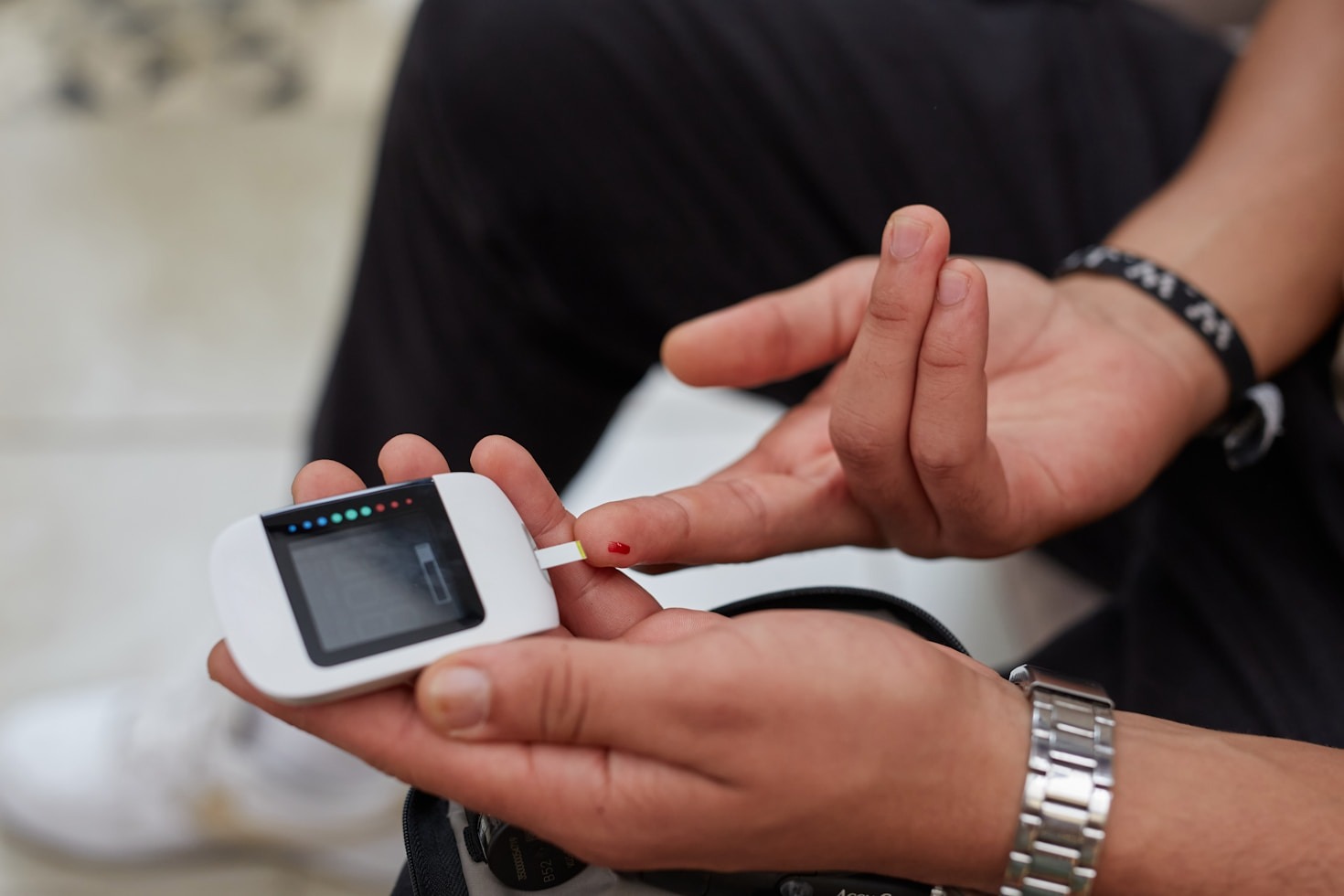
- Increased Thirst: Feeling more dehydrated than usual? It might be worth a check.
- Frequent Urination: Having to run to the bathroom often can be a sign of high blood sugar as your body tries to get rid of excess glucose.
- Fatigue: Experiencing unexplained tiredness? High sugar levels can affect your overall energy.
- Blurred Vision: If your sight seems off, it could be linked to fluctuating blood sugar levels.
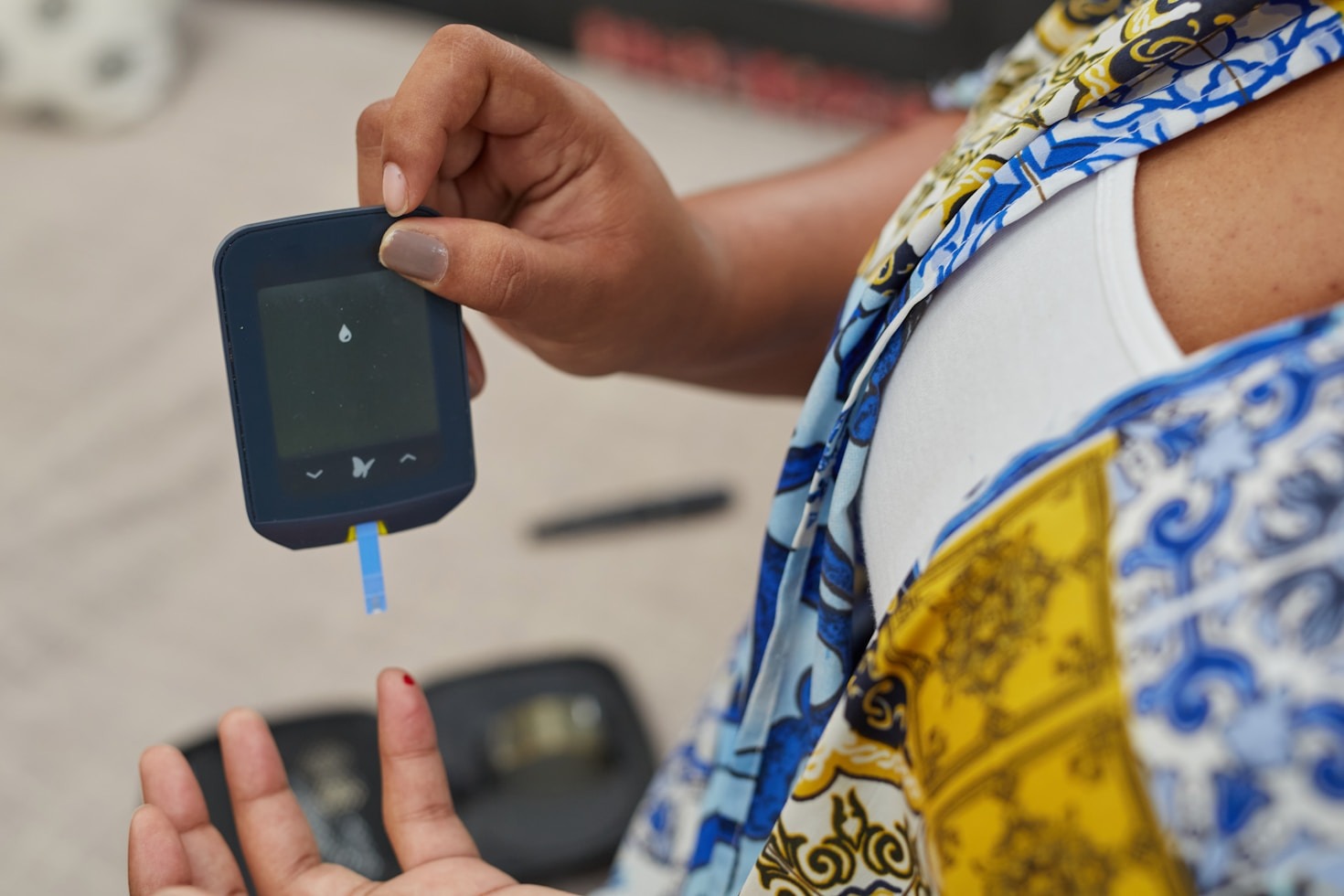
Staying attuned to your body can empower you to take action when needed.
Lifestyle Changes to Protect Your Blood Sugar
Making lifestyle changes can feel overwhelming, but small steps can lead to big results. Here are some changes you might consider:
- Increase Physical Activity: Regular exercise like walking, swimming, or dancing can improve insulin sensitivity and regulate blood sugar.
- Mindfulness and Stress Reduction: Incorporating mindfulness practices, such as meditation or journaling, can help manage stress levels and thus, indirectly support your blood sugar.
These lifestyle changes can seem small in isolation, but they can build a solid foundation for better health over time.
The Role of Diet in Sleep and Blood Sugar
Food plays a huge role in both sleep and blood sugar regulation. Consider these dietary tips:
- Balanced Meals: Eating a mix of proteins, healthy fats, and complex carbohydrates can help stabilize blood sugar levels.
- Choose Whole Foods: Fresh fruits, vegetables, and whole grains are packed with nutrients that benefit both sleep and blood sugar control.
- Avoid Sugary Snacks before Bed: Late-night snacking on sweets can disrupt sleep and lead to a spike in blood sugar.
These dietary changes can create a nurturing environment for restorative sleep and balanced blood sugar.
Empowering Your Health Through Rest
Your health journey is personal, especially as you navigate through the unique changes of womanhood. Embracing healthy sleep habits can feel like rediscovering a lost part of yourself. Through better sleep, you can find the energy to take on the world, manage your emotions, and forge meaningful connections with others.
By prioritizing sleep, you empower your body to function at its best. Finding rest isn’t just about stopping work; it’s about honoring your body, listening to its needs, and nurturing your mental well-being.
Finding Hope: Overcoming Sleep Challenges
Despite these challenges, there is hope. You don’t have to do this alone. There are practical steps and supportive communities out there, aspiring to thrive together. Every woman can find a way to improve her sleep and, in doing so, her blood sugar control.
Your journey may be unique, but many have walked this path before you and found relief and balance. With a simple step-by-step method tailored for women just like you, a new dawn awaits. Remember, you are capable of change, and it’s time to take that first step toward a healthier you.
This paragraph serves as an introduction to your blog post. Begin by discussing the primary theme or topic that you Read more

This paragraph serves as an introduction to your blog post. Begin by discussing the primary theme or topic that you Read more

This paragraph serves as an introduction to your blog post. Begin by discussing the primary theme or topic that you Read more
This paragraph serves as an introduction to your blog post. Begin by discussing the primary theme or topic that you Read more