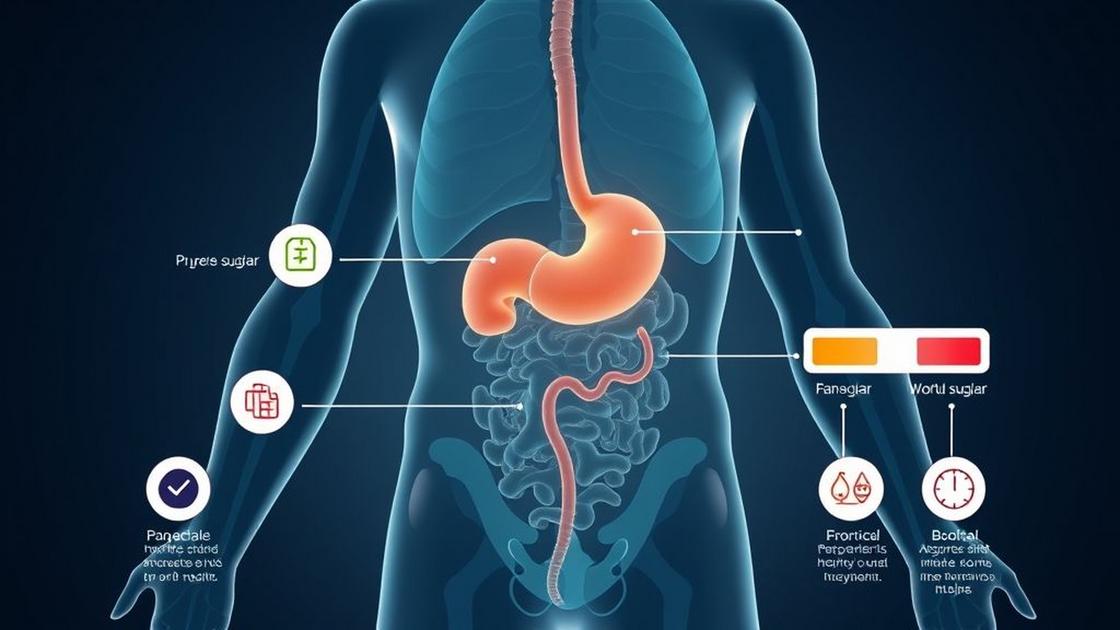
Have you noticed how your hormonal changes might be affecting your mood or blood sugar levels? For many women over 30, this is a daily challenge. Hormonal fluctuations can lead to feelings of anxiety, fatigue, and even insomnia, making it tough to navigate daily life. Your body is constantly sending signals, and understanding these can be the first step towards feeling your best.
Understanding Hormonal Changes
As women age, hormonal changes can shift gracefully, but they often come with discomfort. From puberty to menopause, hormones like estrogen and progesterone fluctuate, impacting various aspects of health. These changes can lead to feelings of confusion and fatigue, as if you are riding an emotional roller coaster. It’s essential to recognize that these hormonal tides can significantly influence your body and mood.
The Connection Between Hormones and Blood Sugar
Hormones play a vital role in regulating blood sugar levels. Insulin, a key hormone produced by the pancreas, helps lower blood sugar after you eat. However, hormonal imbalances can lead to insulin resistance, making it challenging to control blood sugar levels. Stress hormones like cortisol can also elevate blood sugar, leading to mood swings. Understanding how these hormones interact can reveal why you might feel irritable or fatigued.
How Hormones Influence Your Mood
Hormonal fluctuations are closely linked to mood changes. For instance, during certain times of the month, women may experience heightened emotions due to shifts in estrogen and progesterone. Low estrogen can lead to feelings of sadness or irritability, while high progesterone might cause feelings of fatigue. Additionally, hormonal imbalances can impact neurotransmitters, the chemicals that transmit signals in the brain, ultimately affecting how you feel daily.
Common Symptoms of Hormonal Imbalance
Being aware of the signs of hormonal imbalance can empower you to seek help. Common symptoms include:
Unexplained weight gain or loss
Fatigue and low energy
Sleep disturbances, such as insomnia
Mood swings or increased anxiety
Changes in menstrual cycles
Hot flashes or night sweats
Recognizing these symptoms is the first step towards addressing them and regaining balance.
Tips for Stabilizing Blood Sugar Levels
Stabilizing blood sugar can greatly enhance your overall mood and energy. Consider the following strategies:
Eat Regularly: Consuming balanced meals at regular intervals keeps your blood sugar stable.
Choose Whole Foods: Incorporate vegetables, lean proteins, and healthy fats to nourish your body.
Watch Your Carbs: Opt for complex carbohydrates over simple sugars to prevent spikes in blood sugar.
Stay Hydrated: Drinking enough water aids in digestion and can keep energy levels up.
The Role of Nutrition in Hormonal Health
Nutrition plays an essential role in maintaining hormonal balance. Foods rich in omega-3 fatty acids, such as salmon and walnuts, can help reduce inflammation and improve mood. Foods full of vitamins and minerals, especially vitamin D and magnesium, are also important for hormone production. Additionally, consider incorporating fermented foods like yogurt and kimchi to support gut health, which is closely connected to hormonal regulation.
Exercise: A Natural Mood Booster
Regular physical activity can be a powerful tool in managing hormones and mood. Exercise releases endorphins, which are natural mood lifters. This doesn’t mean you have to train like an athlete; even gentle activities like walking, swimming, or yoga can significantly impact your mental and physical health. Aim for at least 30 minutes of movement most days, and you’ll likely notice a brighter mood and more balanced energy levels.
Sleep and Its Impact on Hormonal Balance
Quality sleep is often overlooked, yet it is crucial for hormonal balance. Lack of sleep can lead to increased cortisol levels, which may disrupt your blood sugar levels and mood. Establishing a calming bedtime routine, like reading or meditation, can improve sleep quality. Aim for 7-9 hours of sleep each night to help reset your hormones and boost your mood.
Mindfulness Techniques to Manage Stress
Stress can wreak havoc on your hormones and blood sugar levels. Practicing mindfulness techniques, such as meditation, deep breathing, or gentle yoga, can help you stay grounded. Taking moments throughout the day to pause, breathe, and reflect can decrease anxiety and improve your mood. Consider starting with just a few minutes daily and gradually increasing your practice.
Empowering Your Journey to Wellness
Improving your hormonal health is possible, and many women have successfully navigated these changes into a smoother ride. By embracing the steps outlined here, from nutrition to mindfulness, you can create a foundation for better blood sugar control and enhanced mood. Remember, you are not alone in this journey, and every small step you take can lead to remarkable changes. Embrace the journey to wellness, and consider reaching out for support from others who understand your challenges. You’ve got this!