Have you ever felt overwhelmed by anxiety only to notice your body reacting in unexpected ways? Many women in their 30s and beyond experience this connection between anxiety and blood sugar instability. It’s frustrating to think that your emotional struggles could be impacting your physical health. Let’s explore how these two issues intertwine and discover potential solutions together.
Understanding the Connection Between Anxiety and Blood Sugar
Anxiety is a constant companion for many women over 30. It can creep in quietly and before you know it, it’s taking over your life. But did you know that anxiety can also cause problems for your blood sugar? When we’re anxious, our bodies enter a state of heightened alertness. This can lead to fluctuations in blood sugar levels, making us feel even worse.
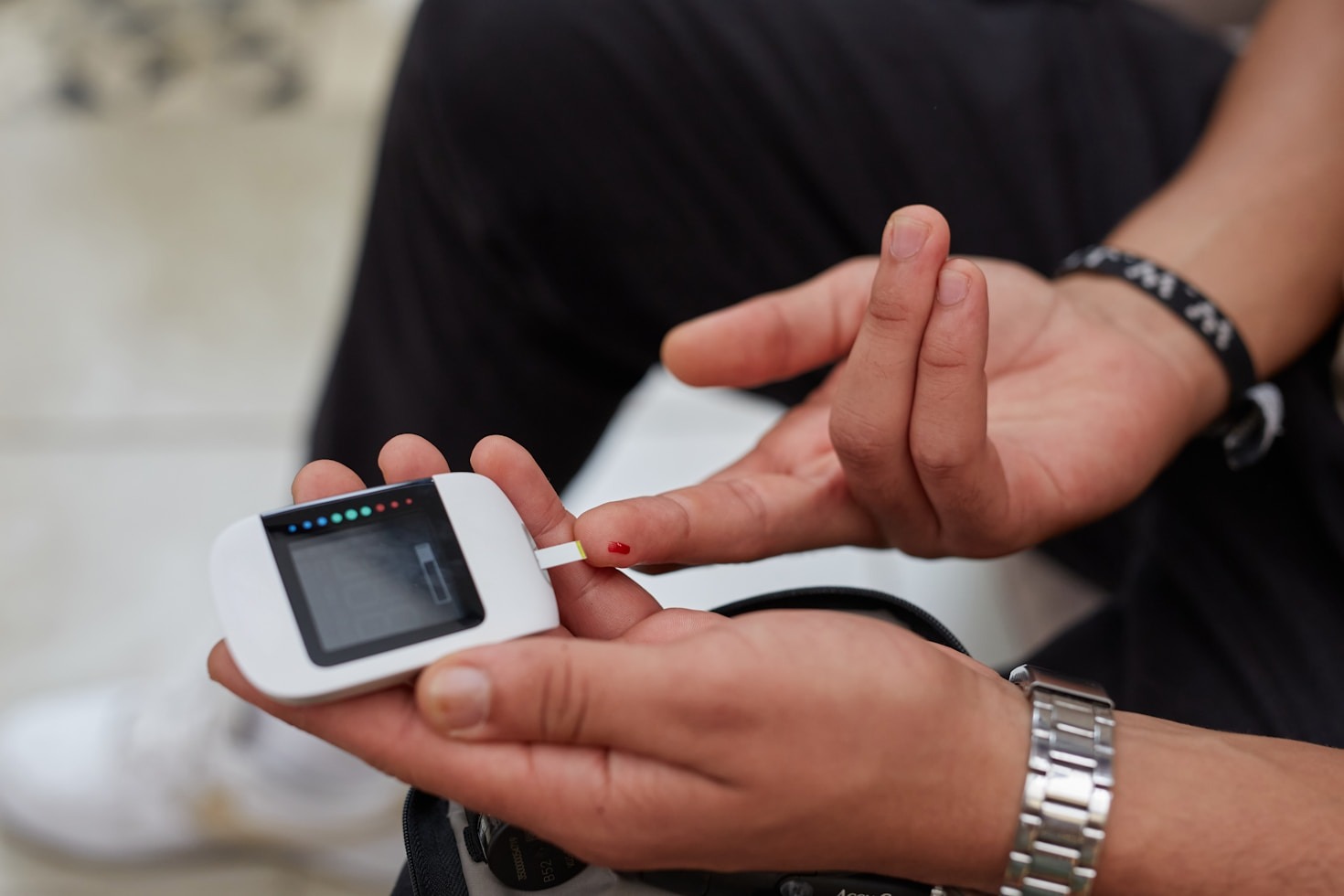
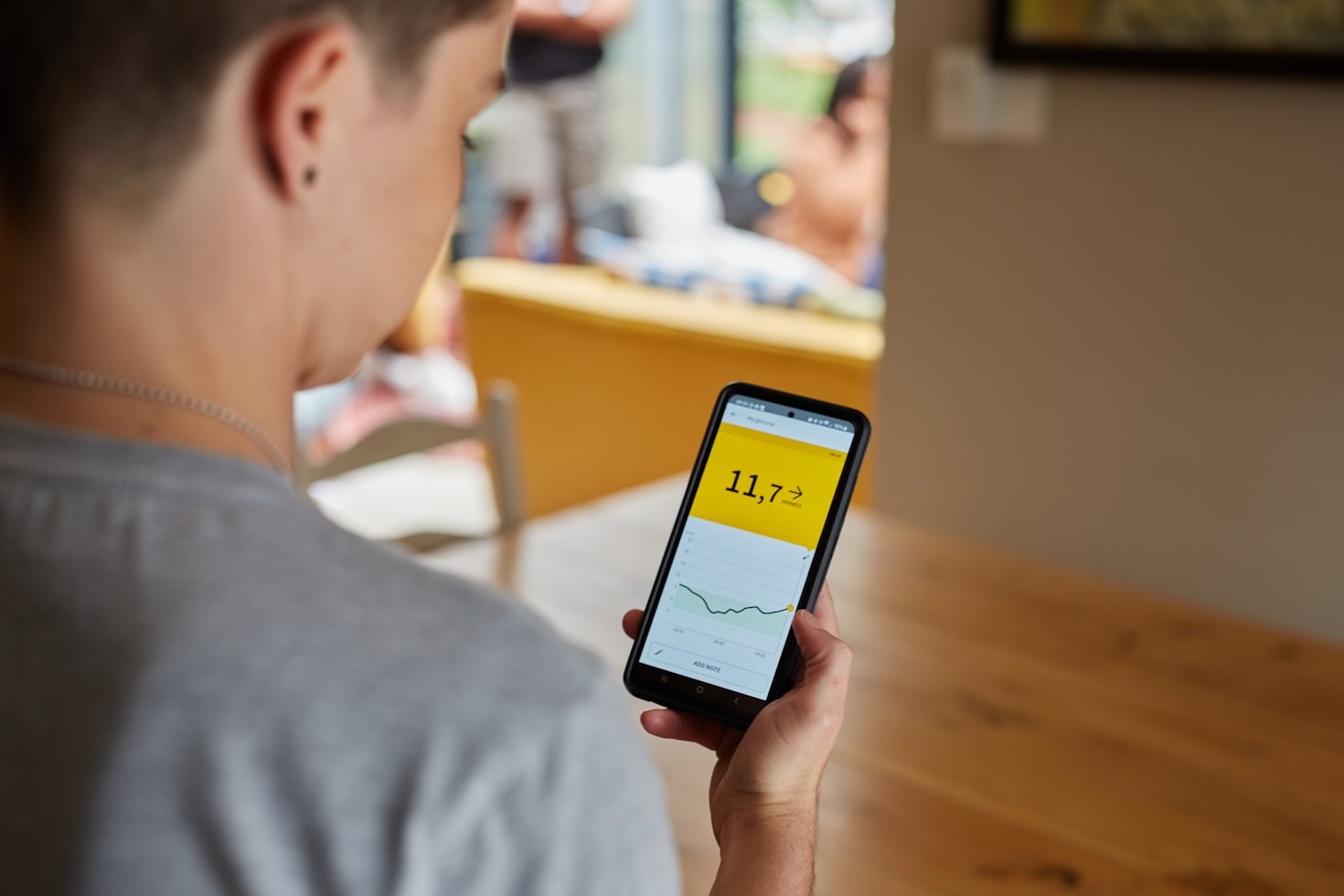
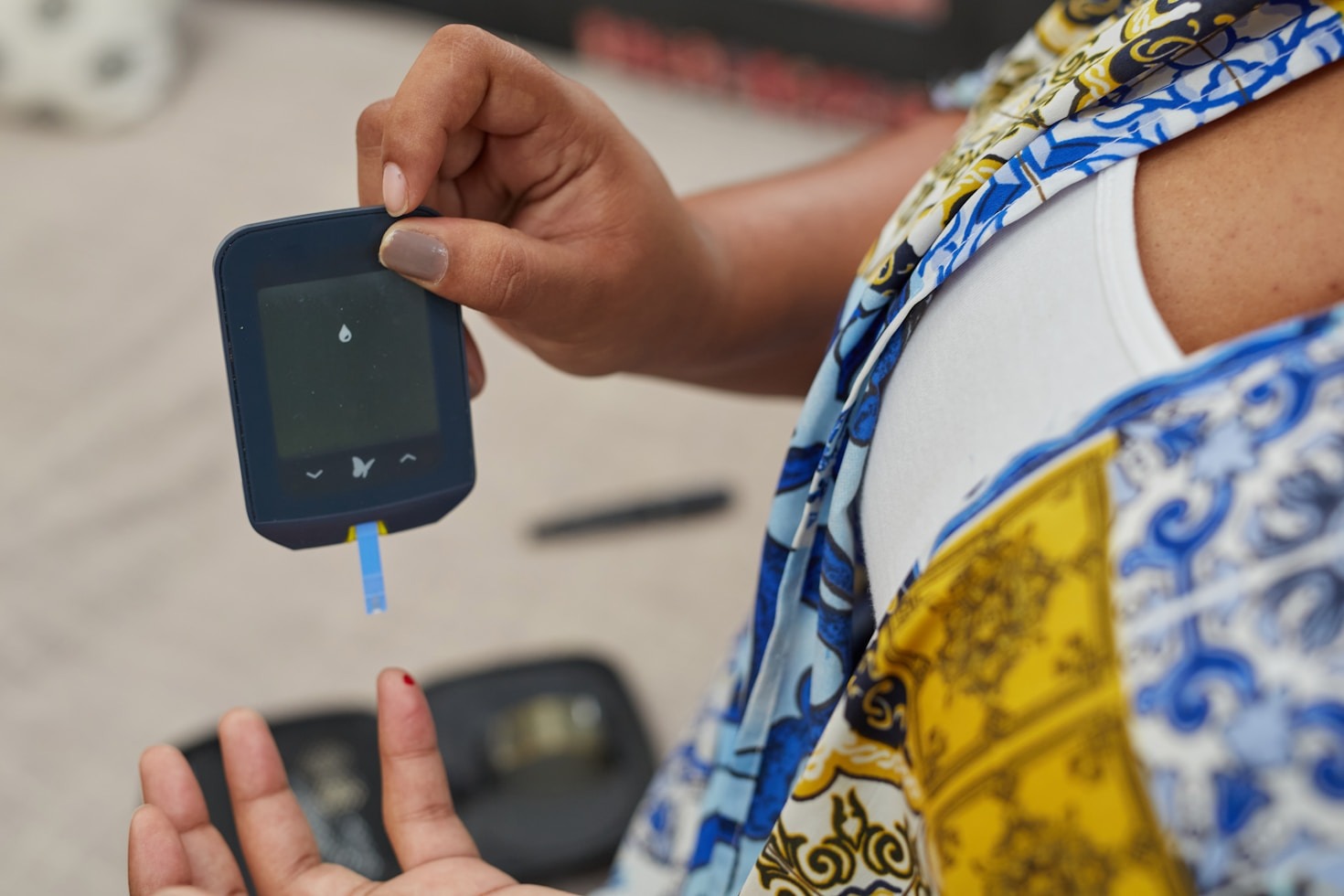
Blood sugar levels can become unstable due to the way our body responds to stress. Have you ever felt shaky, dizzy, or sweaty in a moment of overwhelming stress? Those symptoms can often be linked back to your blood sugar levels. Understanding this connection is crucial for managing both anxiety and blood sugar effectively.
The Role of Stress Hormones in Blood Sugar Regulation
When you experience anxiety, your body releases stress hormones like cortisol and adrenaline. These hormones are designed to help you react quickly in dangerous situations. While helpful in the short term, they can negatively impact your blood sugar levels if they’re constantly triggered.
The release of cortisol raises your blood sugar as your body prepares to handle perceived threats. This is great in a moment of danger, but for those battling anxiety, it can lead to chronic blood sugar instability. Too much sugar in the blood can lead to symptoms like fatigue, headaches, and irritability, creating a vicious cycle.
How Anxiety Symptoms Impact Daily Life for Women
Living with anxiety can feel like walking through life with a weight on your shoulders. Many women report struggling with fatigue, insomnia, and hormonal imbalances. You might find that your daily tasks feel monumental. Perhaps you want to exercise, but your anxiety saps your energy.
These symptoms can also affect relationships and work. Feeling irritable or overwhelmed can put strain on friendships. It’s frustrating to miss out on life because you feel trapped by your own thoughts and physical symptoms. This is where understanding the link between anxiety and blood sugar becomes important; how you manage one can positively influence the other.
Recognizing Blood Sugar Instability: Signs to Watch For
Being mindful of how your body feels can help you catch signs of blood sugar instability early. Here are some common signs to watch for:
- Shakiness: Feeling shaky can indicate low blood sugar.
- Dizziness: A sudden feeling of lightheadedness can occur with blood sugar spikes or drops.
- Hunger: Intense cravings may signal your body’s need for balance.
- Irritability: Mood swings can result from unstable blood sugar levels.
- Fatigue: Constant tiredness that doesn’t seem to improve, despite good sleep.
Recognizing these signs is the first step to regaining control over your health. Embracing this awareness can empower you to take action before these symptoms escalate.
Effective Strategies to Manage Anxiety Naturally
Managing anxiety naturally can feel like climbing a mountain, but it’s entirely achievable with the right tools. Here are some approaches to consider:
- Breathe Deeply: Focus on your breath. Inhale deeply through your nose, hold for a few seconds, and exhale through your mouth.
- Exercise: Physical activity can boost your mood and stabilize your blood sugar.
- Journaling: Write about your thoughts and feelings to lighten your emotional load.
- Herbal Remedies: Consider natural options like chamomile or lavender to help soothe anxiety.
Remember, the path to managing anxiety is personal. Experiment with different techniques to find what works for you.
The Importance of Nutrition in Balancing Blood Sugar
Your diet plays a huge role in blood sugar levels. Consuming whole, nutrient-dense foods can help stabilize your blood sugar and, in turn, reduce anxiety symptoms. Here’s how:
- Eating Regularly: Don’t skip meals. Eating balanced meals at regular intervals maintains steady blood sugar.
- Focus on Fiber: Incorporate whole grains, fruits, and vegetables to slow down digestion and sugar absorption.
- Healthy Fats: Foods like avocados and nuts can keep you feeling full longer and help prevent spikes.
- Stay Hydrated: Drink plenty of water to keep your body functioning optimally.
Eating mindfully can be a powerful way to break the cycle of anxiety and blood sugar instability.
Mindfulness Techniques for Reducing Anxiety
Mindfulness is a powerful tool in combating anxiety. It involves being fully present and engaged in the moment. Here are a few mindfulness techniques you can try:
- Meditation: Set aside a few minutes each day to sit in silence and focus on your breath.
- Guided Imagery: Visualize a peaceful scene when stress feels overwhelming.
- Walking Mindfully: Take a walk and pay attention to the sights, sounds, and sensations around you.
Mindfulness can help reduce the noise in your mind, allowing you to respond to anxiety more effectively.
The Power of Support: Finding Your Community
You don’t have to go through this alone. Connecting with others who understand your struggles can provide immense relief. Here’s how to find your support system:
- Online Forums: Join groups or forums where you can share your experiences and learn from others.
- Support Groups: Look for local or online support groups designed for women facing similar challenges.
- Talk to Friends: Don’t hesitate to share your feelings with friends. Many women are going through the same issues and can provide comfort.
Having a community around you not only helps you feel less isolated but can also promote healing and resilience.
Making Lifestyle Changes That Matter
Sometimes, making small changes can lead to significant impacts on your wellbeing. Here are some lifestyle changes to consider:
- Create a Routine: Establishing daily routines can provide structure and stability.
- Limit Caffeine: Reducing caffeine can help with both anxiety and blood sugar management.
- Sleep Hygiene: Establishing better sleep habits can drastically reduce anxiety and stabilize blood sugar.
Even minor tweaks can create a ripple effect, helping you feel more in control of your mental and physical health.
Embracing Hope: Your Path to Wellness
It’s crucial to hold onto hope as you navigate these challenges. Remember that many women have walked this path and found relief from both anxiety and blood sugar instability. With determination and a step-by-step approach, it’s possible to reclaim your health.
Believe that you can improve your symptoms and challenges. Just like others have done, you have the power to discover a solution tailored to your journey. Embrace the potential for wellness and step into a brighter, more balanced future.
This paragraph serves as an introduction to your blog post. Begin by discussing the primary theme or topic that you Read more

This paragraph serves as an introduction to your blog post. Begin by discussing the primary theme or topic that you Read more
This paragraph serves as an introduction to your blog post. Begin by discussing the primary theme or topic that you Read more
This paragraph serves as an introduction to your blog post. Begin by discussing the primary theme or topic that you Read more