Are you one of the many women over 30 who feel overwhelmed by anxiety and its surprising effects on your health? How anxiety fuels blood sugar instability is an often-overlooked connection that can leave you feeling drained and frustrated. Understanding this relationship is crucial to reclaiming your well-being. In this article, we’ll explore the intricacies of how these two factors interact and what steps you can take to regain control over your health.
Understanding the Link Between Anxiety and Blood Sugar Levels
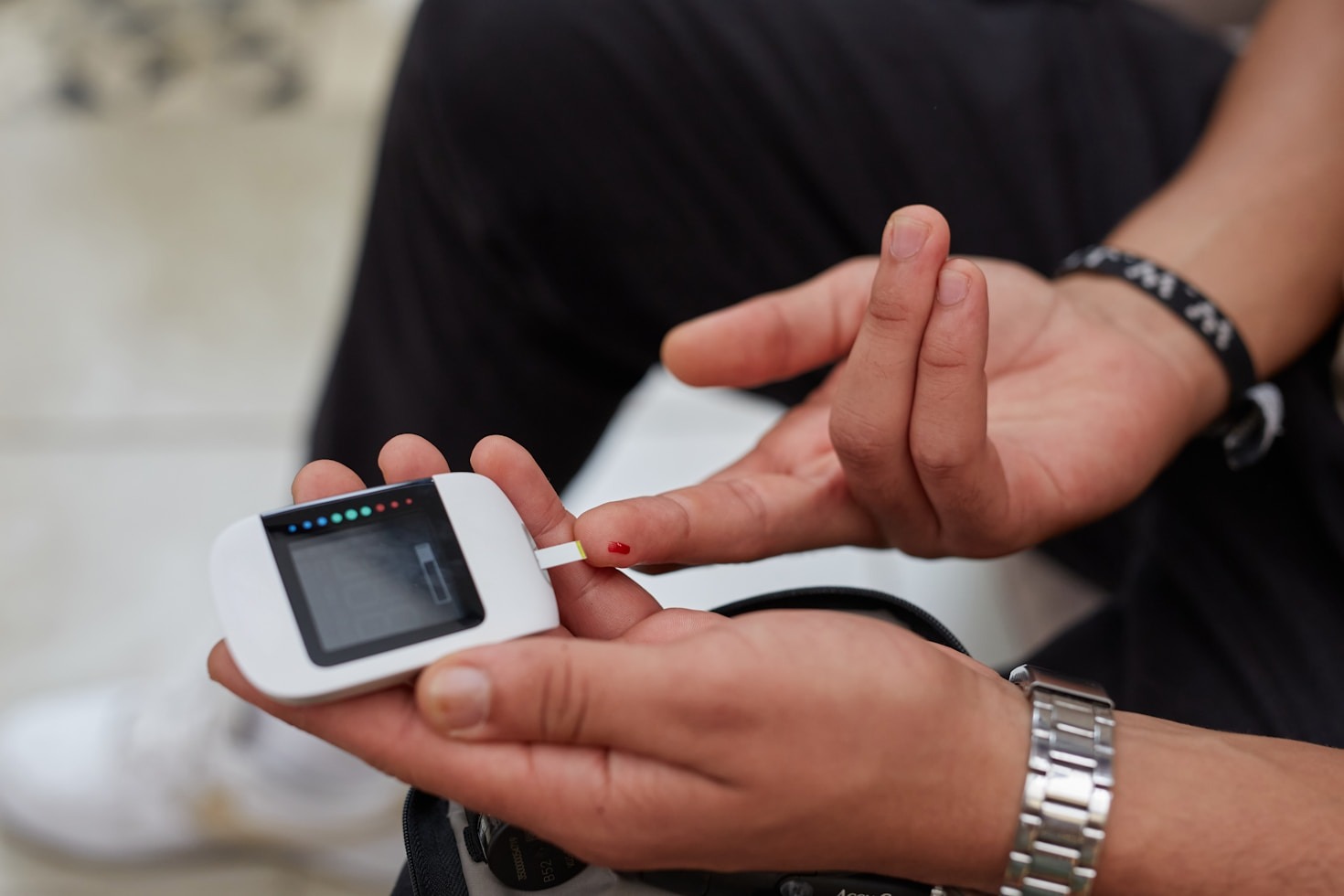
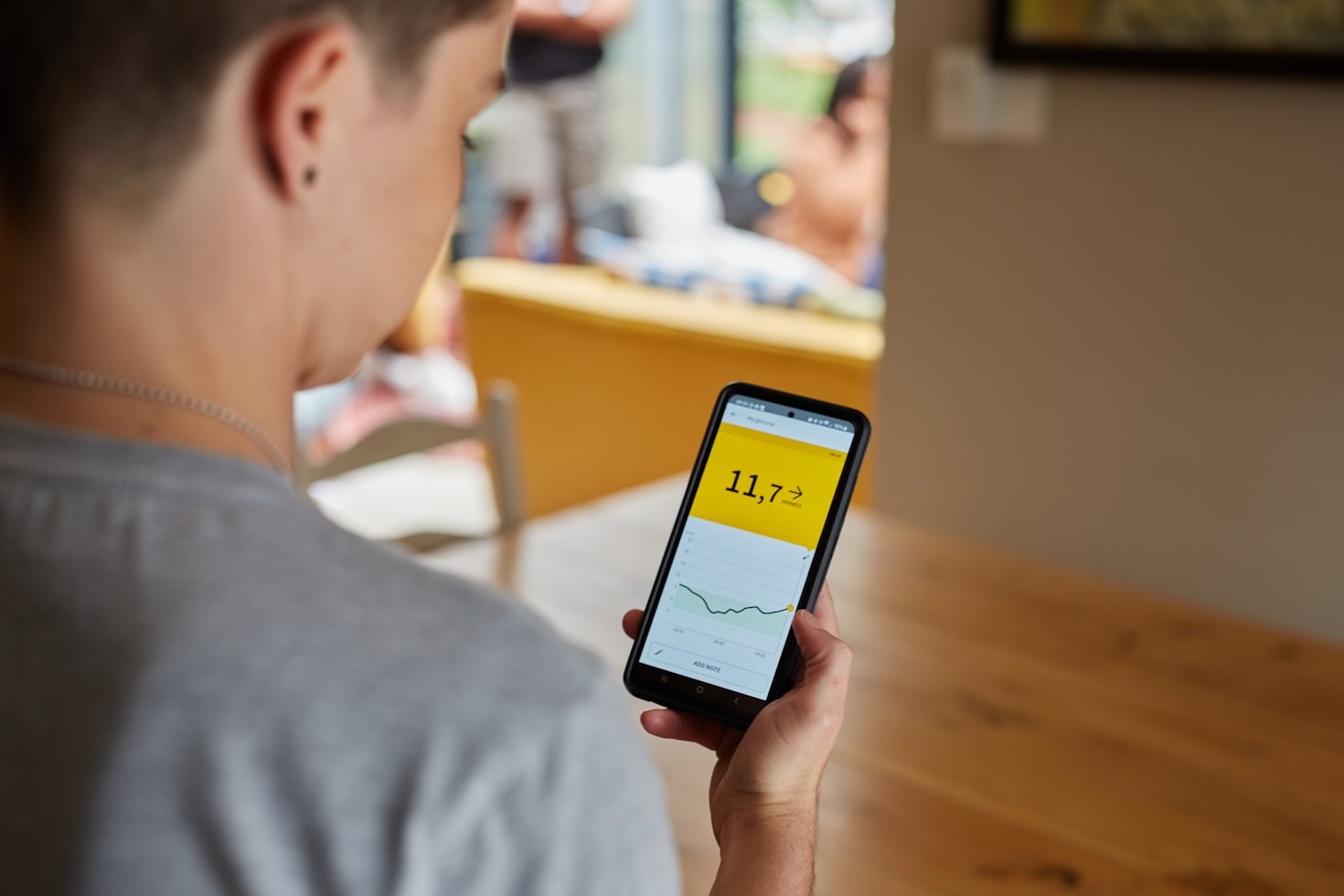
Anxiety and blood sugar levels are closely intertwined, impacting many women, especially those over 30. When we experience anxiety, our body’s stress response kicks in, influencing how our bloodstream manages sugar. When you feel anxious, your body releases hormones like cortisol and adrenaline, preparing you for ‘fight or flight.’ This reaction can lead to a spike in blood sugar levels, as glucose is released into the bloodstream to provide immediate energy.
However, the relationship doesn’t stop there. Fluctuating blood sugar levels can fuel anxiety by creating feelings of irritability, mood swings, and fatigue. This cycle often leaves women feeling trapped, as managing one issue can intensify the other.
How Stress Affects Glycemic Control
When you’re stressed, your body behaves differently. The stress hormone, cortisol, plays a significant role in regulating your blood sugar levels. Elevated cortisol leads to increased insulin resistance, meaning your body struggles to use glucose effectively. This can create a vicious cycle:
Stress leads to increased cortisol.
Cortisol raises blood sugar levels.
High blood sugar causes fatigue, which increases stress.
This cycle is especially frustrating for women juggling busy lives, work, and personal responsibilities. It’s important to recognize how stress manifests in your blood sugar patterns.
The Impact of Hormonal Changes on Anxiety and Blood Sugar
Many women experience hormonal changes in their 30s and beyond, including fluctuations related to menstruation, menopause, and general hormonal imbalances. These changes can contribute to increased anxiety and alterations in blood sugar stability. For instance:
Progesterone levels: Fluctuating progesterone may impact mood and increase feelings of anxiety.
Estrogen levels: Lower estrogen can lead to shifts in insulin sensitivity, affecting how your body processes sugar.
As a result, the combination of hormonal shifts and anxiety can lead to blood sugar instabilities that leave you feeling overwhelmed. Understanding your body’s cycles can be empowering and help you manage both anxiety and blood sugar more effectively.
Recognizing Symptoms of Blood Sugar Instability
Being aware of the signs of blood sugar instability is crucial, especially for women dealing with anxiety. Some symptoms to watch for include:
Fatigue: Persistent tiredness can be a sign of fluctuating blood sugar.
Cravings: Intense cravings for sweets or carbohydrates often indicate low blood sugar.
Headaches: These can result from both high and low blood sugar levels.
Mood swings: Feelings of irritability or anxiety can signal blood sugar fluctuations.
If you’re noticing these symptoms in your daily life, it’s important to take action for your health and emotional well-being.
Practical Tips for Managing Anxiety Effectively
Managing anxiety is essential to improve your overall health and help stabilize blood sugar levels. Here are some effective strategies:
Breathing exercises: Simple, deep breathing can help reduce anxiety instantly.
Journaling: Writing about your feelings can provide clarity and relief.
Limiting caffeine and sugar: These can heighten anxiety and lead to blood sugar spikes.
Establishing a routine: A predictable routine can increase feelings of control and stability.
Implementing these tips can create a sense of calm that positively influences both your anxiety and blood sugar levels.
Dietary Considerations for Balanced Blood Sugar
Your diet plays a vital role in blood sugar management and overall emotional health. Consider including:
Whole grains: Foods like brown rice and quinoa can help keep your blood sugar stable.
Lean proteins: Sources like chicken, turkey, and legumes can promote satiety and steady energy.
Healthy fats: Avocados, nuts, and olive oil support stable blood sugar levels.
Fiber-rich vegetables: Incorporating vegetables helps slow down sugar absorption.
Balancing your meals with these food groups can create a foundation for steady blood sugar and reduce anxiety symptoms.
The Role of Exercise in Stress Relief
Exercise is a powerful tool for managing both anxiety and blood sugar levels. Incorporating regular physical activity has shown various benefits:
Release of endorphins: Exercise stimulates the release of feel-good hormones.
Improved insulin sensitivity: Regular movement helps your body use glucose more effectively.
Stress reduction: Physical activity can act as a natural stress reliever.
Even short walks or stretches can significantly alleviate anxiety and improve blood sugar management. Find activities that you enjoy to make movement a regular part of your life.
Mindfulness Techniques to Combat Anxiety
Mindfulness practices can have a profound impact on both anxiety and blood sugar control. Techniques such as:
Meditation: Spending a few minutes in meditation each day can create a sense of peace.
Yoga: Combining breath work with movement can soothe anxiety.
Grounding techniques: Focusing on your senses can return you to the present moment, alleviating overwhelming thoughts.
Integrating mindfulness into your daily routine can serve as a valuable tool in managing anxiety and supporting overall health.
Creating a Support System for Emotional Health
Nurturing relationships is vital for emotional well-being and can combat anxiety. Consider these ways to create a supportive circle:
Connect with friends: Don’t hesitate to reach out to friends for conversations and activities.
Seek out support groups: Joining groups with similar experiences can lessen feelings of isolation.
Communicate openly: Share your feelings with loved ones; open communication fosters support.
Your support system can be a treasure in navigating challenges related to anxiety and blood sugar stability. Don’t be afraid to lean on others.
Success Stories: How Women Have Transformed Their Lives
Many women have successfully navigated the complex relationship between anxiety and blood sugar. By embracing small changes in their routines, they found a balance that allowed them to regain control. They started incorporating stress-relief techniques, adjusting their diet, and engaging in regular exercise. Their journeys remind us that positive change is possible. Listening to their stories can inspire you to take that first step towards your own transformation.
Women just like you have faced similar challenges, overcoming the silent struggles of anxiety and blood sugar instability. Remember, it’s possible to rise above these difficulties. Simply by taking small, manageable steps toward improvement, you can reclaim your life just as many have done. Explore solutions designed to help you thrive in both health and happiness—your journey toward a brighter tomorrow is waiting.