Are you feeling fatigued and lacking energy throughout your day? You’re not alone. Many women over 30 experience hormonal imbalances and energy dips, leading to feelings of exhaustion and anxiety. Thankfully, there’s hope! Exploring foods that stabilize glucose can be your path to improved energy and well-being. With the right nutrients, you can enhance your daily vitality, effortlessly combat fatigue, and feel your best. Let’s delve into these wonderful foods and how they can transform your life.
Understanding Glucose and Energy Levels
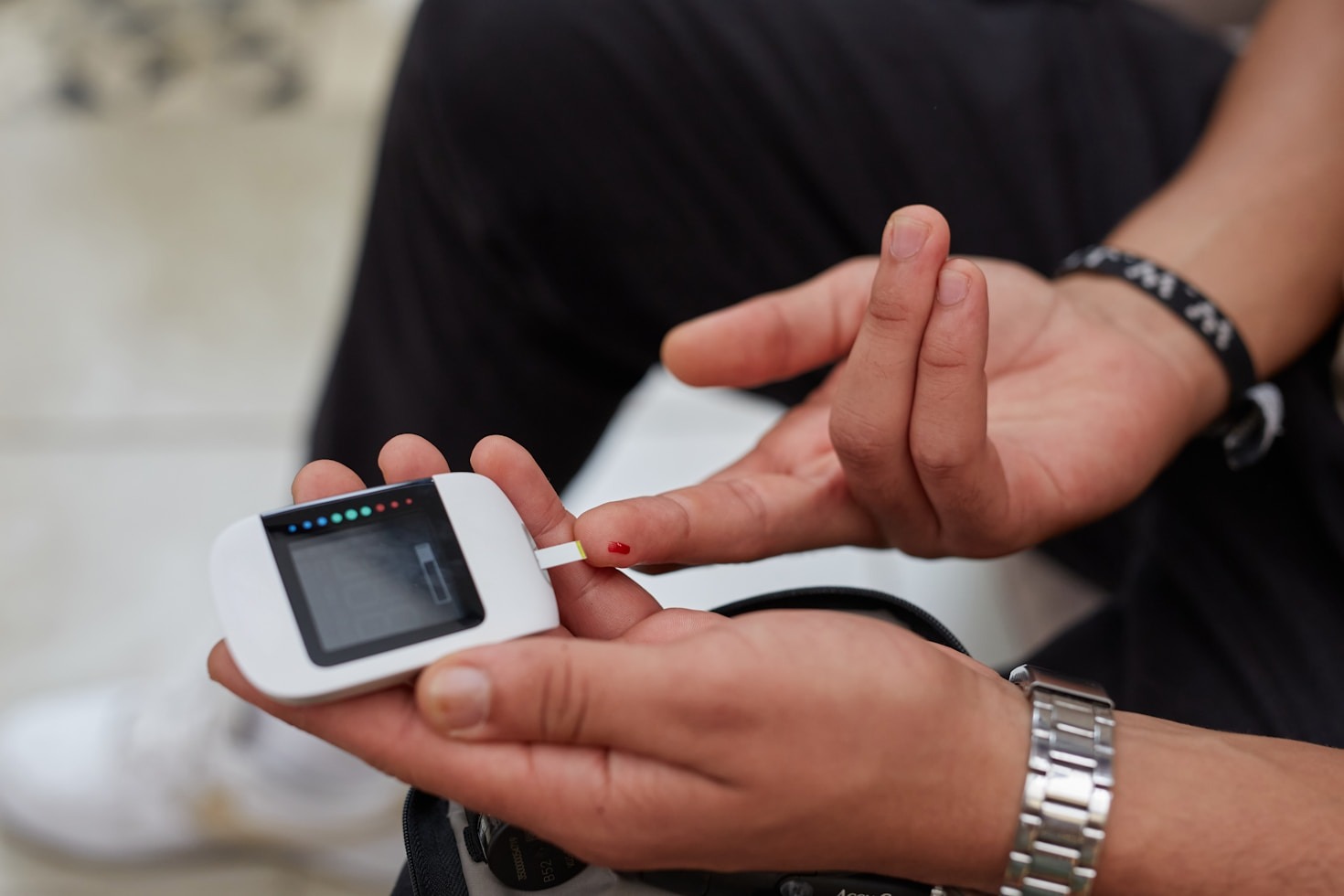
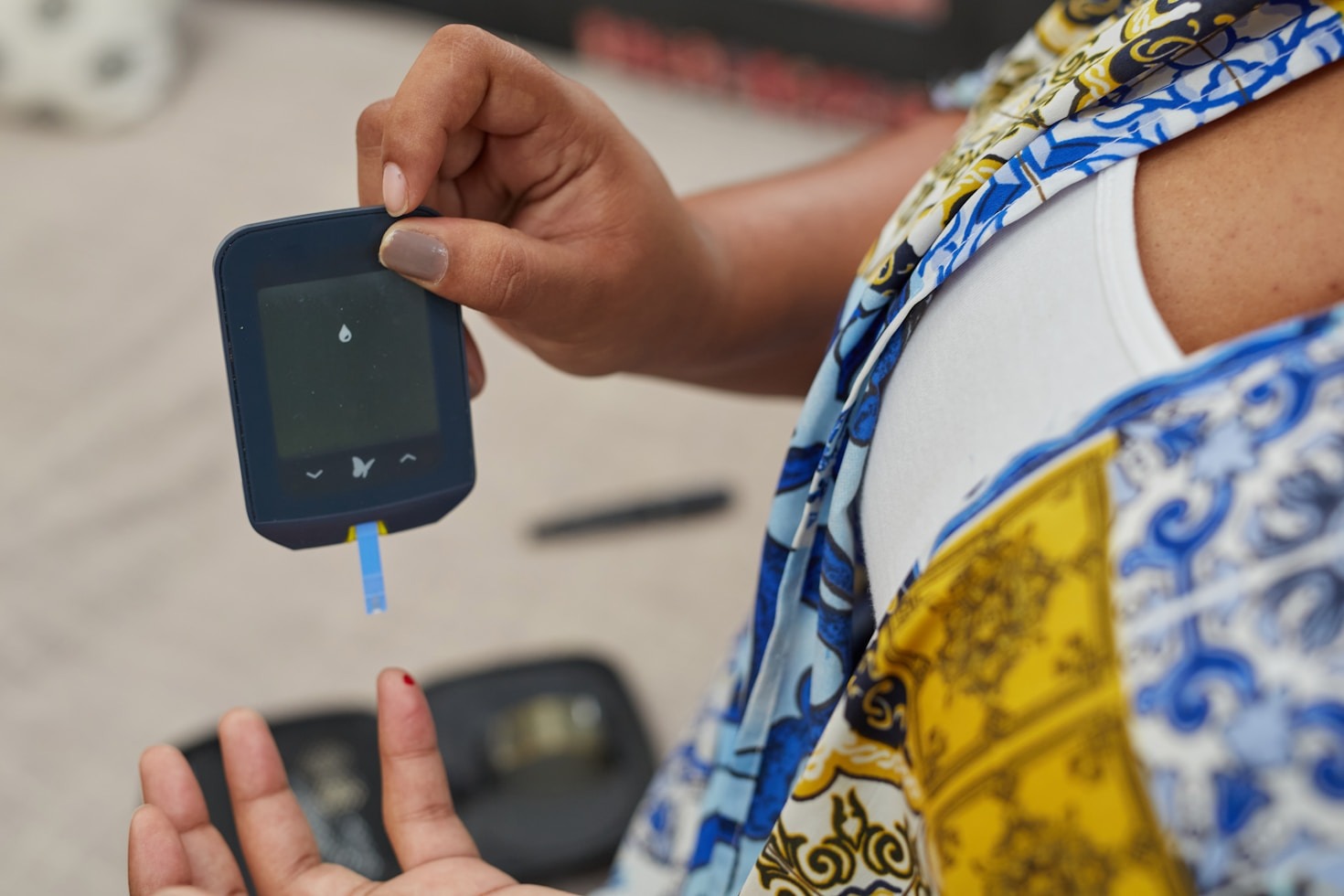
Glucose is crucial for our body’s function. It’s the main source of energy for our cells and helps fuel our daily activities. Women over 30 often feel fatigued or low on energy. This can be due to unstable blood sugar levels. When glucose spikes or drops, it can leave you feeling exhausted or irritable.
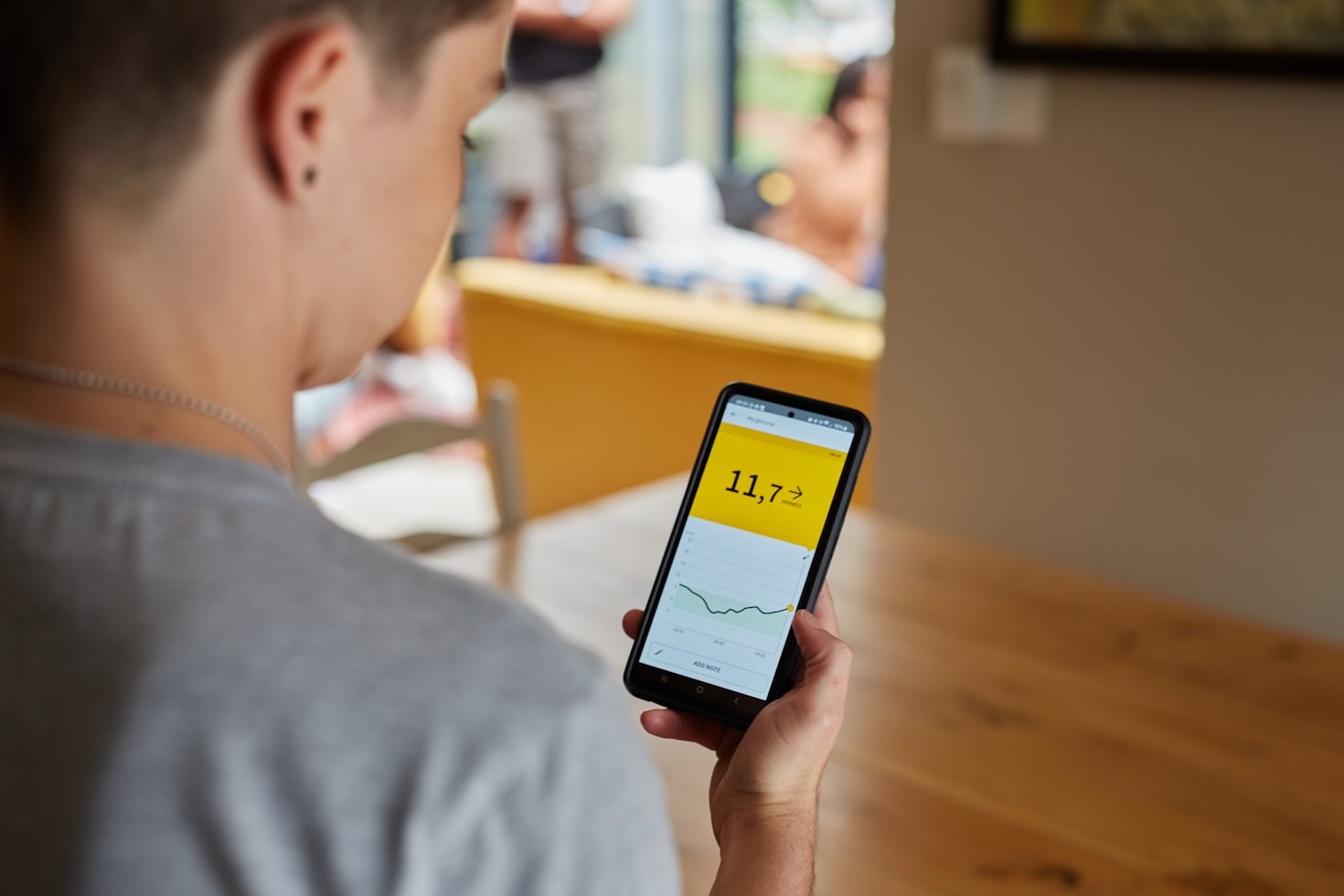
Keeping your blood sugar steady is vital. When levels fluctuate, it can lead to feelings of anxiety, difficulty concentrating, and even insomnia. Women often juggle multiple roles and responsibilities, making energy management even more important for maintaining vitality.
Top Foods for Stabilizing Blood Sugar
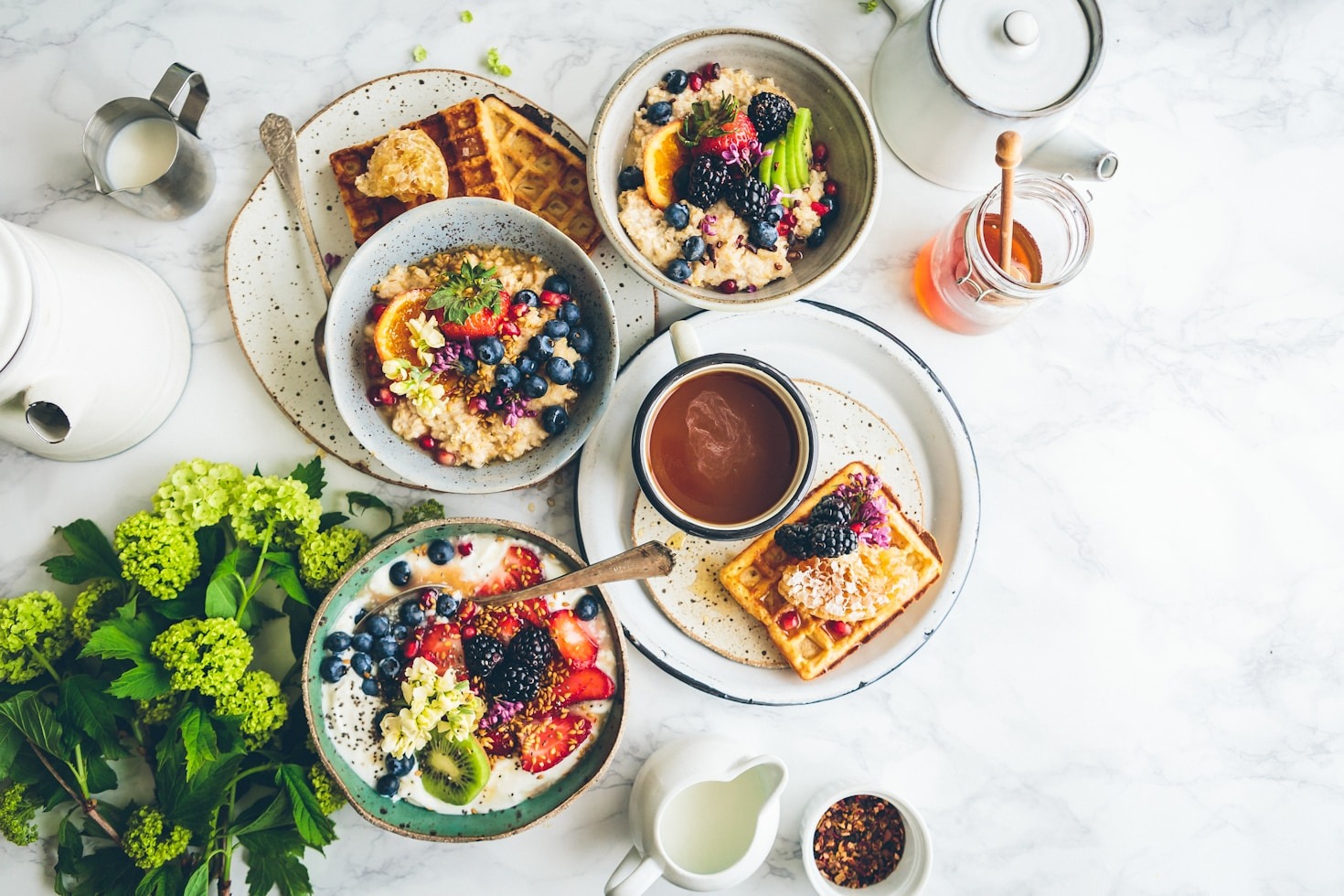
If you want to stabilize your glucose levels and boost your daily energy, certain foods can help. Here’s a list of powerful options:
Whole Grains: Choose oats, quinoa, and brown rice. They release energy slowly, keeping blood sugar levels stable.
Berries: Strawberries, blueberries, and blackberries are rich in antioxidants and fiber, helping to control glucose spikes.
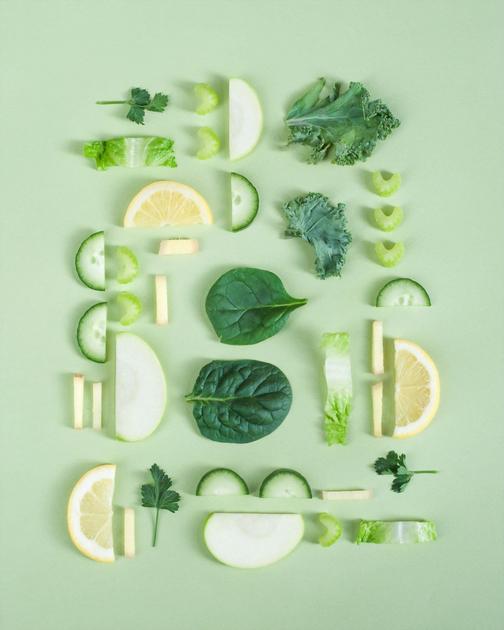
Leafy Greens: Spinach, kale, and swiss chard are low in calories and high in nutrients, making them perfect for energy.
Nuts and Seeds: Almonds, chia seeds, and walnuts provide healthy fats and protein, which help keep you full and energized.
Legumes: Lentils and chickpeas are great sources of fiber and protein, helping to stabilize blood sugar.
The Role of Fiber in Energy Management
Fiber plays an important role in stabilizing blood sugar. When you consume fiber, it slows down sugar absorption, leading to a more gradual rise in blood sugar rather than spikes. High-fiber foods make you feel fuller for longer, which can help reduce cravings and prevent overeating.
Women should aim for at least 25 grams of fiber each day. Incorporate fiber-rich foods like beans, vegetables, fruits, and whole grains into your meals. This will not only help manage your weight but also boost your energy levels.
Healthy Fats: Your Energy Allies
Adding healthy fats to your meals can help keep your energy levels stable. Fats slow down the absorption of glucose, which aids in preventing blood sugar crashes. Avocados, olive oil, and fatty fish like salmon are excellent choices.
Don’t shy away from healthy fat! It can make meals more satisfying and delicious. When you include healthy fats in your diet, you’re investing in long-lasting energy that can help you power through any busy day.
Incorporating Protein for Sustained Energy
Protein is another powerhouse macronutrient. It helps stabilize glucose levels and keeps you feeling full and energized. Including good protein sources like chicken, fish, eggs, and plant-based proteins such as tofu and tempeh in your meals can make a big difference.
By combining protein with carbohydrates and fats, you create a balanced meal that fuels your body effectively. For example, a whole grain toast topped with avocado and a poached egg is a fantastic way to start your day!
Hydration: The Key to Vitality
Sometimes, fatigue can simply be due to dehydration. When your body is not adequately hydrated, it can affect your energy levels and overall well-being. Water is essential for regulating body temperature and aiding digestion, both of which are vital for energy metabolism.
Make it a habit to drink water throughout the day. If plain water seems too dull, infuse it with fruits or herbs! Try cucumber and mint or lemon and basil for a refreshing twist.
Superfoods to Consider
Superfoods are nutrient-dense and can have extraordinary benefits for your health. Some top choices include:
Chia seeds: Packed with omega-3s and fiber, they can help stabilize glucose.
Quinoa: This protein-rich grain has a low glycemic index, making it a great option.
Kale: A super green filled with vitamins and antioxidants to boost energy.
Bitter Melon: Known for its ability to regulate blood sugar levels.
Incorporating superfoods into your meals or smoothies can bring an invigorating lift to your daily routine.
Meal Planning for Energy Stability
Planning your meals can be a game changer when it comes to energy management. When you prepare balanced meals ahead of time, you’re less likely to grab unhealthy snacks or skip meals during busy days.
Consider creating a weekly meal plan. Focus on including a source of healthy protein, a healthy fat, and high-fiber carbs in each meal. Prepping snacks like cut vegetables or nuts can also keep your energy steady. Small, healthy meals or snacks every few hours can help maintain balanced glucose levels.
Mindful Eating Habits for Balance
In today’s fast-paced world, it’s easy to eat without thinking. Practicing mindful eating allows you to slow down and appreciate your food while tuning into your body’s hunger signals. This can prevent overeating and help you make healthier food choices.
Try to eat without distractions, savor every bite, and listen to your body. Ask yourself if you’re truly hungry or just bored. Building a connection with your meals can lead to better energy and an overall sense of well-being.
Simple Steps to Better Energy Today
Improving your energy levels is possible! Start incorporating small changes into your daily routine. Choose foods that stabilize glucose and add them to your meals. Hydrate regularly and practice mindful eating. Each step can lead you towards better energy and vitality!
Women like you have transformed their lives by making these simple adjustments. Remember, it’s not about perfection; it’s about progress. You deserve to feel energetic and vibrant every day. Keep exploring new healthy habits and embrace your journey to unlocking vitality!