Many women over 30 often feel fatigue, struggle with insomnia, or find themselves battling with hormonal imbalances. These frustrating daily challenges may stem from early glucose imbalance symptoms that are easy to overlook. Recognizing these symptoms is crucial as they can transform your health and well-being. In this article, we will explore the signs to be aware of, empowering you to take charge of your health journey.
Understanding Glucose Imbalance
Glucose imbalance refers to the disruption in the way our bodies process sugar, a vital energy source. For women over 30, hormonal changes, lifestyle adjustments, and increased stress can all contribute to these fluctuations. When our bodies cannot effectively regulate blood sugar, it can lead to both immediate discomfort and longer-term health issues. Understanding what glucose imbalance is and how it affects us is the first step toward feeling better.
Common Symptoms to Look Out For
Recognizing the signs of glucose imbalance is crucial for taking control of your health. Here are some common symptoms that many women might experience:
Fatigue: Do you often feel tired even after a good night’s sleep? Low energy levels can indicate unstable glucose levels.
Increased Thirst: If you find yourself constantly reaching for water, this could be a sign that your body is struggling to manage glucose.
Frequent Urination: Frequent trips to the bathroom, especially at night, may suggest high blood sugar levels.
Cravings for Sweets: A strong desire for sugary snacks can be a response to falling glucose levels.
Mood Swings: Have you noticed sudden emotional shifts? These can be linked to glucose levels fluctuating.
Brain Fog: Difficulty concentrating and forgetfulness can be signs that your glucose levels are out of balance.
How Hormonal Fluctuations Affect Glucose Levels
For women, hormonal changes can significantly impact glucose regulation. The menstrual cycle, pregnancy, and menopause are all times when hormones fluctuate. Estrogen and progesterone play a vital role in how our bodies handle insulin, the hormone responsible for glucose transport. As these hormone levels change, so can our blood sugar levels. Being aware of these changes can help women understand what to expect and take proactive steps to manage their health.
The Connection Between Stress and Glucose Imbalance
Did you know that stress can wreak havoc on your blood sugar levels? When you are under stress, your body produces cortisol, a hormone that can increase blood sugar. Chronic stress means your body is constantly in a high-alert mode, potentially leading to a cycle of glucose imbalance. Learning to manage stress through practices like meditation, yoga, or even simple breathing exercises can make a significant difference.
Changes in Appetite: What They Mean
Noticing changes in appetite can often be linked to glucose fluctuations. If you find you’re constantly hungry, or conversely, have no appetite at all, your blood sugar may not be stable. These changes can trigger food cravings that seem out of nowhere, especially for carbohydrates and sugar. Listening to your body’s signals and understanding what they mean can help you maintain a balanced diet.
Why Sleep is Crucial for Glucose Regulation
Are you struggling with insomnia or interrupted sleep? Your sleep patterns can dramatically affect your glucose levels. Lack of sleep can lead to increased insulin resistance, making your body less effective at managing blood sugar. Prioritizing good sleep hygiene—like having a consistent sleep schedule and creating a relaxing bedtime routine—can be an essential part of regulating glucose levels.
How to Monitor Your Glucose Levels Effectively
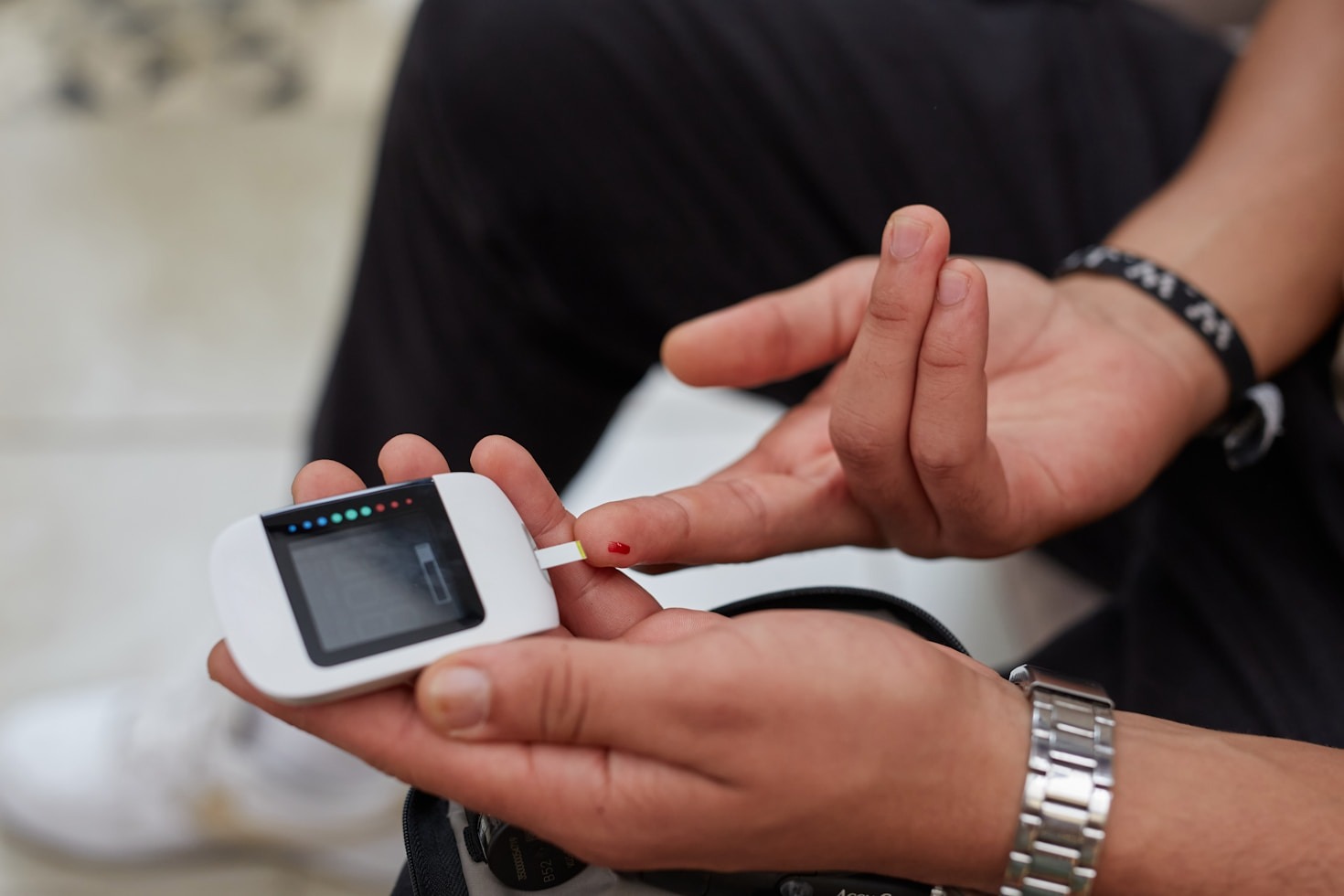
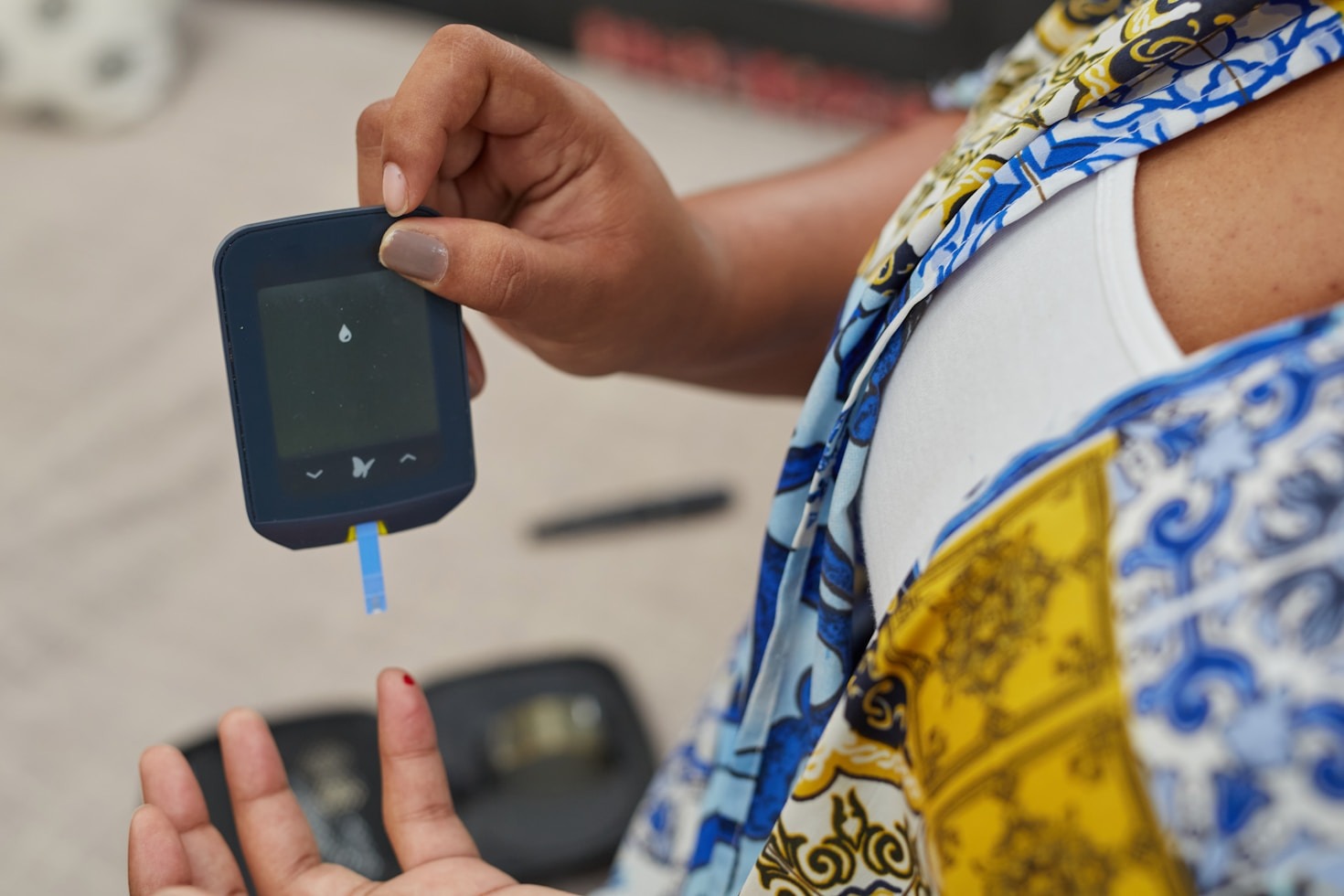
Now that you know the symptoms and factors affecting glucose balance, how do you keep track? Monitoring your glucose levels can be as simple as using a home blood glucose monitor. Regular testing can give you insights into how your diet and lifestyle choices affect your blood sugar. Keeping a journal of your readings along with any symptoms can help you identify patterns and triggers.
Lifestyle Changes for Better Blood Sugar Control
Making small lifestyle adjustments can lead to significant improvements in how your body handles glucose. Consider these tips:
Balanced Diet: Focus on whole foods, including plenty of vegetables, lean proteins, and healthy fats. This can help stabilize your glucose levels.
Regular Exercise: Aim for at least 150 minutes of moderate exercise each week. Movement helps your body use insulin more effectively.
Stress Management: Incorporate stress-reducing activities into your daily routine.
Stay Hydrated: Drink plenty of water throughout the day to help your body function optimally.
Avoid Processed Sugars: Reducing sugar intake can prevent spikes and crashes in glucose levels.
When to Seek Professional Help
If you suspect you have a glucose imbalance, it’s essential to talk to a healthcare professional. Symptoms can vary widely, and getting a proper evaluation is crucial. A doctor can provide tests to check your blood sugar levels and help create a personalized plan for managing your health.
Empower Yourself: Steps to Take Today
You have the power to take charge of your health today. Understanding your body and its signals is the first step to empowerment. By recognizing the early symptoms of glucose imbalance, managing your lifestyle, and seeking help when needed, you can start on a path toward better health. Remember, other women have successfully navigated similar challenges, finding relief and balance in their lives. You can, too. Discovering solutions is just a step away. Take the leap and explore the resources available to you. You deserve to feel your best!