Are you feeling constantly drained, struggling with fatigue, or experiencing mood swings? Blood sugar imbalance or burnout may be the culprit behind your distress. Many women over 30 face these challenges, and it’s essential to understand their roots. In this post, we’ll dive deep into how to differentiate between these two conditions, helping you regain a sense of energy and joy.
Understanding Blood Sugar Imbalance
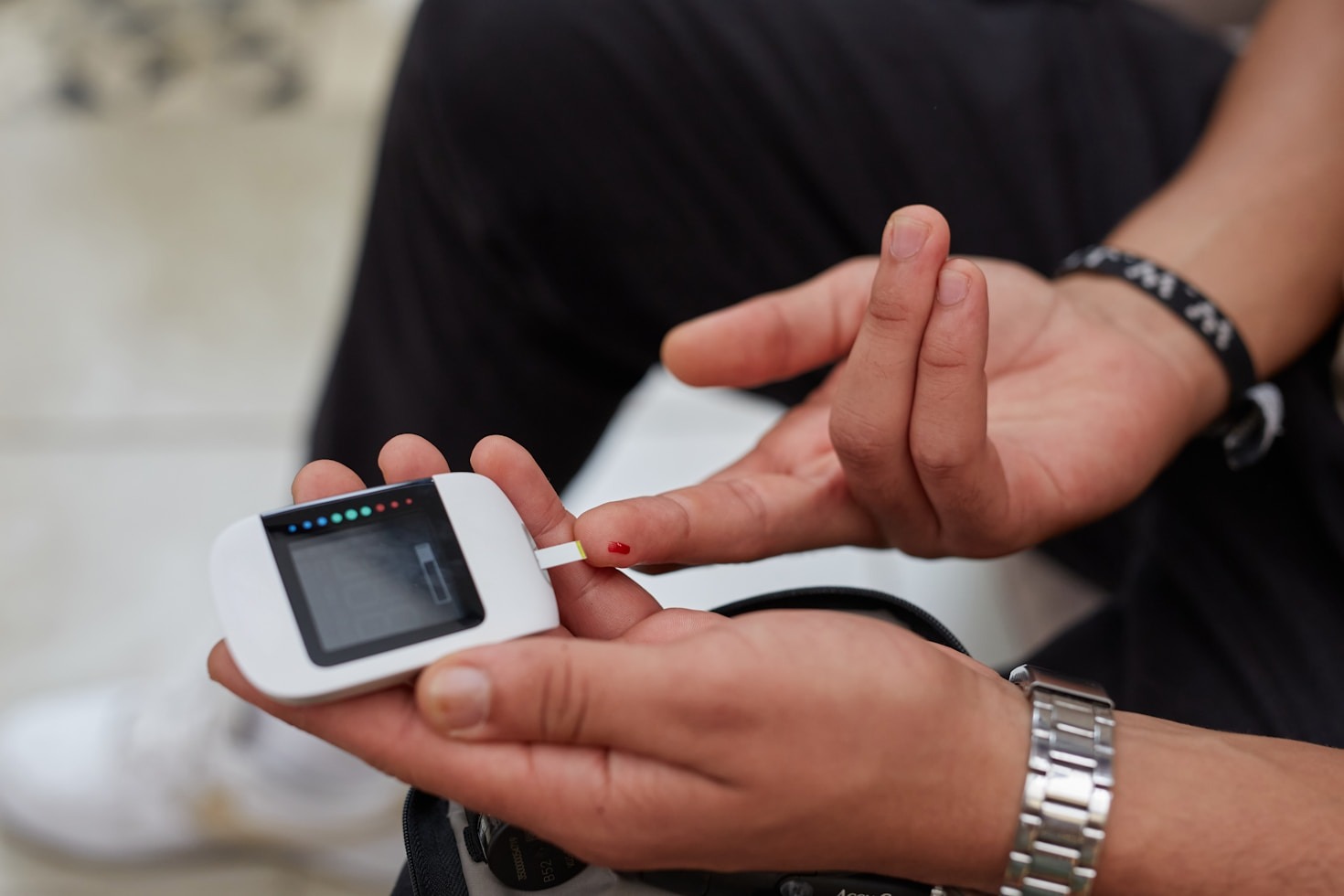
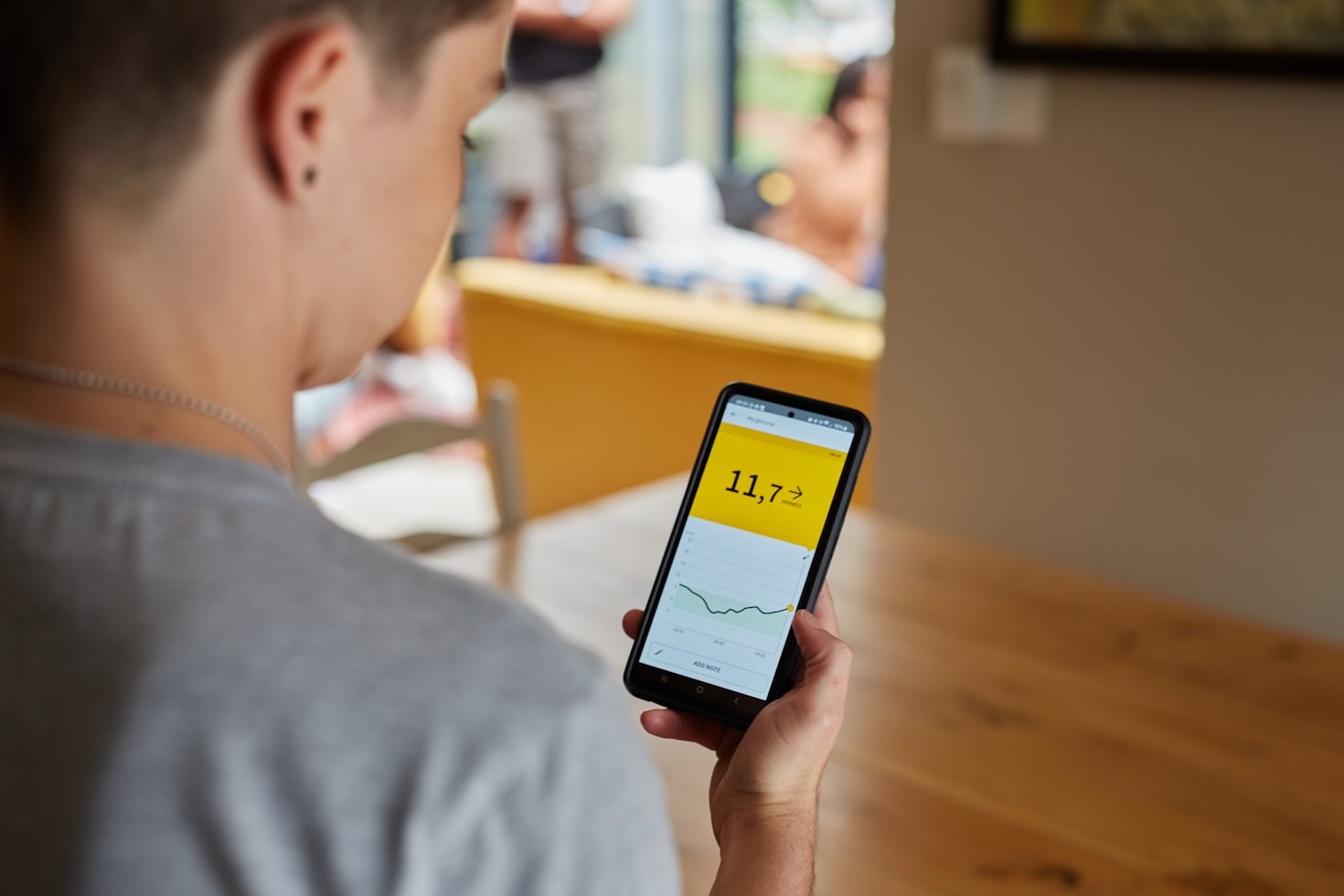
Blood sugar imbalance occurs when your body has difficulty regulating glucose levels in your bloodstream. This can happen due to various factors such as poor diet, stress, and hormonal changes. When blood sugar levels swing too high or too low, you may experience feelings of fatigue, irritability, and even cravings for sugar. Women over 30, particularly, may notice these fluctuations more prominently due to hormonal changes associated with aging.
Common causes of blood sugar imbalance include:
Poor dietary choices, such as excessive sugar intake.
Skipping meals, leading to episodes of low blood sugar.
High-stress levels that increase cortisol, affecting glucose regulation.
Hormonal changes related to menopause or menstrual cycles.
By understanding these factors, you can begin to take steps towards stabilizing your blood sugar levels.
Recognizing Symptoms of Burnout
Burnout is a state of emotional, physical, and mental exhaustion caused by prolonged stress. Many women experience burnout, particularly when juggling careers, families, and personal responsibilities. Burnout can be subtle, creeping up on you until it feels overwhelming.
Signs of burnout may include:
Persistent fatigue that does not improve with rest.
Feelings of cynicism or detachment from work or personal life.
Emotional instability, such as irritability or mood swings.
Declining performance in daily tasks.
Recognizing these symptoms early is crucial for addressing burnout effectively before it takes a toll on your well-being.
The Overlap of Symptoms: What to Look For
One of the challenges in distinguishing between blood sugar imbalance and burnout is the overlap of symptoms. Both conditions can lead to feelings of fatigue, irritability, and emotional distress. Understanding the differences can help you take appropriate action.
If you notice:
Your fatigue worsens after meals, it could be blood sugar related.
Consistent feelings of burnout regardless of diet suggest emotional exhaustion.
Sudden cravings for sugary snacks point toward blood sugar issues.
Feelings of hopelessness are typically linked to burnout.
Creating awareness of these subtle signs can empower you to make informed decisions about your health.
Why Women Over 30 Are Affected More
As women reach their thirties and beyond, hormonal changes become more pronounced. This can significantly impact how the body manages blood sugar levels and stress. Conditions like perimenopause and menopause are common during this time, influencing energy levels and emotional health.
Factors contributing to increased vulnerability include:
Changing hormones affecting appetite and metabolism.
Increased responsibilities leading to higher stress levels.
Societal expectations that contribute to feelings of inadequacy and burnout.
Being aware of these influences is essential for taking proactive measures to maintain balanced health and well-being.
Balancing Blood Sugar: Tips and Tricks
Stabilizing your blood sugar levels is critical for maintaining energy and mood. Here are some effective strategies:
Eat Regularly: Try to eat small, balanced meals consistently throughout the day, including proteins, healthy fats, and complex carbohydrates.
Stay Hydrated: Drink enough water to keep yourself hydrated, which can help in regulating blood sugar levels.
Limit Sugar Intake: Reducing your intake of sugary snacks and beverages can prevent spikes in blood sugar.
Incorporate Physical Activity: Regular exercise can improve insulin sensitivity, helping to stabilize blood sugar levels.
Practice Mindfulness: Stress management techniques such as yoga or meditation can help in maintaining balance.
These simple lifestyle choices can create a significant impact on your overall health.
Coping with Burnout: Strategies for Relief
Finding relief from burnout requires intentionality and self-care. Here are some strategies to consider:
Take Breaks: Schedule regular breaks throughout your day, even just for a few minutes, to recharge.
Connect with Loved Ones: Surround yourself with supportive friends and family who understand your situation.
Set Boundaries: Learn to say no when necessary, prioritizing your mental and emotional well-being.
Engage in Creative Activities: Pursue hobbies that bring you joy and serve as an outlet for stress.
Seek Professional Support: Consider talking to a therapist who can help you navigate feelings of burnout.
Implementing these strategies can pave the way for recovering from burnout, promoting a healthier emotional state.
When to Seek Professional Help
Sometimes, self-care isn’t enough, and it’s essential to recognize when professional help is needed. If you experience:
Persistent feelings of hopelessness or despair.
Difficulty functioning in your daily life.
Physical symptoms like headaches or gastrointestinal issues without clear medical cause.
Overwhelming feelings of anxiety or depression.
Don’t hesitate to reach out to a healthcare provider who can guide you in your journey towards recovery.
Natural Remedies for Balance and Wellness
In addition to lifestyle changes, consider natural remedies to help maintain balance. Some options include:
Herbal Supplements: Adaptogens like ashwagandha or Rhodiola can support stress relief.
Omega-3 Fatty Acids: Found in fish oil, these can help regulate mood.
Probiotics: Supporting gut health can contribute to overall well-being and emotional balance.
Consulting with a healthcare professional before starting any new supplements is always a good idea.
Success Stories: Women Who Overcame These Challenges
Many women face similar struggles and have successfully navigated their way through blood sugar imbalances and burnout. Stories of achievement resonate deeply, inspiring hope and determination.
Consider the journey of Anna: After experiencing extreme fatigue and mood swings, she discovered that balancing her diet and practicing mindfulness brought her the relief she sought.
Then there’s Samantha: Following years of burnout, she learned to prioritize self-care, set boundaries, and connect with a supportive community, and now she feels like a new person.
These narratives remind us that change is possible, and progress can indeed be achieved.
Your Journey Towards Better Health Starts Now!
It’s important to remember that improving health, whether through stabilizing blood sugar or overcoming burnout, is a journey — and you are not alone. Many women have faced these challenges and found their path to wellness through simple, step-by-step methods.
If you’re ready to take the first actionable step towards feeling better, know that it’s possible, and resources are available for you. Embrace this journey with open arms, and allow yourself to discover the solutions that countless women have already embraced.