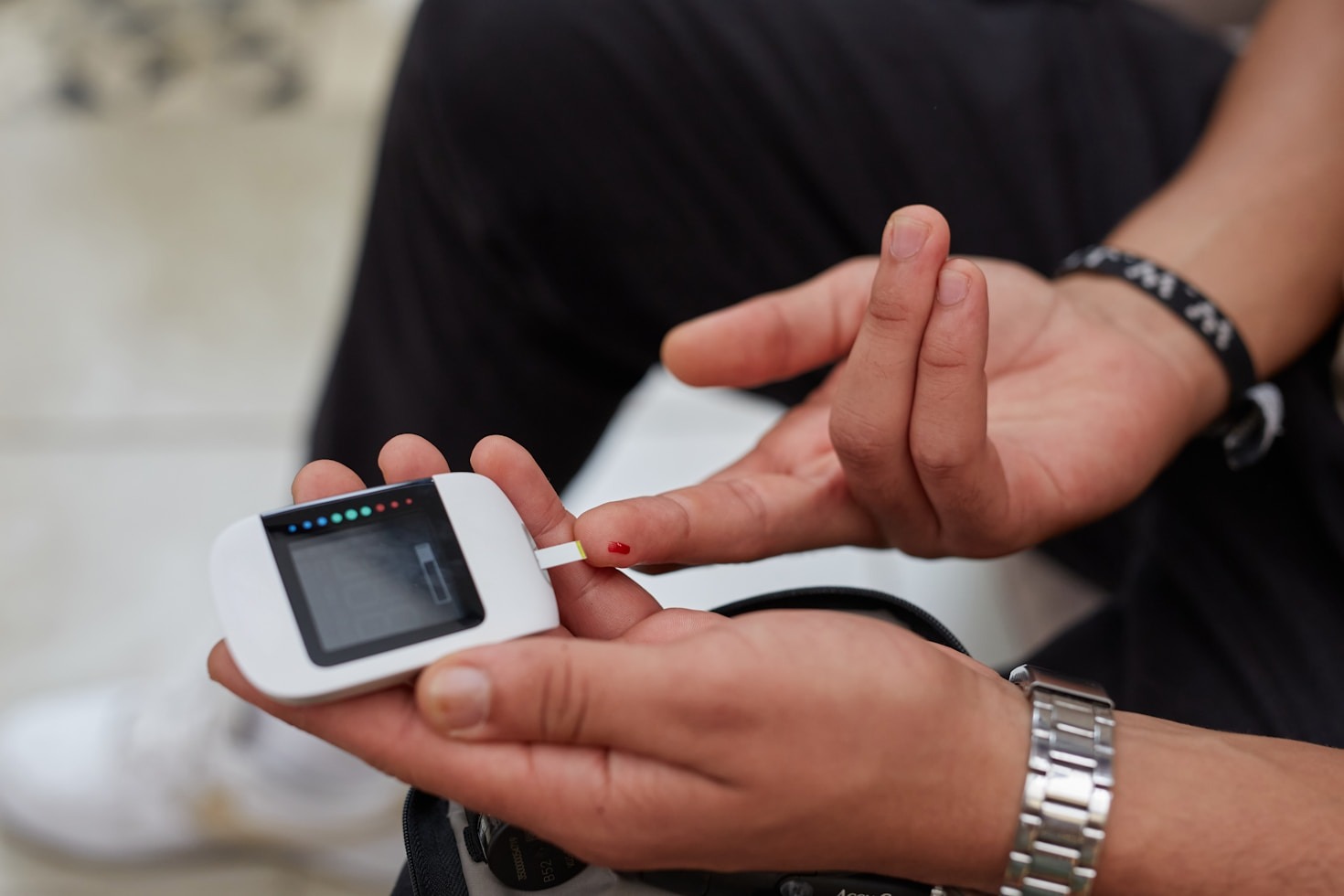
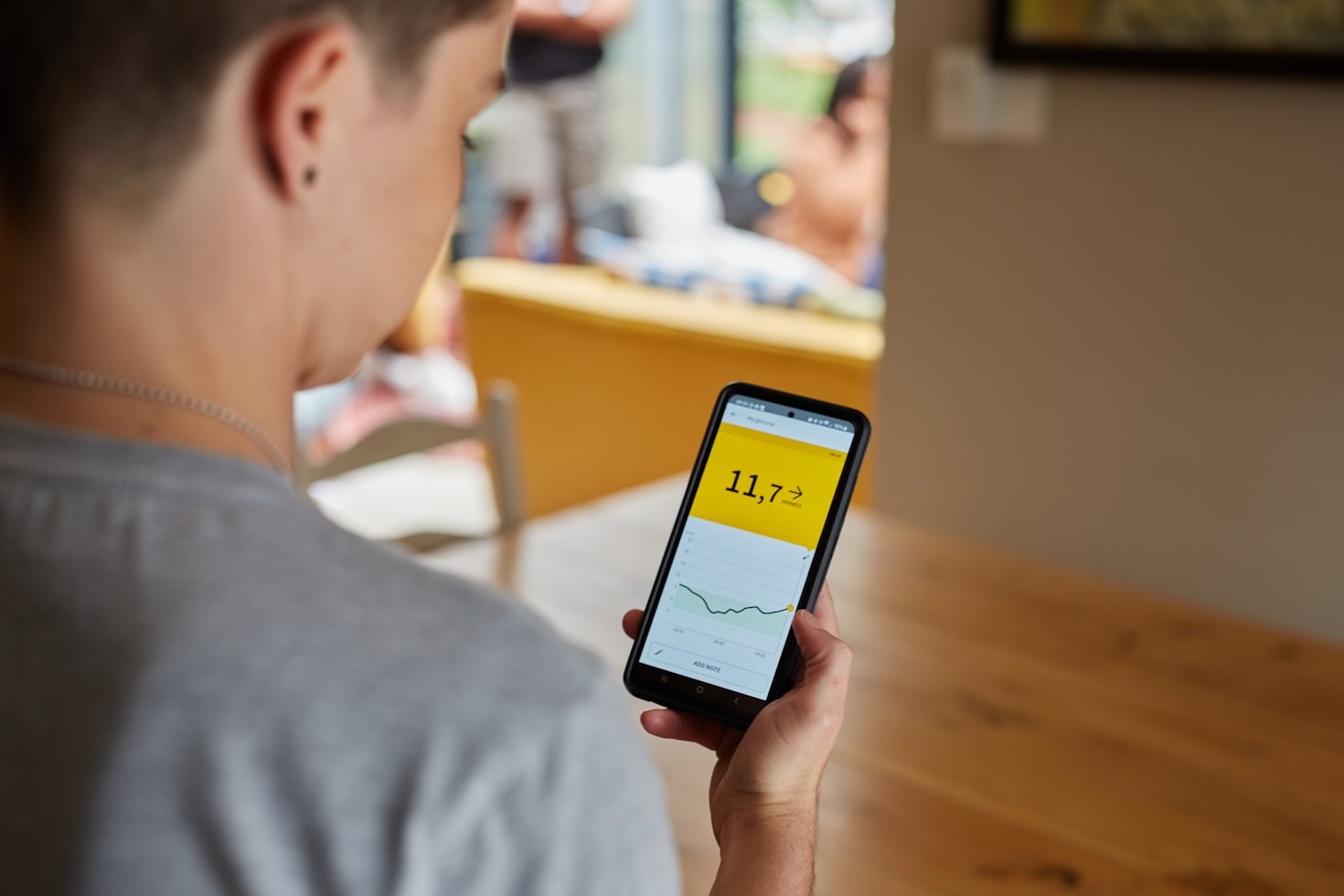
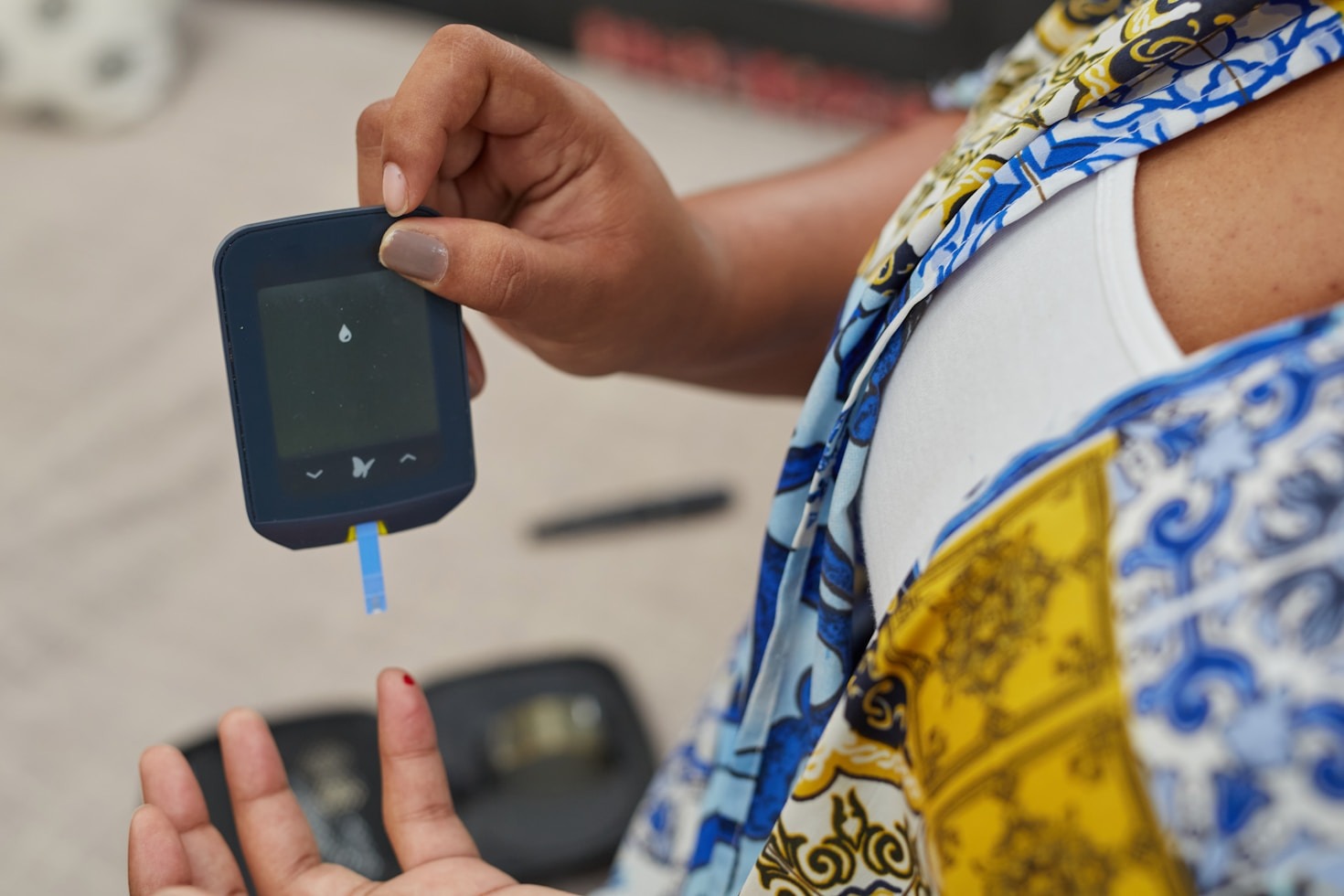
Have you ever felt that your mood swings are tied to your blood sugar? Many women over 30 experience daily emotional ups and downs that can feel overwhelming. Learning about blood sugar and its impact on your mood may offer the relief you’ve been searching for. This article dives into how balancing your blood sugar can help you regain control and feel more centered in your everyday life.
Understanding the Link Between Blood Sugar and Mood
Did you ever notice how your mood can swing like a pendulum throughout the day? One moment you might be feeling upbeat, and the next, an unexpected wave of sadness or irritability washes over you. For women over 30, this is more than just emotional; it can be closely tied to your blood sugar levels.
Blood sugar, or glucose, is crucial for energy and brain functionality. When levels are stable, you generally feel calm and composed. However, fluctuations in blood sugar—often caused by dietary choices, stress, or hormonal shifts—can lead to significant mood changes. This connection is especially important to understand as you navigate the challenges of daily life, from fatigue to anxiety.
Women often experience natural hormonal changes, especially around their cycles or during menopause, which can compound the effects of blood sugar imbalance on mood. Recognizing this link can be the first step in finding your emotional balance.
Signs of Blood Sugar Imbalance You Should Know
It’s essential to be aware of the signs your body gives when your blood sugar is out of the norm. Here are some common indicators:
Fatigue: Feeling unusually tired during the day can signal blood sugar dips.
Cravings: Intense cravings for sweets could mean your body is struggling to maintain glucose balance.
Mood Swings: Noticeable changes in mood can happen as your blood sugar fluctuates.
Difficulty Concentrating: A decline in your ability to focus may also stem from unstable blood sugar.
Sleep Issues: Trouble falling asleep or staying asleep can be linked to these imbalances.
Keeping track of these signs can help you identify patterns and make changes that promote emotional stability.
How Hormones Play a Role in Emotional Stability
Hormones are powerful players in the game of emotional balance. For women, fluctuations in hormones like estrogen and progesterone throughout the month can create a rollercoaster of emotions. But here’s where blood sugar steps in.
When blood sugar swings happen, they can exacerbate hormonal imbalance, leading to increased anxiety or irritability. High blood sugar can spike your insulin levels, causing a crash that may leave you feeling down. Understanding this interplay helps clarify why you might feel particularly moody at certain times of the month.
Easy Dietary Changes to Stabilize Your Blood Sugar
Making small dietary shifts can lead to significant improvements in your blood sugar levels and overall mood. Here are some simple changes:
Balanced Meals: Aim for meals that include a balance of protein, healthy fats, and fiber to slow digestion and prevent spikes.
Mindful Eating: Pay attention to portion sizes and eat slowly. This practice can help prevent overeating and stabilize glucose levels.
Limit Sugar Intake: Reducing your consumption of sugary snacks and drinks can help keep blood sugar levels steady.
Regular Meal Timing: Try to eat at consistent times each day to train your body and maintain stable glucose levels.
Stay Hydrated: Drink plenty of water throughout the day; dehydration can impact your mood and energy).
Implementing these changes can help create a more stable emotional landscape.
Exercise: A Natural Way to Balance Blood Sugar Levels
Exercise is a fantastic ally for managing blood sugar and stabilizing mood. Physical activity helps your cells use insulin more effectively, lowering blood sugar levels naturally.
Consider these beloved forms of movement:
Walking: A daily brisk walk can lift your mood and help regulate blood sugar.
Yoga: This practice not only strengthens but also calms the mind, promoting emotional balance.
Dancing: Let loose and express yourself! Dancing is fun and can reduce stress significantly.
Strength Training: Building muscle helps improve insulin sensitivity and can lead to more stable sugar levels.
Even in small doses, regular exercise can help keep your mood uplifted and your blood sugar levels in check.
Mindfulness Techniques for Emotional Wellbeing
Incorporating mindfulness into your daily routine can help you manage stress and cultivate emotional balance. Mindfulness encourages you to be present, allowing you to tune into your body’s needs and signals.
Consider trying:
Deep Breathing: Engaging in deep breathing exercises can help you relax and reduce anxiety.
Meditation: Even a few minutes of meditation can provide clarity and calmness.
Gratitude Journaling: Writing down things you’re grateful for can shift your mindset towards positivity.
Gentle Stretching or Yoga: These practices promote relaxation and can enhance mood.
Mindfulness is a gentle reminder to care for yourself amidst life’s chaos, creating space for emotional healing.
The Role of Sleep in Blood Sugar Regulation
Quality sleep is often overlooked but plays a fundamental role in blood sugar regulation. Insufficient sleep can lead to insulin resistance, which negatively impacts your mood.
To improve your sleep, you might try:
Setting a Regular Sleep Schedule: Go to bed and wake up at the same time each day.
Creating a Relaxing Bedtime Routine: Engage in calming activities before bed, such as reading or taking a warm bath.
Avoiding Screens: Make your bedroom a screen-free zone to promote better sleep quality.
Prioritizing sleep can lay the groundwork for a balanced mood and stabilize your blood sugar effectively.
Discovering Your Triggers: Keeping Track of Mood Swings
Identifying the triggers of your mood swings is crucial in managing them. Keeping a mood diary can provide insight into what affects your emotional state.
Here’s how to start:
Record Daily Events: Write down occurrences that impact your mood—good and bad.
Note Your Food Intake: Pay attention to meals and snacks to see if there’s a pattern relating to your emotions.
Track Your Sleep and Exercise: These factors are deeply intertwined with mood stability.
With time, patterns may emerge that empower you to make informed choices, steering your emotional well-being in a more positive direction.
Community Support: Sharing Experiences and Solutions
Don’t underestimate the power of community. Sharing your experiences with others facing similar challenges can be uplifting and enlightening.
Here are some ways to connect:
Support Groups: Look for local or virtual support groups focused on women’s health and emotional well-being.
Online Forums: Engage in online communities where you can ask questions and share advice.
Friendship Circles: Create conversations with friends about your experiences; it may lead to discovering shared emotions.
Listening to others’ journeys can inspire hope and provide practical tips to help you along your path to emotional balance.
Empower Yourself: Steps Toward Emotional Balance
Empowerment begins with the knowledge that you can make positive changes. Start taking small, manageable steps toward emotional balance and better blood sugar regulation. This journey is unique for everyone, but you don’t have to walk it alone.
Consider trying these empowering steps:
Set realistic goals and celebrate small victories along the way.
Reach out for support; don’t hesitate to lean on friends or professionals.
Continuously educate yourself about blood sugar management and emotional health.
Remember, it’s possible to improve symptoms and challenges, just as many other women have successfully done. Your emotional balance is within reach with a gentle, step-by-step approach. Embrace this journey and take the first step toward regaining your peace today.