Have you been feeling unusually fatigued or anxious lately? Blood sugar and hormones may be the silent culprits behind your feelings of exhaustion. Many women over 30 experience a range of symptoms—like sleepless nights, irritability, and weight changes—that often stem from hormonal imbalances and unstable blood sugar levels. In this post, we will explore how these factors can affect your daily life and reveal simple methods to regain your energy and improve your well-being.
Understanding Blood Sugar: The Basics
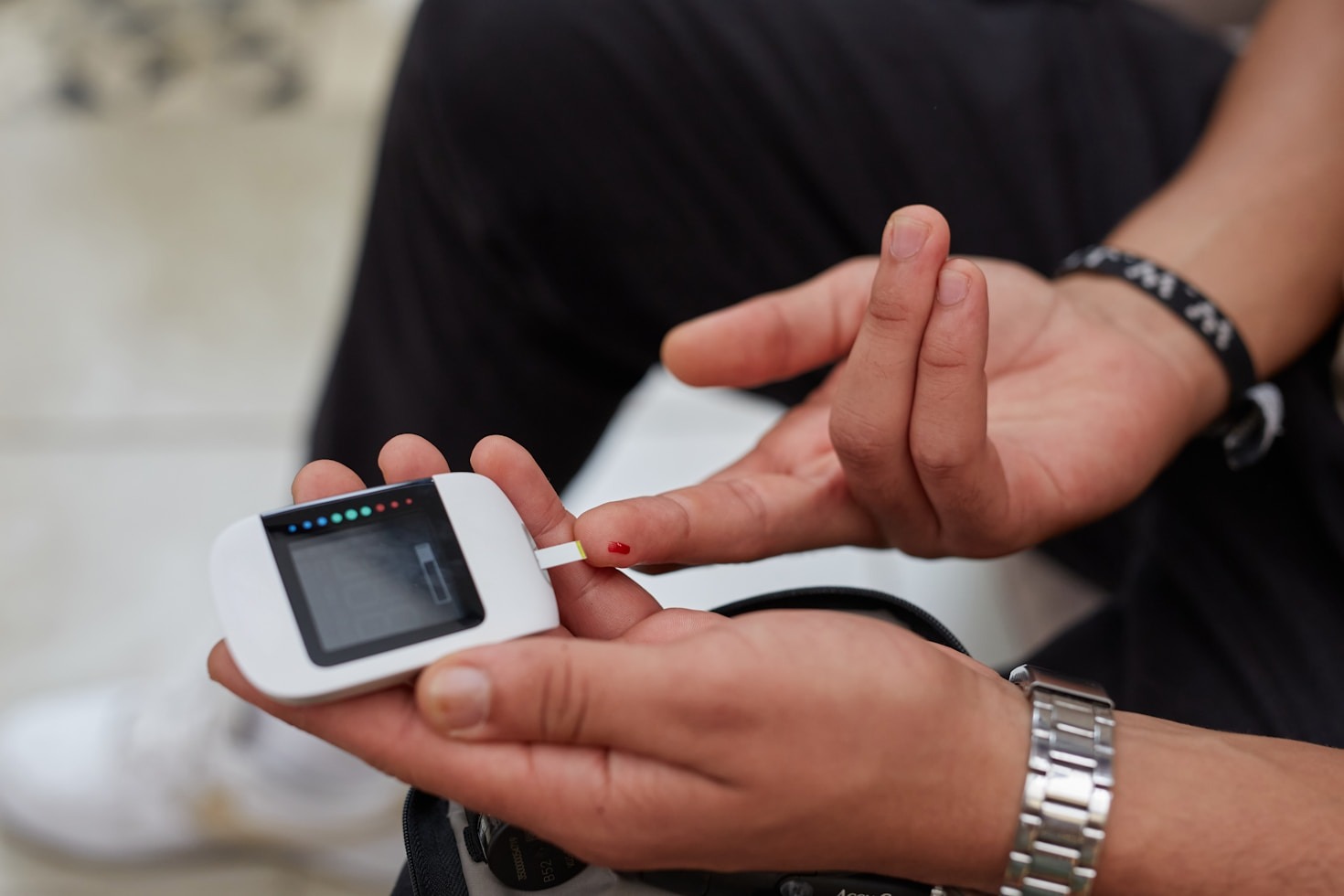
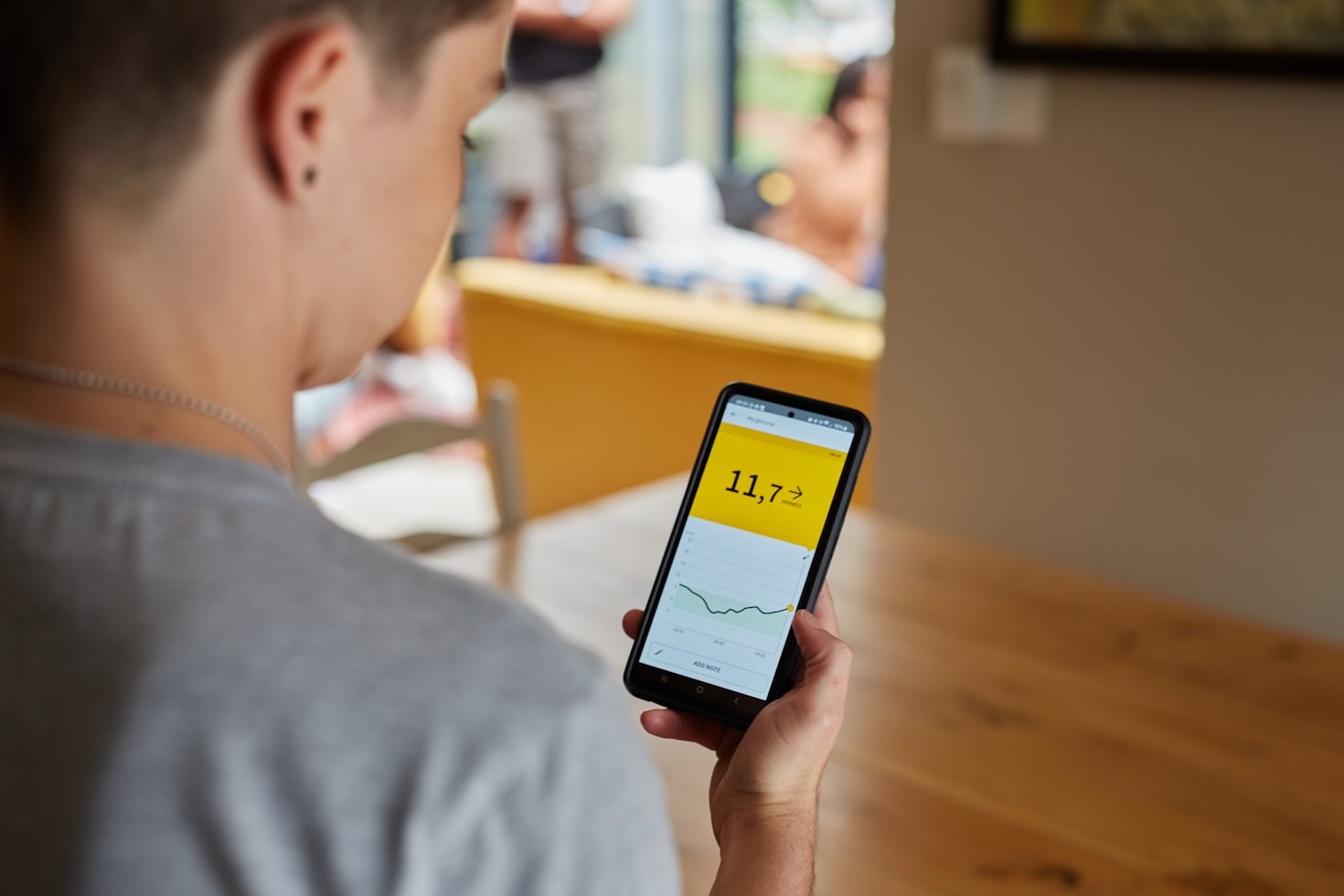
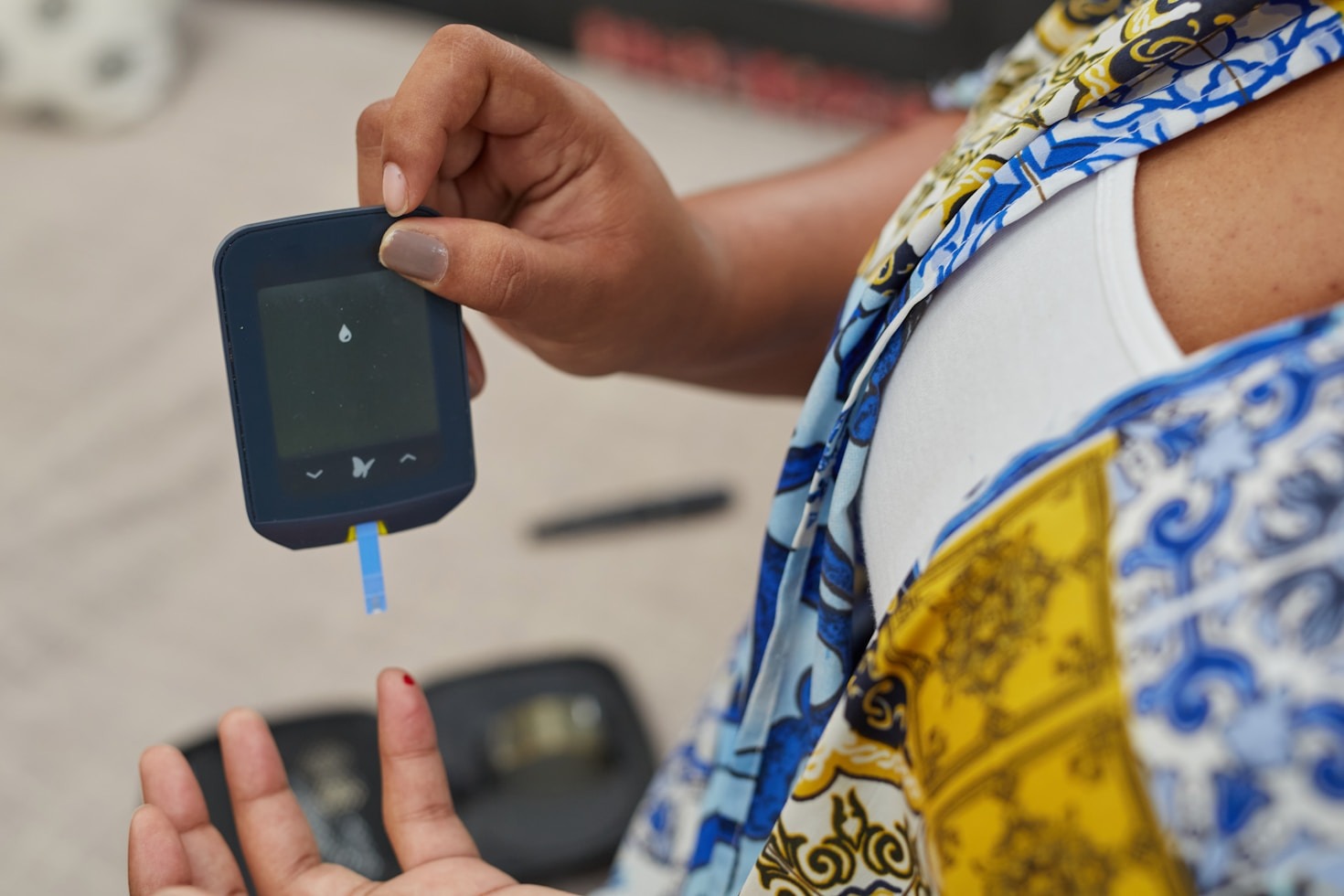
Do you often find yourself feeling drained, tired, or even irritable throughout the day? One of the hidden culprits behind these feelings could be your blood sugar levels. Simply put, blood sugar, or glucose, is the primary source of energy for our bodies. However, when our blood sugar levels are out of balance, they can lead to low energy and fatigue.
When you consume food, especially carbohydrates, your body breaks down the sugars and starches, leading to a rise in blood sugar. Insulin, a hormone produced by the pancreas, helps move this glucose into your cells for energy. But, if the body cannot effectively use insulin, this can result in high blood sugar, which can drain your energy. Conversely, a sudden drop in blood sugar can leave you feeling lethargic and irritable.
How Hormones Influence Energy Levels
Your body operates like an intricate orchestra, with hormones as the conductors of this complex system. Hormones like cortisol, estrogen, and progesterone play crucial roles in regulating energy levels. For women, fluctuations in hormones during the menstrual cycle, pregnancy, and menopause can significantly impact mood and energy.
For instance, cortisol, often referred to as the stress hormone, can rise during stressful times, leading to heightened alertness initially. However, prolonged high levels of cortisol can lead to fatigue and exhaustion. Similarly, imbalances in hormones like estrogen and progesterone can contribute to feelings of anxiety and fatigue, often observed during premenstrual syndrome (PMS) or menopause.
The Link Between Blood Sugar and Mood Swings
Have you noticed how your mood changes after a big meal or a sugary snack? Well, it’s not just in your head; it’s your blood sugar at play. When you eat a meal high in sugars and carbohydrates, your blood sugar spikes, giving you a brief burst of energy. But soon after, as insulin rushes in to lower the blood sugar, you may crash, leading to irritability and mood swings.
These fluctuations can contribute to feelings of anxiety, sadness, or irritability. Feeling down after a sugar binge? That’s your body crying out for balance. Consistently unbalanced blood sugar levels can create a cycle of craving sweets to feel good again, followed by crashes that leave you feeling worse than before. Understanding this relationship gives you a powerful tool to help manage your energy and mood.
Symptoms of Hormonal Imbalance in Women
Hormonal imbalances can feel like having an uninvited guest who overstays their welcome. Symptoms vary but can include:
Fatigue: Lack of energy and persistent tiredness.
Weight Gain: Unexplained weight fluctuations, especially around the belly.
Mood Swings: Sudden changes in emotional state without clear reasons.
Sleep Issues: Problems falling or staying asleep can become all too common.
Irregular Periods: Changes in your menstrual cycle can signal hormone chaos.
Cravings: Increased cravings, especially for sweets and carbohydrates.
If you’ve been experiencing any of the above symptoms, it may be time to take a closer look. Your body is trying to tell you something important!
Practical Tips to Balance Blood Sugar
Feeling overwhelmed? You’re not alone! Here are practical tips to help you cultivate equilibrium in your blood sugar levels:
Eat Regular Meals: Skipping meals can lead to spikes and crashes. Aim for balanced meals every 3-4 hours.
Include Protein: Protein can slow the absorption of sugar into the bloodstream, providing more stable energy levels.
Limit Sugars: Try to cut back on sugary foods and drinks that can cause blood sugar spikes.
Stay Hydrated: Water plays a vital role in keeping energy levels high.
Incorporate Healthy Fats: Fats, like avocados and nuts, can provide you with sustained energy.
Food can be your best ally in stabilizing hormones and energy. Here are some superfoods that can help restore balance:
Leafy Greens: Spinach and kale are rich in magnesium, a mineral crucial for hormone production.
Whole Grains: Foods like quinoa and brown rice help sustain energy and keep blood sugar levels stable.
Fatty Fish: Salmon and sardines are omega-3 powerhouses that support hormonal balance.
Legumes: Beans and lentils are high in fiber and protein, helping regulate blood sugar levels.
Berries: Low in sugar and high in antioxidants, these fruits can provide a sweet treat without a blood sugar spike.
The Role of Stress in Hormonal Fluctuations
Life and its demands can be stressful, and often, stress becomes a constant companion. Chronic stress can wreak havoc on your body’s hormones, particularly cortisol, which can disrupt your blood sugar balance. The flight-or-fight response kicks in during stress, prompting your body to release glucose for immediate energy.
This stress-induced spike can lead to a subsequent crash, resulting in that familiar fatigue. Consider incorporating stress-reduction techniques, such as meditation, yoga, or deep breathing, to help manage and lower cortisol levels. Imagine a quieter mind leading to a more balanced body.
Ways to Cultivate Better Sleep Habits
Sleep is your body’s natural rejuvenation tool and plays a critical role in energy levels. Here are some ways to enhance your sleep:
Create a Sleep Schedule: Going to bed and waking up at the same time can improve sleep quality.
Limit Screen Time: Reducing screens before bed can help ease your mind into a restful state.
Create a Calm Space: Make your sleeping area comfortable and peaceful—think cozy blankets and dim lighting.
Relaxation Techniques: Try reading, gentle stretching, or warm baths to wind down before sleep.
Watch Your Diet: Avoid heavy, rich foods close to bedtime to prevent disruptions in sleep.
Real Stories: Women Who Overcame Fatigue
Sometimes hearing from others can be more inspiring than statistics. Many women have faced similar struggles and triumphed through determination:
Sarah’s Journey: After years of battling fatigue, Sarah discovered that a balanced diet helped her reclaim her energy. By swapping sugary snacks for whole foods, she felt more vibrant than ever.
Jessica’s Transformation: Jessica struggled with hormonal imbalances but found empowerment by prioritizing self-care and managing stress levels through yoga. She’s now more energized and enjoys a renewed zest for life.
These stories remind us that change is possible, and taking small steps can lead to significant improvements.
Your Path to Renewed Energy and Vitality
Every woman has the power to take charge of her health and energy levels. By understanding the silent factors that affect your blood sugar and hormones, you can begin to regain control. Imagine feeling vibrant, positive, and energized—it’s within reach.
It’s time to take the first step toward a revitalized you, just like countless other women have done before you. Know that a brighter, more energetic future awaits. Start your journey today, and discover how simple changes can lead to significant improvements in your life! Click the link above to learn more!