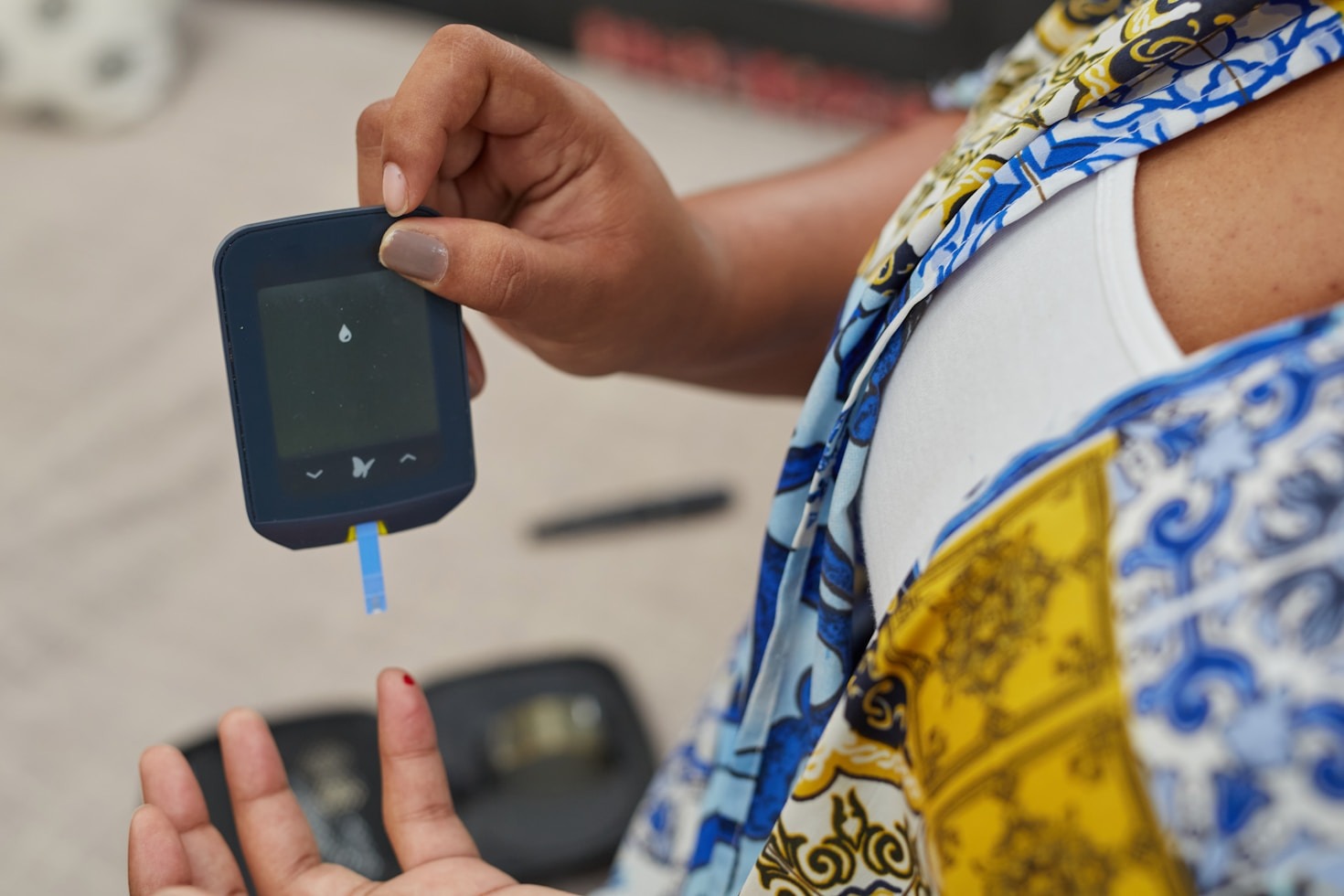
Have you noticed changes in your body that you can’t quite explain? Blood sugar and hormones have a complicated, silent connection that often goes unnoticed. For many women over 30, symptoms such as fatigue, anxiety, and hormonal imbalances can feel overwhelming. Understanding how these elements interlink is crucial for improving your overall well-being. In this article, we’ll take a closer look at how maintaining balanced blood sugar levels can positively impact your hormones and help alleviate those silent struggles.
Understanding Blood Sugar’s Role in Hormonal Balance
Did you know that your blood sugar levels play a vital role in maintaining hormonal balance? Blood sugar, or glucose, is the energy source our body uses. When our blood sugar levels are stable, our hormones can function properly. However, fluctuations in blood sugar can cause hormonal imbalance, leading to many issues.
For women over 30, this connection is particularly significant. As estrogen and progesterone levels begin to change, understanding how to manage blood sugar can help ease symptoms of hormonal imbalance, such as mood swings and fatigue. For instance, when blood sugar drops too low, it can lead to cravings for sugar and carbs, which only worsens the instability.
How Blood Sugar Affects Hormones
When you consume food, especially carbohydrates, your body breaks it down into glucose. This sends a signal to your pancreas to release insulin, a hormone that helps cells absorb glucose. If you eat sugary foods frequently, your body might struggle with insulin resistance, causing your blood sugar and insulin levels to rise and fall erratically.
Insulin: Insulin helps regulate other hormones in your body. When it’s out of balance, other hormones often follow.
Cortisol: Stressful moments can spike cortisol levels, which can further disrupt blood sugar balance.
Leptin and Ghrelin: These hormones help control hunger and satiety. When blood sugar is unstable, these hormones can become unregulated, leading to overeating.
The Impact of Hormonal Fluctuations on Mood
Women often experience mood changes related to hormonal fluctuations due to menstrual cycles, pregnancy, and menopause. This can lead to emotional ups and downs, anxiety, and even depression. When blood sugar levels dip, you may find yourself feeling irritable or anxious.
Studies show that stable blood sugar levels can help regulate these mood swings. For example, incorporating protein and healthy fats into meals can prevent blood sugar spikes and crashes, offering a more stable mood and energy level throughout the day. Imagine starting your day with a hearty breakfast, keeping you energized and your mood balanced until lunchtime!
Why Women Over 30 Should Monitor Blood Sugar
If you are a woman over 30, you may have noticed changes in your body that were not present in your twenties. This change can include fatigue, weight gain, or sleep disturbances. Monitoring your blood sugar can be a game-changer in understanding your health.
Here are some reasons to start paying attention to your blood sugar:
Prevent Health Problems: Stable blood sugar can prevent conditions like prediabetes, which is becoming increasingly common.
Reduce Hormonal Symptoms: Understanding how to maintain balanced blood sugar can alleviate symptoms like bloating, mood swings, and fatigue.
Increase Energy Levels: When blood sugar is stable, you will likely feel more energized and focused, reducing the effects of afternoon slump!
The Symptoms of Blood Sugar Imbalance: What to Look For
Knowing the symptoms of blood sugar imbalance can help you take action early. Common signs include:
Fatigue: Feeling tired even after a full night’s sleep.
Cravings: Intense sugar and carbohydrate cravings.
Weight Gain: Unexplained weight gain, particularly around the abdomen.
Mood Swings: Irritability and sudden mood changes.
Difficulty Concentrating: Brain fog or trouble focusing on tasks.
If you recognize any of these signs, it might be worth monitoring your blood sugar and exploring how to regulate it.
Healthy Eating Tips for Balancing Blood Sugar
Making small changes to your diet can have a big impact on your blood sugar levels. Here are some healthy eating tips:
Incorporate Fiber: Foods high in fiber, like fruits, vegetables, and whole grains, slow down the absorption of sugar in your bloodstream.
Choose Lean Proteins: Add proteins such as chicken, fish, beans, and legumes to your meals to help stabilize blood sugar.
Add Healthy Fats: Foods like avocados and nuts provide healthy fats that keep you fuller longer and reduce sugar cravings.
Avoid Processed Foods: Try to limit snacks and meals high in refined sugars which can lead to blood sugar spikes.
The Relationship Between Stress and Blood Sugar Levels
Stress is a significant factor when it comes to blood sugar levels. When you are under stress, your body releases cortisol, which can raise blood sugar. This increase can disrupt insulin function, leading to a cyclical pattern of stress and blood sugar imbalance.
Incorporating stress management techniques can support your blood sugar health:
Meditation and Mindfulness: Taking a few minutes to sit quietly can help lower cortisol levels.
Exercise: Physical activity can help reduce stress and improve insulin sensitivity.
Breathing Exercises: Simple breathing exercises, like deep-breathing techniques, can help calm the nervous system.
Simple Lifestyle Changes to Stabilize Your Hormones
Making simple lifestyle adjustments can enhance your hormonal health. Consider:
Routine Sleep Schedule: Going to bed and waking up at the same time can improve hormonal regulation.
Stay Hydrated: Drinking enough water throughout the day can support overall bodily functions, including blood sugar control.
Regular Physical Activity: Find an exercise routine you enjoy, it could be yoga, walking, or dancing!
How Sleep Affects Your Blood Sugar and Hormones
Sleep is essential for hormonal balance and blood sugar regulation. Poor sleep can lead to increased insulin resistance, making blood sugar harder to manage. Aim for 7-9 hours of quality sleep each night.
Here are some tips to improve your sleep hygiene:
Create a Relaxing Bedtime Routine: Reading, listening to calming music, or taking a warm bath can signal to your body that it’s time to wind down.
Limit Screen Time: Try to avoid screens at least an hour before bedtime to improve sleep quality.
Keep Your Bedroom Dark and Cool: A comfortable sleeping environment promotes better sleep.
Inspiring Stories: Women Who Transformed Their Health
Many women have faced the challenges of blood sugar imbalance and hormonal issues, and they have amazing stories to share. Take, for instance, Maria, who struggled with fatigue and weight gain after turning 30.
After learning about the connection between her blood sugar and hormones, she made small dietary changes, like incorporating more greens and protein into her meals. Within weeks, she noticed a remarkable difference in her energy levels and mood. Maria’s journey illustrates the power of understanding and taking action in your health.
Empower Yourself: Steps to Improve Your Hormonal Health
It’s time to take control of your health! Here are steps to empower yourself in this journey:
Educate Yourself: Learn more about blood sugar and hormonal health.
Track Your Symptoms: Keeping a health journal can help identify patterns.
Consult a Professional: Consider consulting with a doctor or nutritionist for tailored advice.
Your health journey is possible and can be within reach. Just as countless women have transformed their well-being by understanding the silent connection between blood sugar and hormones, you too can embark on this path to better health and vitality. Remember, small steps lead to significant changes! So why wait? Discover the solutions that await you.