Have you felt unbalanced blood sugar levels impact your energy and mood? For many women over 30, managing blood sugar can be a daily challenge that affects everything from fatigue to anxiety. Thankfully, there are natural foods that can help restore balance safely and effectively. In this article, we will dive into these nourishing foods, explore their benefits, and share how easy it can be to integrate them into your routine.
Understanding Blood Sugar Levels and Their Impact
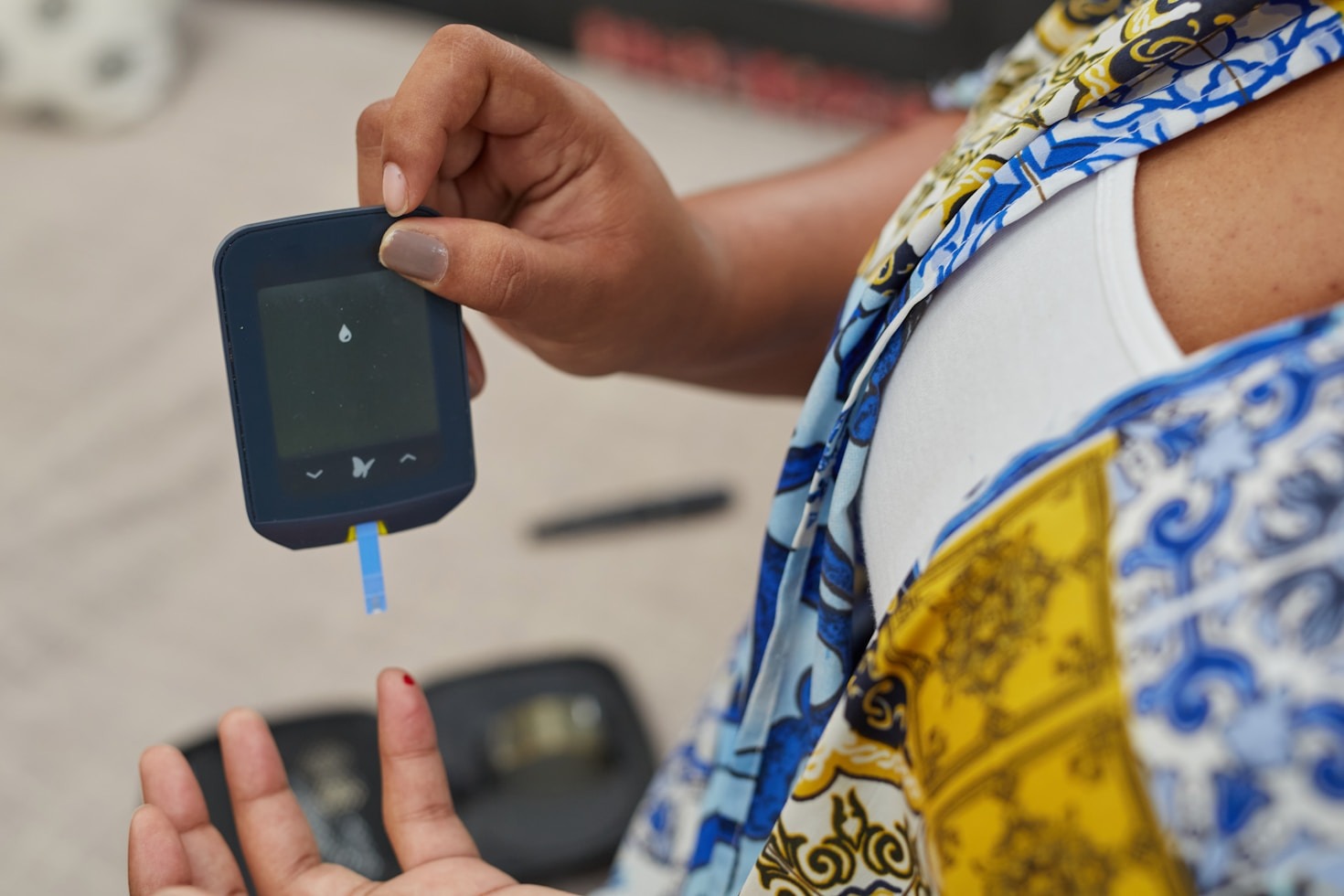
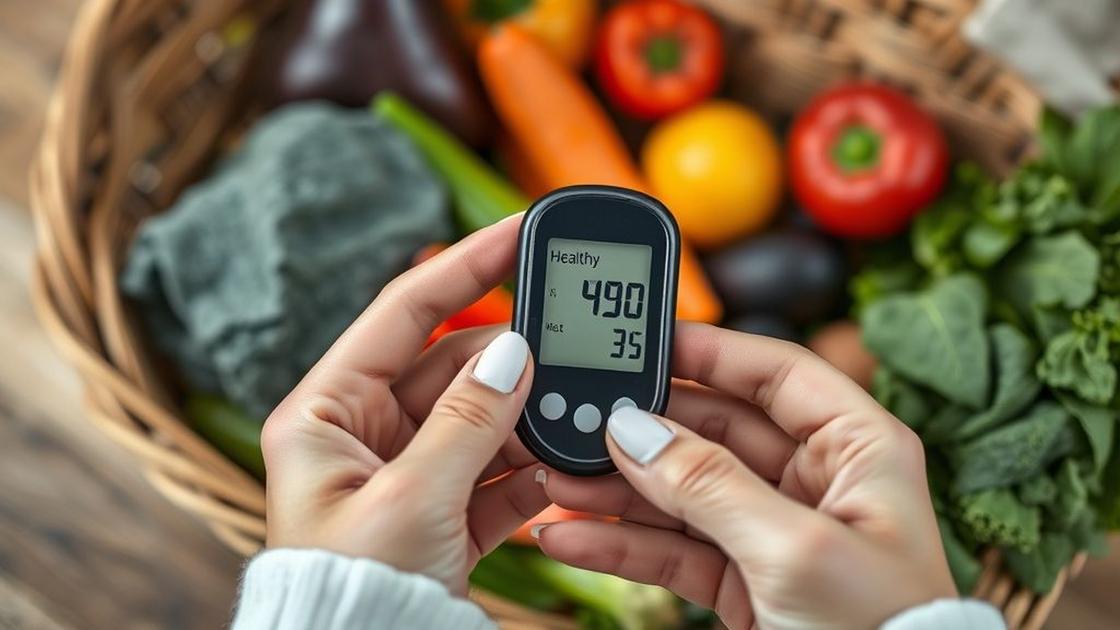
Blood sugar levels can affect many aspects of your health. When your body processes carbohydrates, it breaks them down into glucose, the principal energy source for your cells. However, when blood sugar levels are too high (hyperglycemia) or too low (hypoglycemia), it can lead to serious health issues.
For many women over 30, these fluctuations can lead to fatigue, mood swings, and even anxiety. Experiencing highs and lows in blood sugar can make daily life feel like an emotional rollercoaster. This is not just about feeling hungry or satisfied; it influences everything from energy levels to sleep and hormonal balance.
The Role of Diet in Blood Sugar Management
Your diet plays a pivotal role in maintaining stable blood sugar levels. Consuming foods that stabilize glucose levels can help manage your energy throughout the day, reduce feelings of fatigue, and even support emotional well-being. By choosing the right foods, you can nourish your body and empower yourself to take control of your health.
Many women have discovered that adjusting their diet helped alleviate some of their hidden frustrations related to hormonal imbalances, mood changes, and even unwanted weight gain. Imagine feeling energized and balanced throughout your day just by being aware of what you eat!
Top Natural Foods to Lower Blood Sugar
Leafy Greens: Spinach, kale, and swiss chard are rich in vitamins and minerals, providing your body with essential nutrients while being low in calories and carbs.
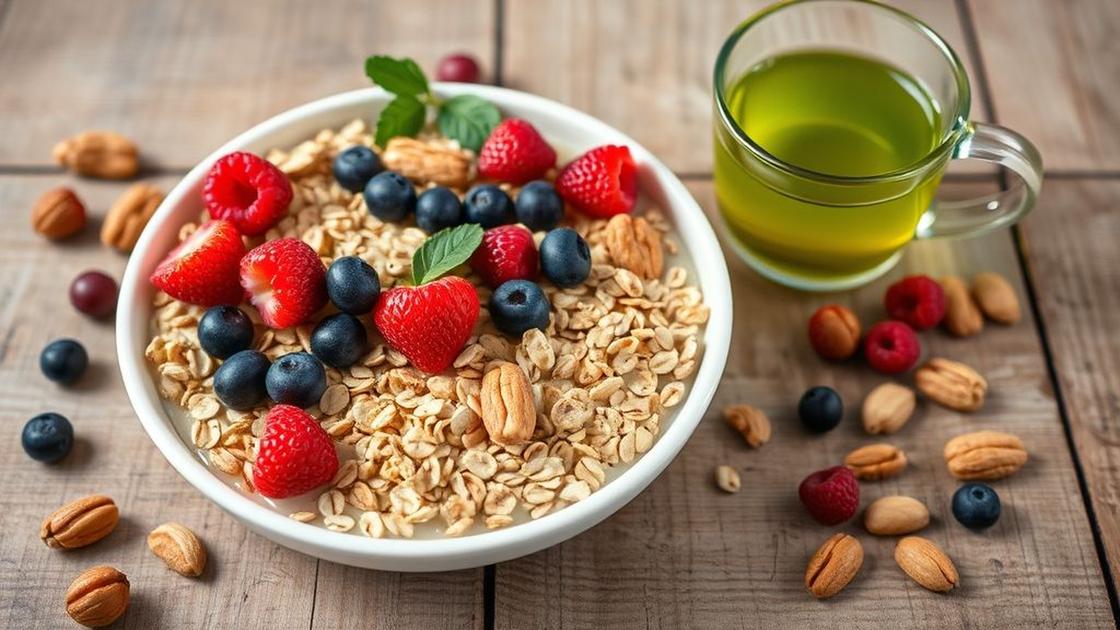
Berries: Strawberries, blueberries, and raspberries are filled with fiber and antioxidants which can help improve insulin sensitivity.
Nuts and Seeds: Almonds, walnuts, and chia seeds are great sources of healthy fats, protein, and magnesium, which can play a role in lowering blood sugar levels.
Legumes: Lentils, chickpeas, and beans are packed with fiber and protein, which can aid in blood sugar control.
Whole Grains: Foods like quinoa, brown rice, and whole oats can help moderate blood sugar levels and are more beneficial compared to refined grains.
Sweet Potatoes: These are lower on the glycemic index and provide complex carbohydrates that are processed more slowly by the body.
Cinnamon: This spice has been shown to improve insulin sensitivity and lower blood sugar levels.
Greek Yogurt: A great source of protein and probiotics which can aid digestion and potentially help stabilize blood sugar.
Incorporating these foods into your diet can be a delightful journey. Think about starting your mornings with a refreshing smoothie loaded with berries and spinach, or enjoying a colorful salad filled with leafy greens and quinoa for lunch. These changes can be both delicious and fulfilling.
How Fiber Helps Regulate Blood Sugar Levels
Fiber is your friend! It slows down the absorption of sugar, preventing spikes in blood sugar levels. There are two types of fiber: soluble and insoluble, both of which play a role in digestive health. Soluble fiber forms a gel-like substance in the gut, which slows digestion and helps in maintaining steady blood sugar levels.
Foods rich in fiber, such as fruits, vegetables, legumes, and whole grains, also promote feelings of fullness. This is especially important for women who often battle between wanting to eat healthily while also feeling satiated and satisfied with their meals. Fiber can reduce cravings and provide steady energy, which is essential when navigating the everyday challenges of balancing life.
The Importance of Healthy Fats
Healthy fats like those found in avocados, olive oil, and fatty fish can also help lower blood sugar levels. Fats don’t raise blood sugar in the same way that carbohydrates do, providing a sense of fullness and satisfaction to your meals.
Including healthy fats in your diet can help you feel more stable, both physically and emotionally. It’s about providing your body with a source of sustained energy while keeping your mind clear and focused. Whether you’re preparing a meal or snacking, think avocados on toast or a handful of nuts to enhance your overall health.
Incorporating Protein for Blood Sugar Balance
Protein is integral in blood sugar management. It helps slow the absorption of sugar into the bloodstream. Including sources of lean protein, like chicken, turkey, eggs, and legumes, in your meals can provide sustained energy without the corresponding spike in blood sugar.
For many women, balancing protein intake can also stave off fatigue and hormone-related issues. Protein isn’t just about muscles; it plays a role in keeping you feeling satisfied and energized throughout your day. Think of a hearty bean salad or grilled chicken with quinoa — it’s not just delicious but also a step towards feeling your best.
The Impact of Hydration on Blood Sugar Control
Water is incredibly important for maintaining stable blood sugar levels. Dehydration can lead to higher blood sugar levels, which is why staying hydrated is a must, especially for women who might experience symptoms such as fatigue or lack of concentration.
Keep a water bottle handy throughout the day. Consider infusing it with slices of lemon or cucumber for a refreshing twist. Stay mindful of your fluid intake, and notice how it influences your energy levels and overall mood. The simple act of drinking enough water can lead to improved clarity and vitality in your day-to-day life.
Emotional Eating: A Hidden Factor in Blood Sugar Levels
Emotional eating affects many women, especially during times of stress or hormonal changes. Stress can lead to cravings for sugary or high-carb foods, temporarily elevating blood sugar levels but potentially leaving you feeling worse later.
Understanding your emotional triggers and working on stress management techniques, such as yoga or deep breathing, can help mitigate those cravings. It’s essential to find healthier outlets for stress rather than turning to food. This is a journey many women face, and it’s okay to seek support along the way. Mindfulness and staying aware of your eating patterns can empower you to make healthier choices that nourish both your body and mind.
Creating a Balanced Meal Plan with Natural Foods
To manage blood sugar levels effectively, consider crafting a balanced meal plan. This can include a mix of the foods discussed, focusing on whole ingredients rather than processed ones. Planning meals ahead allows you to control what goes into your body and can enhance your well-being.
Start with a base for each meal: grains, protein, healthy fat, and plenty of vegetables. Mix and match according to your preferences. Meal prepping can also remove the stress of having to make quick decisions when hunger strikes, leading you to choose less healthy options. Taking a little time to prepare meals can lead to considerable improvements in how you feel.
Empowering Yourself to Take Control of Your Health
Every woman’s journey is unique. By taking proactive steps towards managing blood sugar through diet and lifestyle choices, you can create a happier, healthier life. Whether it’s learning new recipes, trying new foods, or discovering meal prep tips, each step is a victory on its own.
You are not alone in this journey. Many women have faced similar challenges, and by embracing a step-by-step method, you can find your own path to wellness. It takes time and patience, as change doesn’t happen overnight, but the results can be life-changing.
Remember: you have the power to make these changes for yourself. It’s possible to improve your symptoms and reclaim your energy. Start your journey towards a vibrant life today.