Are you feeling anxious? It might be more than just stress. Anxiety and blood sugar are interconnected in ways you may not understand. Many women over 30 experience this silent struggle, facing challenges like fatigue and hormonal imbalances. When our blood sugar fluctuates, it can impact our mood, leading to heightened anxiety. But don’t worry; understanding this connection will empower you to take control of your health and well-being.
Understanding Anxiety: A Hormonal Perspective
Anxiety can feel like a storm brewing inside, where every worry cloud is heavy with overwhelming thoughts. For many women over 30, this can become a daily struggle. But did you know that hormones play a vital role in this experience? Hormones like cortisol, adrenaline, and progesterone can affect how we feel and cope with stress.
During moments of anxiety, your body releases stress hormones, which can elevate heart rates and induce a feeling of dread. Understanding this hormonal response can empower you with knowledge, showing that you are not alone in what you’re experiencing. By acknowledging this link, you can begin exploring how to manage these feelings effectively.
The Role of Blood Sugar in Your Daily Mood
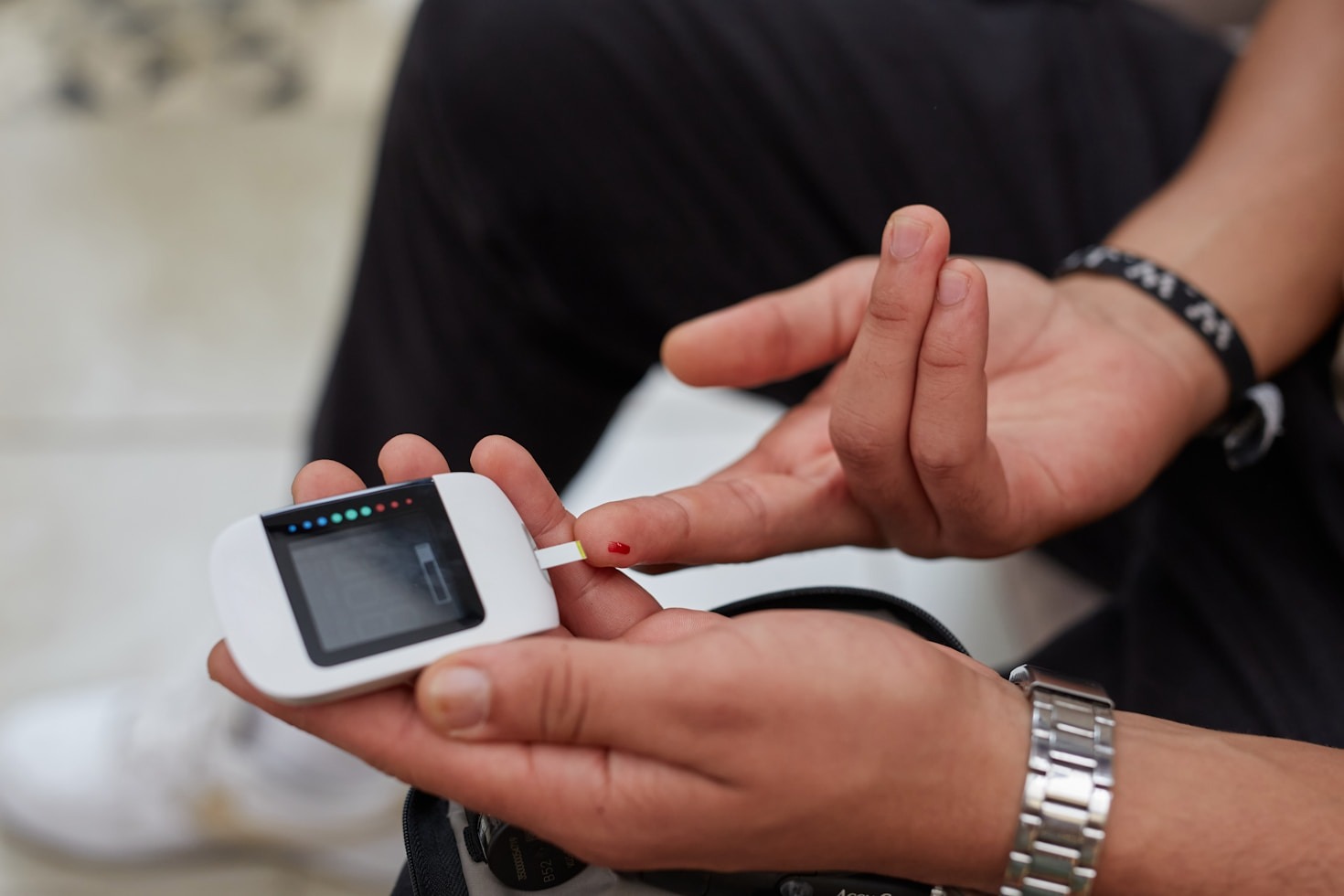
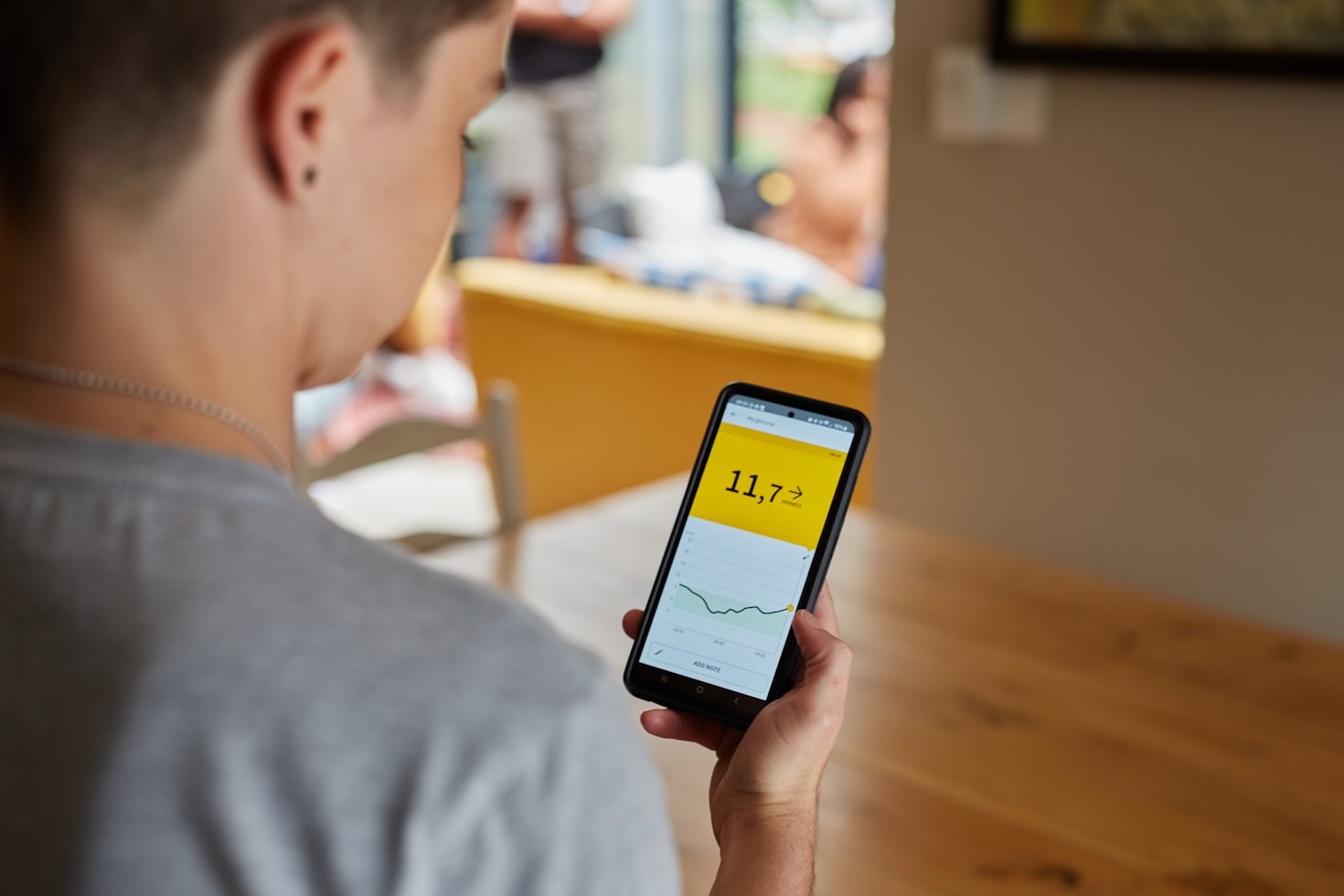
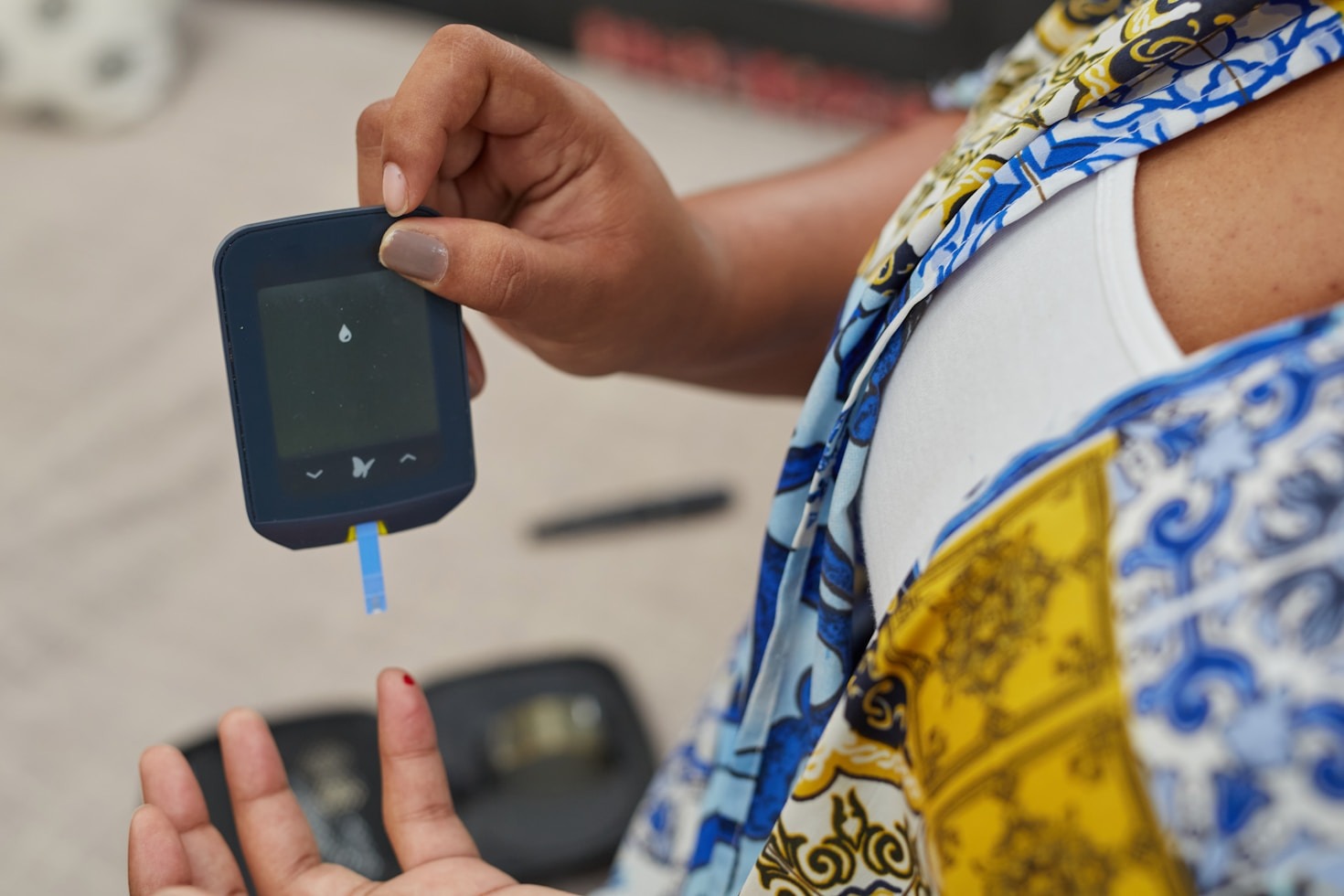
Your blood sugar levels can influence your mood and energy. A quick dip in glucose levels can lead to irritability, fatigue, and anxiety. Have you ever experienced that sudden shift from feeling fine to a sense of panic? Your blood sugar could be playing tricks on you!
When your blood sugar drops, your brain may signal a need for more food or energy, which can trigger feelings of anxiety. By paying attention to what you eat and how it affects your overall well-being, you can enjoy more stable moods throughout your day.
How Hormones Influence Your Anxiety Levels
Our endocrine system performs miracles by producing hormones that balance our mood. Progesterone and estrogen levels can fluctuate greatly, causing emotional swings. If you find yourself feeling more anxious around certain times of your cycle, know that these hormonal shifts have a basis!
In addition, cortisol, our primary stress hormone, can become elevated if we are under constant stress, leading to a vicious cycle of anxiety. Recognizing that this hormonal balance can be restored through various means—like diet, exercise, and mindfulness—can lessen your burden.
Identifying Blood Sugar Spikes and Dips
Do you notice patterns in your mood throughout the day? Perhaps you crash in the afternoon, leading to feelings of anxiety or fatigue. By identifying spikes and dips in your blood sugar, you can better understand how they affect your emotions.
Common Signs of Blood Sugar Fluctuations:
Hungry or cranky—feeling starved for energy.
Pale skin and sweating—indicating a panic response.
Intense cravings for sweets—candy or chocolate seems like the answer.
Shakiness—almost like your body is shaking off worries.
These signs are your body’s way of telling you to pay attention. Keeping a food diary can help illuminate these patterns so that you can adjust your eating habits accordingly.
Simple Strategies to Stabilize Your Blood Sugar
Staying in tune with your body might be the key to managing anxiety effectively. Here are some steps that can help you stabilize your blood sugar levels:
Eat Regularly: Opt for three balanced meals and healthy snacks at consistent intervals.
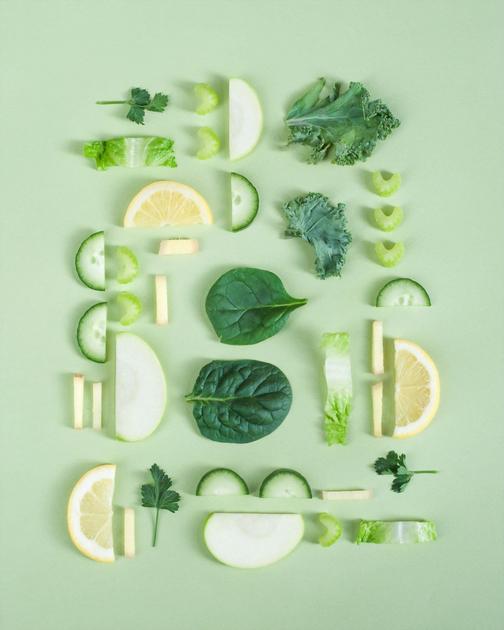
Choose Whole Foods: Focus on lower glycemic index foods like grains, veggies, and fruits.
Stay Hydrated: Drinking enough water can prevent fatigue.
Limit Sugary Foods: Avoiding excessive sugar will help prevent spikes.
By incorporating these simple changes, it’s possible to maintain steadier blood sugar levels, which can lead to fewer anxiety episodes and a sense of greater peace.
The Importance of Nutrition for Mental Health
Your food choices may not only impact your physical health but can also significantly engage with your mental well-being. Nutrient-rich foods can have a positive impact on mood:
Omega-3 Fatty Acids: Found in fish and flaxseeds, these can be beneficial for brain health.
B Vitamins: Support energy production; think leafy greens, eggs, and legumes.
Magnesium: Can help with relaxation; sources include nuts, seeds, and dark chocolate.
Moreover, staying mindful of how what you eat makes you feel can turn your meals into powerful moments of self-care and nourishment.
Lifestyle Changes to Reduce Anxiety
Beyond nutrition, certain lifestyle changes can have a profound impact on your anxiety levels:
Exercise Regularly: Physical activity can boost your mood and reduce stress hormones.
Prioritize Sleep: Aim for 7-9 hours of quality sleep every night to help restore balance.
Practice Mindfulness: Techniques like meditation and deep breathing can lower anxiety.
Connect with Others: Building a support network fosters connection and reduces feelings of isolation.
Taking these steps can make the world of difference in how you manage anxiety. Start small and build routines that fit seamlessly into your daily life.
Empowering Women: Finding Your Balance
Women often juggle multiple roles, and this can lead to stress and anxiety. It’s important to feel empowered to take charge of your health. Discovering your own balance is a personal journey! Embrace self-compassion as you navigate your unique experience.
Seek support groups or connect with other women who are also trying to find their equilibrium. Understanding that you are not alone can be remarkably empowering, allowing you the freedom to embrace self-care.
Personal Stories: Overcoming Anxiety Challenges
Voices of women who have faced similar challenges can be incredibly reassuring. Many have tackled their anxiety by recognizing its connection to hormonal changes and blood sugar fluctuations, and it’s inspiring to hear how they found relief.
Consider stories from women who have gone through similar struggles—how they changed their diet, embraced new lifestyles, or sought help. Hearing others’ journeys can provide both comfort and encouragement.
Taking the First Step Towards Wellness
You are powerful, and it’s crucial to remember that taking small steps can lead to big changes over time. Through understanding anxiety’s intricacies, learning how to stabilize blood sugar, and adjusting lifestyle factors, hope is on the horizon.
As you embark on your journey towards balance and wellness, know that many women have conquered similar challenges. With dedication and compassion towards yourself, you can create pathways to a healthier, happier you. Don’t hesitate to explore the methods that resonate with your journey!