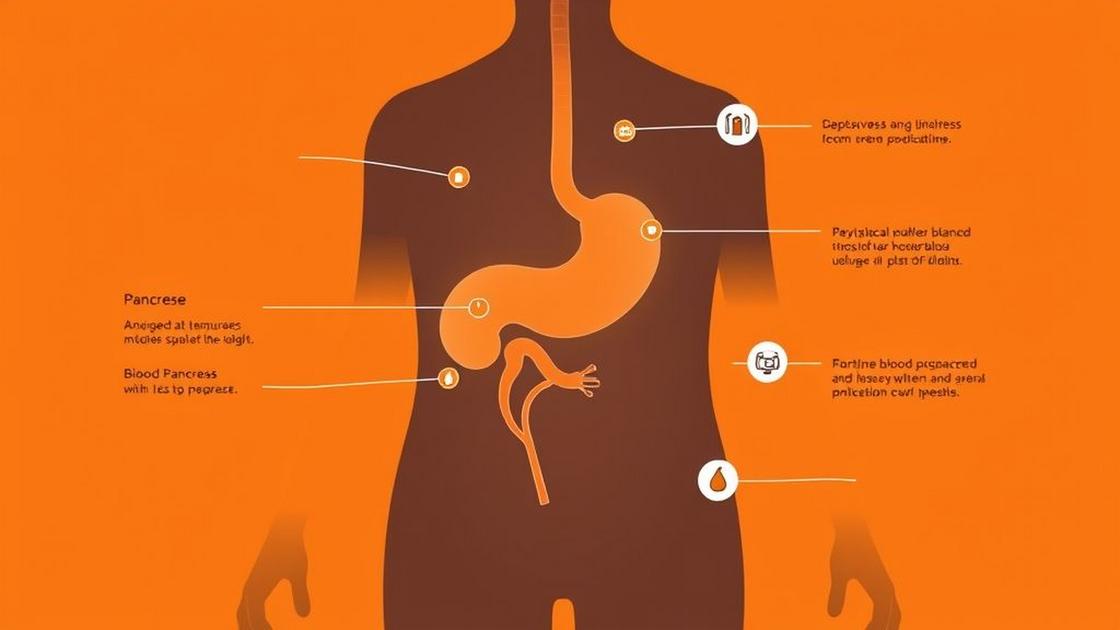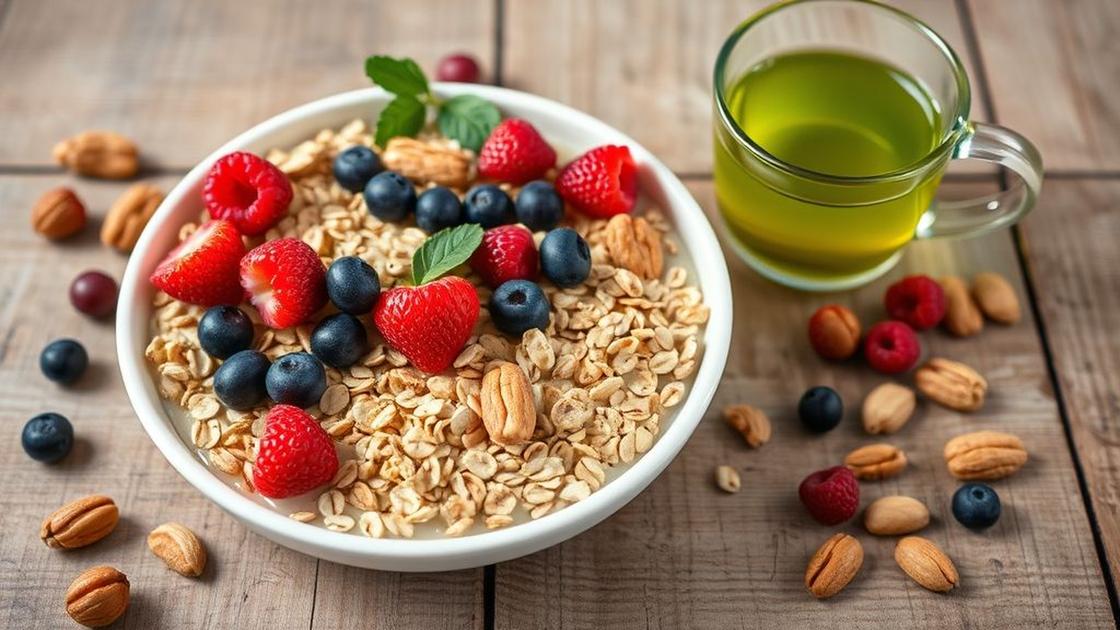
Anxiety can feel like an uninvited guest in your life, often triggering feelings of overwhelm. As women over 30, many of us face daily challenges like fatigue, insomnia, and sometimes, hormonal imbalance, magnifying our anxiety. The good news? You can take control. Discover natural solutions that not only manage anxiety but do so without raising your sugar levels. This approach empowers you to reclaim your emotional well-being while nourishing your body, aligning with a healthier lifestyle that brings balance.
Understanding Anxiety and Its Triggers
Anxiety is more than just worry; it’s that heavy feeling that clouds your mind. For many women over 30, anxiety often stems from a combination of factors, including personal responsibilities, work pressures, and hormonal changes. Understanding the triggers of your anxiety is crucial. Common triggers can include:
- Stressful life events: Job changes, moving, or relationship issues can heighten feelings of unease.
- Health concerns: Worrying about health can lead to anxiety, especially during hormonal fluctuations.
- Financial pressures: Managing expenses or preparing for retirement can be stressful.
- Isolation: Social connections are important. Feeling isolated can intensify anxiety.
When you identify what triggers your anxiety, you can take thoughtful steps to manage these feelings more effectively.
The Impact of Sugar on Your Mood
Many don’t realize how sugar affects mood. Sugar might provide a quick energy boost, but it often leads to a crash that can worsen feelings of anxiety. Here’s how sugar impacts your mood:
- Blood Sugar Spikes: Eating sugary foods can lead to rapid blood sugar spikes, making you feel jittery.
- Emotional Crashes: After the sugar high, you may experience mood swings, leading to anxiety or irritability.
- Increased Stress Hormones: High sugar intake can elevate cortisol, your body’s stress hormone.
By managing your sugar intake, you can maintain a more stable mood. Opt for natural sweeteners or whole foods that provide balanced energy.
Natural Remedies for Stress Management
There are various natural remedies for managing anxiety. Incorporating these into your routine can provide support without the side effects of medication. Here are a few you might consider:
- Aromatherapy: Essential oils like lavender or chamomile can create a soothing atmosphere. A few drops in a diffuser can help calm your mind.
- Warm Baths: Taking a bath with Epsom salts can relax tense muscles and alleviate anxious feelings.
- Mindful Breathing: Simple breathing exercises can ground you. Focus on each breath, and let your worries fade with every exhale.
Mindfulness Techniques to Reduce Anxiety
Mindfulness is about being present. It allows you to acknowledge feelings without judgment. Techniques to practice mindfulness include:
- Daily Journaling: Write your thoughts and feelings. This can clarify what you’re experiencing and bring a sense of relief.
- Guided Meditation: Apps or online videos can help you learn and engage in meditation practices.
- Grounding Exercises: Focus on your five senses. Ask yourself what you can see, hear, touch, taste, and smell right now.
Embracing these techniques can cultivate a sense of control over your thoughts and emotions.
Herbal Supplements That Help Calm the Mind
Nature provides many herbal remedies that can help soothe anxiety. Below are some popular options to explore:
- Chamomile: Known for its calming effects, chamomile tea can help relax the mind.
- L-theanine: This amino acid, found in green tea, promotes relaxation without drowsiness.
- Valerian Root: Often used to improve sleep, valerian can also work in reducing anxiety.
- Passionflower: This herb has been shown to help with anxiety and insomnia.
Always consult with a healthcare professional before starting any new supplement, especially if you have existing health conditions.
The Benefits of a Balanced Diet for Anxiety
A balanced diet is fundamental for both physical and mental health. The right nutrients can result in fewer anxiety symptoms. Key elements of a balanced diet include:
- Omega-3 Fatty Acids: Found in fish like salmon, flaxseeds, and walnuts, they may reduce anxiety levels.
- Whole Grains: Foods like brown rice and quinoa can stabilize blood sugar levels, contributing to mood stability.
- Fruits and Vegetables: A variety of colors can provide antioxidants and essential vitamins that support mental health.
- Hydration: Dehydration can affect your mood. Aim to drink plenty of water throughout the day.
Paying attention to your diet can play a significant role in managing anxiety effectively.
Physical Activity as a Natural Anxiety Relief
Regular physical activity is one of the most effective ways to reduce anxiety. Exercise helps release endorphins, which are natural mood lifters. Consider these options:
- Walking: A brisk walk in nature can help clear your mind and improve your mood.
- Yoga: Incorporates breathing and mindful movements to promote relaxation.
- Dancing: It’s fun and can lift your spirits while providing a good workout.
Find an activity you enjoy, and make it a regular part of your routine. The more you move, the better you’ll feel.
Importance of Sleep in Managing Stress
Sleep is often overlooked but is crucial for mental well-being. A lack of sleep can exacerbate anxiety. Here are ways to improve your sleep quality:
- Establish a Routine: Try to go to bed and wake up at the same time every day.
- Create a Sleep-Friendly Environment: Keep your bedroom dark, quiet, and cool.
- Avoid Screens: Limit screen time an hour before bed to reduce blue light exposure.
Restful sleep allows your body to recharge and helps you deal with stress more effectively.
Creating a Supportive Environment
Your surroundings can greatly impact your mental state. A supportive environment fosters well-being. Consider these suggestions:
- Surround Yourself with Positive Influences: Connect with people who uplift you and avoid toxic relationships.
- Declutter Your Space: A clean and organized environment can help reduce feelings of chaos.
- Engage in Activities You Love: Make time for hobbies or interests that bring you joy.
Creating a space that encourages positivity can significantly ease anxiety.
Empowering Yourself with a Step-by-Step Method
Managing anxiety doesn’t have to be overwhelming. Embark on a journey of self-discovery and empowerment. Start with small steps:
- Identify Triggers: Keep track of your feelings and jot down moments of anxiety.
- Set Goals: Aim for small, achievable goals to work towards feeling better.
- Seek Resources: Whether it’s books, apps, or professionals, find tools that support your journey.
Every small step you take brings you closer to feeling in control. Remember, you are not alone in this journey. Many women have found their way through similar struggles.
Believe in the possibility of improvement — just as countless others have transformed their lives, so can you. There’s a simple method waiting for you, ready to guide you through every challenge. Don’t hesitate to explore this pathway to wellness!
This paragraph serves as an introduction to your blog post. Begin by discussing the primary theme or topic that you Read more
This paragraph serves as an introduction to your blog post. Begin by discussing the primary theme or topic that you Read more
This paragraph serves as an introduction to your blog post. Begin by discussing the primary theme or topic that you Read more

This paragraph serves as an introduction to your blog post. Begin by discussing the primary theme or topic that you Read more