Are you feeling more anxious or fatigued lately? How hormonal changes affect your blood sugar and mood might be the answer. Many women over 30 face challenges like hormonal imbalances, which can lead to mood swings and energy fluctuations. Understanding this connection is key to managing your well-being and reclaiming your vitality.
The Role of Hormones in Daily Life
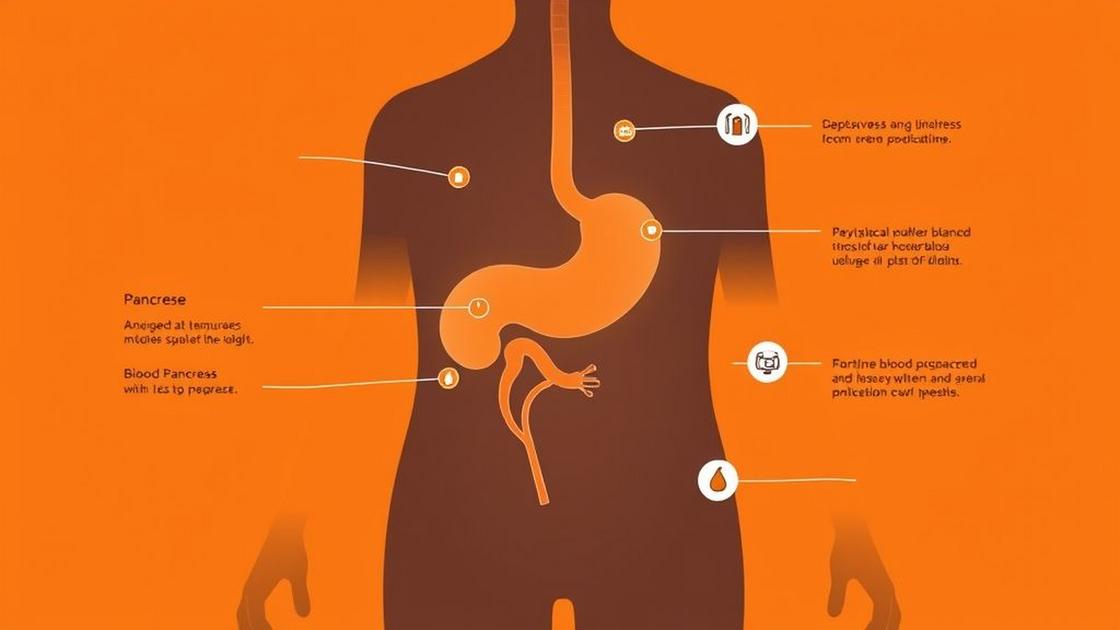
Hormones are like tiny messengers that travel through your body, sending signals to various parts to perform specific tasks. They play a crucial role in regulating many functions such as metabolism, growth, and even mood. In women, hormonal changes can occur during different life stages such as puberty, menstruation, pregnancy, and menopause. Each of these transitions can bring about fluctuations that might leave you feeling out of sync.
For many women over 30, these hormonal changes can become particularly pronounced. You might find yourself experiencing fatigue, irritability, or even sudden mood swings that seem to come out of nowhere. Understanding how hormones influence your body can help you find a sense of balance amidst the changes.
Understanding Blood Sugar Levels
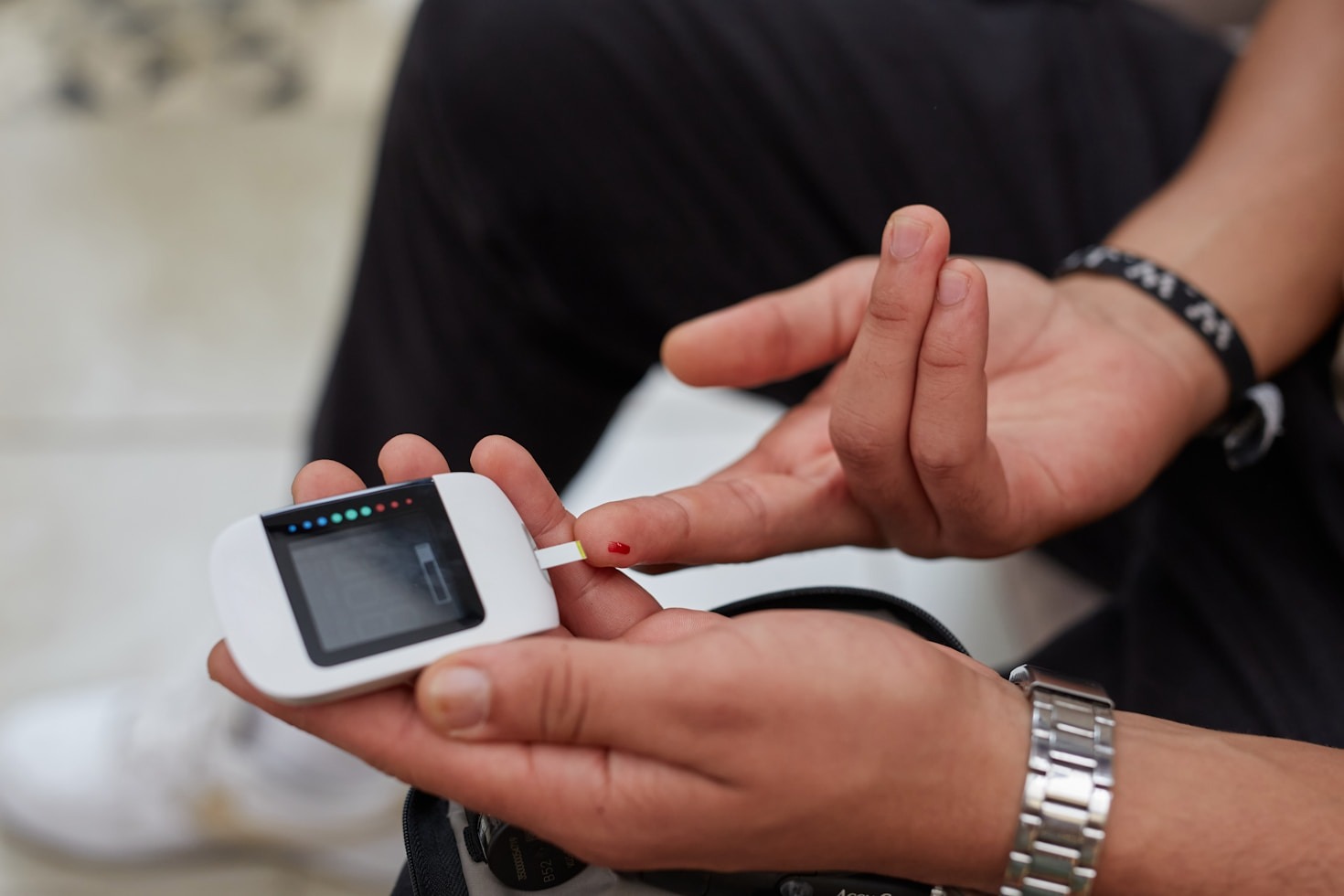
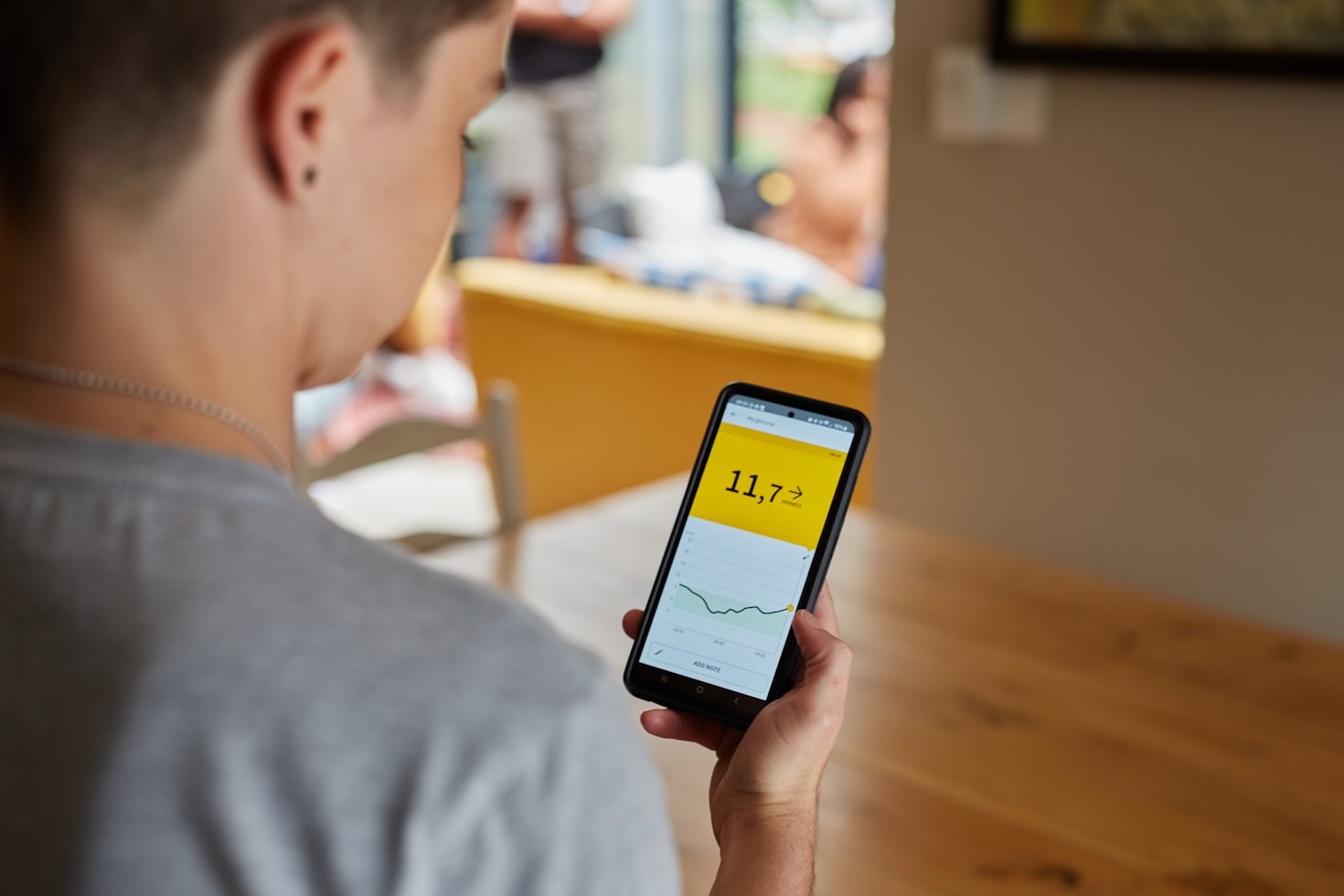
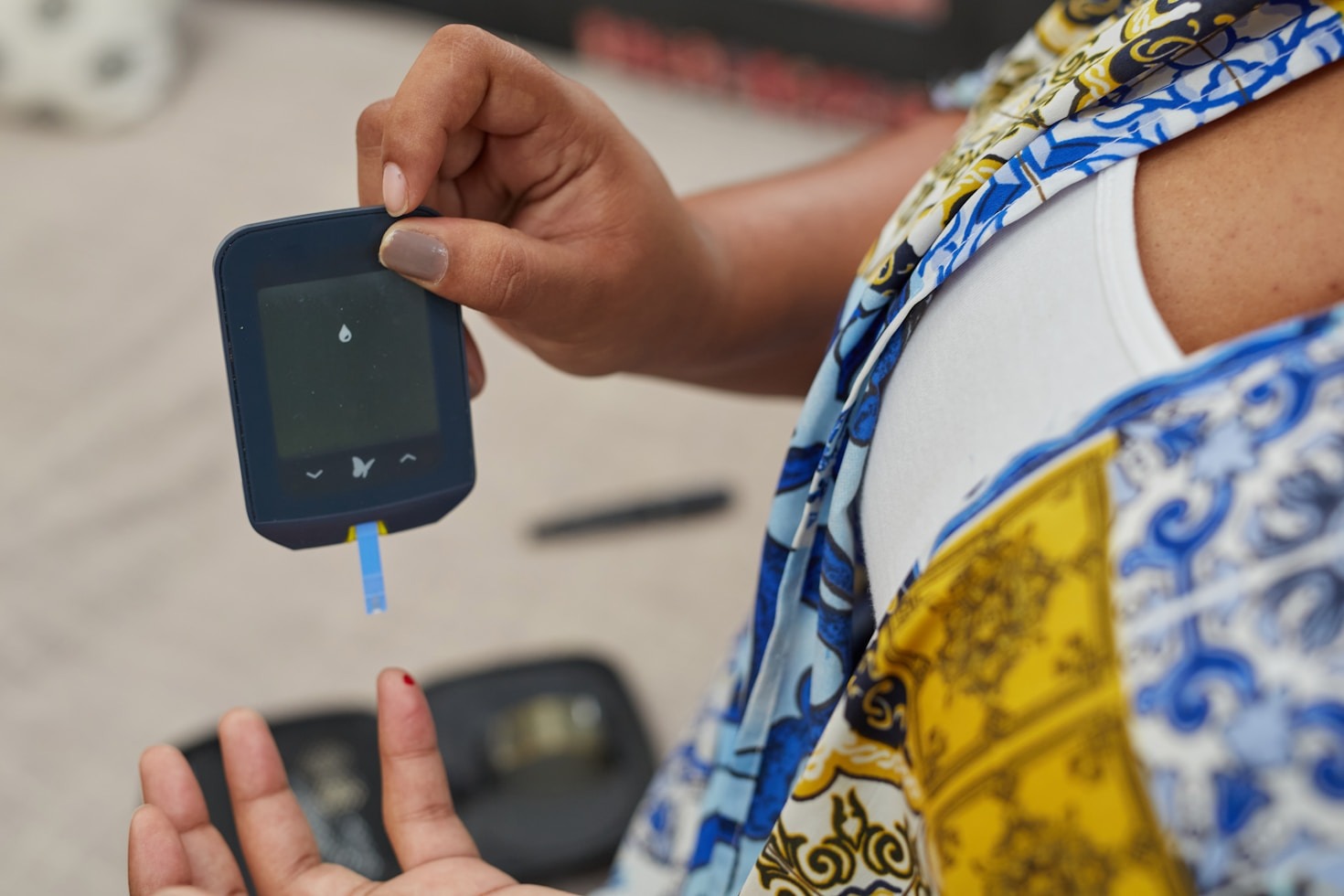
Your blood sugar level refers to the amount of glucose present in your blood. This level can fluctuate throughout the day based on several factors including food intake, physical activity, and—yes—hormonal changes. When hormones like insulin and cortisol are out of balance, your blood sugar might become unstable, leaving you feeling tired, anxious, or even hungry at odd times.
When your body is not utilizing glucose properly, it can lead to feelings of fatigue or irritability. This is especially common during different phases of the menstrual cycle or in times of stress. Understanding these patterns can empower you to manage your feelings and energy levels more effectively.
How Hormones Influence Mood
Hormones greatly affect your mood. For instance, fluctuations in estrogen and progesterone during your menstrual cycle can lead to feelings of sadness or anxiety. Similarly, cortisol, the stress hormone, can have a profound effect on how you feel day-to-day.
Moreover, low levels of serotonin—often referred to as the “feel-good” hormone—can lead to depression or anxiety. When hormonal imbalances occur, they often contribute to swings in moods and emotional wellbeing. Being aware of these influences gives you a better understanding of your emotional state and allows you to take proactive measures.
The Impact of Stress on Hormonal Balance
Life can be overwhelming, and stress is often unavoidable. When you’re stressed, your body releases cortisol, which, over time, can disrupt your hormonal balance. This disruption affects not only your blood sugar levels but also how you feel emotionally.
Chronic stress can cause your body to produce excess cortisol, leading to problems such as weight gain, sleep disturbances, and mood swings. Additionally, women may experience symptoms like moodiness or fatigue. Learning to manage stress effectively can make a significant difference in achieving hormonal balance, which can, in turn, stabilize both your mood and blood sugar levels.
Signs of Hormonal Imbalance You Shouldn’t Ignore
It’s essential to pay attention to your body. Some signs of hormonal imbalance may include:
Irregular periods: Changes in your menstrual cycle can indicate hormonal issues.
Fatigue: Constant tiredness might be a sign that your hormones are out of sync.
Weight changes: Unexpected weight gain or loss can indicate issues with insulin and other hormones.
Mood swings: If you’re experiencing drastic changes in mood, it might be due to fluctuations in hormones.
If you’re noticing any of these symptoms, it can be a cue to explore your hormonal health further. You’re not alone, and many women undergo similar experiences.
Natural Ways to Stabilize Blood Sugar
Stabilizing your blood sugar doesn’t have to be complicated. Here are some natural approaches you can try:
Balanced meals: Ensure your meals contain a mix of protein, fats, and carbohydrates to maintain stable blood sugar.
Regular exercise: Exercise can help regulate insulin levels and improve your mood.
Stay hydrated: Drinking enough water can help maintain proper function and energy levels.
Avoid sugary snacks: Reducing your intake of simple sugars can prevent blood sugar spikes and crashes.
Implementing these changes might help you feel more energetic and less moody without the need for medication.
Mindfulness and Its Benefits on Hormones
Taking time for mindfulness practices can greatly enhance your overall well-being. Activities such as yoga, meditation, or even just quiet reflection can help create a sense of calm, reducing stress and, in turn, helping to balance hormone levels.
Mindfulness also encourages you to listen to your body. It can help you recognize moments when stress is building up, giving you the opportunity to practice coping strategies before they escalate into bigger hormonal imbalances. Just a few minutes of mindfulness each day can work wonders for your mood and energy.
Nutrition Tips for Mood and Energy
Food is not just fuel; it can also play a significant role in your mood and energy levels. Here are some nutritious tips to consider:
Incorporate more whole foods: Fruits, vegetables, and whole grains help provide the nutrients your body needs to maintain hormonal balance.
Include healthy fats: Foods rich in omega-3 fatty acids (like fish and walnuts) can improve mood and energy.
Limit caffeine: While it can provide a temporary boost, too much caffeine can lead to energy crashes and increased anxiety.
Paying attention to what you eat can be a powerful step towards feeling better within your own body.
Creating a Balanced Lifestyle Routine
Creating a balanced lifestyle can help harmonize your hormones. Consider incorporating the following into your routine:
Set a sleep schedule: Aim for consistent sleeping and waking times to regulate your body’s internal clock.
Schedule downtime: Make it a point to take breaks, whether it’s a short walk or dedicated relaxation time.
Engage in regular exercise: A mix of cardio and strength training can make a huge difference in your energy and mood levels.
Connect with others: Spend time with friends or loved ones to uplift your spirits and combat loneliness.
Creating such routines can help you feel more stable and in control of your body, improving both mood and energy in the process.
Empowering Women: You’re Not Alone
Many women face similar struggles with hormonal changes, blood sugar levels, and mood swings. It’s important to remember that you are not alone. Sharing your experiences with others can empower you and create connections that make the journey easier.
Addressing these challenges can feel overwhelming, but many have found success by taking small, manageable steps. You have the power to reclaim your joy, your energy, and your overall well-being. It is possible to improve all these symptoms and challenges by following a simple step-by-step method, just as countless other women have done. Discover the solution that could help you through this journey—you’re capable of thriving, not just surviving.