Are you feeling more fatigued than usual or experiencing unexplained mood swings? These could be prediabetes warning signs women should not ignore. As we age, our bodies undergo various changes, sometimes leading to conditions that can impact our well-being. Recognizing the signs of prediabetes early on is crucial. In this article, we’ll delve into what these warning signs are and how you can take proactive steps to improve your health.
Understanding Prediabetes and its Impact on Women
Prediabetes is a health condition that affects many women, especially those over 30. It occurs when your blood sugar levels are higher than normal but not yet high enough to be diagnosed as diabetes. Understanding this condition is crucial because it can often go unnoticed, yet it significantly increases your risk of developing type 2 diabetes, heart disease, and stroke.
For women, this risk is compounded by various factors such as hormonal fluctuations, lifestyle choices, and stress levels. Ignoring the early warning signs can lead to serious complications, which is why awareness is vital.
Common Warning Signs of Prediabetes
Recognizing the warning signs of prediabetes is the first step towards better health. Here are some common signs that women should not ignore:
Increased Thirst: A frequent feeling of thirst, even after drinking water, can be a subtle indication of rising blood sugar levels.
Frequent Need to Urinate: If you find yourself visiting the bathroom more often, this could be a sign your body is trying to get rid of excess sugar through urine.
Fatigue: Women with prediabetes often report feeling more tired than usual, despite getting enough sleep.
Blurred Vision: Experiencing occasional blurry vision might seem minor, but it can be a sign of fluctuating blood sugar levels.
Persistent Hunger: Even after eating a meal, if you are still feeling unusually hungry, your body might not be processing food effectively.
Dark Patches on Skin: Acanthosis nigricans is a condition where dark patches appear, usually on the neck or underarms, indicating insulin resistance.
Why Women Over 30 Are at Higher Risk
Women over 30 experience unique changes in their bodies, making them more susceptible to prediabetes. Hormonal changes related to menopause can lead to weight gain and fat distribution changes, particularly around the abdomen. Additionally, lifestyle factors such as work pressures, family responsibilities, and limited time for exercise contribute to this increased risk.
Furthermore, women often face societal and personal pressures to maintain a certain weight or appearance, which can lead to unhealthy dieting practices and weight fluctuations. These cycles of dieting and weight regain can disrupt metabolism and insulin sensitivity, further heightening the risk of developing prediabetes.
The Role of Stress in Blood Sugar Levels
Stress is a common part of life but can have profound effects on your health. When you encounter stressful situations, your body releases hormones like cortisol, which can increase blood sugar levels. Chronic stress can lead to a cycle of unhealthy behaviors—like overeating junk food or neglecting exercise—that exacerbate the risk of prediabetes.
Understanding how stress affects your body empowers you to take steps towards managing it better, thus protecting your health. Consider practices such as meditation, yoga, or simple breathing exercises to help alleviate the daily pressures that many women experience.
How Hormonal Changes Can Affect Your Health
Hormonal changes in women, especially during the 30s and beyond, can significantly impact health. Fluctuations in hormones like estrogen and progesterone can affect insulin sensitivity and blood sugar control. This makes it especially important for women experiencing menstrual irregularities or symptoms of hormonal imbalance to pay close attention to their health.
Each phase of a woman’s life introduces new challenges and symptoms that can relate to her overall well-being. Being attuned to these changes, and seeking timely advice, can make all the difference in preventing worsening conditions like prediabetes.
The Connection Between Fatigue and Prediabetes
If you are often feeling fatigued, it could be more than just a busy schedule or lack of sleep—it might be linked to prediabetes. Fatigue is one of the symptoms many women overlook but is a significant signal from your body that something is off.
This tiredness can stem from the body’s inability to use glucose effectively. As your energy levels fluctuate, it can feel like an uphill battle to get through daily tasks. Recognizing this link can motivate you to explore your health further and proactively address these symptoms.
Importance of Regular Health Check-Ups
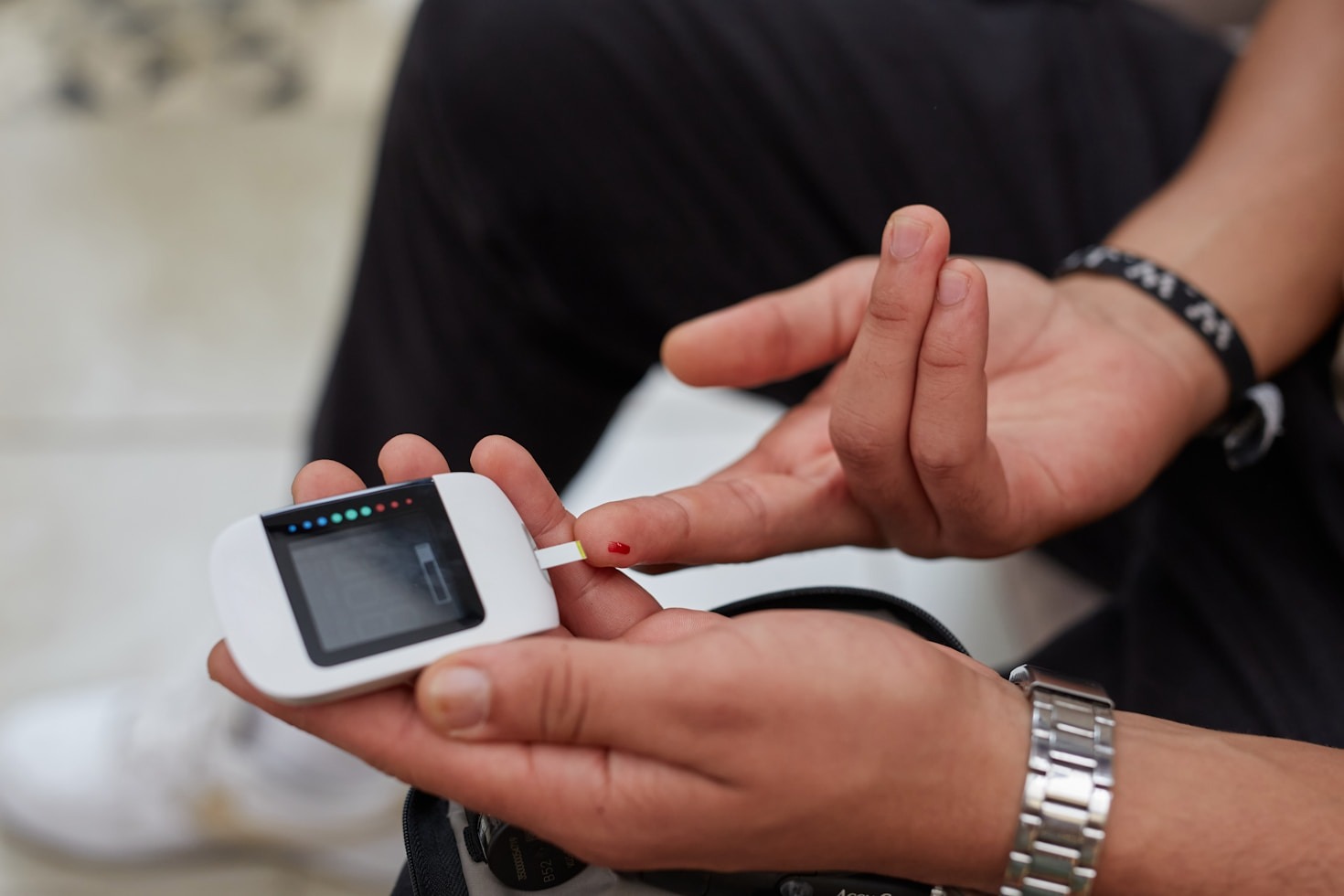
Regular health check-ups are essential in catching prediabetes early. Many women may feel they don’t need to see a doctor as long as they’re not experiencing overt health problems, but annual screenings can provide critical insights into your metabolic health.
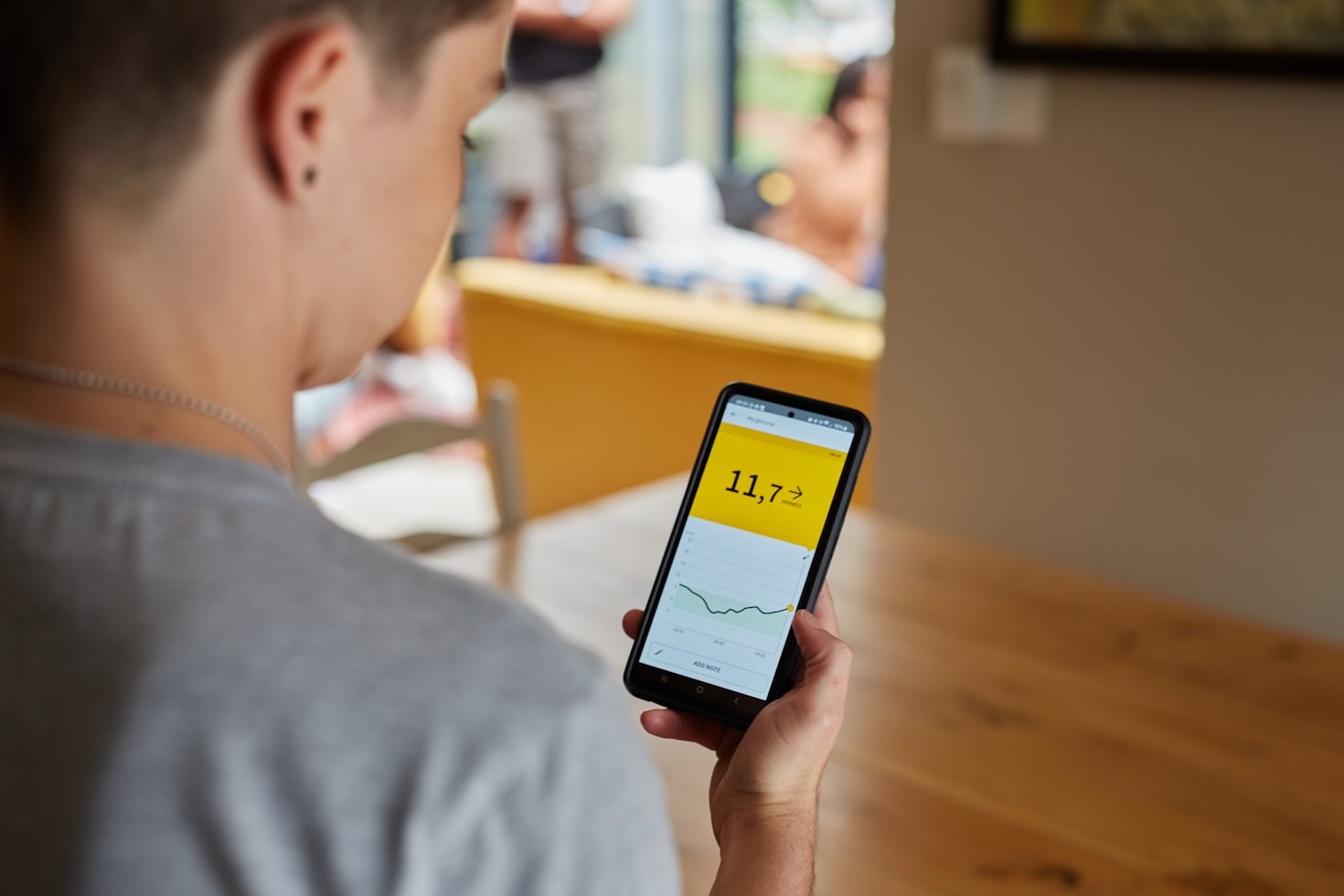
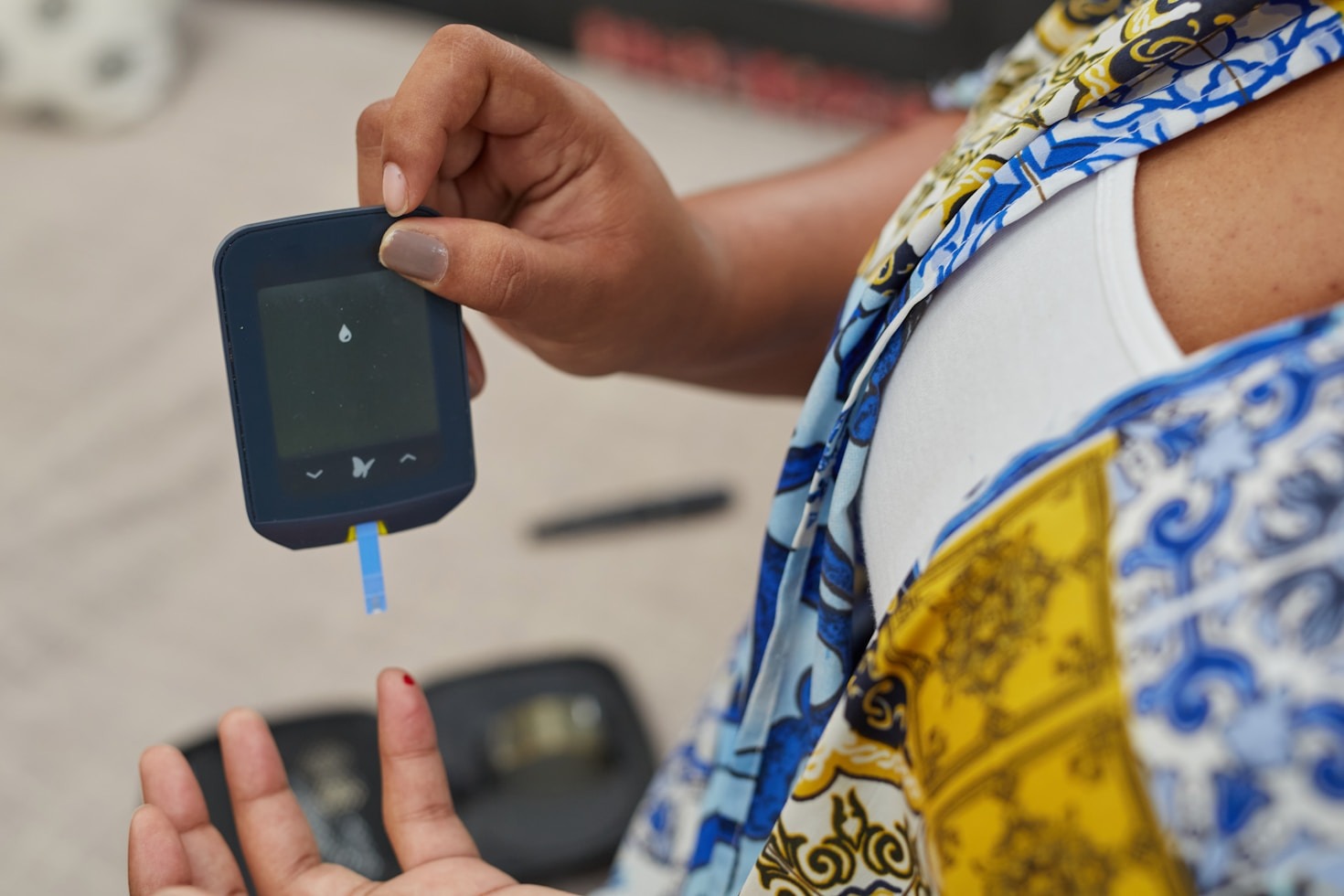
During these check-ups, your healthcare provider can measure your blood sugar levels and help monitor any health changes. Emphasizing preventive care empowers you to take charge of your health and make informed decisions about lifestyle changes that can significantly reduce your risk of chronic disease.
Simple Lifestyle Changes to Combat Prediabetes
Adopting a healthier lifestyle doesn’t have to be overwhelming. Small, consistent changes can lead to significant improvements in blood sugar control:
Balanced Diet: Focus on whole grains, fruits, vegetables, lean proteins, and healthy fats. Reducing processed foods and sugars can help manage blood sugar levels.
Regular Exercise: Aim for at least 150 minutes of moderate aerobic activity per week. Walking, cycling, and swimming are great options to incorporate into your routine.
Hydration: Drink plenty of water throughout the day to maintain hydration, which helps manage blood sugar levels.
Mindfulness Practices: Incorporate stress-reducing practices such as yoga or meditation into your daily routine to help stabilize your mood and sugar levels.
The Power of Community Support and Resources
Connecting with others who understand what you’re going through can provide invaluable support. Whether it’s joining a local support group for women or participating in online forums, sharing your experiences and listening to others can help reduce feelings of isolation.
Moreover, many resources are available, including workshops, fitness classes, and nutritional counseling specifically designed for women’s health. Exploring these opportunities can motivate you to stay committed to your health journey.
Embracing a Healthier Future: Your Journey Begins Here
Taking steps towards preventing prediabetes and managing your health can feel daunting. Yet, remember that countless women have successfully navigated these challenges and transformed their lives by following simple, step-by-step methods.
You are not alone in this journey. By acknowledging the struggles you may face and taking proactive steps, you can improve your well-being. Embrace this journey towards a healthier future—start today for a more vibrant tomorrow.