
Have you ever woken up feeling tired and sluggish? Many women over 30 face challenges like morning blood sugar spikes, leading to feelings of fatigue and irritability. It’s a common struggle, often linked to hormonal changes, stress, and lifestyle choices. But don’t worry—you’re not alone, and there are natural ways to regain control of your morning energy! In this article, we’ll explore effective tips and strategies to naturally lower morning blood sugar spikes, helping you feel vibrant and refreshed each day.
Understanding Blood Sugar and Its Effects on You
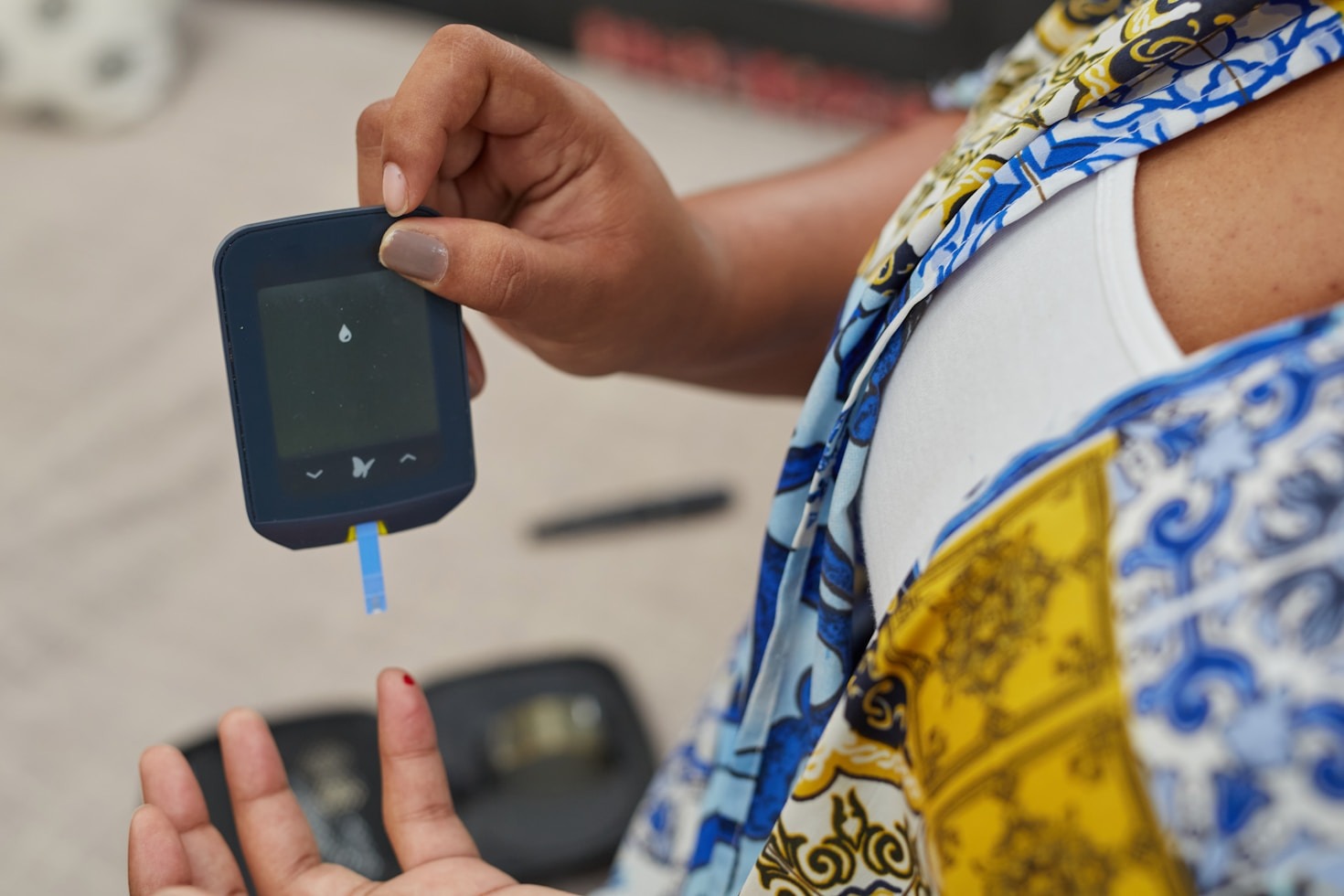
Blood sugar, also known as glucose, is the body’s main source of energy. When you eat, your body breaks down carbohydrates into glucose, which then enters your bloodstream. Keeping blood sugar levels steady is essential for your overall health and well-being. High blood sugar can lead to feelings of fatigue, irritability, and even anxiety, particularly in the morning when you wake up.
For women over 30, experiencing fluctuations in mood, energy, or sleep can be frustrating. These symptoms often tie back to issues with blood sugar management. When your blood sugar spikes in the morning, you might notice that you feel more tired than usual or find it hard to concentrate. Understanding how to manage these levels can lead to better energy, mood stability, and an improved quality of life.
Why Morning Spikes Happen: Causes and Consequences
Morning blood sugar spikes are a common issue. They can occur due to several reasons:
- Hormonal Changes: As women approach certain life stages, hormonal fluctuations can influence how the body processes sugar.
- Nighttime Snacks: Eating late at night can cause your blood sugar to remain elevated by morning.
- Lack of Physical Activity: A sedentary lifestyle can result in poor insulin sensitivity, making it harder for sugar to enter your cells.
The consequences of these spikes include feeling drained, difficulty focusing, and increased cravings, leading to a cycle that can be hard to break. Recognizing the causes can empower you to take action.
The Role of Diet in Managing Blood Sugar Levels
Your diet is a powerful tool in managing blood sugar levels. Including whole, unprocessed foods in your meals helps keep those levels steady, minimizing those troublesome spikes. Focus on:
- Whole Grains: Foods like brown rice, quinoa, and whole-grain bread are digested more slowly.
- Healthy Fats: Avocados, nuts, and olive oil can slow down the absorption of sugar.
- Fiber-Rich Foods: Vegetables, legumes, and fruits filled with fiber help regulate digestion.
These diet choices may sound simple, but they bring big changes over time. Imagine enjoying meals that not only taste good but also support your energy and stress levels!
Simple Breakfast Choices for Stable Energy
Breakfast can set the tone for the day. Opt for simple, nutritious options that help keep your blood sugar stable. Here are some ideas:
- Oatmeal with Nuts and Berries: A warm bowl of oatmeal provides fiber, and by adding nuts and berries, you enhance its nutritional value.
- Greek Yogurt with Seeds: Packed with protein, Greek yogurt can keep you full while seeds provide healthy fats.
- Smoothies: Blend leafy greens with a banana and protein powder for a refreshing, energizing start.
Choosing breakfasts like these can prevent those early morning spikes, keeping your energy steady until lunchtime.
Mindful Eating: Listening to Your Body’s Signals
Mindful eating involves being present during your meals and truly tuning in to your body’s signals. Here’s how to practice:
- Chew Slowly: Give your body time to process food. This allows for better digestion and reduces the risk of overeating.
- Pay Attention to Hunger Cues: Eat when you are hungry and stop when satisfied, not necessarily when your plate is empty.
- Avoid Distractions: Try to eat without screens or distractions for a more enjoyable experience.
This practice not only enhances your enjoyment of food but also helps in identifying what nourishes you best, allowing you to make informed choices about what to eat.
Exercise: A Natural Ally in Blood Sugar Control
Regular physical activity is essential for managing blood sugar levels. Moving your body helps your cells use sugar for energy much more effectively. Even light exercise, like brisk walking or yoga, has benefits:
- Improves Insulin Sensitivity: Exercise boosts how well your body uses insulin, aiding in sugar regulation.
- Enhances Mood: Exercise increases endorphins, which can drop anxiety and improve your outlook.
- Helps to Manage Weight: A healthy weight can ease the load on your body’s systems.
Incorporating just 30 minutes of activity into your daily routine can make a difference and help combat those frustrating morning spikes.
The Importance of Hydration for Overall Health
Staying hydrated is often overlooked but is crucial in managing blood sugar levels. Water helps your kidneys flush out excess sugar through urine. Here’s what to remember about hydration:
- Drink Water First: Start your day with a glass of water to kick-start your metabolism.
- Avoid Sugary Drinks: Sodas and juices can cause rapid spikes. Stick with water, herbal teas, or infused waters.
- Listen for Thirst: Make a habit of sipping water throughout the day, even before you feel thirsty.
Hydration supports not just your blood sugar levels but your overall health too. It’s a simple step with long-lasting benefits.
Stress Management Techniques to Lower Blood Sugar
Chronic stress can lead to increased blood sugar levels. When you’re stressed, your body releases hormones that can raise sugar levels in the blood. To manage stress effectively:
- Practice Deep Breathing: Take a few moments to breathe deeply whenever you feel overwhelmed.
- Incorporate Mindfulness or Meditation: Taking time for your mental health can create a sense of calm.
- Connect with Others: Sharing your thoughts with friends can relieve stress and improve your mood.
By managing daily stressors, you can create space for a more balanced life, which reflects in your physical health.
How Sleep Affects Your Morning Blood Sugar Levels
Sleep plays a vital role in maintaining stable blood sugar levels. Lack of sleep can lead to hormone imbalances that affect your body’s ability to use insulin. Consider these tips for better sleep:
- Establish a Routine: Try to go to bed and wake up at the same time every day.
- Create a Restful Environment: Keep your bedroom cool, dark, and quiet to promote better sleep.
- Avoid Screens Before Bed: Reducing screen time helps your brain wind down.
A good night’s rest can help lower those morning blood sugar spikes, making each day a little brighter.
Embracing a Holistic Approach to Wellness
Managing blood sugar naturally involves looking at your overall lifestyle. Embracing a holistic approach can connect all the dots:
- Nurture Emotional Health: Engage in activities that bring joy and peace. Your emotional well-being is just as important as physical health.
- Build a Supportive Community: Surround yourself with people who understand your journey and support your goals.
- Practice Self-Compassion: Be gentle with yourself as you make changes. Celebrate small victories!
By addressing your health from multiple angles, you can create a balanced and fulfilling life.
Remember, it’s possible to improve your symptoms and challenges. Women just like you have already found solutions by following simple steps. Each step you take brings you closer to feeling better. Stay inspired on your journey toward wellness!

This paragraph serves as an introduction to your blog post. Begin by discussing the primary theme or topic that you Read more

This paragraph serves as an introduction to your blog post. Begin by discussing the primary theme or topic that you Read more

This paragraph serves as an introduction to your blog post. Begin by discussing the primary theme or topic that you Read more
This paragraph serves as an introduction to your blog post. Begin by discussing the primary theme or topic that you Read more