Are you a woman over 30 feeling overwhelmed by stress and its effects on your health? You’re not alone. Many women experience challenges like fatigue, insomnia, and anxiety as daily pressures build up. Stress can quietly raise your blood sugar levels, leading to more health concerns. In this blog post, we’ll uncover the hidden connection between stress and blood sugar, and offer insights on how to manage these issues with simple steps.
Understanding Stress and Its Impact on Health
Stress is a familiar word in our everyday lives, and for many women over 30, it has become a constant companion. It often sneaks in during our busiest days, shaping our emotions, thoughts, and even our bodies in ways we don’t always recognize. Stress isn’t just a fleeting feeling; it can have profound effects on our health. Chronic stress can lead to several ailments, and one of its quieter impacts is on blood sugar levels.
The body responds to stress by releasing hormones like cortisol and adrenaline, which can alert us and prepare us for a ‘fight or flight’ scenario. While this response can be essential in emergencies, constant activation of this stress response can lead to issues with our blood sugar regulation. Over time, this can contribute to insulin resistance, making it more challenging for our bodies to maintain balanced sugar levels.
The Relationship Between Stress and Blood Sugar
When stress hits, your body releases glucose into your bloodstream, giving you a burst of energy to deal with the situation at hand. However, if you are not physically active to use that energy, it can linger, raising blood sugar levels. For women over 30, who may already be dealing with hormonal changes and busy lifestyles, this can become a significant concern.
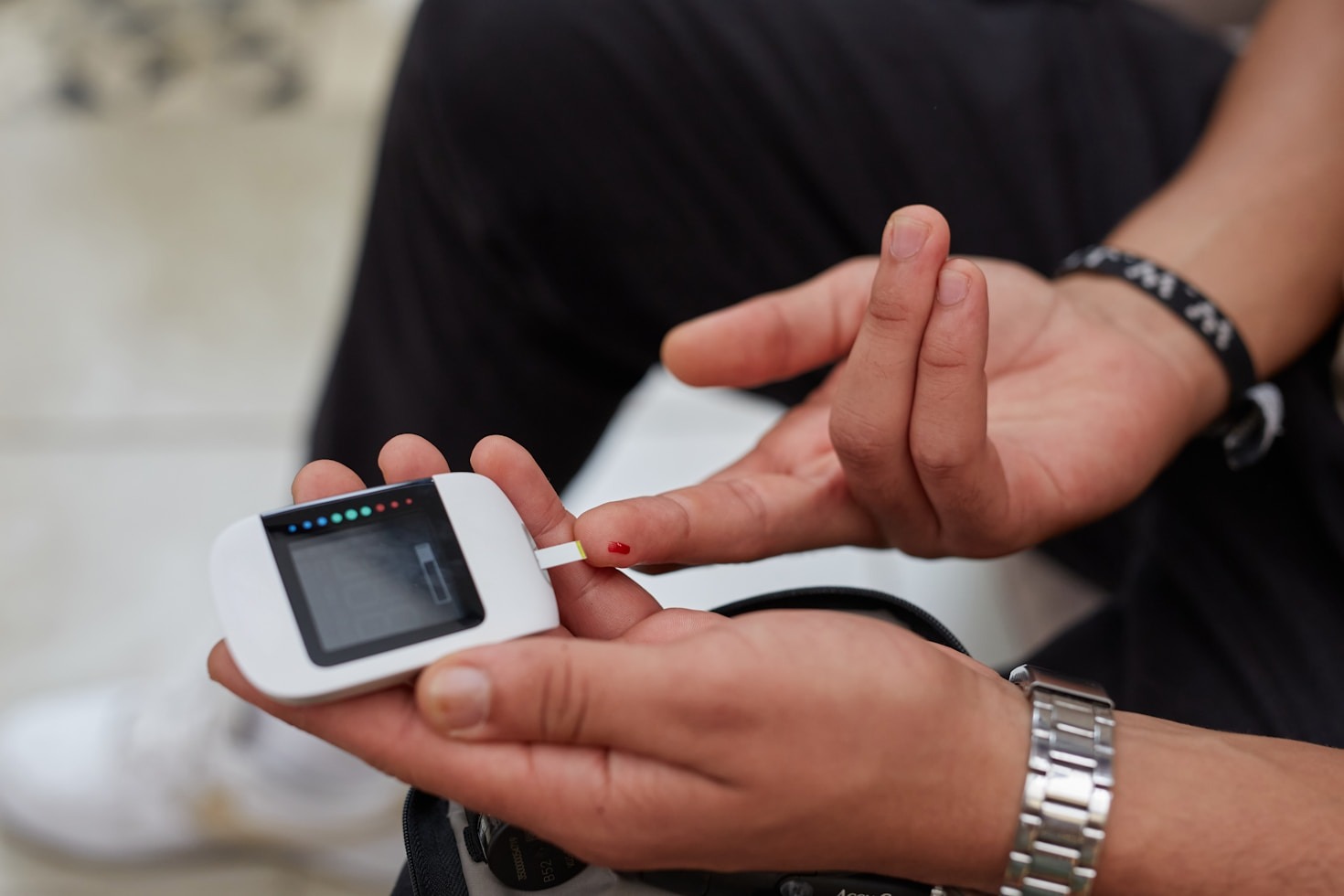
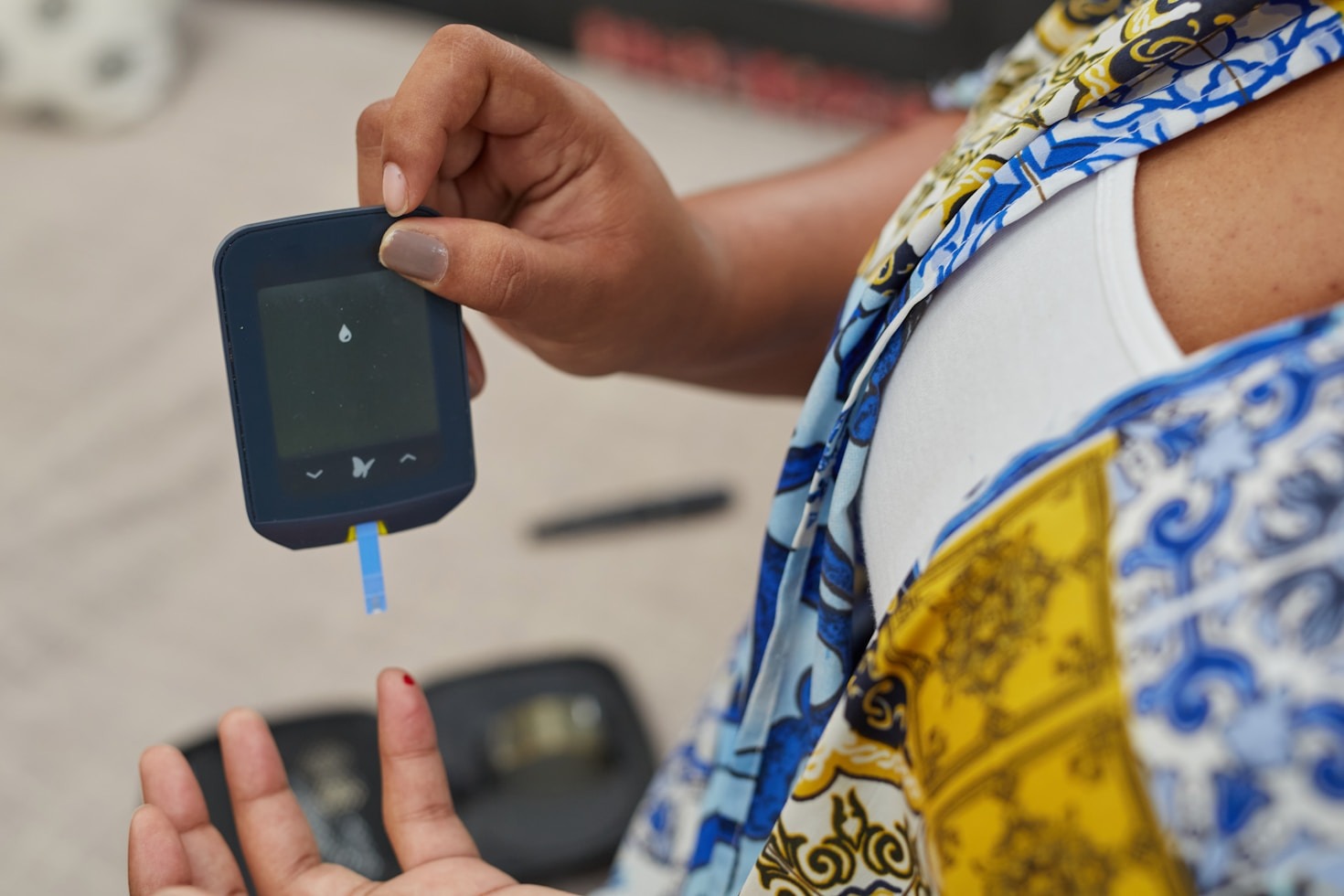
Understanding this relationship is crucial. Your body’s reaction to stress—especially when it becomes chronic—can lead to higher levels of blood glucose, which may increase the risk of developing type 2 diabetes. This relationship is often subtle; many women only notice the effects when they experience symptoms of high blood sugar.
Signs of High Blood Sugar to Look Out For
It’s essential to tune into your body and recognize the signs of high blood sugar, especially if you’ve been experiencing stress. Here are some common symptoms:
Increased Thirst: If you find yourself feeling parched often, it might be time to check your levels.
Frequent Urination: A sudden need to go often can indicate rising blood sugars.
Fatigue: Even when you should feel energetic, you may find yourself drained.
Blurred Vision: Changes in your sight can be a warning sign.
Headaches: Stress and high blood sugars can lead to persistent headaches.
If you notice these symptoms, don’t ignore them. They are your body’s way of saying that something needs attention, especially when stress plays a role.
Managing Stress: Tips for Women Over 30
Managing stress might feel overwhelming, especially with the demands of work, family, and personal life. Here are some practical tips that can help:
Prioritize Self-Care: Dedicate time each week for activities that refresh you, whether it’s a warm bath, reading, or hobbies you love.
Set Boundaries: Learn to say no when needed. Protecting your time is essential for mental health.
Practice Relaxation Techniques: Explore methods such as deep breathing, yoga, or meditation to unwind.
Stay Organized: Create lists or schedules to better manage tasks and reduce overwhelm.
These strategies can significantly lighten your burdens and provide the energy necessary to take on challenges.
The Role of Hormones in Stress and Blood Sugar
As women age, hormonal fluctuations can complicate the relationship between stress and blood sugar. Conditions such as perimenopause bring about changes that can heighten stress responses.
Increased cortisol due to stress can create a rollercoaster of energy levels and blood sugar spikes. It’s imperative to understand that hormonal changes can impact how your body reacts to stress, making management even more critical.
Mindfulness Techniques to Reduce Stress
Incorporating mindfulness into your daily routine can be a game-changer. Consider trying these techniques:
Mindful Breathing: Take slow, deep breaths. Focus on your inhale and exhale to calm your mind.
Journaling: Write about your feelings and thoughts to release built-up stress.
Visualizations: Imagine yourself in a peaceful setting. Visualization can transport your mind to a calmer place.
By practicing these mindfulness techniques regularly, you can mitigate stress and, in turn, help regulate blood sugar levels.
Nutrition Tips to Balance Blood Sugar Levels
Your diet plays a vital role in managing blood sugar levels, especially for women facing stress. Consider adopting these nutritional habits:
Eat Whole Foods: Focus on fruits, vegetables, whole grains, and lean proteins. These foods help stabilize blood sugar.
Limit Sugar and Refined Carbs: Cut back on sugary snacks and white bread, as they can cause quick spikes in glucose.
Hydrate: Drink plenty of water throughout the day to support overall health and hydration.
These small dietary changes can lead to significant improvements in how you feel overall, reducing the silent struggles that stress can bring.
The Importance of Physical Activity
Exercise is a powerful tool for managing stress and blood sugar levels. Here’s why it matters:
Boosts Mood: Physical activity releases endorphins, which can improve your mood and alleviate stress.
Improves Insulin Sensitivity: Regular exercise helps your body use insulin more efficiently, lowering blood sugar levels.
Offers a Healthy Outlet: Exercise provides a constructive way to cope with stress and anxiety.
Find activities you enjoy—whether it’s dancing, walking, or yoga. Making movement a part of your life can create a positive feedback loop for your mental and physical health.
Embracing a Support System for Emotional Well-being
Having a support system is invaluable. Connect with friends, family, or support groups. Sharing your feelings can lighten your emotional load.
Consider joining communities of women who share similar experiences. These connections can offer both understanding and encouragement, reminding you that you’re not alone in navigating stress, anxiety, and hormonal changes.
A Step-by-Step Method to Regain Control
It may feel like you’re lost in a cycle of stress and high blood sugar, but remember, there’s hope. With a simple step-by-step approach to managing stress and blood sugar levels, you can regain control. Many women have transformed their lives through these methods, discovering harmony within themselves.
Take small steps today—choose one or two strategies from above that resonate with you and incorporate them into your routine. Embrace the journey toward better health and well-being. You’re not alone, and improvement is just around the corner.