Are you a woman over 30 who feels overwhelmed by stress and blood sugar imbalances? You’re not alone. Many women face challenges like fatigue, anxiety, and hormonal fluctuations that can feel debilitating. The good news is, discovering how to regain control of your health is possible. In this article, we’ll explore actionable strategies to help you break free from these issues and live a more balanced life.
Understanding Stress and Its Effects on Women
Stress is a part of life, but for many women, it can sometimes feel overwhelming. It manifests in different ways, from emotional strain to physical symptoms like headaches and fatigue. Understanding your stressors is the first step towards managing them.
Women often juggle multiple roles—career, family, and personal responsibilities—which can lead to high levels of stress. Research shows that chronic stress can disrupt hormonal balance, leading to issues like anxiety and fatigue. This cycle can seem never-ending, trapping you in a whirlwind of emotional turbulence.
The Connection Between Blood Sugar and Mood
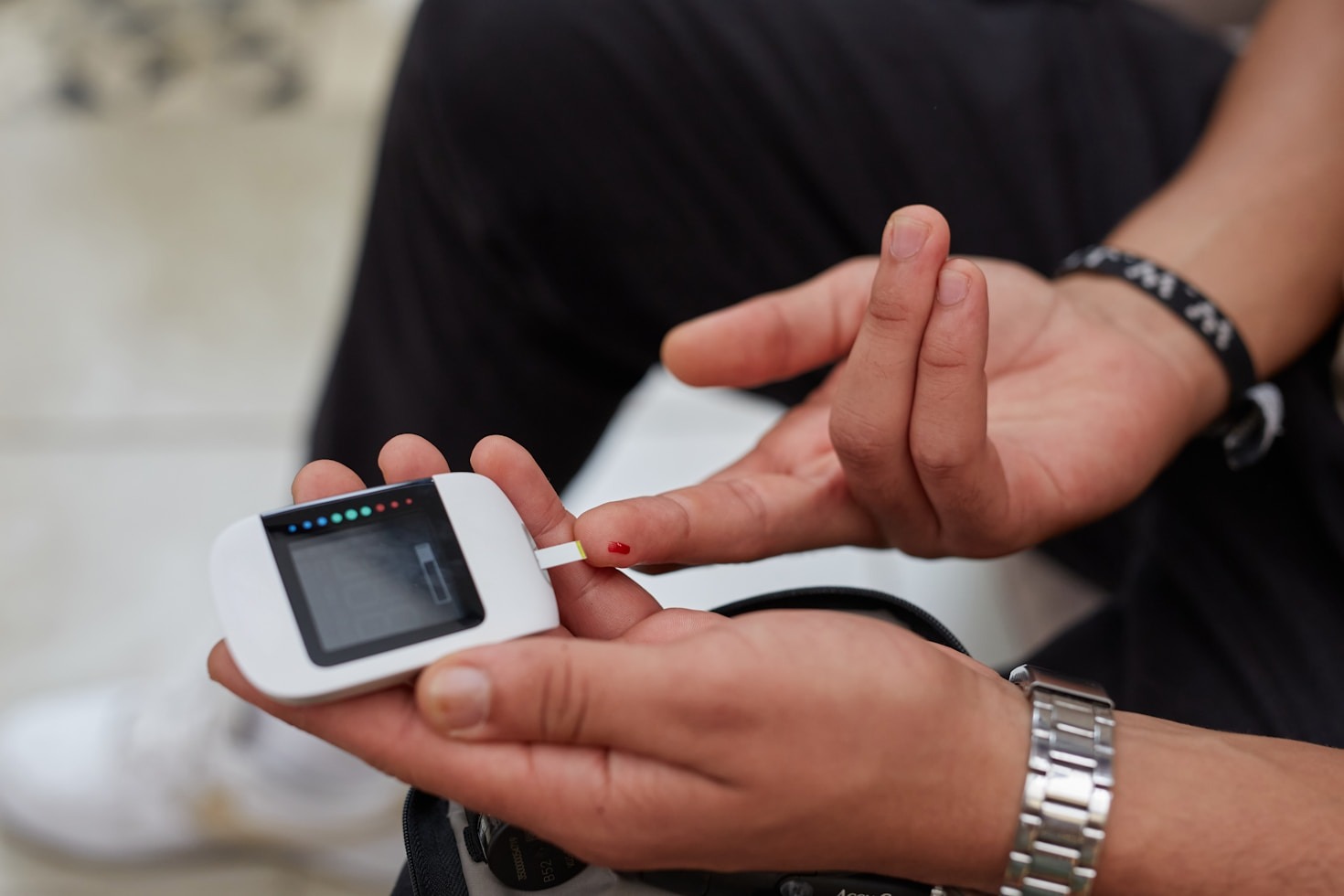
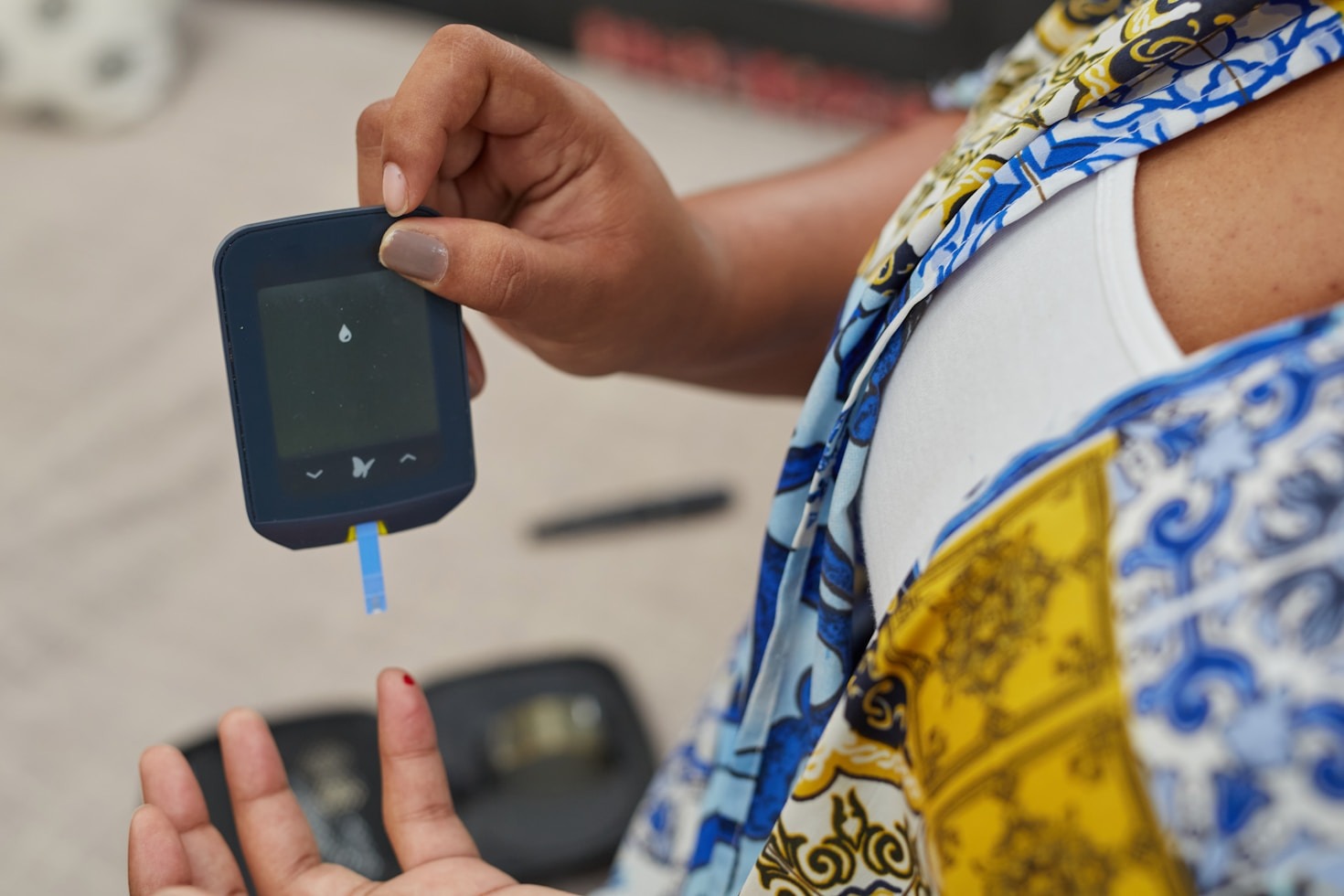
Did you know that your blood sugar levels can significantly affect your mood? When blood sugar dips too low, you might experience irritability, fatigue, or anxiety. This is often referred to as “hanger”—that feeling of irritability that comes along with hunger.
Blood sugar imbalances can also lead to mood swings. If you often feel tired or anxious, it might be related to your blood sugar levels. By stabilizing your blood sugar, you can improve your overall mood and energy levels.
Signs You Might Have Blood Sugar Imbalance
Being aware of the signs of blood sugar imbalance is crucial. Here are some symptoms to watch for:
Frequent Cravings: If you’re constantly craving sweets or carbs, it may indicate fluctuating blood sugar levels.
Fatigue: Low energy or feeling tired after meals can signal a blood sugar crash.
Mood Swings: Sudden irritability or anxious feelings may be linked to blood sugar dips.
Difficulty Concentrating: Brain fog or trouble focusing can occur with imbalanced blood sugar.
Lifestyle Changes to Reduce Stress
Making small, consistent lifestyle changes can help reduce stress. Here are some effective strategies:
Establish a Routine: Having a daily schedule can create a sense of control.
Practice Saying No: Learn to set boundaries and protect your time.
Pursue Enjoyable Hobbies: Allocate time for activities you love, whether that’s reading, gardening, or crafting.
Get Adequate Sleep: Prioritize rest to help your body recover from daily stress.
Foods That Help Stabilize Blood Sugar
What you eat plays a big role in managing blood sugar levels. Here are some foods that can help:
Whole Grains: Foods like quinoa, oats, and brown rice release energy slowly.
Healthy Fats: Avocados, nuts, and olive oil can help keep your blood sugar stable.
Lean Proteins: Foods like chicken, fish, and beans provide lasting energy without spiking blood sugar.
Fruits and Vegetables: These are not only packed with nutrients but also offer fiber to regulate blood sugar.
Mindfulness Techniques for Stress Relief
Practicing mindfulness can be a powerful tool for managing stress. Here are some techniques you might find helpful:
Deep Breathing: Take a moment to breathe deeply. Inhale for four counts, hold for four, and exhale for six.
Grounding Exercises: Use your senses to connect with the present moment, such as noticing the feel of your feet on the ground.
Journaling: Write down your thoughts and feelings. This can help clarify your emotions and reduce anxiety.
Meditation: Taking a few minutes each day to meditate can calm your mind and lessen stress levels.
The Role of Exercise in Balancing Blood Sugar
Exercise is not just about staying fit; it plays a crucial role in maintaining balanced blood sugar levels. Regular physical activity can help:
Regulate Insulin: Exercise enhances your body’s sensitivity to insulin.
Boost Mood: Physical activity releases endorphins, helping you feel happier and more balanced.
Increase Energy: Regular movement can improve your overall energy levels.
Building a Supportive Community
No one should navigate stress and health challenges alone. Building a supportive community can provide emotional backing. Here’s how:
Connect with Friends: Reach out to friends and family who can support you through tough times.
Join Local Groups: Look for community groups or online forums where you can share experiences and advice.
Seek Professional Guidance: Sometimes, reconnecting with a therapist or coach can provide valuable insights and support.
Simple Daily Habits for Lasting Change
Making small changes can add up to significant improvements in your wellbeing. Here are some habits to incorporate:
Stay Hydrated: Drinking enough water helps your body function better overall.
Limit Caffeine: Reducing caffeine can help prevent jitteriness and anxiety.
Practice Gratitude: Each day, write down three things you’re grateful for to shift your focus to positive aspects of life.
Your Journey to Wellness Starts Today
Remember, it’s absolutely possible to improve your symptoms of stress and blood sugar imbalance. Many women just like you have taken the first step and have seen significant changes in their lives by following simple, actionable methods. You can too! Embrace this journey with an open heart and mind, and know that every small step counts. Discover the solutions that await you by accessing the link above!