Managing blood sugar levels can be challenging for many adults, especially for women over 30 facing daily struggles like fatigue and anxiety. Blood sugar survival guide for adults at any stage is essential for improving overall health and vitality. Understanding how to balance your blood sugar can lead to feeling more energetic and present in your daily life. Join the journey to discover practical tips and emotional support tailored to your needs, so you can thrive.
Understanding Blood Sugar Levels
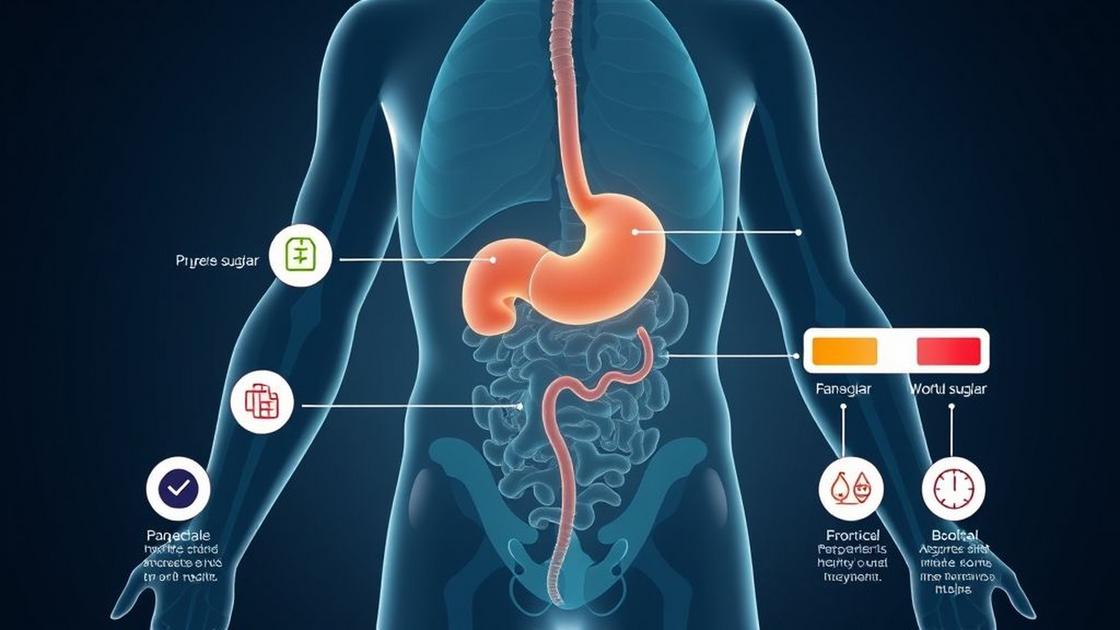
Blood sugar, or glucose, is the primary source of energy for our bodies. Just like a car needs gasoline, our bodies need glucose to function well. When we eat, our body converts food into sugar, which then enters our bloodstream. This process is tightly regulated by insulin, a hormone made by the pancreas. Understanding how blood sugar levels work is crucial for adults at any stage in life.
Normal blood sugar levels usually range between 70 and 130 mg/dL before eating and below 180 mg/dL two hours after eating. When levels climb too high (hyperglycemia), it can lead to various health issues, while levels that drop too low (hypoglycemia) can also be dangerous. This delicate balance can be disrupted by various factors such as diet, stress, sleep, and exercise.
Common Symptoms of Imbalanced Blood Sugar
Many adults experience symptoms of imbalanced blood sugar without realizing it. Here are some signs to watch for:
Fatigue: Feeling unusually tired or lethargic may indicate blood sugar issues.
Frequent hunger: If you find yourself hungry soon after meals, it might be due to blood sugar spikes and crashes.
Dark patches of skin: Known as acanthosis nigricans, these may signify insulin resistance.
Confusion or brain fog: Inability to focus can often stem from fluctuating blood sugar levels.
Cravings: Sudden cravings for sugary or carb-loaded foods might signal a blood sugar problem.
Recognizing these symptoms can empower you to make the necessary changes that could improve your health and well-being.
The Role of Diet in Blood Sugar Management
Your diet plays a significant role in managing blood sugar levels. Making smart food choices can help stabilize these levels. Here are some dietary tips:
Choose whole grains: Foods like brown rice, quinoa, and whole-grain bread have a lower glycemic index and can help maintain stable blood sugar.
Incorporate healthy fats: Avocados, nuts, and olive oil can improve insulin sensitivity.
Eat fiber-rich foods: Fruits, vegetables, and legumes can slow down sugar absorption.
Limit sugary foods: Try to reduce the intake of refined sugars and desserts.
Stay Hydrated: Drink plenty of water as it helps in the overall regulation of sugar levels in the body.
Keeping your meals balanced with proteins, carbohydrates, and fats can also help you feel full longer and reduce cravings.
Exercise: A Key Player in Blood Sugar Control
Physical activity can be a game changer when it comes to blood sugar management. Regular exercise improves insulin sensitivity and helps your body utilize glucose more efficiently. Here are some types of exercises that can help:
Aerobic activity: Activities like walking, cycling, or swimming can significantly improve blood sugar levels.
Strength training: Building muscle through weight lifting or body-weight exercises can enhance your metabolic rate and decrease insulin resistance.
Flexibility exercises: Stretching and yoga can also help reduce stress, which is beneficial for blood sugar control.
Find activities that you enjoy to make it easier to incorporate exercise into your daily routine. Remember, even a short 20-minute walk can make a positive difference!
Stress and Its Impact on Blood Sugar
Stress can wreak havoc on your blood sugar levels. When you’re stressed, your body releases hormones like cortisol and adrenaline that can cause blood sugar to rise. Managing stress is therefore crucial for maintaining healthy levels. Here are some effective stress-reduction techniques:
Meditation: Taking time to meditate or practice mindfulness can provide significant relief.
Deep breathing exercises: Simple breathing techniques can help lower stress and, in turn, blood sugar.
Quality sleep: Aiming for 7-9 hours of sleep each night is essential for hormonal balance.
By finding healthy ways to manage stress, you may notice a positive impact on your energy levels and emotional well-being.
Natural Supplements for Blood Sugar Support
Some natural supplements may also aid in maintaining balanced blood sugar levels. However, always consult with a healthcare provider before starting any new supplement. Some options include:
Cinnamon: This spice can improve insulin sensitivity and lower fasting blood sugar levels.
Chromium: A mineral that may enhance insulin action in the body.
Alpha-lipoic acid: An antioxidant that has been shown to improve insulin sensitivity.
Using holistic approaches alongside your diet and lifestyle can enhance your blood sugar management journey!
Building a Supportive Community
You don’t have to do this alone. Surrounding yourself with a supportive community can make a huge difference. Consider:
Joining a local support group: Meeting with others who are navigating similar challenges can provide encouragement.
Engaging with online forums: These can be a great way to share experiences and learn from others.
Friends and family: Lean on loved ones for emotional support.
When we share our struggles and victories, it helps lighten the load and brings a sense of connection.
Creating Healthy Habits for Lifelong Wellness
Creating habits that support blood sugar balance is essential for long-term health. Here are some small, manageable habits:
Meal prepping: Preparing healthy meals in advance can help resist the temptation of unhealthy fast food.
Daily routines: Establishing a regular eating and exercise schedule can regulate your body’s rhythms.
Mindful eating: Taking time to savor your food can improve digestion and help avoid over-eating.
Each small step contributes to significant change over time. Remember, you are in control of your health journey.
How to Monitor Your Blood Sugar Effectively
Monitoring your blood sugar can be easy with the right tools. You might consider:
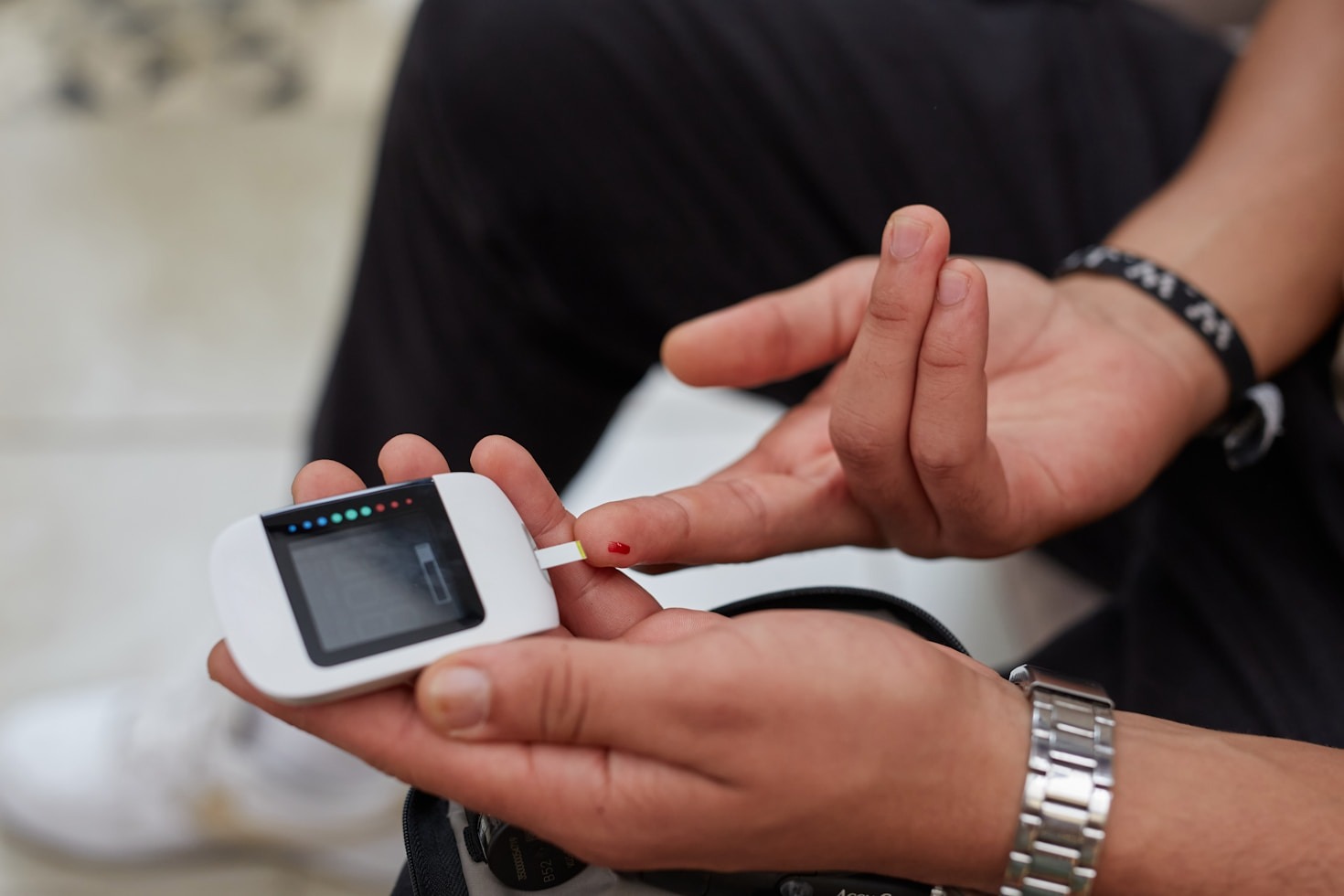
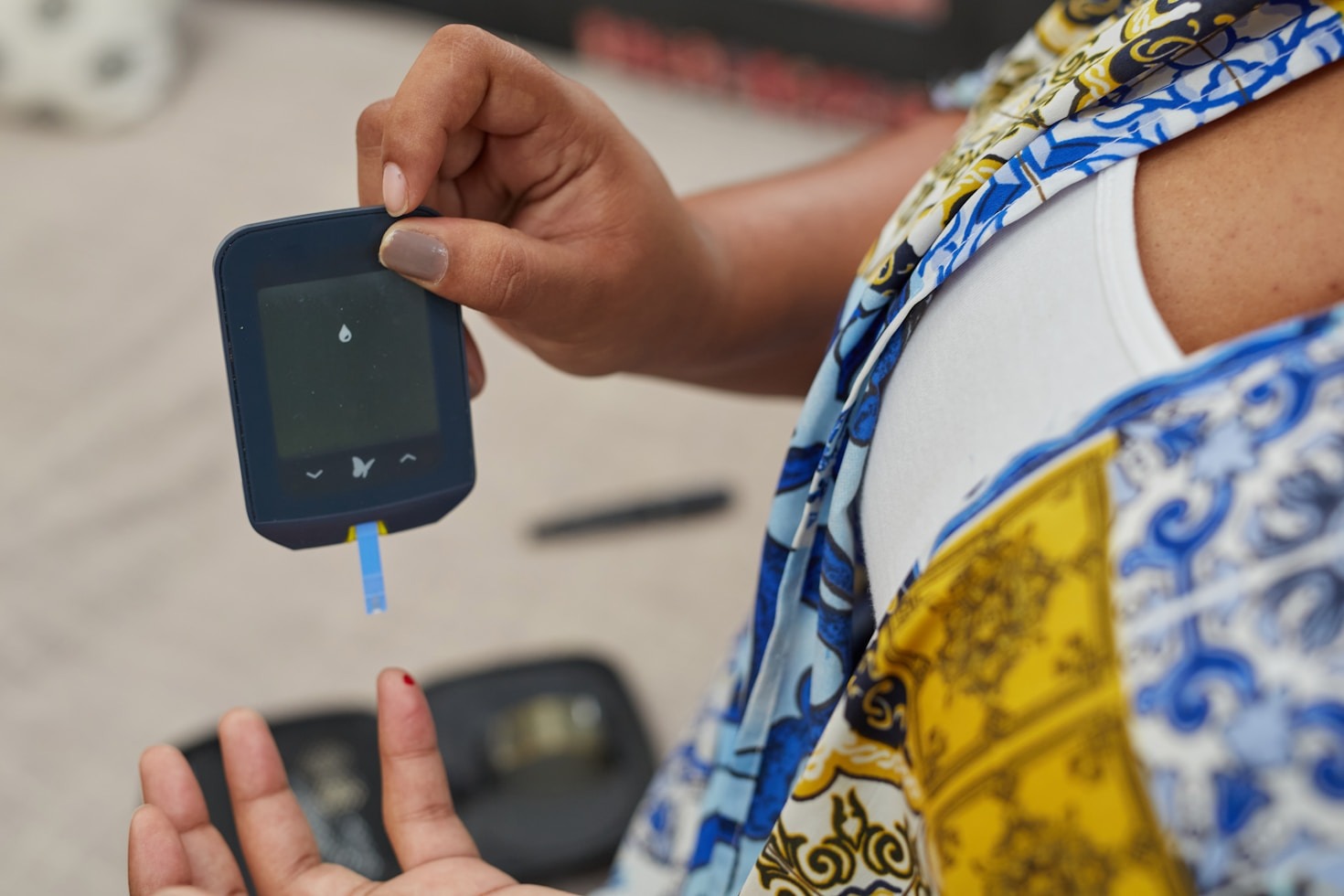
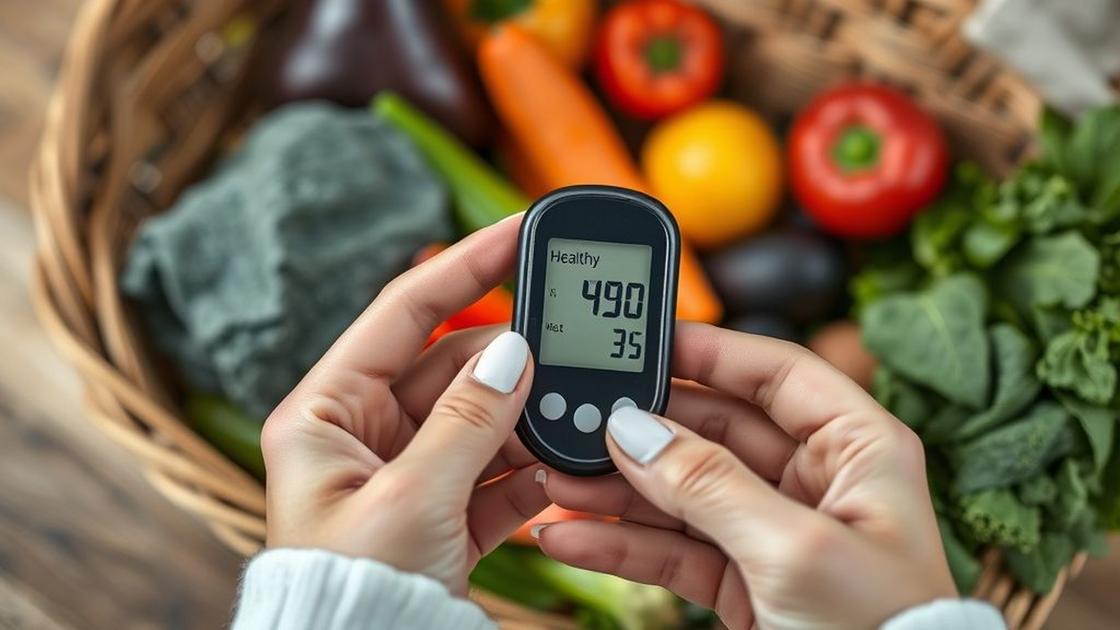
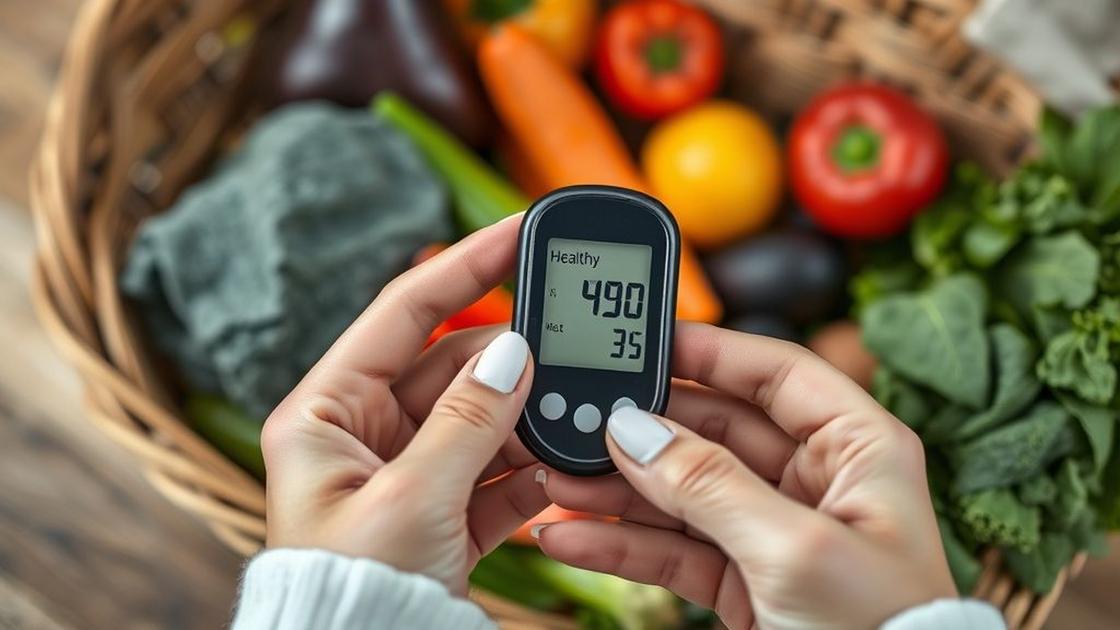
Blood glucose meters: These devices allow you to check your levels at home. They are essential for diabetics and helpful for anyone interested in blood sugar management.
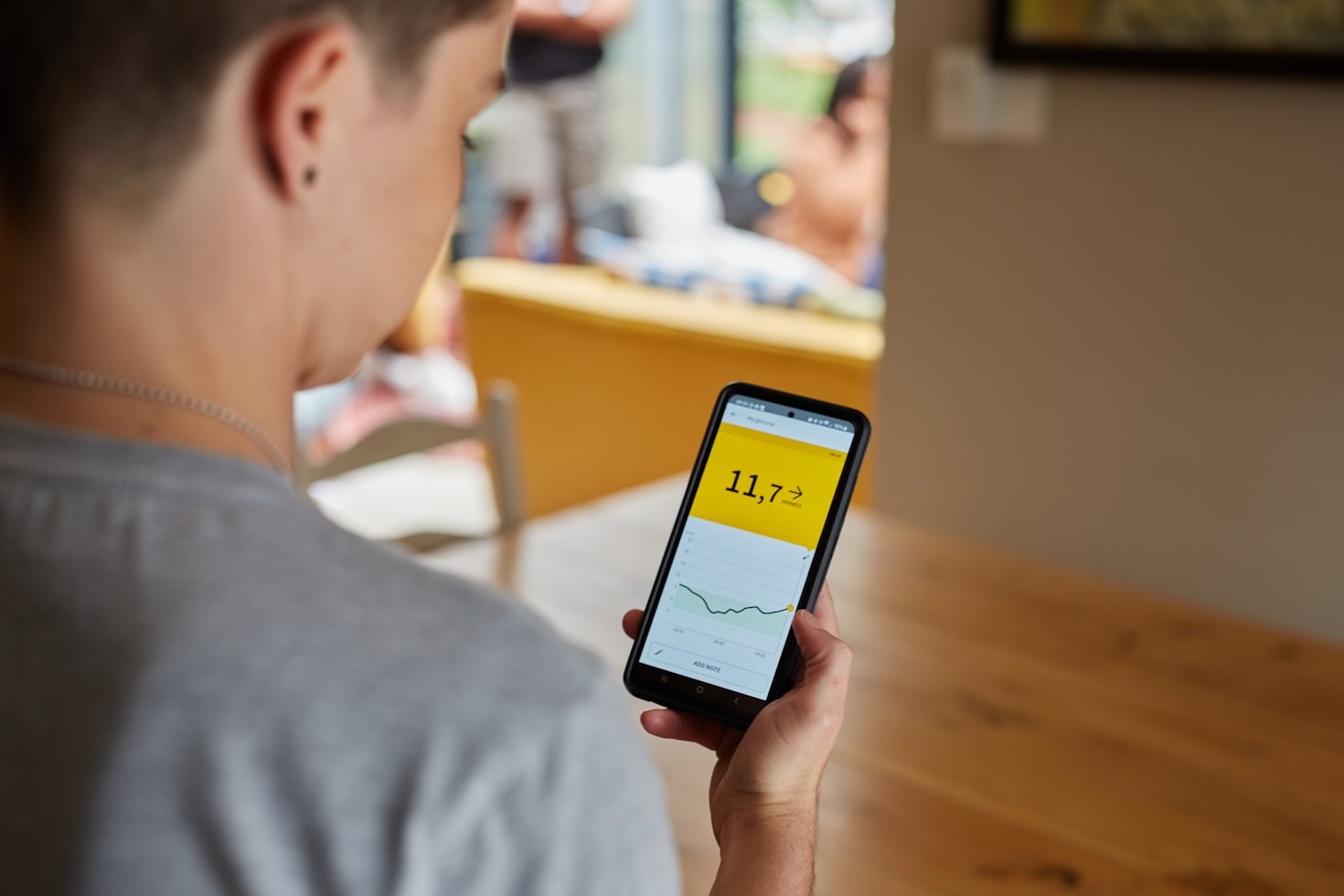
Continuous glucose monitors (CGMs): These provide real-time readings throughout the day, helping you see how food and activity affect your levels.
Journaling: Keeping track of your food intake, feelings, and blood sugar levels can help identify patterns.
Understanding your numbers can empower you to make informed decisions about your lifestyle.
A Step-by-Step Method for Improvement
Improving your blood sugar control doesn’t have to be daunting. Here’s a simple step-by-step method:
Start by assessing your current habits.
Set small, actionable goals.
Incorporate one new healthy habit at a time.
Monitor your progress and adjust as needed.
Celebrate your successes, no matter how small!
Remember, you are not alone on this journey. Many women have faced similar challenges and emerged stronger by making gradual changes. With determination and the right support, you can enhance your well-being and reclaim your energy. It’s possible to overcome symptoms of fatigue, insomnia, and other frustrations you may be experiencing. Take courage and explore this simple step-by-step method; you’ll be amazed by what you can achieve!