
Are you feeling fatigued, battling with mood swings, or struggling with cravings? Daily routines to support natural glucose control can be your secret weapon. Many women over 30 understand the frustration of trying to manage energy levels, mood, and health. By incorporating simple, effective practices into your daily life, you can start to feel more balanced and energized. In this post, we’ll explore how establishing consistent routines can make a meaningful difference in your journey toward better health.
Understanding the Basics of Glucose Control
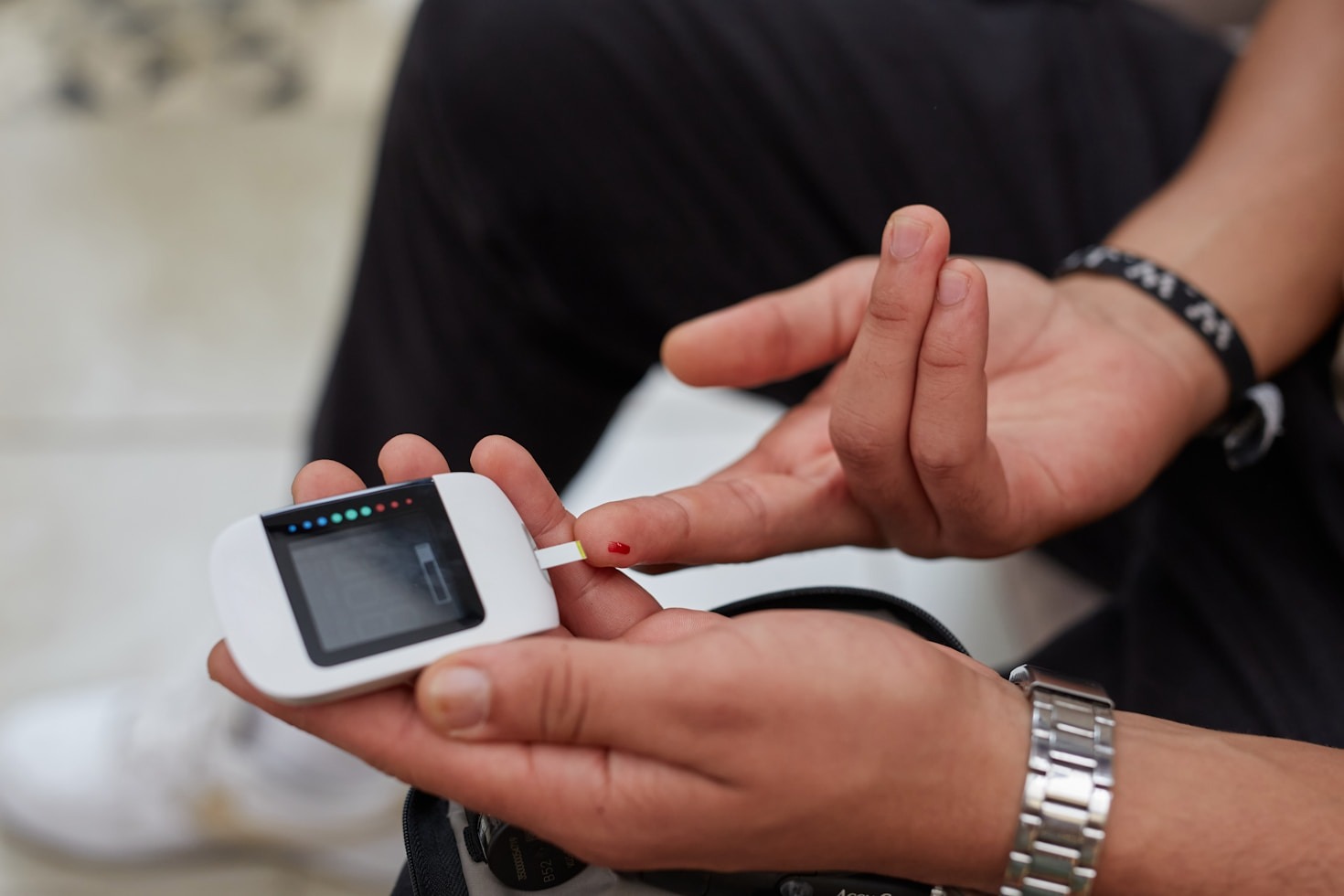
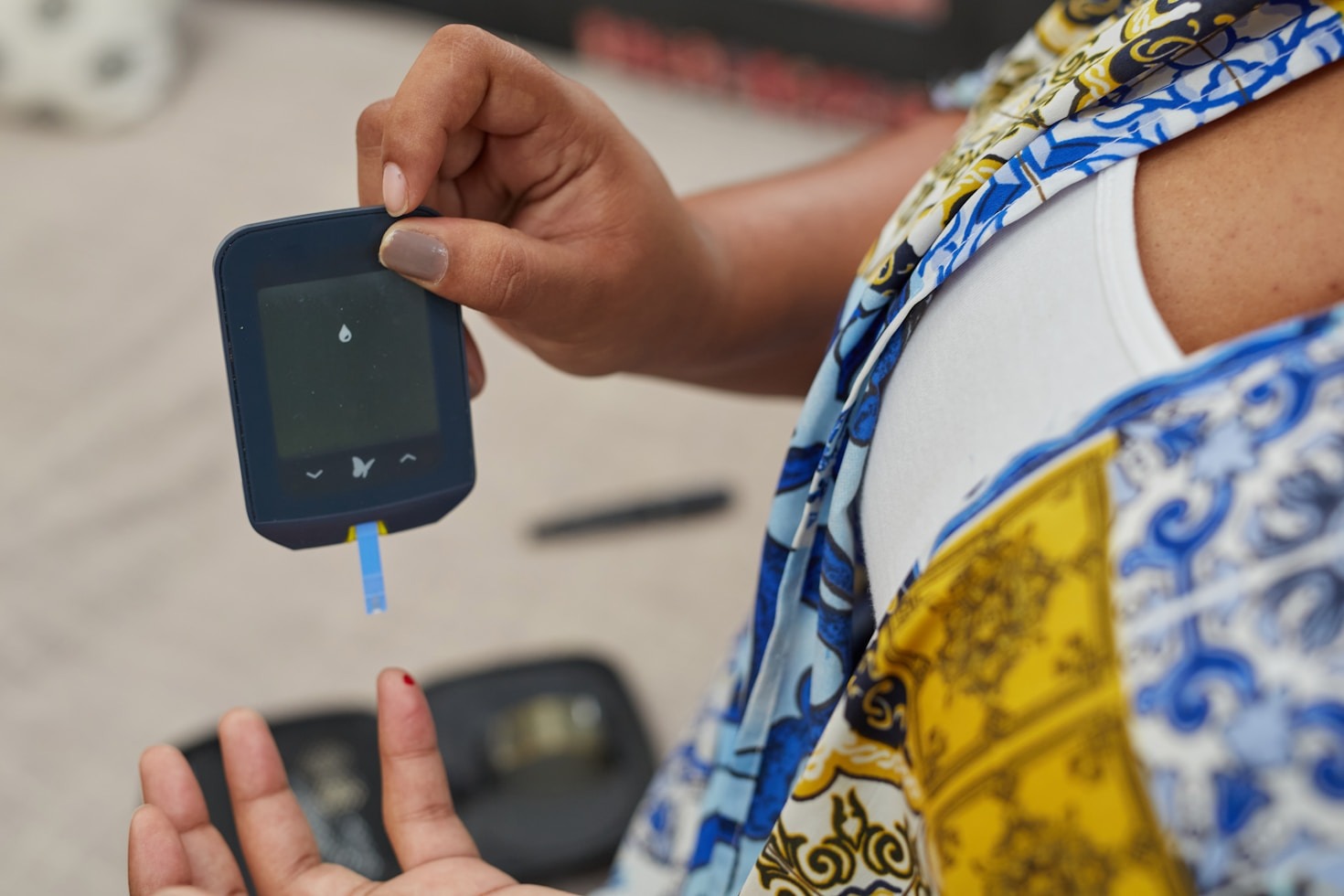
Glucose control is essential for our overall health and well-being. It involves maintaining stable blood sugar levels to avoid sudden spikes and drops. Many women over 30 experience fluctuations in their energy levels, which can be tied to glucose management. When glucose levels are balanced, you feel more energetic, focused, and ready to tackle the day.
Glucose is the primary energy source for the body’s cells, and it comes from the foods we eat. Understanding how your body processes glucose is the first step toward better control. Insulin, a hormone produced by the pancreas, helps cells take in glucose. When everything works smoothly, your body maintains balanced glucose levels. However, issues can arise from poor dietary choices, sedentary lifestyles, and stress.
How Daily Routines Impact Your Energy Levels
Your daily routines significantly influence your energy levels. Regular patterns can regulate your body’s natural rhythms, making it easier to manage glucose. Incorporating simple, wholesome habits can enhance your energy, especially if you’re experiencing fatigue or hormonal imbalances.
Consider how you begin each day. Is it with a hurried breakfast or skipping meals? Stressful mornings can lead to unstable glucose levels throughout the day. Establishing a morning routine that includes nutritious foods and a little time for yourself can make a big difference.
- Wake up early to have time for yourself.
- Incorporate stretching or light movement.
- Enjoy a balanced breakfast to kickstart your metabolism.
Simple Changes for a Healthier Breakfast
Breakfast is often called the most important meal of the day, and for good reason! What you eat in the morning sets the tone for your energy and glucose levels throughout the day. If you find yourself reaching for sugary cereals or pastries, consider making a few simple changes.
Choose foods that are high in fiber and protein. These choices will keep you fuller for longer and help stabilize your blood sugar. Here are some suggestions:
- Oatmeal: Top it with nuts and berries.
- Greek yogurt: Add a sprinkle of flaxseed and fresh fruit.
- Smoothies: Blend vegetables, fruits, and a protein source like nut butter.
Making these simple changes can provide a gentle start to your day, helping to manage stress and cravings.
The Role of Movement in Glucose Management
Physical activity is incredibly important for maintaining healthy glucose levels. It helps your body use insulin more efficiently, which can lead to more stable energy levels. You don’t need an intense workout regimen to reap the benefits; moderate movement is effective too.
Consider integrating small bursts of activity into your routines:
- Take the stairs instead of the elevator.
- Park further away from your destination to add extra steps.
- Practice yoga or go for a walk during your lunch break.
Whatever movement you choose, it’s essential to find joy in it. This not only makes it sustainable but also helps reduce stress and improve mood.
Mindfulness Practices for Emotional Stability
Emotional stability plays a crucial role in managing glucose levels. Stress and anxiety can lead to unhealthy eating habits and disrupted sleep, both of which affect glucose control. Practicing mindfulness can help you become more aware of your emotions and their impacts.
Incorporate mindfulness into your daily routine:
- Morning meditation: Start your day with deep breathing exercises.
- Gratitude journaling: Write down things you are thankful for.
- Evening reflections: Assess how your day went and what you might change.
By centering yourself, you can approach challenges with clarity, reducing the chances of reactive emotional eating.
Creating a Balanced Meal Plan for Steady Energy
Having a balanced meal plan can dramatically improve your ability to manage glucose levels. When meals contain the right combination of macronutrients, your body can maintain steady energy throughout the day. Aim for a mix of carbohydrates, proteins, and healthy fats.
Plan your meals with these components:
- Incorporate whole grains instead of refined carbohydrates.
- Choose lean proteins like chicken, fish, beans, and legumes.
- Include healthy fats from sources like avocados and nuts.
Try meal prepping on weekends, so you’re not left scrambling for unhealthy options during busy weekdays. This reduces stress and helps you stick to your health goals.
Hydration: The Forgotten Key to Glucose Control
Staying hydrated is essential for everyone, but it can often be overlooked, especially amidst busy schedules. Dehydration can lead to fluctuations in energy and even cravings that might cause spikes in blood sugar levels.
To ensure you’re getting enough fluids, remember to:
- Drink water regularly throughout the day.
- Add a slice of lemon or cucumber for a refreshing twist.
- Monitor your hydration by checking the color of your urine—aim for light yellow.
Sometimes, when you feel tired or unfocused, a glass of water might be all you need.
The Importance of Sleep in Managing Glucose
Quality sleep is often underestimated when it comes to health. Poor sleep can increase stress hormones, leading to blood sugar spikes and sugar cravings. Therefore, prioritizing rest is crucial for women facing fatigue or hormonal imbalances.
Here are some tips for improving your sleep quality:
- Create a consistent sleep schedule; go to bed and wake up at the same time.
- Establish a calming bedtime routine, like reading or taking a warm bath.
- Limit screen time at least an hour before sleep to avoid blue light disruption.
Good sleep hygiene can restore your energy and help regulate your glucose levels, helping you feel more in control of your day.
Building Supportive Communities for Health
Having a support system is vital in managing health changes. Connecting with others who share similar journeys can provide motivation and encouragement. This is especially important for women over 30, who may encounter pressures and challenges that feel isolating.
Consider these ways to build your community:
- Join local fitness classes or online groups focused on health.
- Start a health-focused book club with friends.
- Engage in social media communities that align with your values.
Having a community can inspire you to stay committed to your health goals and remind you that you aren’t alone in your struggles.
Taking Small Steps Towards Big Changes
Change doesn’t have to be overwhelming. Small, consistent actions can lead to significant improvements in your glucose control and overall well-being. You might be facing fatigue, anxiety, or other challenges, but remember, you have the power to transform your routine.
Begin with one small adjustment at a time, whether it’s choosing a healthier breakfast or adding an extra cup of water each day. Celebrate these small wins—they pave the way for larger changes that will help you feel more vibrant and in control.
Following a simple step-by-step method can make it possible to address the symptoms and challenges you face. Like many women have done before you, exploring small, manageable changes can lead to remarkable transformations in your health and energy levels. Now is the time to take that step and uncover the positive changes waiting for you!
This paragraph serves as an introduction to your blog post. Begin by discussing the primary theme or topic that you Read more

This paragraph serves as an introduction to your blog post. Begin by discussing the primary theme or topic that you Read more

This paragraph serves as an introduction to your blog post. Begin by discussing the primary theme or topic that you Read more
This paragraph serves as an introduction to your blog post. Begin by discussing the primary theme or topic that you Read more