Are you a woman over 30 who struggles with fatigue, insomnia, and anxiety? You’re not alone. Many women experience these challenges, often feeling overwhelmed by daily pressures and sleep disruptions. Did you know that sleep and stress are two hidden causes of unexpected blood sugar spikes? These spikes can affect your energy levels, mood, and overall health. In this article, we’ll explore how understanding and managing these factors can lead to a healthier lifestyle, helping you regain balance and vitality.
Understanding Blood Sugar Spikes
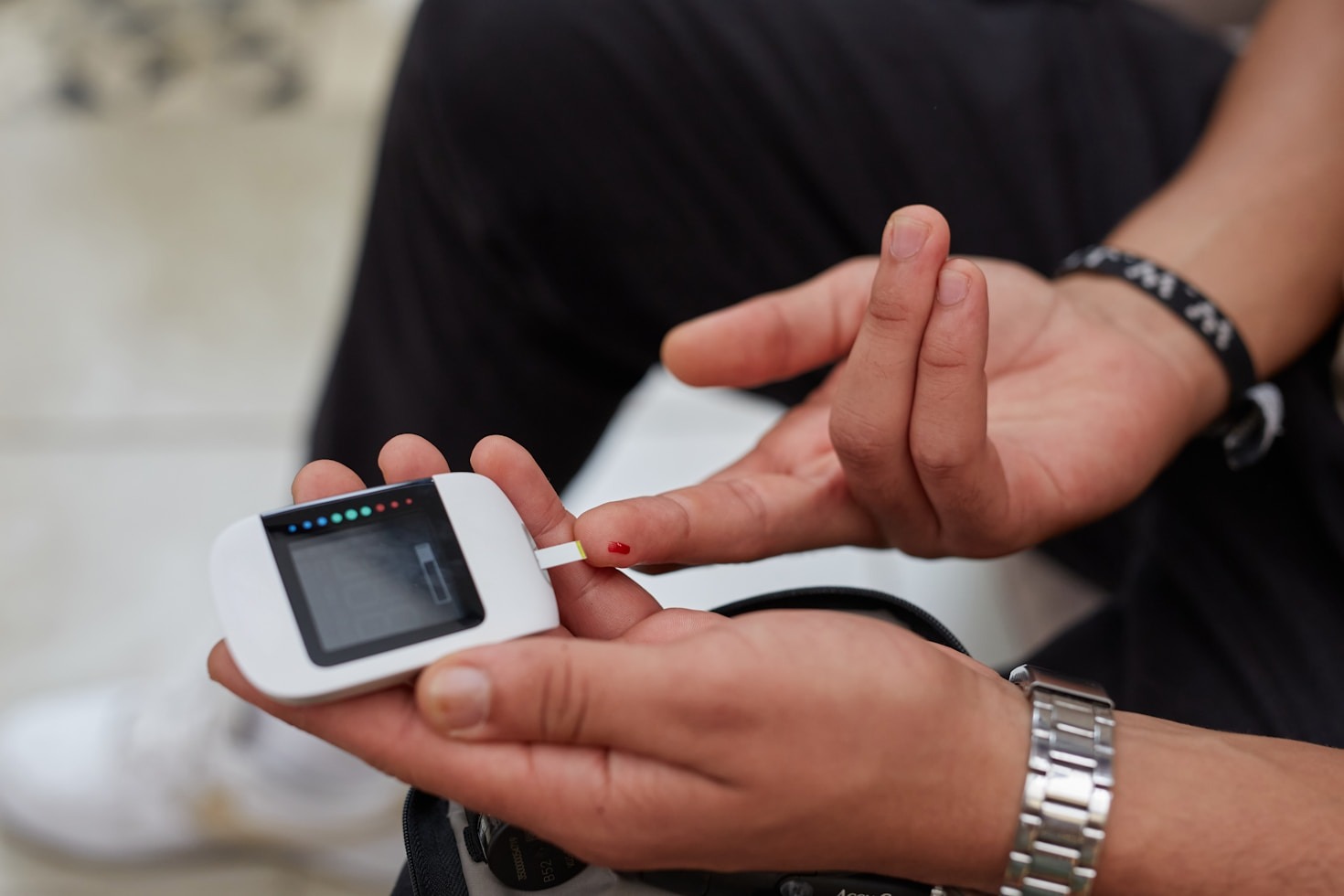
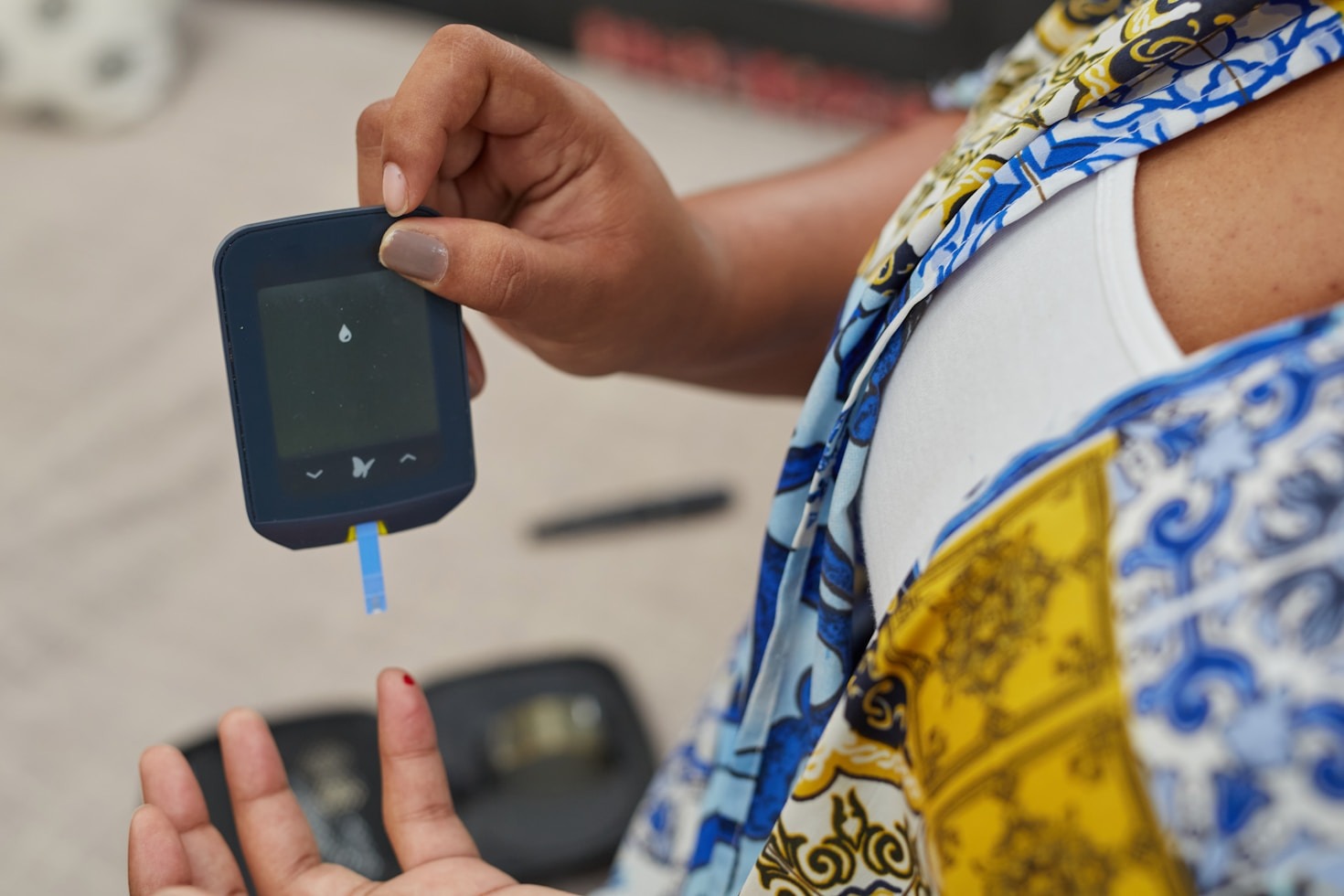
Blood sugar spikes happen when your blood glucose levels rise quickly after eating. This can be especially troublesome for women over 30, who often juggle various responsibilities, from careers to family, while also managing their health. When stress levels are high, your body may react by releasing hormones like cortisol, leading to changes in your blood sugar levels.
It’s essential to understand how these spikes can affect your mood and energy levels. Frequent fluctuations can leave you feeling drained and anxious, which is a frustrating cycle many women know all too well. Instead of helping boost your energy, these spikes may leave you feeling fatigued and craving sugary snacks, creating a vicious cycle that can be difficult to break.
The Connection Between Stress and Blood Sugar
Stress triggers a cascade of responses in your body. When you’re under pressure, your body releases glucagon and adrenaline, which can raise blood sugar levels. For many women, this can feel like an emotional rollercoaster, where stress leads to cravings, and cravings lead to unhealthy eating.
Stress can also impact your ability to make sound dietary choices. Instead of opting for a healthy salad, you might find yourself reaching for convenience foods or sugary treats. It’s not just about emotional stress, but also the stress of juggling daily tasks and responsibilities that can create this scenario. Recognizing this connection is a vital step toward achieving better balance in your life.
How Sleep Quality Affects Your Health
Many women, especially those with demanding careers or family responsibilities, often sacrifice sleep. Poor sleep is linked to a variety of health issues, including weight gain, fatigue, and elevated blood sugar levels. Studies show that lack of quality sleep affects insulin sensitivity, leading to higher blood sugar levels.
Have you ever noticed how you feel after a night of restless sleep? Perhaps you woke up groggy, irritable, and with cravings for sugary or comfort foods. It’s because sleep directly influences your hormones, appetite, and overall health. Prioritizing sleep may sound simple, but it can be a challenging task for many.
Why Women Are More Susceptible
Women often face unique challenges when it comes to managing stress and sleep. Hormonal fluctuations, particularly during menstruation, pregnancy, or menopause, can greatly impact mood and energy levels. This makes you more susceptible to stress and its effects on your blood sugar.
Additionally, societal expectations to balance multiple roles can lead to chronic stress, further complicating your quest for stability in blood sugar levels. Understanding these factors can help empower you to take control of your health.
Signs of Stress and Poor Sleep
Being aware of the signs of stress and inadequate sleep is crucial. Here are some common indicators:
- Fatigue: Constantly feeling tired even after a full night’s sleep.
- Mood Swings: Experiencing emotional ups and downs that feel out of control.
- Cravings: An overwhelming desire for sugar or high-carb foods.
- Difficulty Concentrating: Struggling to focus on tasks or feeling forgetful.
- Insomnia: Trouble falling asleep or staying asleep through the night.
Recognizing these signs can help you make the necessary changes in your routine to address the root causes instead of merely managing symptoms. It can feel overwhelming, but remember you’re not alone in this journey.
Simple Steps to Manage Stress
Managing stress doesn’t have to feel daunting. Here are some practical steps to consider:
- Mindfulness and Meditation: Even a few minutes of mindfulness each day can reduce stress and elevate your mood.
- Deep Breathing: Simple breathing exercises can help calm your nervous system and reduce anxiety.
- Journaling: Writing down your thoughts and feelings can provide an outlet for stress and help clarify your emotions.
- Supportive Network: Engage with friends and family who understand your challenges—talking can be therapeutic.
Taking small steps can lead to significant improvements over time. Celebrating these small victories is critical in maintaining your motivation.
Improving Sleep Hygiene for Better Health
Enhancing your sleep hygiene can be transformative. Here are some ways to create a better sleep environment:
- Consistent Sleep Schedule: Go to bed and wake up at the same time every day, even on weekends.
- Limit Screen Time: Reduce exposure to screens at least an hour before bed to improve melatonin production.
- Calming Rituals: Establish a bedtime routine, such as reading or meditative practices, to signal to your body it’s time to unwind.
- Comfortable Sleep Environment: Ensure your bedroom is cool, dark, and comfortable—these factors play a significant role in sleep quality.
Making these adjustments might seem manageable initially but can greatly improve how you sleep and, in turn, your overall well-being.
Foods That Help Stabilize Blood Sugar
Your diet plays a critical role in managing blood sugar levels. Here are some foods that can help:
- Whole Grains: Foods like brown rice or quinoa provide steady energy and help keep blood sugar stable.
- Leafy Greens: Vegetables like spinach and kale are low in calories but high in nutrients.
- Healthy Fats: Avocados and nuts can provide satisfaction that helps ward off hunger.
- High-Fiber Foods: Foods rich in fiber, such as legumes and vegetables, can slow digestion and reduce spikes in blood sugar.
Including these items in your meals can create a more balanced diet, helping you feel more energized throughout the day.
The Role of Exercise in Stress Reduction
Physical activity is a powerful stress reliever. Regular exercise can help reduce anxiety and improve your mood by releasing endorphins. Here are some tips for incorporating exercise into your routine:
- Find Activities You Enjoy: Whether it’s dancing, swimming, or walking in nature, enjoy moving your body.
- Set Realistic Goals: Start with small, achievable goals to build up your confidence and momentum.
- Stay Consistent: Try to dedicate a little time each day or week—consistency is key to seeing benefits.
Even short bursts of activity can contribute significantly to your stress levels and overall health.
A Holistic Approach to Wellness
Taking a holistic view of your well-being can make a difference. This means addressing your mental, emotional, and physical health all at once. Many women have found success in balancing blood sugar, improving sleep, and managing stress by adapting a whole-person approach to wellness. This includes:
- Nourishing the Body: Prioritize nutrition, focusing on whole, unprocessed foods that fuel your body.
- Mindful Living: Engage in mindfulness practices to stay connected with yourself and your needs.
- Community Support: Seek connection with others who share similar challenges and journeys.
It’s a journey one step at a time, and each person may find their unique combination of strategies that work best for them. Just like many women before you, it’s possible to improve these symptoms and challenges by following a simple step-by-step method. Embrace this journey and discover your path to wellness—you are not alone, and with the right guidance, you can thrive!
This paragraph serves as an introduction to your blog post. Begin by discussing the primary theme or topic that you Read more

This paragraph serves as an introduction to your blog post. Begin by discussing the primary theme or topic that you Read more

This paragraph serves as an introduction to your blog post. Begin by discussing the primary theme or topic that you Read more
This paragraph serves as an introduction to your blog post. Begin by discussing the primary theme or topic that you Read more