Have you noticed subtle changes in your energy levels, mood swings, or cravings? These could be signs of early glucose imbalance. Many women over 30 silently struggle with these issues, impacting their daily lives. Understanding the symptoms of glucose imbalance can empower you to take charge of your health.
In this article, we will explore the signs to watch out for, how they can affect your well-being, and the steps you can take to bring balance back into your life.
Understanding Glucose Imbalance: What You Need to Know
Glucose imbalance refers to the body’s inability to maintain normal blood sugar levels. This can lead to various health issues, especially for women over 30, as hormonal changes and lifestyle factors come into play. Understanding how your body processes glucose helps you recognize early signs of an imbalance. This awareness can be empowering, allowing you to take proactive steps towards better health.
Glucose, or sugar, is our body’s primary energy source. When we eat, our body breaks down carbohydrates into glucose, which enters the bloodstream. The pancreas produces insulin, a hormone that helps cells absorb glucose. An imbalance occurs when this process goes awry, leading to either too much or too little glucose in the blood.
Women are particularly vulnerable to glucose imbalances due to factors like hormonal shifts during menstruation, pregnancy, and menopause. These fluctuations can influence how the body responds to insulin, making it crucial to understand how these changes affect your well-being.
Recognizing the Symptoms Early in Your Journey
Identifying the early symptoms of glucose imbalance can make a significant difference in managing your health. Here are some common signs to watch out for:
Fatigue: Persistent tiredness that doesn’t improve with rest may indicate a problem.
Increased Thirst: Feeling thirsty even after drinking enough water can be a red flag.
Frequent Urination: Needing to urinate more often is another symptom of glucose issues.
Difficulty Concentrating: Brain fog or trouble focusing can stem from fluctuating blood sugar levels.
Sudden Mood Swings: Irritability or mood changes can indicate glucose fluctuations.
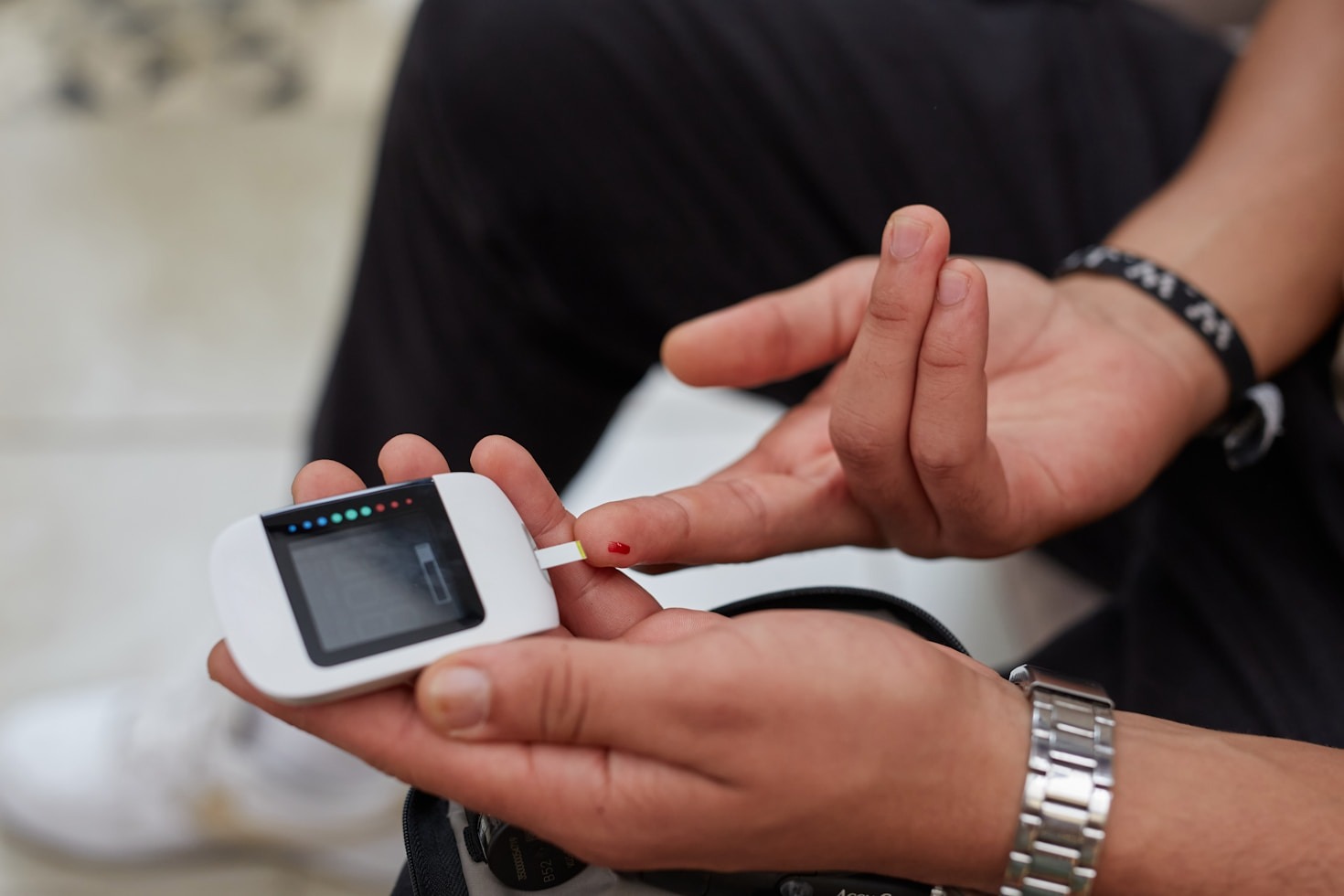
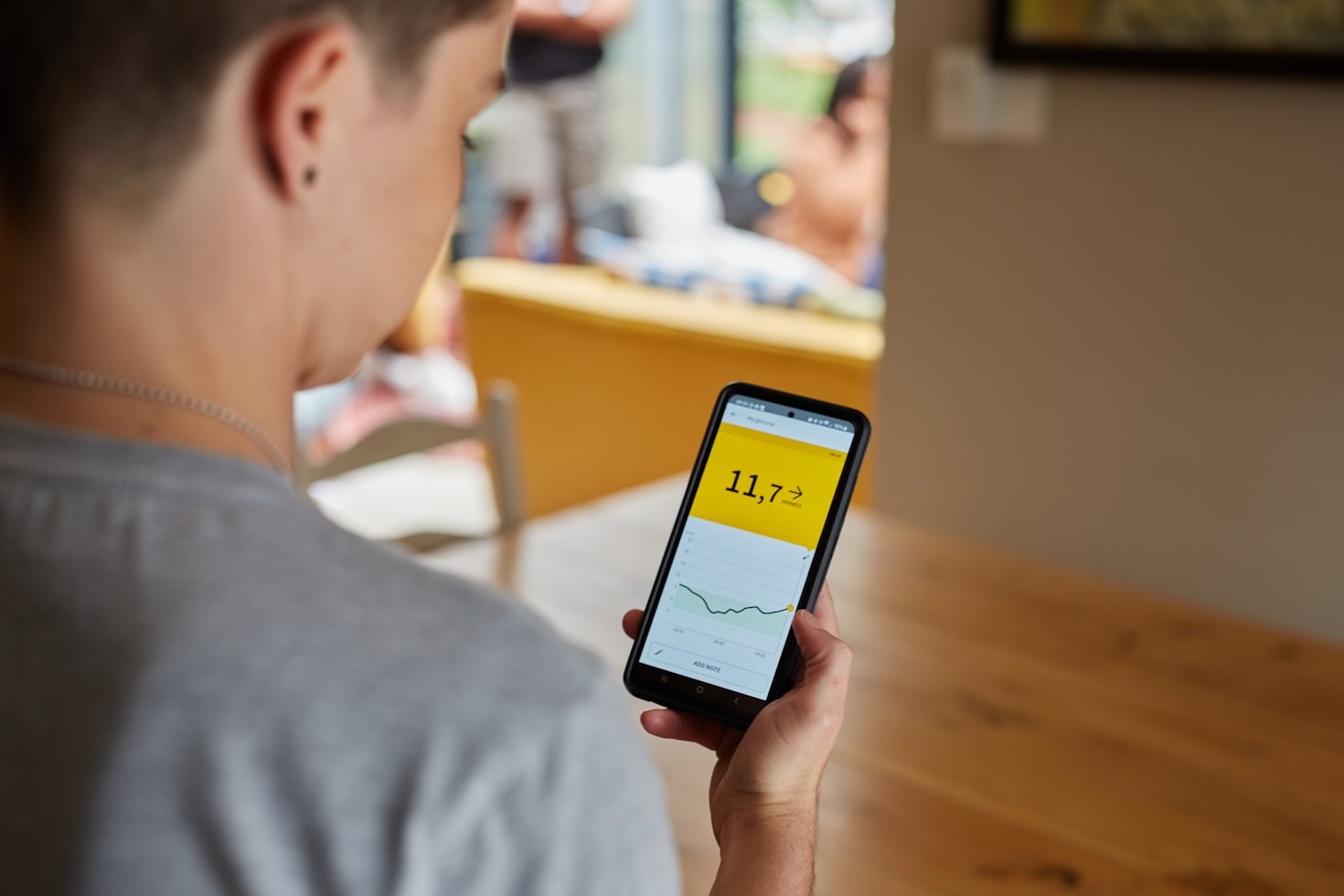
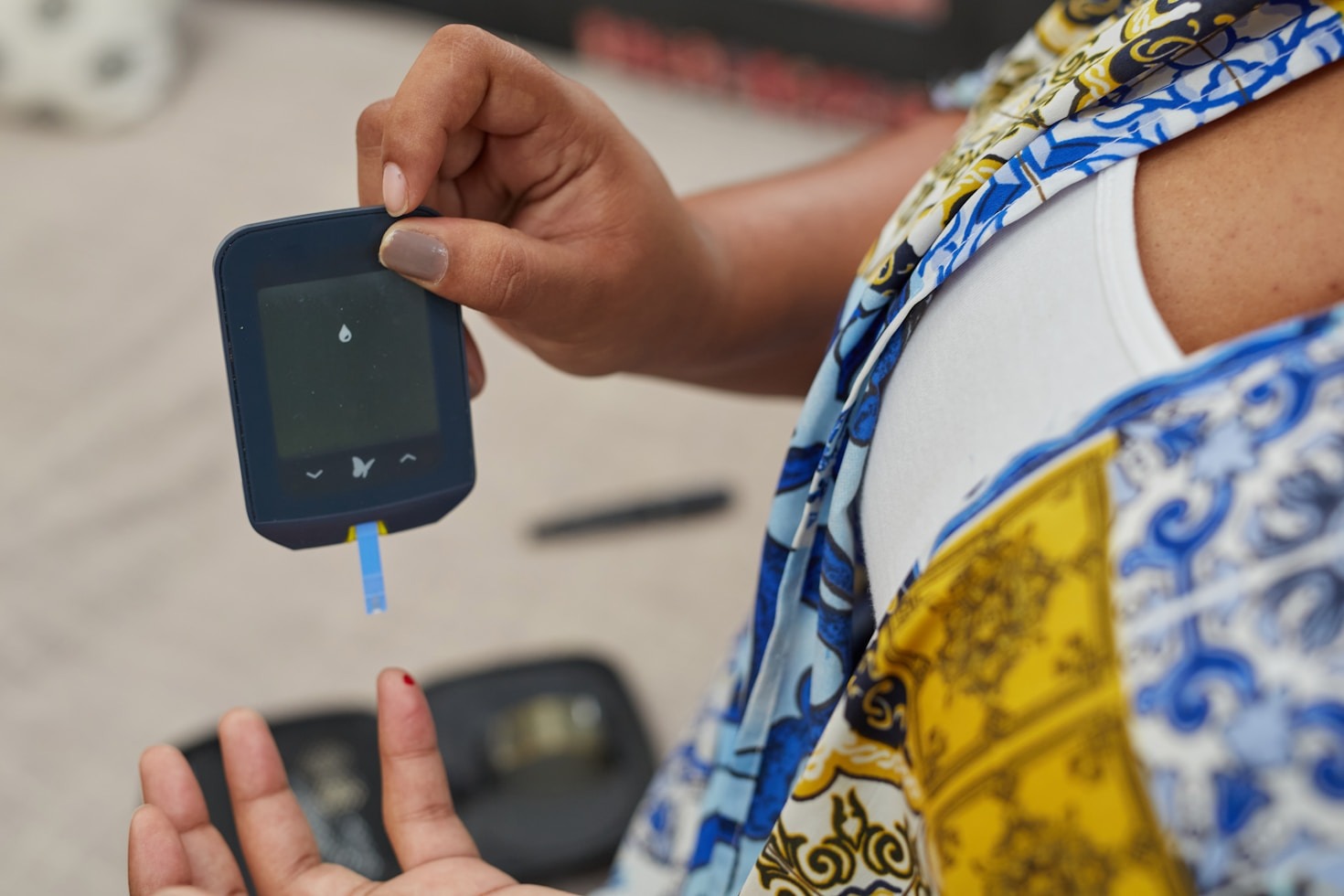
These symptoms can be subtle and easy to dismiss, yet they are important signals from your body. If you find yourself experiencing these signs, consider reaching out for help or finding ways to assess your blood sugar levels.
How Hormonal Changes Play a Role
Hormonal changes can have a profound impact on how your body regulates glucose. For many women, fluctuations in hormone levels, particularly estrogen and progesterone, can alter insulin sensitivity. During different phases of the menstrual cycle, insulin sensitivity can increase or decrease, leading to potential glucose imbalances.
During menopause, estrogen levels drop significantly, which can affect how your body processes sugars. These hormonal changes can result in weight gain, increased cravings, and a higher risk of developing insulin resistance. It’s vital to understand how these hormonal shifts affect your glucose levels to mitigate their impact.
The Connection Between Stress and Blood Sugar Levels
Stress is often an underlying factor for many women dealing with glucose imbalance. When you experience stress, your body releases cortisol, a hormone that raises blood sugar levels. This is a natural response; however, if stress becomes chronic, it can lead to consistently high glucose levels.
Managing stress through techniques like mindfulness, yoga, and deep breathing can help keep your blood sugar levels in check. Women often juggle multiple responsibilities—careers, family, and personal well-being—making stress management even more crucial.
Daily Habits that Contribute to Glucose Imbalance
Several daily habits can unknowingly contribute to glucose imbalances:
Poor Diet: High sugar and processed foods can lead to insulin spikes and crashes.
Skimping on Sleep: Lack of sleep affects hormone regulation, including those related to insulin.
Physical Inactivity: Regular exercise helps the body use insulin effectively, making movement vital.
Skipping Meals: Irregular eating patterns can lead to sudden drops in blood sugar, causing cravings and fatigue.
Identifying and adjusting these habits isn’t just about feeling better; it’s about nurturing yourself holistically. Making small, sustainable changes can lead to significant improvements in your health.
The Emotional Toll of Glucose Imbalance on Women
Glucose imbalance often extends beyond physical symptoms. The emotional toll is real and deserves attention. Women frequently experience anxiety, depression, and increased irritability as a result of fluctuating blood sugar levels. This emotional rollercoaster can be incredibly isolating.
Imagine feeling an overwhelming sense of fatigue, coupled with mood swings that leave you feeling out of control. It’s essential to acknowledge these feelings and remember you are not alone. Many women face similar challenges, and it’s okay to seek help and support.
Nourishing Your Body: Foods to Consider
Food plays a critical role in managing your blood sugar levels. Consider incorporating these nutrient-rich foods into your diet:
Whole Grains: Foods like quinoa, brown rice, and whole grain bread help maintain steady blood sugar levels.
Lean Proteins: Chicken, fish, and legumes provide lasting energy and fullness.
Fruits and Vegetables: These are essential for providing vitamins and minerals that support overall health.
Healthy Fats: Sources like avocados, nuts, and olive oil can keep you satiated and aid in hormone balance.
By focusing on these food choices, you can create a positive relationship with your meals, fostering balance in both body and mind.
Lifestyle Changes that Can Help Restore Balance
Restoring glucose balance often requires a holistic approach. Here are some lifestyle changes that can make a difference:
Regular Exercise: Aim for at least 150 minutes of moderate exercise each week. Activities like walking, swimming, or dancing can be beneficial.
Sleep Hygiene: Prioritize good sleep habits by establishing a routine and creating a restful environment.
Mindfulness Practices: Techniques such as meditation and yoga can help in managing stress and improving emotional balance.
Routine Medical Check-Ups: Regular visits to your healthcare provider can help monitor your blood sugar levels and overall health.
Implementing these changes may feel overwhelming at first. Take small, manageable steps towards integrating them into your lifestyle.
Inspiring Stories: Women Who Found Solutions
Many women have faced similar struggles and emerged stronger. Here are a few inspiring stories:
Maria, 34: After experiencing severe fatigue, Maria discovered her glucose levels were fluctuating. By changing her diet and incorporating regular exercise, she regained her energy and confidence.
Emily, 40: Emily struggled with mood swings and anxiety. Through mindfulness practices and better sleep hygiene, she found peace and balance.
Jessica, 38: After years of feeling lost in her health journey, Jessica took charge by seeking medical advice and focusing on nourishing foods. She now feels empowered and in control.
These stories show that positive change is possible. Each woman had her unique journey, but they all took steps towards a healthier lifestyle.
Taking Action: Your Path to Feeling Better
Recognizing and addressing glucose imbalance is a vital step towards enhancing your quality of life. It may feel daunting, but remember, you are not alone in this journey. Many women have overcome similar challenges and have developed healthy, fulfilling lives.
Small, incremental changes can lead to significant improvements in your well-being. Take time to listen to your body, reach out for support, and embrace a journey towards balance. Just as others have found their way, you too can discover your path to feeling better.
It’s possible to improve all these symptoms and challenges by following a simple step-by-step method, just as other women have already done — discover your solution today and take the first step towards a healthier, happier you.