Are you feeling overwhelmed by constant stress? You’re not alone. Many women experience stress-related hormonal imbalances that affect their health and well-being. It’s essential to understand how stress influences female hormones and impacts glucose balance. In this article, we will dive deep into the emotional and physical toll stress can take on women, especially those over 30 who face daily challenges like fatigue, sleeplessness, and anxiety.
Understanding Stress and Its Effects on Women
Stress is a normal part of life, but it can profoundly affect women, especially those over 30. Stress can come from many sources: work challenges, family responsibilities, and personal relationships. These everyday pressures can lead to feelings of fatigue, anxiety, and even insomnia. When a woman’s body experiences stress, it reacts by producing stress hormones like cortisol, which can disrupt regular hormonal function.
This disruption can lead to a range of issues, including irregular periods, mood swings, and various symptoms related to hormonal imbalances. Stress is not just an emotional challenge; it can trigger physical effects that impact a woman’s overall well-being. Understanding how stress impacts your body can empower you to take steps towards better health.
The Connection Between Hormones and Stress
Hormones are essential messengers in the body that regulate many different functions, including metabolism, mood, and reproductive health. Estrogen and progesterone play key roles in menstural cycles and mood regulation. When stress levels rise, the body prioritizes the production of cortisol, and this can lead to lower levels of these vital hormones.
For women, this can mean experiencing symptoms such as:
Irregular menstrual cycles
Intense mood swings
Increased cravings for sugary foods
Fatigue that doesn’t go away with rest
These symptoms can result in a vicious cycle, as hormonal imbalances can further increase stress levels, making it challenging to find balance.
How Stress Impacts Glucose Levels
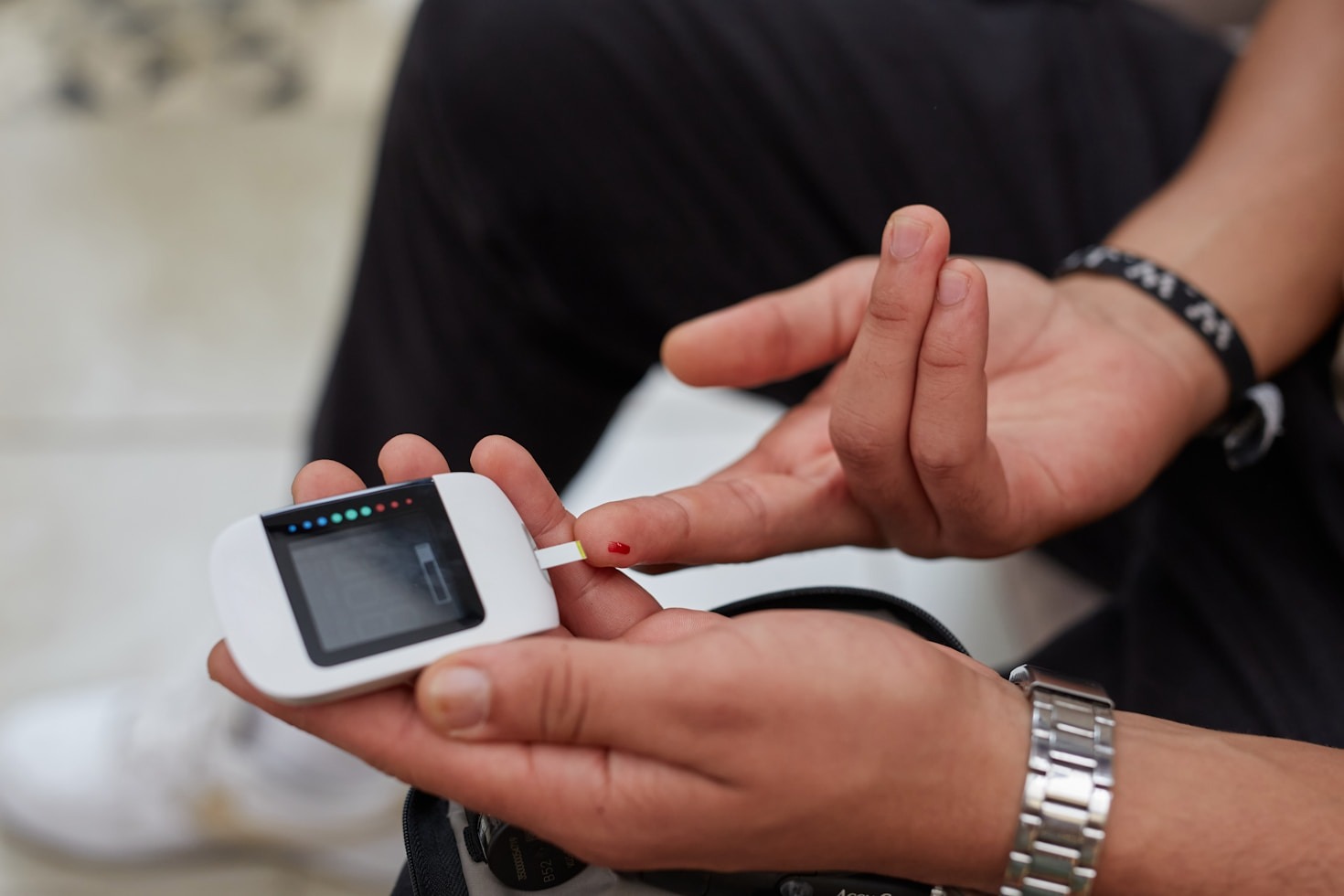
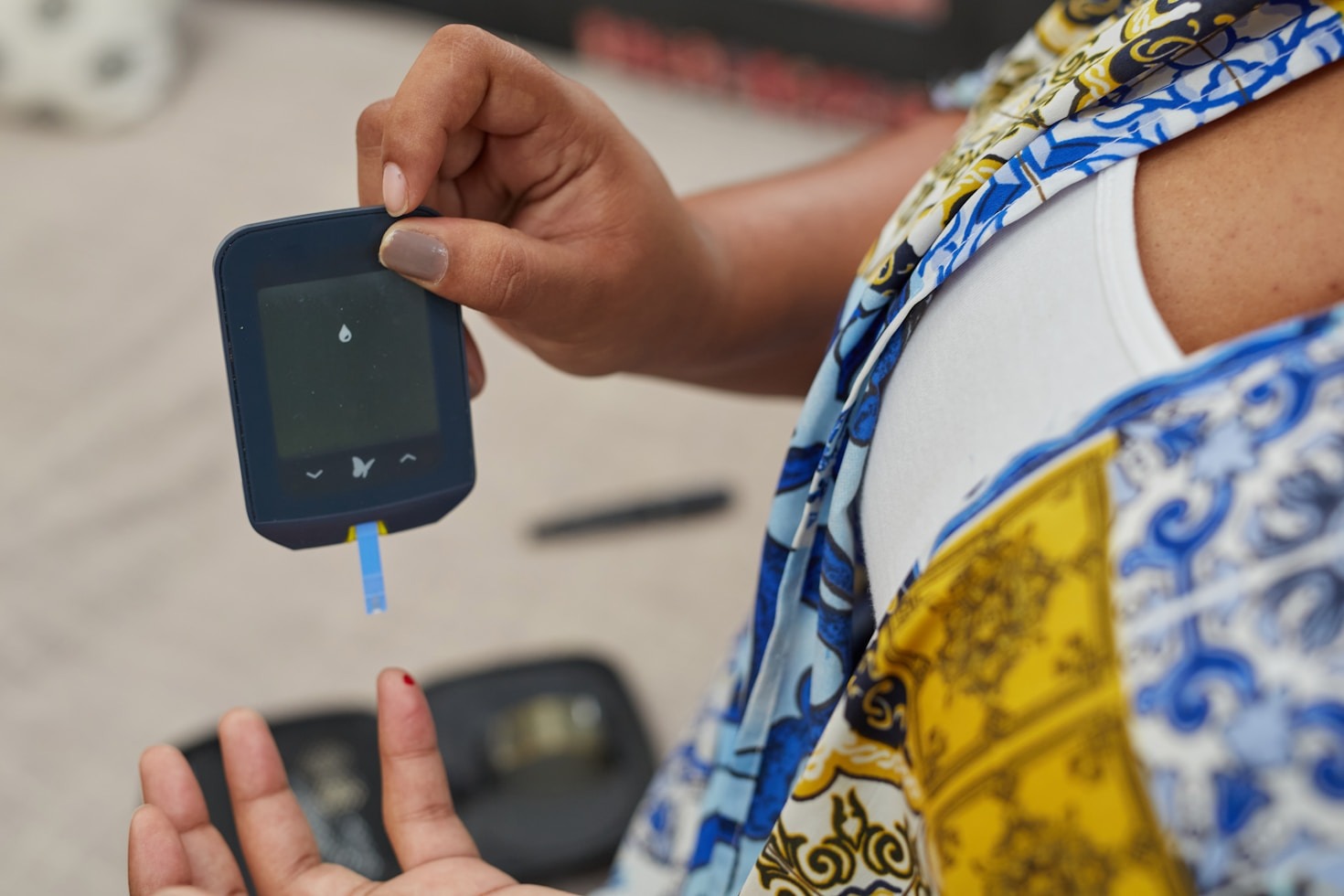
Stress not only affects hormones but also plays a significant role in how the body manages glucose. When stress hormones are elevated, the body goes into a state of fight or flight. This response causes the liver to release more glucose into the bloodstream, providing an immediate energy source. However, chronic stress may lead to consistently high glucose levels.
Over time, elevated glucose levels can lead to conditions like insulin resistance and, ultimately, type 2 diabetes. For women, this is especially concerning because hormonal disruptions can make it challenging to maintain healthy blood sugar levels.
Signs that your blood sugar may be out of balance include:
Frequent cravings for sweets
Unexplained weight gain
Extreme fatigue
Difficulty concentrating
Recognizing these signs early can help you take proactive steps toward better health.
Recognizing the Signs of Hormonal Imbalance
Hormonal imbalances can present themselves in various ways. For women, it’s essential to pay attention to the signs your body is sending. Some common indicators of hormonal issues include:
Unexplained weight changes
Fatigue or lethargy
Changes in libido
Skin issues, such as acne or dryness
Difficulty sleeping
Mood swings or anxiety
If you’re experiencing several of these symptoms, it may be time to take a closer look at your stress levels and how they affect your hormones. You are not alone in this journey, and it’s important to seek help if needed.
Stress Management Techniques for Women
Finding effective ways to manage stress is vital for balancing hormones. Here are some techniques women can incorporate into their daily lives:
Mindfulness Meditation: This practice can help calm the mind and reduce stress hormone levels.
Deep Breathing Exercises: Simple breathing techniques can lower immediate stress and promote relaxation.
Journaling: Writing down thoughts can help process emotions and clarify feelings.
Time in Nature: Spending time outdoors can elevate mood and reduce stress levels.
It’s okay to take time for yourself. Prioritizing self-care can make a world of difference.
The Role of Nutrition in Hormonal Health
Your diet plays a crucial role in managing stress and balancing hormones. Certain foods can help support your body during stressful times:
Leafy Greens: Rich in magnesium, these can help reduce cortisol levels.
Whole Grains: Provide sustained energy and stabilize blood sugar levels.
Protein: Supports hormone production and keeps you feeling full.
Healthy Fats: Include avocados and nuts to support hormone balance.
Incorporating a variety of nutrient-dense foods can improve your overall health and help manage stress.
Exercise: A Natural Stress Reliever
Regular physical activity is a powerful tool in managing both stress and hormones. Exercise releases endorphins, often referred to as “feel-good” hormones, which can help elevate mood and reduce stress. Here are some enjoyable ways to get moving:
Yoga: Combines physical movement with breathwork, reducing stress.
Walking: A simple, low-impact way to relieve stress and improve mood.
Dancing: Fun way to express yourself and get your heart rate up.
Strength Training: Builds muscle and boosts metabolism, improving hormonal balance.
Finding an activity you love will help you stick with it and make exercise a regular part of your life.
The Importance of Sleep for Hormonal Balance
Sleep is a cornerstone of good health, directly influencing stress levels and hormonal health. Poor sleep can lead to an increase in cortisol, making it harder to manage stress. Here are some tips to improve your sleep:
Establish a Routine: Go to bed and wake up at the same time every day.
Create a Relaxing Environment: Keep your bedroom dark, quiet, and cool.
Limit Screen Time: Reduce exposure to screens an hour before bed.
Consider Herbal Supplements: Chamomile and valerian root may promote better sleep.
Remember, quality sleep is a vital component of hormonal balance.
Emotional Health and Its Influence on Body Chemistry
Your emotional health is closely linked to your physical health. It’s important to acknowledge feelings, whether positive or negative. Engaging in activities you enjoy, spending time with loved ones, or even talking with a therapist can provide essential support. Here are a few ways to support your emotional well-being:
Connect with Friends: Spend time with those who uplift you.
Practice Self-Compassion: Be kind to yourself, especially during difficult times.
Explore Creative Outlets: Art, writing, or music can be cathartic.
Taking steps to enhance emotional health can positively impact your hormonal balance.
Steps to Take Control of Your Well-being
Taking charge of your well-being may feel overwhelming, but breaking it down into simple, manageable steps can help. Start by addressing your stress levels, exploring nutrition, getting regular exercise, and prioritizing sleep. Remember that you are not alone in this journey, and many women have faced similar challenges.
With the right support and strategies, it’s absolutely possible to improve your symptoms and enhance your overall quality of life. Every step you take towards understanding your body is a step towards a healthier you. Whatever you are facing, trust that there is hope and help available. Don’t hesitate to discover the solutions that have worked for others — because you deserve to thrive.