Have you ever experienced sudden mood swings, fatigue, or irritability that seems to come out of nowhere? Emotional ups and downs linked to blood sugar imbalance are more common than you might think, especially for women over 30 who juggle multiple life demands. These fluctuations can leave you feeling overwhelmed, anxious, and disconnected from your true self. In this article, we’re diving deep into how blood sugar levels can impact your emotional well-being and what steps you can take to restore harmony in your life.
Understanding Blood Sugar Imbalances
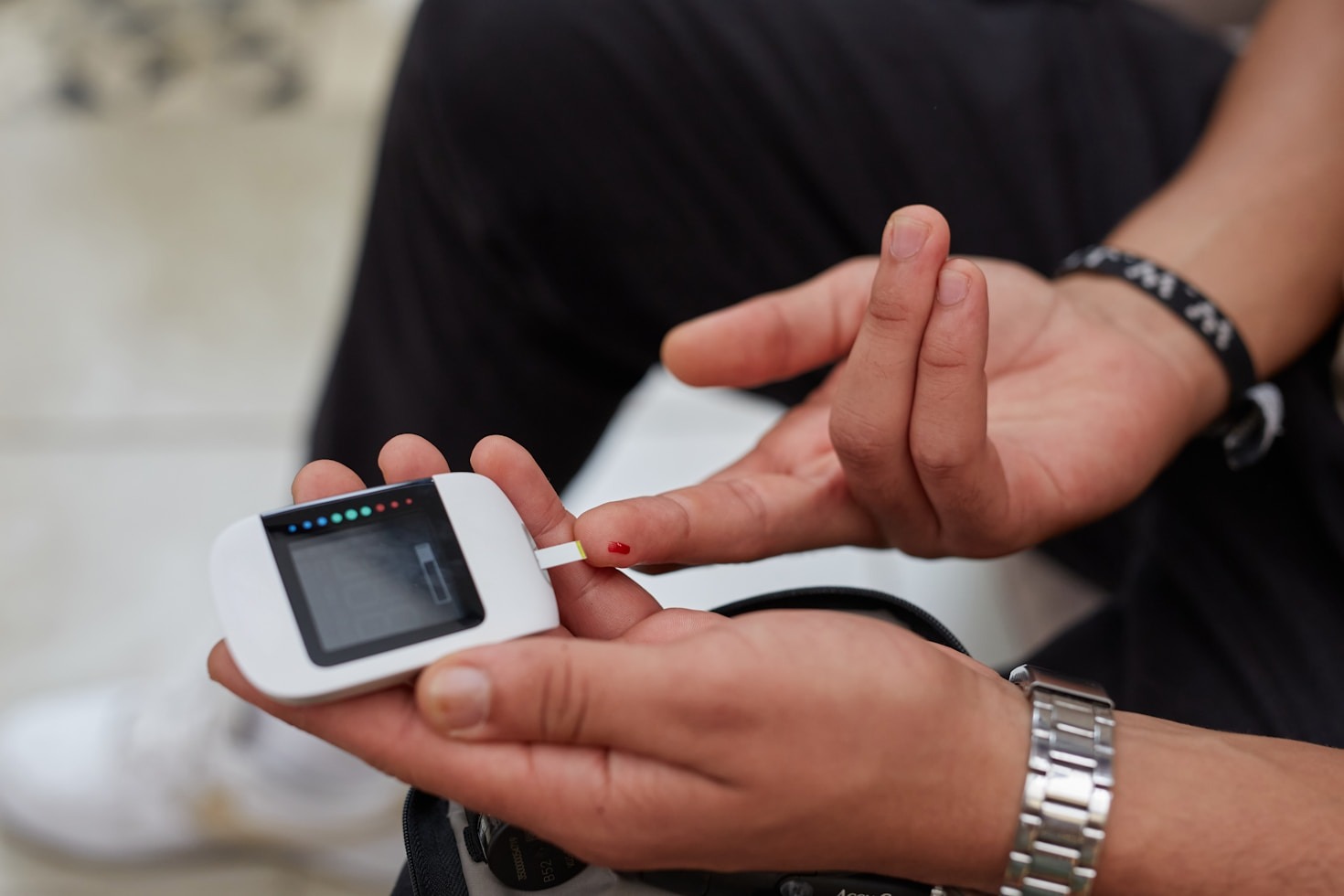
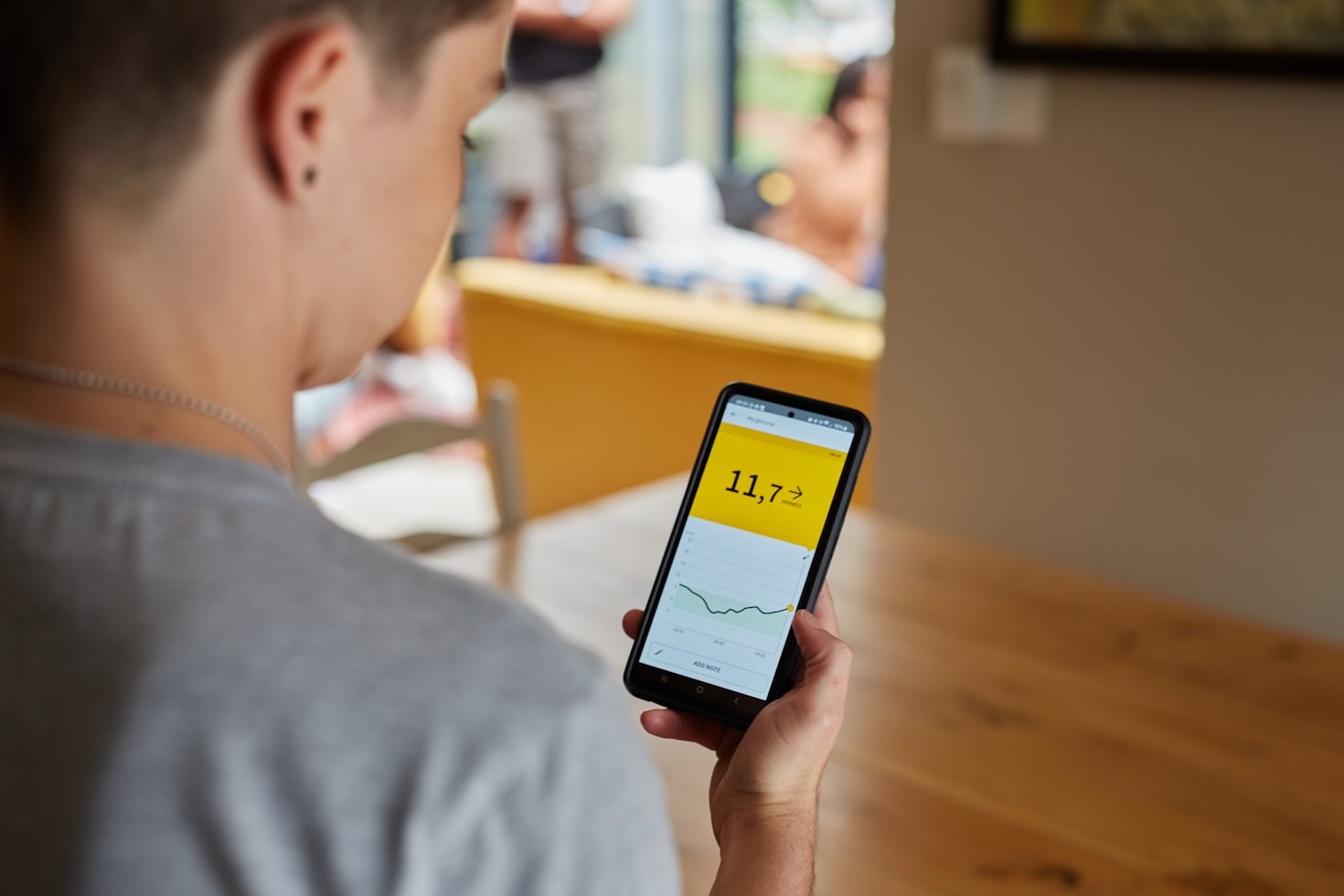
Blood sugar, or blood glucose, is the sugar found in your bloodstream. It comes from the foods you eat and is a crucial energy source for your body. However, when blood sugar levels fluctuate too much, it can lead to physical and emotional turmoil. Understanding how these imbalances occur is vital for maintaining both physical and emotional health.
Several factors can cause blood sugar imbalances. These include diet, stress, lack of sleep, and certain hormonal changes. Women, especially those over 30, may experience unique challenges that can exacerbate these fluctuations.
How Blood Sugar Affects Your Emotions
Have you ever felt irritable after skipping a meal? Or perhaps you found yourself overwhelmed with anxiety after consuming too much sugar? These reactions are not coincidences. Blood sugar directly influences your mood and emotions.
When blood sugar levels rise quickly (known as a spike), your body releases insulin to bring them back down. This sudden drop can lead to feelings of fatigue, mood swings, and irritability. Over time, repeated spikes can also contribute to feelings of depression or heightened anxiety. It’s a cycle that can feel impossible to break.
Common Symptoms of Imbalances in Women
Women often face unique symptoms related to blood sugar imbalances, including:
Fatigue: Feeling excessively tired even after a good night’s sleep.
Insomnia: Late-night hunger pangs or restlessness preventing a restful sleep.
Cravings: Particularly for sugary or carbohydrate-heavy foods.
Mood Swings: Sudden irritability, anxiety, or sadness without clear reasons.
Menstrual irregularities: As hormone levels fluctuate, so can blood sugar levels, affecting mood and symptoms.
These symptoms can intertwine with other challenges such as hormonal imbalance—a common struggle for many women. Each symptom magnifies the others, creating a cycle that feels exhausting.
The Connection Between Diet and Mood Swings
Your diet plays a crucial role in stabilizing blood sugar levels. Diets high in sugar and simple carbohydrates can lead to spikes and crashes, resulting in emotional ups and downs. Consuming whole foods, such as fruits, vegetables, whole grains, and lean proteins, can help maintain steadier blood sugar levels.
Incorporating healthy fats like avocados, nuts, and olive oil contributes to better emotional health. These foods help keep you feeling full longer and provide sustained energy, reducing the likelihood of cravings and mood swings.
Simple Steps to Stabilize Blood Sugar Levels
It can feel daunting, but there are simple steps to help stabilize your blood sugar:
Eat Regularly: Aim for balanced meals every 3-4 hours.
Incorporate Protein: Add a source of protein to every meal and snack.
Hydrate: Drink plenty of water throughout the day.
Reduce Sugars: Limit processed foods and sugary snacks.
Implementing these changes can lead to more steady energy levels, helping to reduce the emotional turbulence that often accompanies blood sugar fluctuations.
The Role of Stress in Blood Sugar Fluctuations
Stress is another significant player in the blood sugar game. When you experience stress, your body releases hormones like cortisol and adrenaline, which can cause blood sugar levels to surge. This reaction is part of the body’s fight or flight response, but chronic stress can lead to persistent fluctuations.
Moreover, stress often leads to unhealthy coping mechanisms, like emotional eating or cravings for quick energy sources, further destabilizing your blood sugar. Finding effective relaxation techniques is essential for emotional well-being.
Mindfulness and Its Effects on Emotional Health
Practicing mindfulness can be an excellent tool for both stress management and emotional health. Mindfulness involves being present and fully engaged in the moment without judgment. Many women find that incorporating mindfulness practices—such as meditation, deep breathing, or yoga—can significantly ease stress levels, which in turn stabilizes blood sugar.
Studies have shown that mindfulness can lower cortisol levels, leading to fewer emotional swings and more balanced energy throughout the day. Consider dedicating a few minutes daily to mindfulness practice to cultivate a calm and centered state of mind.
Nutritional Strategies for Emotional Balance
Along with healthy eating habits, specific nutritional strategies can support emotional balance:
Omega-3 Fatty Acids: Found in fish, flaxseeds, and walnuts, these can improve mood and reduce feelings of depression.
Magnesium: This mineral supports over 300 biochemical reactions in the body and can help alleviate anxiety symptoms. Foods rich in magnesium include dark leafy greens, legumes, nuts, and seeds.
B Vitamins: Important for energy production and mood regulation, include foods like whole grains, eggs, and dairy.
By paying attention to your nutritional needs, you can improve your emotional state while also stabilizing your blood sugar levels.
Exercise as a Tool for Stabilizing Mood
Exercise isn’t just great for your physical health; it’s also a powerful tool for emotional stability. Physical activity releases endorphins, the body’s natural mood lifters. Regular exercise can help lower stress, enhance mood, and support healthy blood sugar levels.
Even short, moderate exercise like walking or dancing can make a significant difference. Aim for at least 30 minutes a day for a happier, healthier outlook. Find activities that you enjoy; it doesn’t have to be a chore!
Finding Support and Community for Your Journey
Women often bear a heavy emotional load while juggling responsibilities. Don’t underestimate the power of community and support. Finding a group of like-minded women can be incredibly beneficial. Sharing experiences, tips, and encouragement can foster motivation and help you feel less alone in your journey.
Consider joining local support groups, online forums, or social media communities centered around health and wellness. A sense of belonging can be a powerful aspect of emotional health and can provide accountability on your journey to balance.